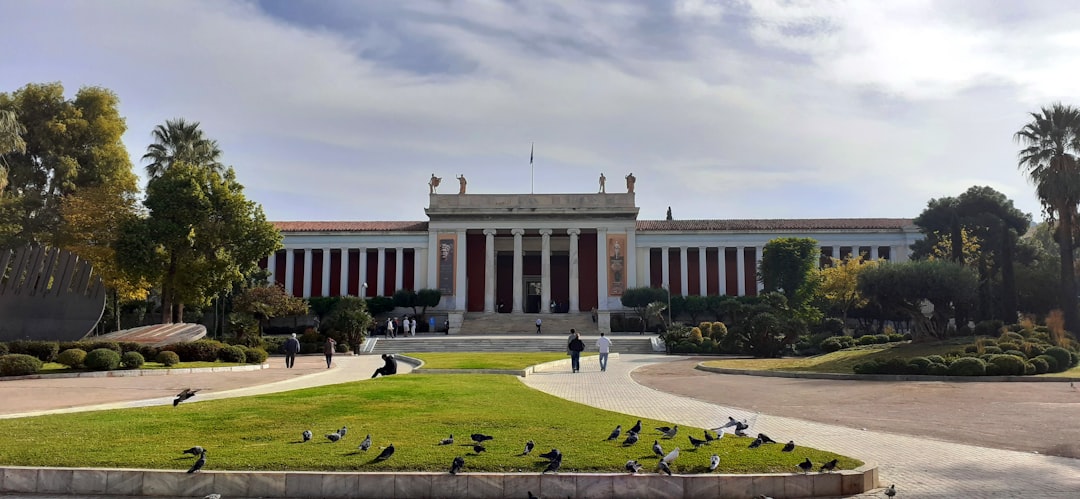
a group of birds sitting on top of a lush green field

National Archaeological Museum

Athens, Greece
i

a group of birds sitting on top of a lush green field

Photo by George Girnas

The National Archaeological Museum in Athens offers travelers a timeless portal to the ancient world. From the faint hush echoing across marble floors to sunbeams glancing over gilded statues, every gallery presents new wonders. Whether chasing the mystery of Cycladic figurines or standing face to face with a brooding bronze god, visitors discover both Greece’s legendary past and unexpected signs of its everyday life.

Visiting Info

Currency
Entrance fee
12 EUR
Hours
Opening hours
Monday: 8:30 AM – 3:30 PM
Tuesday: 1:00 – 8:00 PM
Wednesday: 8:30 AM – 3:30 PM
Thursday: 8:30 AM – 3:30 PM
Friday: 8:30 AM – 3:30 PM
Saturday: 8:30 AM – 3:30 PM
Sunday: 8:30 AM – 3:30 PM

Contact Information

Location
Address
28is Oktovriou 44, Athina 106 82, Greece

Planning your visit

Strategic planning ensures a smooth visit to the National Archaeological Museum. Located in the heart of Athens, the museum welcomes history lovers and curious explorers year-round. While school groups and tour buses sometimes fill galleries, early arrivals or late afternoons will find a quiet hum, perfect for reflective wandering. Advance tickets cut down wait times, especially during summer’s peak.

  • Best time to visit: Weekday mornings in spring or autumn—milder weather and fewer crowds.
  • How to get there: Metro fans should hop on Line 1 to Victoria Station; buses and taxis drop visitors at the museum’s front entrance on Patission Street.
  • Accessibility: Wheelchair ramps, elevators, and wide aisles accommodate families, seniors, and visitors with disabilities. Strollers are welcome, but a lightweight option navigates best.
  • Average visit duration: Three hours allows comfortable exploration of all major galleries, with plenty of time for coffee at the museum café.

Must see stuff

The museum’s sunlit atrium sets the scene for discovery. Glimpses of gold, marble, and bronze stretch as far as the eye can see. Every room tells a story—from the simple joys of ancient daily life to the grandeur of Greek kings and heroes. Whether touring solo or with a guide, these highlights spark lasting memories.

  • Key sights: The gold Mask of Agamemnon—its haunting eyes bridge myth and history. The towering Kouros statues greet visitors near the entrance with ancient confidence. The quirky Antikythera Mechanism amazes with uncanny ancient engineering.
  • Unique experiences: Wander through the lesser-known Egyptian Collection, tucked away in quiet halls, or join a curator-led tour for hidden details behind iconic pieces.
  • Photo-worthy locations: The grand staircase for sweeping shots, the sculpture garden with peaceful light, and the fresco-lined Mycenaean Room.
  • Cultural facts: Many artifacts survived wars and earthquakes, shipped from distant Greek islands. The museum’s collection covers millennia—from Stone Age paddle to Hellenistic silverwork, telling a story of the country’s constant transformation.

Tips for your visit

A rewarding visit often comes down to small details. Comfortable shoes turn hours of wandering into a pleasure, while respect for local customs keeps interactions warm and easy. Staying hydrated, thinking ahead about ticketing, and keeping a camera ready all help visitors make the most of museum time.

  • Best times to avoid crowds: Arrive early or visit during weekday afternoons—school trips taper off and galleries grow quieter.
  • What to bring: Water bottle (refill stations available), camera for personal use, a small notebook for jotting impressions, light layers for temperature changes.
  • Local etiquette: Keep voices low in echoing marble halls. Photography rules differ by gallery—watch for signs. Eating is for the café only.
  • Safety and comfort: Larger bags must be checked, so pack light. Benches scattered throughout offer easy rest stops; take advantage to avoid fatigue.