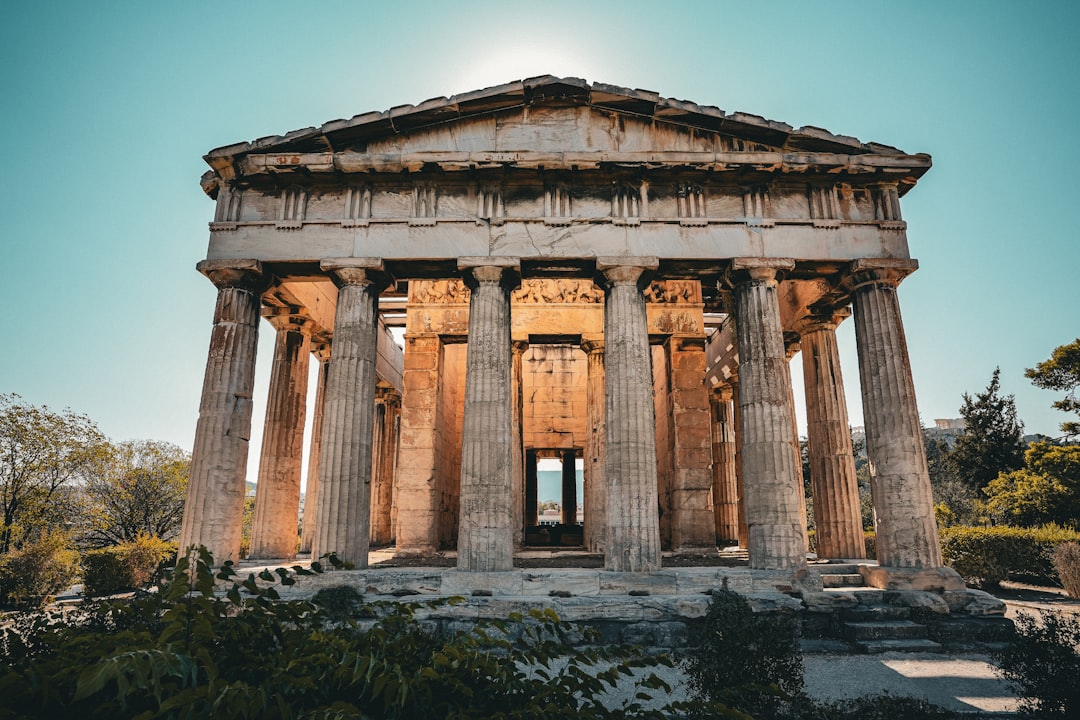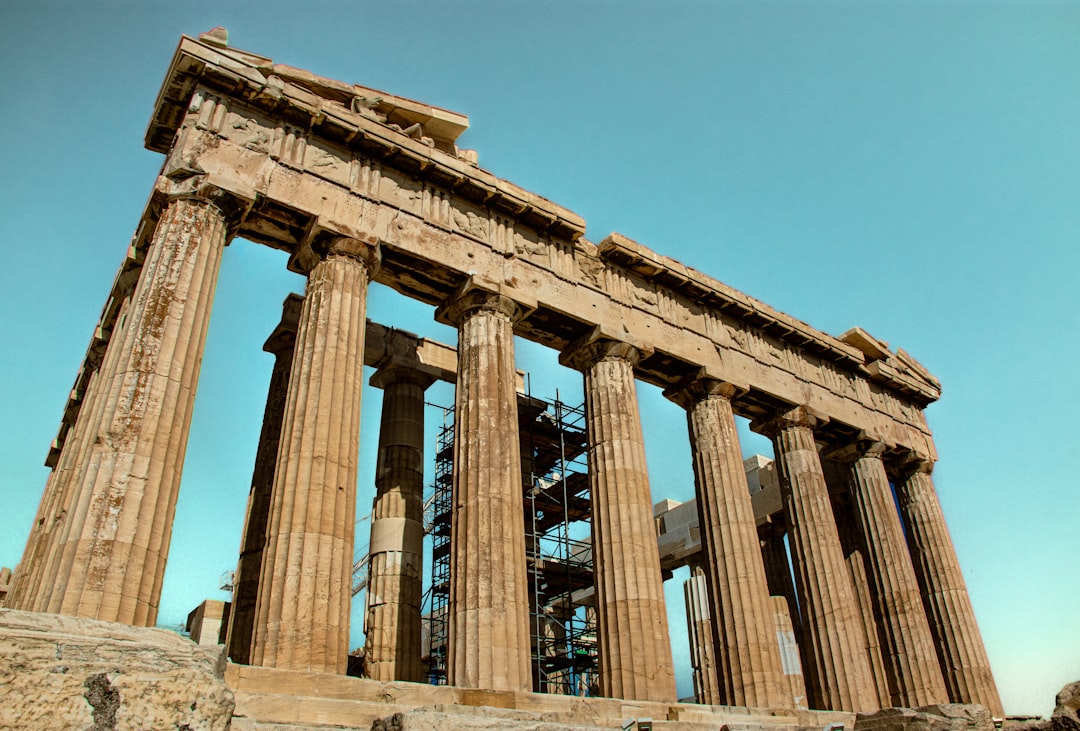
a large stone structure with many columns
A large building sitting on top of a rocky hill

Parthenon

Athens, Greece
i

a large stone structure with many columns

Photo by Andres Oropeza

Beneath the endless blue of an Attic sky, marble columns catch the sun’s brilliance. Soft footsteps echo on ancient stone while cicadas buzz in the dry rush of breeze. Few places in the world pull past and present together like the Parthenon—more than temple, less a ruin, always a revelation. For centuries, travelers have climbed the rocky Acropolis to stand in awe before columns that have survived war, fire, and the slow grind of ages. Here, every stone tells a tale, and every visitor finds their own reason to pause and look closer.

Visiting Info

Currency
Entrance fee
10 EUR
Hours
Opening hours
Monday: Open 24 hours
Tuesday: Open 24 hours
Wednesday: Open 24 hours
Thursday: Open 24 hours
Friday: Open 24 hours
Saturday: Open 24 hours
Sunday: Open 24 hours

Contact Information

Location
Address
Athens 105 58, Greece

Planning your visit

Before setting out for the Parthenon, a little preparation turns a good outing into a great one. Hot summers bring crowds and piercing sunlight, while rainy winters make the climb slippery. Tickets are best booked in advance, as lines for entry can snake through the lower pathways, especially in peak season. Located in the heart of Athens, the site is, surprisingly, easy to reach from almost anywhere in the city center. Expect a little uphill walking and several flights of stone steps, but handrails and shaded rest spots help many visitors make the journey comfortably.

  • Best time to visit: Early morning (before 9 a.m.) or late afternoon (after 4 p.m.), especially in spring or autumn, avoids both crowds and strong sun.
  • How to get there: The Acropolis Metro station is a 10-minute walk; taxis and public buses also serve the area.
  • Accessibility: There’s a dedicated elevator for seniors and visitors with mobility needs, though some rocky paths may still present challenges.
  • Average visit duration: Allow at least 2-3 hours for the Parthenon and surrounding Acropolis monuments.
Must see stuff

The Parthenon dominates the high point of the Acropolis, but the entire hill bristles with wonders. As the wind stirs dust between Doric columns, visitors often pause for sweeping skyline views or to trace the fluted details carved with astonishing care. Beyond the main temple, quiet corners of the citadel reveal stories that textbooks barely mention. For photographers, sunset bathes weathered stones in honeyed gold—while those curious for context can join expert local guides unraveling thousands of years in just a few paces.

  • The Parthenon temple: Peer up at the spectacular marble columns and gaze at the battered yet noble east pediment.
  • The Erechtheion: Famous for its graceful porch supported by Caryatid statues—each one a masterpiece, and a favorite spot for photos.
  • The Propylaea: Stand at the monumental entranceway, imagining the bustle of ancient Athenians walking the same steps.
  • Panoramic viewpoints: Step toward the southern edge for sweeping city views, from Lykavittos Hill to the Aegean Sea shimmering on the horizon.
  • Ancient olive tree: Near the Erechtheion, seek out this storied tree—believed by many to be a descendant of Athena’s original gift to Athens.
  • Cultural context: The Parthenon served as temple, bank, church, and even a mosque during its long life—a history etched into every stone.

Tips for your visit

Strolling the Acropolis feels like walking through the world’s oldest open-air museum. High midday sun can be intense, and smooth marble can turn slick after rain or early morning dew. Cold water and a ready camera are necessities, but so are patience and respect—especially when tour groups gather. Locals keep voices low and tread carefully, honoring both ancient spirits and modern-day workers who constantly restore the site. Small acts make the difference: a nod to security staff, a patient step aside for slower walkers, a quiet moment under the rare strip of shade.

  • Best times to avoid crowds: Try weekdays outside school holidays, or visit just as the gates open.
  • What to bring: Water bottle, hat, sunscreen, sturdy walking shoes, and a camera with extra memory.
  • Local etiquette: Climbing on ruins is forbidden; speaking softly maintains the peaceful mood.
  • Safety advice: Some paths are uneven—watch every step and help children or elders on the roughest sections.