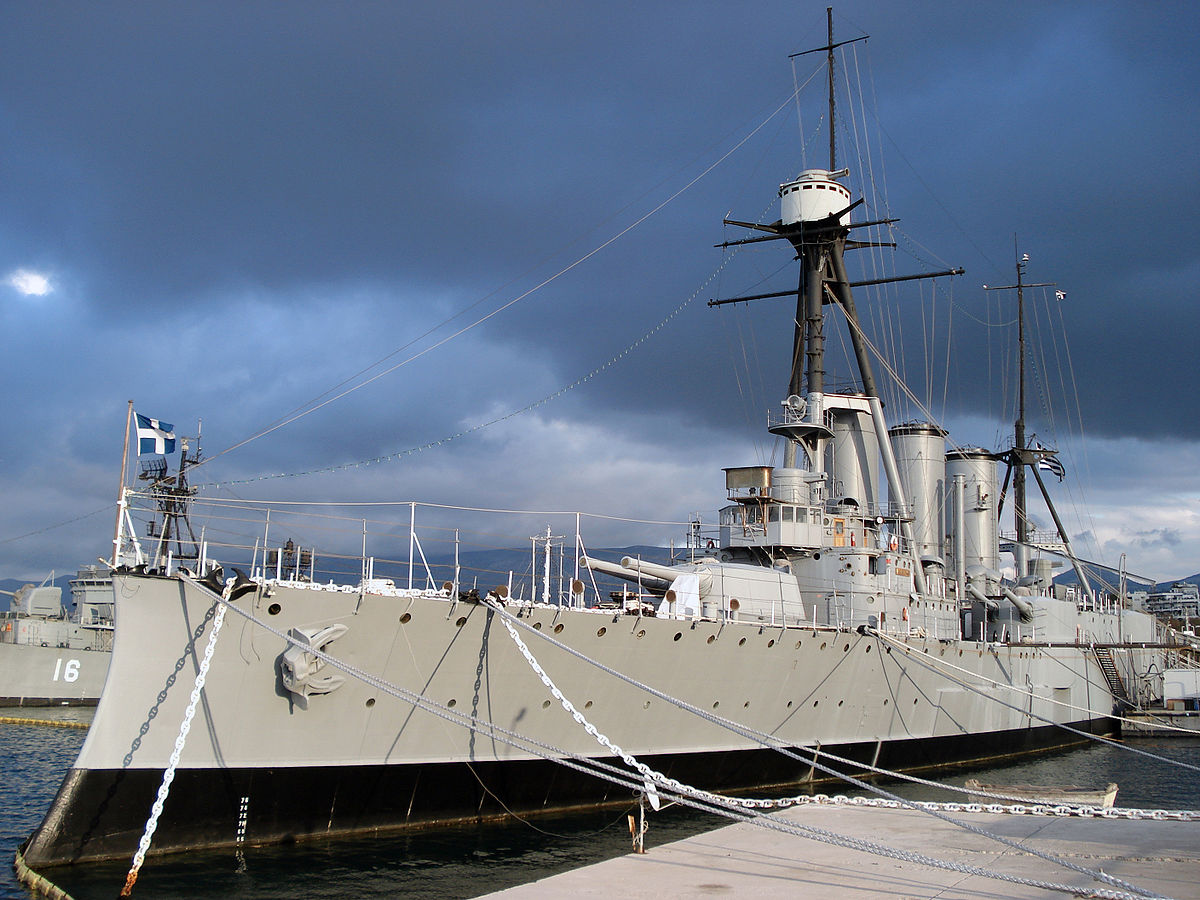
Beautiful view of Museum Ship Averof

Museum Ship Averof

Athens, Greece
i

Beautiful view of Museum Ship Averof

Salt spray drifts on a breeze, gulls wheel overhead, and metal decks warm in the Greek sun: the Museum Ship Averof offers a vivid glimpse into naval history, moored peacefully in Athens’ bustling Faliron Bay. Far from static artifact, this armored cruiser—restored and afloat—invites visitors to walk the decks, climb the companionways, and consider a time when the Mediterranean's fate turned on guns and steam. For families, history lovers, or curious explorers of all ages, the Averof is more than a museum: it is a living link to Greece’s proud maritime past.

Visiting Info

Currency
Entrance fee
6 EUR
Hours
Opening hours
Monday: Closed
Tuesday: 9:00 AM – 2:00 PM
Wednesday: 9:00 AM – 2:00 PM
Thursday: 9:00 AM – 2:00 PM
Friday: 9:00 AM – 2:00 PM
Saturday: 10:00 AM – 5:00 PM
Sunday: 10:00 AM – 5:00 PM

Contact Information

Location
Address
Marina Flisvos, Trokadero, Paleo Faliro 175 10, Greece

Planning your visit

Thoughtful planning helps make a visit to the Averof smooth and rewarding. The ship sits at the edge of Athens’ southern neighborhoods, sharing the waterfront with marinas and cafes. Spring and autumn offer gentle breezes and fewer school groups, though even summer mornings deliver rich blue skies and stunning light on the decks. Most visitors arrive by tram or bus, with ample parking nearby for those driving. Tickets are affordable, and entry is usually swift, though weekends can draw lively local crowds.

  • Best time to visit: Weekday mornings in spring or autumn for comfortable weather and quieter decks.
  • How to get there: Take Tram Line 7 (Piraeus–Asklipiio Voulas) to the "Delta Falirou" stop; buses link central Athens to the seaside; taxis and ride-shares offer convenience from most city neighborhoods.
  • Accessibility: Most decks are accessible by ramps; however, some steep ladders and narrow passageways challenge wheelchair access. Families, seniors, and small children may prefer the main deck for easiest navigation.
  • Average visit duration: Allow 1.5 to 2 hours to tour the ship, see main exhibits, and enjoy the sea views.

Must see stuff

Climbing aboard the Averof, visitors first encounter the ship’s proud silhouette—bristling masts, serious guns, and brass gleaming in sunlight. Every inch of the ship tells a story: from flag-draped bridge to gun turrets turned toward the Saronic Gulf. Below deck, wood-paneled officers’ quarters contrast with tight bunks and engine rooms echoing with steel and history. Alongside these classic highlights, the ship hosts engaging exhibits and occasional living history events with costumed crews. Even seasoned travelers find surprises around each corner.

  • The Captain’s Bridge: Stand at the wheel for sweeping harbor views and a true sense of command.
  • The Gun Deck: Explore preserved guns and learn how the Averof turned the tide in Balkan naval battles.
  • Engine Room: Peer into the maze of pipes and valves that once powered the cruiser across the Mediterranean.
  • Officers’ Quarters: See vintage uniforms, detailed maps, and personal effects from those who served onboard.
  • Photo opportunities: Early morning light on the main deck; flags snapping in the breeze; brasswork polished to a mirror shine.
  • Cultural/historical facts: The Averof was flagship of the Greek fleet in three wars and remains the world’s only surviving armored cruiser of its era. Stories of courage, technical innovation, and some shipboard humor pepper tour displays.

Tips for your visit

For the fullest experience, a bit of preparation pays off. Some parts of the Averof—like steep ladders and low doorways—remind visitors that ship design once prioritized defense over comfort. Still, there’s enough shade, seating, and fresh air for breaks. Bringing water, a camera, and closed-toe shoes is smart. Photography is welcomed, though tripods sometimes draw a stern look from staff. Visitor facilities are basic but usually well-kept. For a deeper dive, volunteers sometimes offer guided explanations, bringing lesser-known history to life.

  • Best times to avoid crowds: Aim for weekday mornings or late afternoons outside of holiday periods.
  • What to bring: Bottled water, a hat for sun, sturdy shoes, a fully-charged camera or phone.
  • Local etiquette: Jazzed school groups often share the decks; patience is a virtue. Respect roped-off areas and ask before handling displays.
  • Safety or comfort: Watch young kids near rails and ladders. Take care on narrow stairs—handrails can be chilly in winter or hot on sunny days.