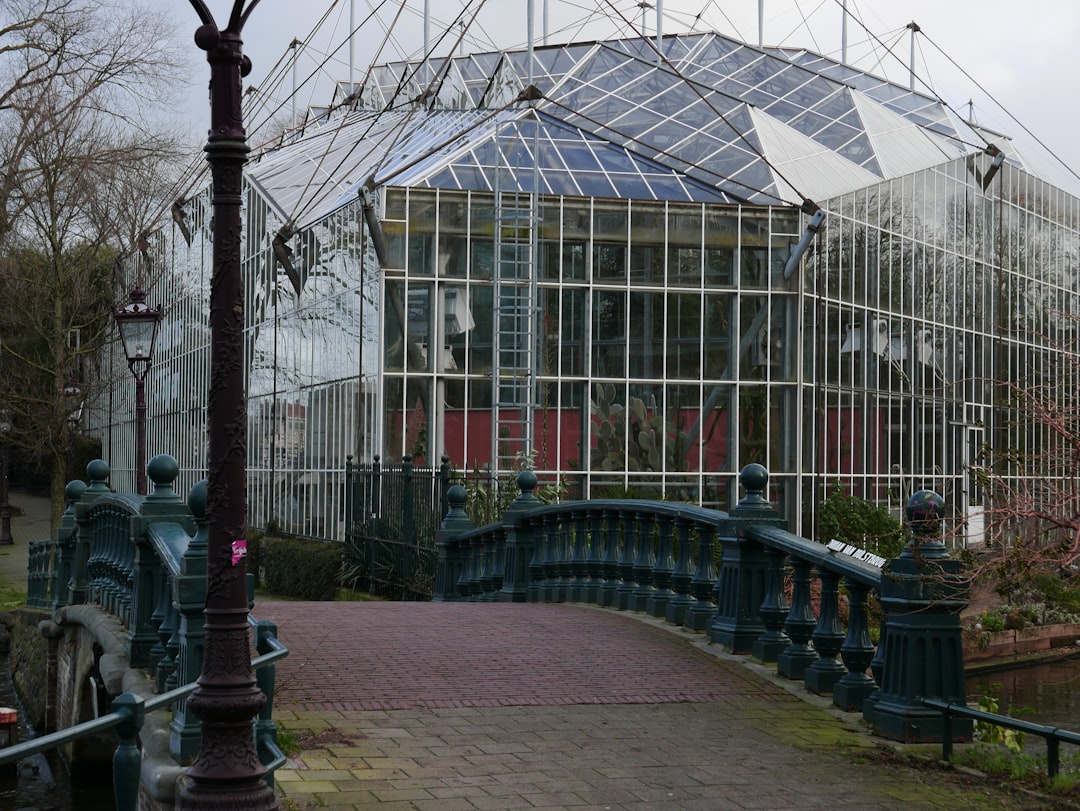
a building with a glass roof next to a bridge
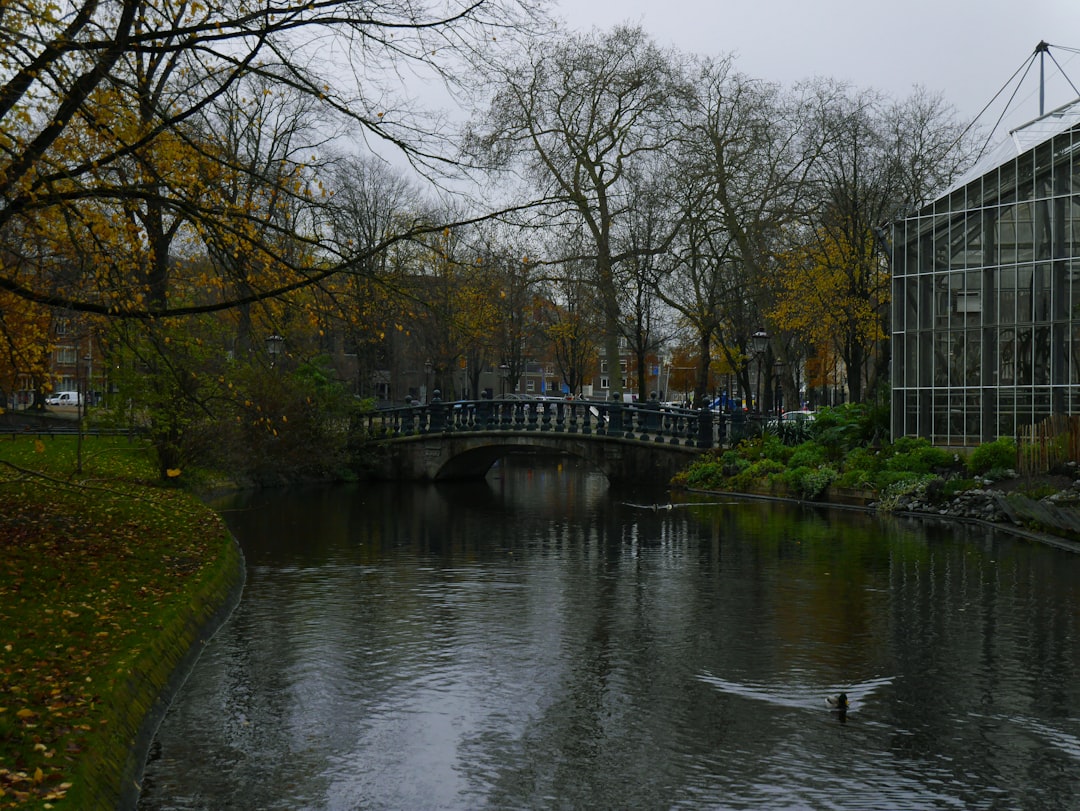
bridge over river between bare trees

Hortus Botanicus

Amsterdam, Netherlands
i

a building with a glass roof next to a bridge

Photo by Fons Heijnsbroek

Green tendrils unfurling under a patchwork sky. The hum of city life softened by birdsong and the gentle churn of canals. In Amsterdam’s historic core, the Hortus Botanicus draws visitors and locals alike into a world teeming with calm, color, and quiet magic. This centuries-old garden isn’t just a place to see rare plants—it’s where history, science, and beauty blend together, creating a living museum that sparks wonder in every season.

Visiting Info

Currency
Entrance fee
13.5 EUR
Hours
Opening hours
Monday: 10:00 AM – 5:00 PM
Tuesday: 10:00 AM – 5:00 PM
Wednesday: 10:00 AM – 5:00 PM
Thursday: 10:00 AM – 5:00 PM
Friday: 10:00 AM – 5:00 PM
Saturday: 10:00 AM – 5:00 PM
Sunday: 10:00 AM – 5:00 PM

Contact Information

Location
Address
Plantage Middenlaan 2a, 1018 DD Amsterdam, Netherlands

Planning your visit

When planning a trip to Hortus Botanicus, a bit of advance preparation ensures the best experience. Located in Amsterdam’s leafy Plantage district, the garden sits just beyond the main tourist hub, making it both accessible and refreshingly peaceful. Crowds swell on warm weekends and during tulip season, but quieter hours reward the early riser or weekday wanderer. Tickets can be booked online, streamlining entrance—especially on busy days. Expect a relaxed pace; most visitors meander slowly, pausing to breathe in the scent of blossoming jasmine or to admire the shifting play of sunlight through glasshouse windows.

  • Best time to visit: Early spring for tulips and awakening greenery, or late afternoon in summer when sunlight turns the gardens golden.
  • How to get there: Tram 9 or 14 stops nearby, and the walk from Centraal Station takes around 20 minutes. Bicycle racks line the front entrance for those arriving by two wheels.
  • Accessibility: Paved paths wind through the grounds, making most areas friendly for wheelchairs and strollers. Benches sit beneath shady trees for those needing a break.
  • Average visit duration: Two hours allows a relaxed exploration, but some linger for an entire afternoon.

Must see stuff

More than 4,000 plant species spread across compact but varied grounds, from centuries-old greenhouses to dazzling open-air borders. Here, every corner seems to whisper with stories—of merchant ships unloading botanical treasures, of scientists hunched over microscopes, of bees tracing nectar trails between rare blooms. The main greenhouse complex draws attention first, but quieter pathways and curiosities reward those who stray from the main route. Every turn uncovers a new color, shape, or living legacy.

  • The Palm Greenhouse: Step inside this soaring 1875 structure, where tropical giants stretch toward glass ceilings and humidity hangs like a velvet curtain.
  • The Three Climate Zones Glasshouse: Experience the rainforest, desert, and subtropical regions in a single stroll—a traveler’s dream without a passport stamp.
  • The Medicinal Herb Garden: Trace the roots of Dutch medicine and discover aromatic plants once sold by city pharmacists.
  • The 17th-century Oak Tree: Stand in the shadow of one of the garden’s oldest living inhabitants—planted in 1682, its branches cradle centuries of Dutch history.
  • The Butterfly Greenhouse: Watch delicate wings flit and rest among lush greenery, offering endless perfect photo opportunities.
  • Special exhibitions: Look for rotating art installations or student research displays, adding fresh flavor to each season.
  • Photo-worthy corners: Lily ponds ablaze with color, the serene Orangery café terrace, or paths dappled with sunlight and shade.
  • Historic trivia: Founded in 1638 to grow medicinal herbs for plague doctors, the Hortus is one of the world’s oldest botanic gardens.

Tips for your visit

A little practical wisdom goes a long way in making a Hortus visit delightful. While most guests lose track of time among the glasshouses, thoughtful preparation means more relaxation and less backtracking for forgotten snacks or camera batteries. Locals rarely rush; the slow pace is part of the experience. Take a cue from Amsterdam’s easygoing spirit, savor the moment, and share pathways respectfully.

  • Beat the crowds: Arrive just after opening time, especially on weekends and school holidays.
  • Bring: Water, a camera, layered clothing (glasshouses can get warm!), and walking shoes. Snacks are allowed on benches, or stop for cake at the Orangery café.
  • Local etiquette: Stay on marked paths to protect delicate plants. Speaking quietly in greenhouses is appreciated.
  • Safety & comfort: Some paths become slippery after rain; watch your step. Restrooms and first aid are easy to find near the entrance.