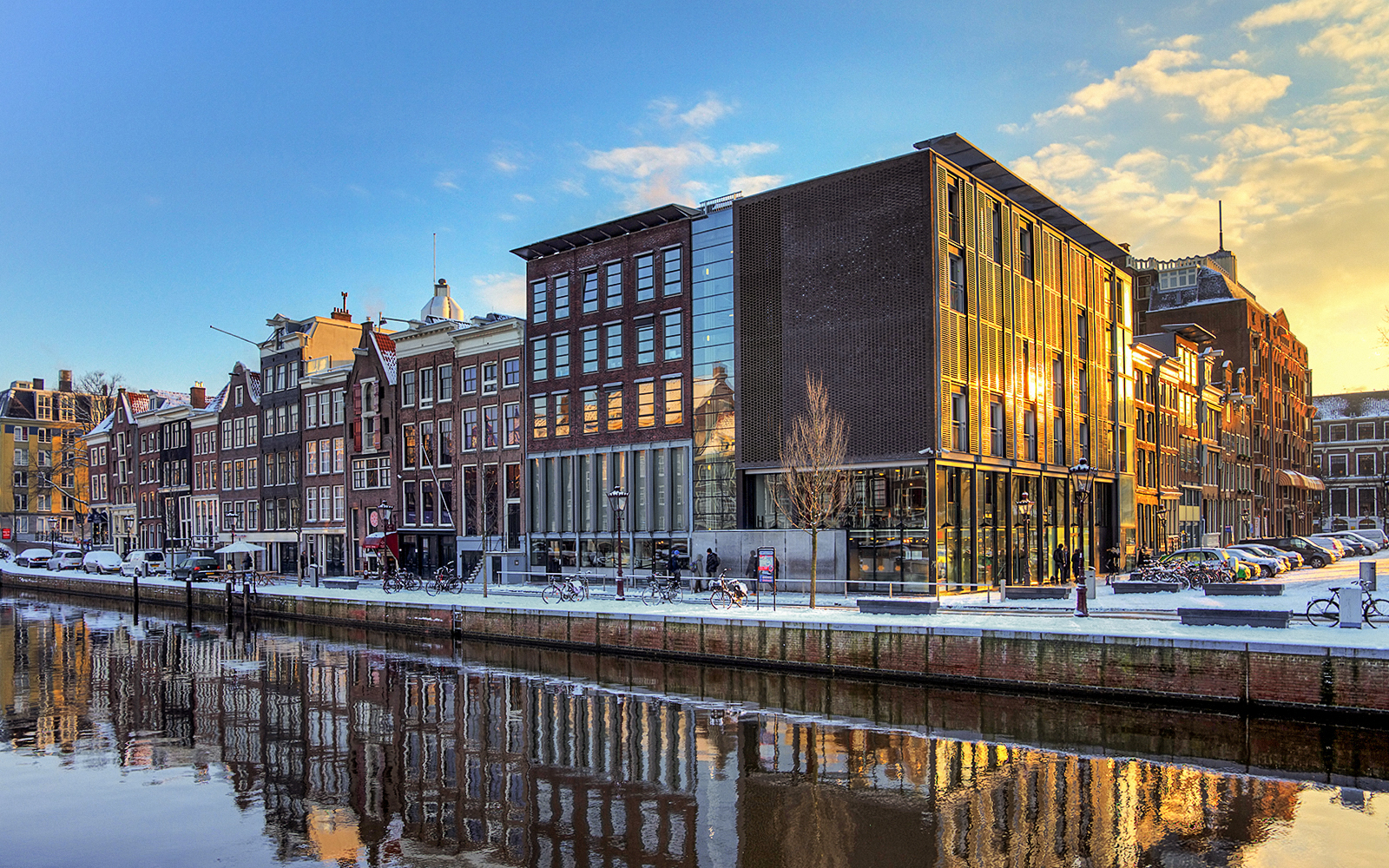
Beautiful view of Anne Frank House

Anne Frank House

Amsterdam, Netherlands
i

Beautiful view of Anne Frank House

A quiet hush settles over the old canal houses of Prinsengracht, where bicycles rattle in the cobbled street and the whispers of history linger near one unassuming facade. Behind these tall, narrow windows, a different world waits—one lined with narrow steps, creaking floorboards, and the enduring words of a girl whose diary changed how generations see the past. Visiting Anne Frank House offers a journey through memory and hope, right in the heart of Amsterdam.

Visiting Info

Currency
Entrance fee
16 EUR
Hours
Opening hours
Monday: 9:00 AM – 10:00 PM
Tuesday: 9:00 AM – 10:00 PM
Wednesday: 9:00 AM – 10:00 PM
Thursday: 9:00 AM – 10:00 PM
Friday: 9:00 AM – 10:00 PM
Saturday: 9:00 AM – 10:00 PM
Sunday: 9:00 AM – 10:00 PM

Contact Information

Location
Address
Westermarkt 20, 1016 GV Amsterdam, Netherlands

Planning Your Visit

Before stepping inside the hidden annex, a bit of practical planning will ensure a smooth experience. Anne Frank House remains one of Amsterdam’s most popular museums, drawing travelers and locals who wish to reflect and remember. Securing a timed-entry ticket online is essential—lines often stretch along the canal, especially during weekends and holidays. Mornings tend to be quieter, while evenings draw visitors hoping for a more contemplative atmosphere. Accessibility has improved, but the historic setting still offers narrow stairs and confined spaces. Younger children may find the experience challenging, while older students often find it powerful and educational.

  • Best time to visit: Early morning or late evening on weekdays. Spring and fall months are less crowded.
  • How to get there: Take tram lines 13 or 17 or a leisurely 15-minute walk from Amsterdam Centraal Station along the canal.
  • Accessibility: Main museum is wheelchair accessible; the Secret Annex is not due to steep stairs. Audio tours available in multiple languages.
  • Average visit duration: 1–2 hours, depending on pace and crowds.

Must See Stuff

Some museum experiences drift quickly from memory, but the Anne Frank House lingers long after a visitor leaves. The address—Prinsengracht 263—holds stories preserved with care and honesty. Inside, exhibits stay close to the facts, letting small objects, photographs, and original diary pages speak with clarity. The Secret Annex—hidden by a swinging bookcase—draws visitors into Anne Frank’s world, narrow and silent. Natural light filters through covered windows, highlighting peeling wallpaper where faded magazine clippings remain. Each room exudes a quiet tension, the mix of fear, hope, and everyday family life.

  • The Secret Annex: Tread cautiously through the cramped hiding place; look for the markings still measuring Anne and Margot’s heights on the wall.
  • The Diary Room: See Anne’s actual red plaid diary and early pages—poignant, fragile, unmistakably real.
  • Main Exhibits: Explore video interviews with survivors and family friends, offering context and personal stories amid historical events.
  • Photo-worthy locations: The famous swinging bookcase, somber attic windows, and the reflective waters of the Prinsengracht canal just outside.
  • Cultural fact: While the inside is sober, the restored annex remains intentionally unfurnished—a choice Otto Frank made to preserve its sense of loss and memory.

Tips for Your Visit

Anne Frank House balances between global landmark and intimate memorial—a place best approached with consideration and patience. Expect to move slowly through the tight corridors and up the steep stairs. No photos inside; this isn’t just a museum, but a memorial. Carry the right attitude, as loud voices and hurried steps ripple through the stillness. Guided tours, offered some evenings and in off-peak months, provide extra insight not found in the displays. Stopping in the small café next door after your visit allows space to process and reflect on everything seen.

  • Best times to avoid crowds: Book weekday early morning or late slots; skip holidays if possible.
  • What to bring: Comfortable walking shoes, water, and (for older children) a notebook for personal thoughts.
  • Local etiquette: Silence is respected throughout; all devices set to silent, and no bags larger than a small purse allowed.
  • Safety/comfort advice: Prepare for narrow staircases and low ceilings. Those with mobility concerns should contact the museum before arrival.