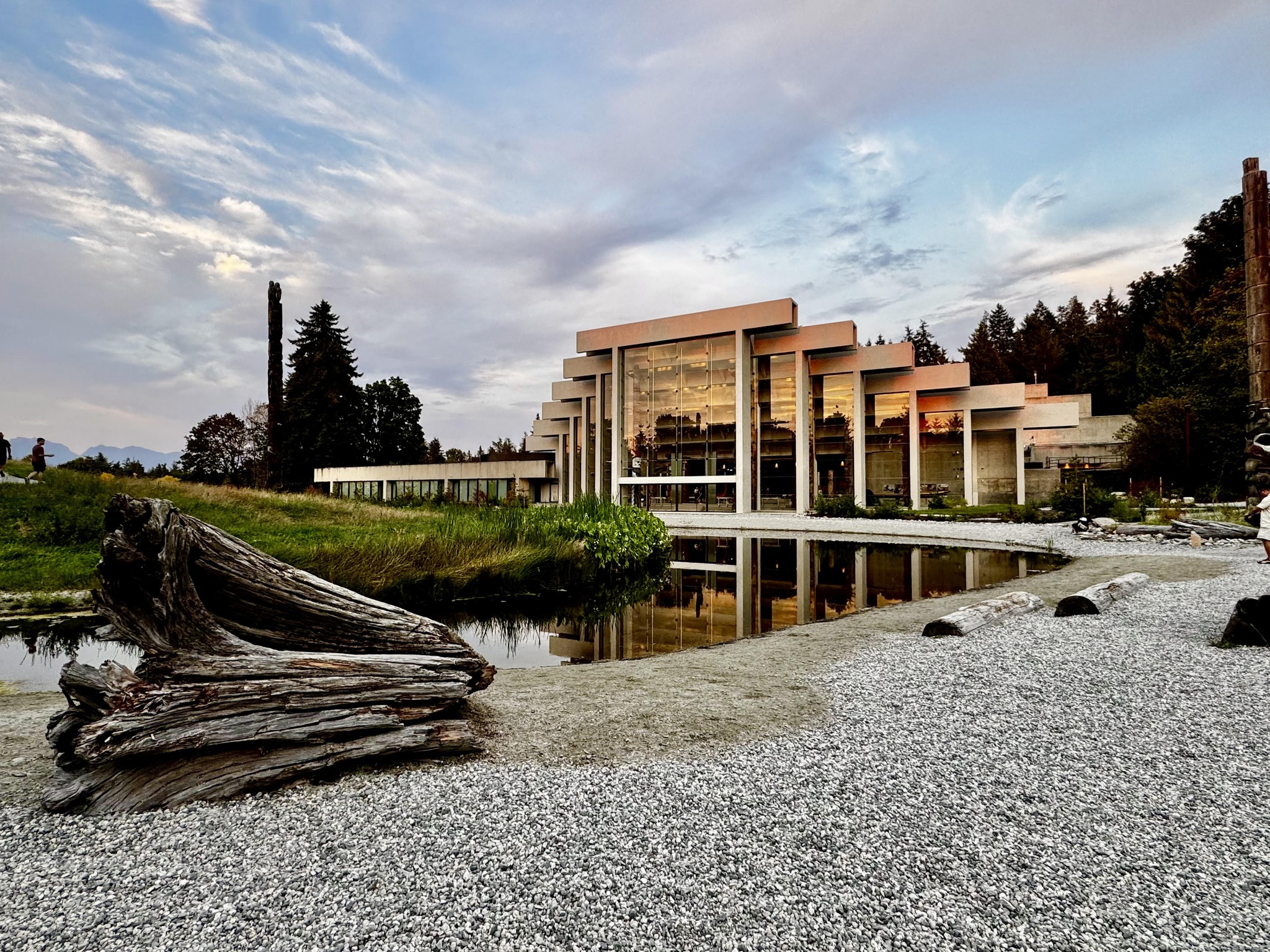
Beautiful view of Museum of Anthropology

Museum of Anthropology

Vancouver, Canada
i

Beautiful view of Museum of Anthropology

Deep in a lush green stretch on the edge of Vancouver’s Point Grey, the Museum of Anthropology creates a rare meeting place between world cultures and the powerful traditions of the Pacific Northwest. The building, a modernist icon designed by Arthur Erickson, welcomes visitors with soaring concrete and glass, framing views of ocean, forest, and mountains. Inside, sunlight pours across powerful totem poles and intricate carvings, inviting exploration and reflection. Whether seeking quiet inspiration or a deep dive into Indigenous histories, travelers find the Museum a bridge between present curiosity and timeless stories.

Visiting Info

Currency
Entrance fee
18 CAD
Hours
Opening hours
Monday: Closed
Tuesday: 10:00 AM – 5:00 PM
Wednesday: 10:00 AM – 5:00 PM
Thursday: 10:00 AM – 9:00 PM
Friday: 10:00 AM – 5:00 PM
Saturday: 10:00 AM – 5:00 PM
Sunday: 10:00 AM – 5:00 PM

Contact Information

Location
Address
6393 NW Marine Dr, Vancouver, BC V6T 1Z2, Canada

Planning your visit

There are a few smart ways to make the most out of a trip to the Museum of Anthropology. Bright afternoons offer beautiful natural light in the airy galleries, while weekday mornings tend to be quieter. The journey is straightforward, blending easy bus routes with short, scenic walks if coming from downtown Vancouver. Summer brings larger groups but also the chance to stroll around bursting gardens and open-air installations. Timed admission tickets are recommended on busy weekends. Visiting students, families, seniors, and travelers with accessibility needs all find the site welcoming, though some outdoor paths may be uneven.

  • Best time to visit: Weekday mornings and late afternoons; May to early October for gardens.
  • How to get there: Take bus 99 or 25 to University of British Columbia, then walk 10–15 minutes. Bike lanes and parking available onsite.
  • Accessibility: Wheelchair ramps, accessible restrooms, stroller-friendly galleries. Some outside trails are gravel.
  • Average visit duration: 2–3 hours for a solid overview; add extra time for guided tours.

Must see stuff

The Museum of Anthropology’s highlights revolve around both the grandeur of its First Nations collection and the discoveries tucked into side galleries. Traditional Coast Salish and Haida totem poles soar in the Great Hall, their polished cedar surfaces glowing under skylights. Rows of carved masks, bentwood boxes, and woven baskets show how traditional art meets daily life. Rotating exhibitions feature everything from contemporary Indigenous fashion to global artifacts like Papua New Guinea ceremonial headdresses. Don’t overlook the Bill Reid Rotunda, home to the famous sculpture "The Raven and the First Men," or the quiet outdoor Haida houses and reflecting pools just beyond the main building.

  • Key sights: Great Hall totem poles, Bill Reid’s "The Raven and the First Men," Multiversity Galleries with global artifacts, outdoor Haida houses.
  • Unique experiences: Participate in a hands-on workshop or catch an artist in residence at work; explore the textile study room.
  • Photo-worthy locations: Sunlit Great Hall, mirrored reflecting pool, entrance framed by tall cedars, panoramic view of Burrard Inlet.
  • Cultural facts: The museum houses over 50,000 objects, with special focus on Northwest Coast art and culture. Large windows in the Great Hall purposely echo the forests where totems once stood.

Tips for your visit

A bit of planning ensures a comfortable and memorable trip to the Museum. Early birds skip the largest crowds and sometimes gain almost private time with favorite exhibits. On rainy days, the indoor galleries feel especially peaceful, but pack a light waterproof layer if exploring the gardens or outdoor sculptures. Comfortable shoes make a difference—floor surfaces range from tile to gravel. Photography is allowed in most areas (but not all), and sketchbooks are also welcome for quiet reflection. Food and drink aren’t allowed inside, but a small café serves coffee and snacks nearby. A spirit of respect goes a long way: the displays honor living cultures.

  • Best times to avoid crowds: Arrive soon after opening, avoid weekends and school vacations for a quieter experience.
  • What to bring: Comfortable walking shoes, camera (with flash off), reusable water bottle, light jacket for outdoor sections.
  • Local etiquette: Quiet voices in galleries, refrain from touching displays, always ask before photographing people.
  • Safety and comfort: Some outdoor trails can be slippery—proceed with care in wet weather.