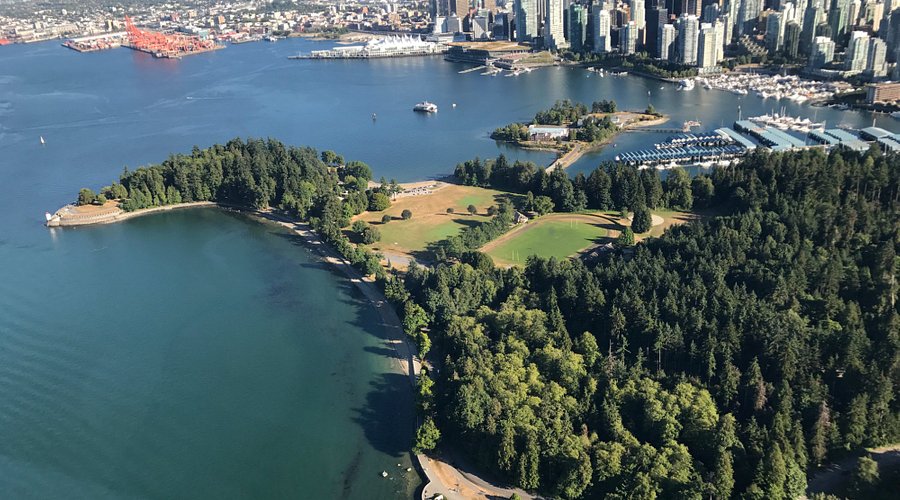
Beautiful view of Stanley Park

Stanley Park

Vancouver, Canada
i

Beautiful view of Stanley Park

Stanley Park stands as a rare green oasis, where forest meets the ocean and city life melts away. This landmark offers a blend of wild spaces, community life, and iconic sights, drawing both first-time tourists and lifelong locals. Nature shapes every view here, but history and culture wait around every curve of the seawall. Whether chasing adventure or quiet moments, visitors can uncover something new with each visit.

Visiting Info

Currency
Entrance fee
Free

Contact Information

Location
Address
Vancouver, BC V6G 1Z4, Canada

Planning your visit

Stanley Park welcomes explorers year-round, but some seasons and times make the visit smoother. While no tickets or reservations are required for general entry, planning ahead helps—especially during warm weekends when crowds arrive early. The park stretches across urban Vancouver, but entry comes easy by foot, bike, bus, or even horse-drawn carriage. Wide paths cater to strollers and wheelchairs. Expect a mix of peaceful corners and busy paths—especially closer to the beaches and the Vancouver Aquarium.

  • Best time to visit: Late spring through early fall for lush foliage and warm days; early mornings for quieter trails.
  • How to get there: City buses stop at the park entrance; parking lots available throughout; easy access for cyclists and pedestrians from the West End and Coal Harbour neighborhoods.
  • Accessibility: Fully paved seawall, wheelchair-friendly trails, accessible restrooms, and family-friendly outdoor play spaces.
  • Average visit duration: At least 2-3 hours; half-day for the full seawall loop or a visit spanning the main attractions.

Must see stuff

Certain sights define a visit to Stanley Park. Giant cedars tower over hidden trails, while the seawall—one of the world’s longest uninterrupted waterfront paths—wraps around the peninsula. From First Nations totem poles to hidden rose gardens, history and nature intertwine across every acre. Whether seeking the thrill of spotting wildlife or a perfect cityscape photo, each corner holds a new discovery.

  • Key sights and features: The iconic Seawall (8.8 kilometers circling the park), Vancouver Aquarium, Lost Lagoon, Brockton Point Totem Poles, Beaver Lake, and the lush Stanley Park Rose Garden.
  • Unique experiences: Horse-drawn carriage rides, Stanley Park Miniature Train, guided Indigenous walking tours offering cultural history and insight, spotting herons and raccoons along quieter trails, and sunset picnics near Third Beach.
  • Photo-worthy locations: Prospect Point for sweeping views of Lions Gate Bridge and Burrard Inlet, Brockton Point Lighthouse, the dense fern forest near Beaver Lake, and the secret hollow tree—a favorite since the early 1900s.
  • Cultural or historical facts: The land has been home to Coast Salish Peoples for thousands of years; several totem poles throughout the park highlight Indigenous artistry and stories. Many features, such as the sea wall, were built during the 20th century, entwined with the city’s history of resilience and growth.

Tips for your visit

Mornings gift calm, especially as the city wakes up with bird calls and soft fog. Equipped with comfortable walking shoes, hydration, and weather-appropriate layers, even first-timers can explore the park’s best features. Bicycles keep travel efficient, although walkers may find side trails offer the quietest escapes. Some popular areas—like the aquarium or totem poles—draw thick crowds after noon. And though wildlife abounds, caution pays off: never feed animals, and watch for fast cyclists along main paths. Light showers occur often in spring and fall, so umbrellas or water-resistant jackets make smart additions.

  • Best times to avoid crowds: Early morning on weekdays; evenings outside summer holidays.
  • What to bring: Camera, water bottle, layered clothing, snacks, sunscreen in summer, umbrella or raincoat in spring or fall, and comfortable shoes.
  • Local etiquette or rules: Stay to the right along the seawall; don’t disturb wildlife; cycling and pedestrian lanes are separated—follow posted signs.
  • Safety or comfort advice: Lock bikes or valuables when stopping; pay attention to weather changes; public washrooms spaced throughout but may have short lines at peak times.