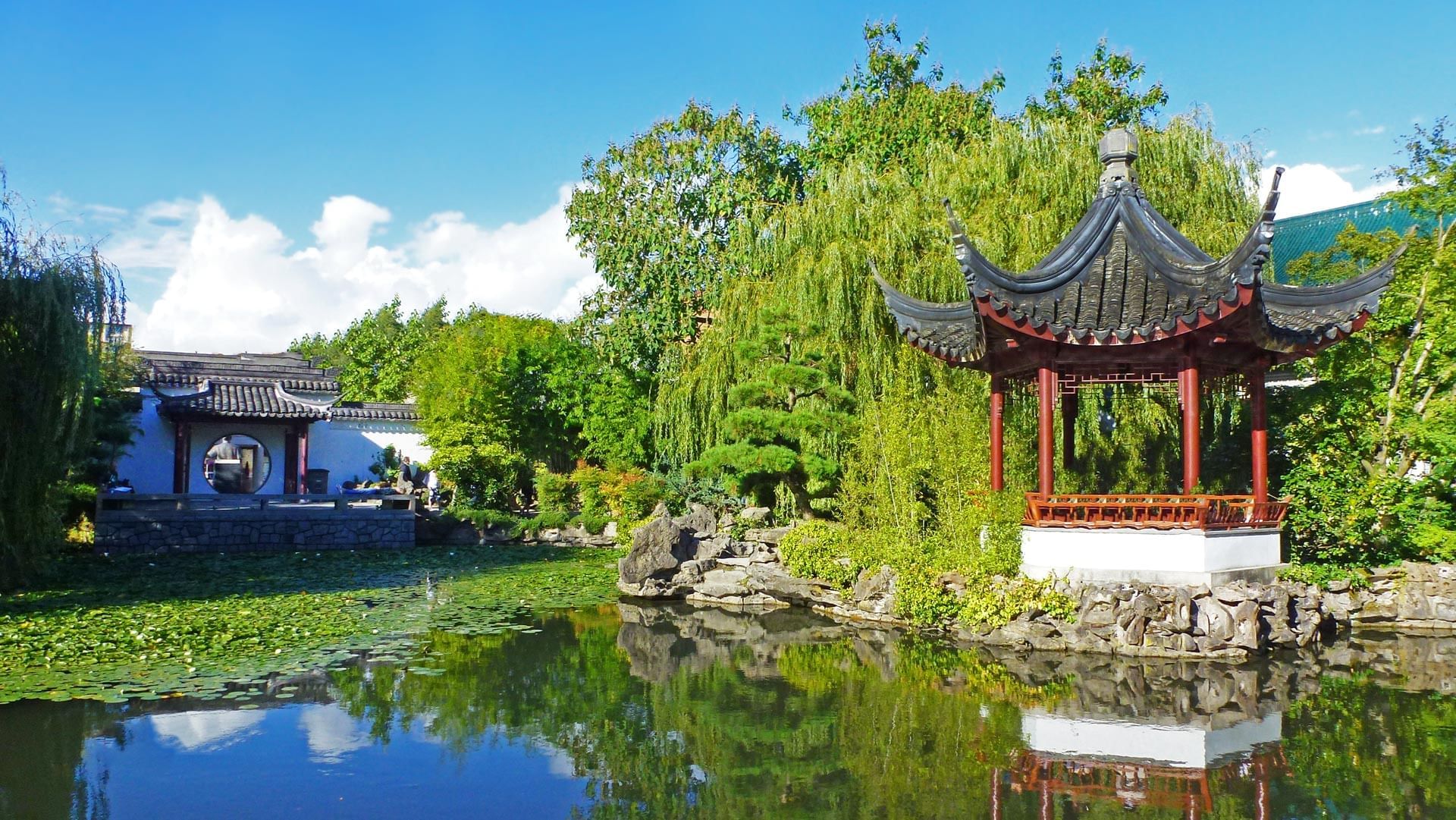
Beautiful view of Dr. Sun Yat-Sen Classical Chinese Garden

Dr. Sun Yat-Sen Classical Chinese Garden

Vancouver, Canada
i

Beautiful view of Dr. Sun Yat-Sen Classical Chinese Garden

Finding tranquility in the middle of a bustling city can sometimes seem impossible. However, the Dr. Sun Yat-Sen Classical Chinese Garden offers a peaceful escape. This walled oasis, built according to the principles of Ming Dynasty design, balances rock, water, plants, and architecture in a way that feels timeless. Stepping inside, visitors are transported beyond urban noise and hurried schedules, into a haven shaped by careful artistry and tradition.

Visiting Info

Currency
Entrance fee
16 CAD
Hours
Opening hours
Monday: Closed
Tuesday: Closed
Wednesday: 9:30 AM – 4:00 PM
Thursday: 9:30 AM – 4:00 PM
Friday: 9:30 AM – 4:00 PM
Saturday: 9:30 AM – 4:00 PM
Sunday: 9:30 AM – 4:00 PM

Contact Information

Location
Address
578 Carrall St, Vancouver, BC V6B 5K2, Canada

Planning Your Visit

Proper planning helps ensure the best experience at Dr. Sun Yat-Sen Classical Chinese Garden. Timing a visit well can make all the difference—early mornings often bring a sense of serenity, while afternoons offer more lively activity. Located in the heart of Vancouver’s Chinatown, the garden is easily reached by transit, bike, or on foot from nearby neighborhoods. Entrances are accessible for those using strollers or wheelchairs, and staff members are ready to assist. During summer weekends or festival dates, expect a livelier crowd. Booking tickets ahead online reduces wait times.

  • Best time to visit: Spring and early summer, or weekday mornings for fewer crowds
  • How to get there: Short walk from Stadium–Chinatown SkyTrain Station; parking garages nearby; bike racks available
  • Accessibility: Paths are mostly wheelchair- and stroller-friendly; restrooms are accessible
  • Average visit duration: Plan for 45 to 90 minutes

Must See Stuff

No two visits to Dr. Sun Yat-Sen Classical Chinese Garden are exactly alike, but several features always stand out. The main pond, reflecting curved bridges and carved latticework, invites lingering. Every stone and plant serves a purpose, from the “leak windows” framing unique views to weathered scholar’s rocks set amid willows and maples. Knowledgeable guides lead walking tours, sharing stories of the garden’s symbolism and history. Special events, such as traditional music performances or lantern festivals, add another dimension for repeat visitors. Smaller corners tucked behind bamboo offer quiet away from the main paths, perfect for sketching, reading, or simply watching the koi.

  • Key sights or features: Jade-green central pond, zigzag bridge, scholar’s rocks, pavilions with intricate woodwork
  • Unique experiences: Tea tastings, guided cultural tours, tai chi mornings, holiday lantern displays
  • Photo-worthy locations: Moon gate entrance, yellow-tiled Hall of One Hundred Rivers, patterned walkways beneath magnolia trees
  • Cultural or historical facts: First full-scale classical Chinese garden built outside China; each element chosen to reflect harmony and balance

Tips for Your Visit

Visiting the garden rewards a slower pace, even when the city outside feels rushed. Early morning brings the softest light and the freshest air. Some areas, like the Tea Room, fill quickly during weekends—arriving before midday often guarantees a quiet seat. Photography is welcomed, but using only handheld cameras—or phones—keeps the atmosphere relaxed. Food isn’t allowed inside the garden, though a picnic can be enjoyed in the nearby park before or after the visit. For families, scavenger hunts and children’s programs add hidden fun. The garden is mostly sheltered from rain, but walking shoes handle occasional puddles best. Staff encourage respectful volume and discourage feeding the koi.

  • Best times to avoid crowds: Weekdays before 11 a.m. or late afternoons
  • What to bring: Water bottle, camera/phone, hat or umbrella, comfortable shoes
  • Local etiquette or rules: Speak quietly, stay on marked paths, no outside food; check event schedules
  • Safety or comfort advice: Some paths can be slippery after rain; keep an eye on children near the water