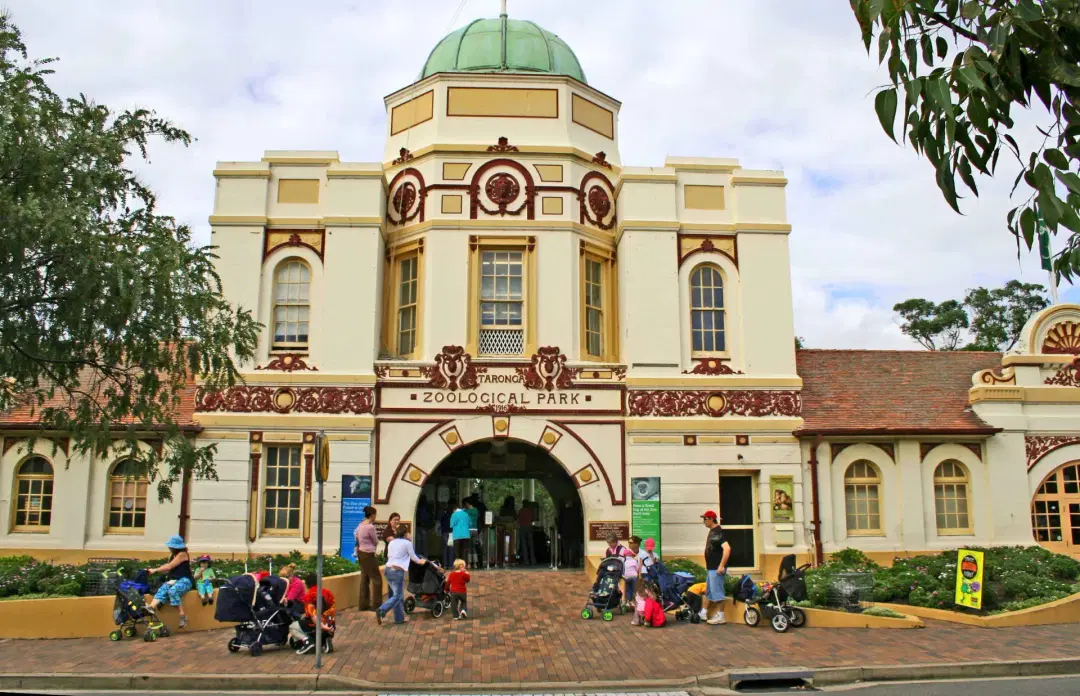
Beautiful view of Taronga Zoo

Taronga Zoo

Sydney, Australia
i

Beautiful view of Taronga Zoo

On a gentle slope by the harbor’s edge, wild calls echo above polished paths as curious faces meet the eyes of real kangaroos and Sumatran tigers. Here, nature and city energy blend—Taronga Zoo delivers up-close wonders of wildlife, rare glimpses of conservation in action, and panoramic Sydney views that linger with visitors long after the day is done.

Visiting Info

Currency
Entrance fee
51 AUD
Hours
Opening hours
Monday: 9:30 AM – 5:00 PM
Tuesday: 9:30 AM – 5:00 PM
Wednesday: 9:30 AM – 5:00 PM
Thursday: 9:30 AM – 5:00 PM
Friday: 9:30 AM – 5:00 PM
Saturday: 9:30 AM – 5:00 PM
Sunday: 9:30 AM – 5:00 PM

Contact Information

Location
Address
Bradleys Head Rd, Mosman NSW 2088, Australia

Planning your visit

Taronga Zoo draws crowds for good reason—a world-class collection of animals, award-winning programs, and a dramatic, leafy setting above Sydney’s dazzling water. Advance planning helps travelers make the most of the zoo’s varied trails, exhibits, and showtimes. Public ferries drop visitors at the lower entrance, while a cable car, the Sky Safari, glides overhead, offering a memorable arrival with sweeping city views. Paths through the zoo slope gently but consistently uphill, so comfort and timing matter. Book online during weekends and school holidays, as local families flock here and tickets can sell out quickly. Cooler months or early mornings reveal animals at their most active.

  • Best time to visit: Early morning or late afternoon; weekdays outside school holidays; mild seasons (spring or autumn) for comfortable weather and active animals.
  • How to get there: Ferry from Circular Quay (12 minutes, most scenic); bus from Sydney’s north shore; limited parking available onsite (fees apply).
  • Accessibility: Most paths are stroller and wheelchair-friendly; courtesy shuttle available from lower to upper entrance; accessible bathrooms are well-marked.
  • Average visit duration: 4 to 6 hours for most exhibits and shows; allow full day for a relaxed pace or experiences like behind-the-scenes tours.

Must see stuff

Taronga Zoo spreads out across multiple themed precincts, each holding its own signature experiences. In sanctuary-like enclosures, koalas clutch gum trees within arm’s reach. Under canopies of towering gums, tree kangaroos and echidnas roam. Beyond the classic walk-through animal trails, there are immersive habitats, keeper talks, and memorable close-up encounters. Not everything is on the main trail—little nooks invite discovery for sharp-eyed visitors. Whether snapping a skyline photo from the Asian Elephant paddocks or gasping at seal acrobatics, every turn reveals fresh excitement.

  • Key sights or features: The Great Southern Oceans Zone (home to seals, sea lions, penguins); Sumatran Tiger Trek (with glass tunnels and forested lookouts); Australian Walkabout (for platypus, kangaroos, emus, and cassowaries); Kids’ Trail (petting zoo and mini-adventures).
  • Unique experiences: Sky Safari cable car ride; Animal Encounters (meet a meerkat or a giraffe for an extra fee); behind-the-scenes keeper tours (book ahead).
  • Photo-worthy locations: Main entrance with iconic giraffe enclosure and Sydney’s Opera House on the horizon; Lemur Forest Adventure bridge; viewpoint by the elephant habitat.
  • Cultural or historical facts: Taronga opened in 1916, designed as a pioneering “open-air” zoological park. Local Aboriginal narratives are woven into signage, talks, and artworks—listen for stories of bush and water, land and animal kinship.

Tips for your visit

With steep hills, variable weather, and excitement at every turn, Taronga rewards smart preparation. While much of the zoo is shaded by mature trees, some open spaces can grow hot and bright midday—sun hats and plenty of water are wise. Lines for keeper talks or boat trips swell during holidays, but arrive early and the spaces are yours. Prices at cafes tilt high, so bringing snacks or a picnic blanket works well. Attentive signage means visitors can linger quietly by shy animals without disturbing them—just follow posted etiquette and resist tapping glass. With so much running, climbing, and gawping, kids often leave exhausted but happy.

  • Best times to avoid crowds: Before 10:30 am or after 2:30 pm, especially on weekdays.
  • What to bring: Walking shoes, water bottle, camera, sunscreen, and a hat. Wet weather throws up new animal behaviors, so pack a light rain jacket just in case.
  • Local etiquette or rules: No feeding or tapping on glass; quietly observe keeper presentations; dispose of snacks properly to protect habitats.
  • Safety or comfort advice: Some exhibits include play spaces with water or sand—plan for messy clothes in younger kids. Rest regularly on benches with the views—some hills can challenge tired legs.