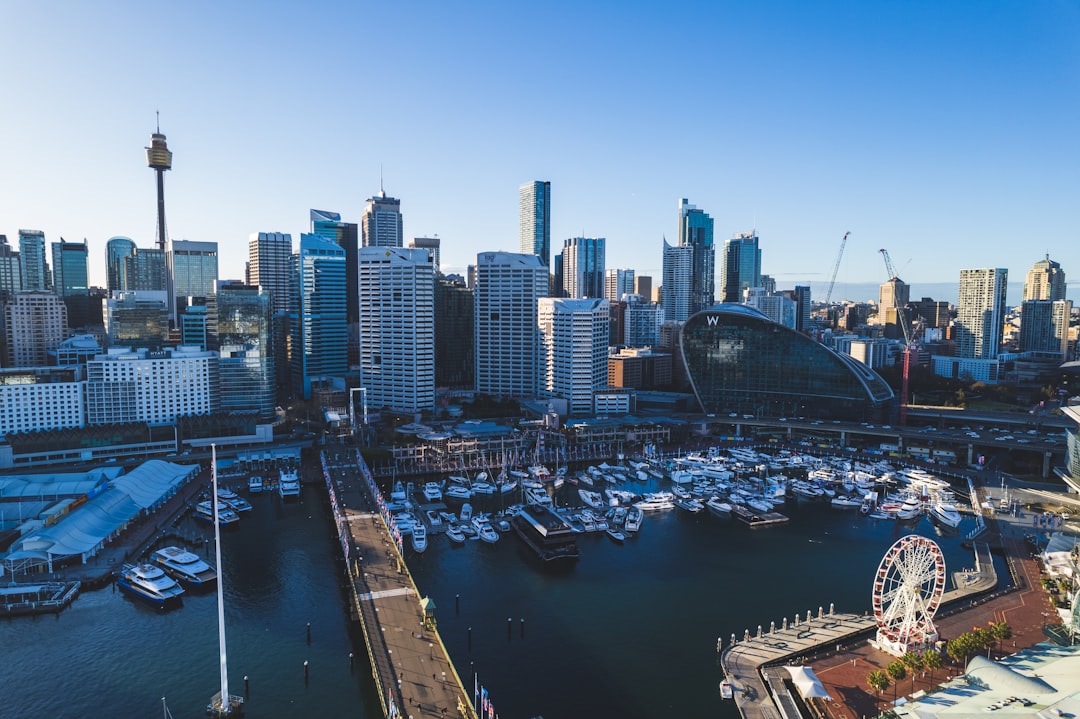
a city with many boats in it
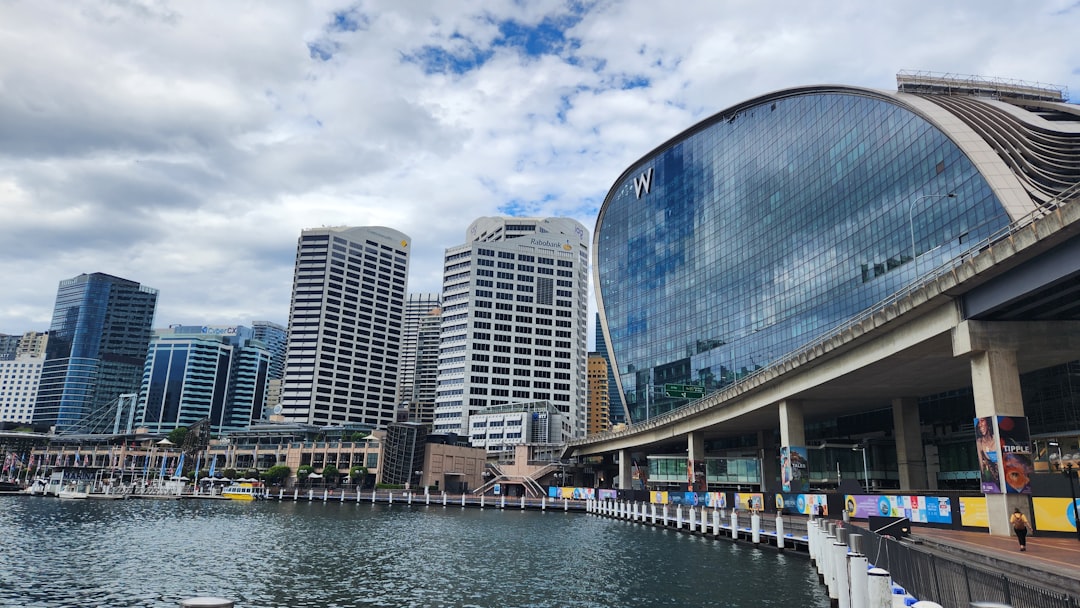
a large building with a glass roof

Darling Harbour

Sydney, Australia
i

a city with many boats in it

Photo by Martin David

Darling Harbour buzzes with life, a waterfront heart where tall buildings meet sparkling blue water and kids laugh at the edge of fountains. From gleaming museums to open-air cafés, the area manages to be both world-famous and deeply local. On weekends, music drifts through the air above street performers, and by sunset, the boardwalk is awash in light. Vibrant yet welcoming, Darling Harbour offers something for everyone—from families with strollers to foodies and culture lovers—all within a few easily explored blocks.

Visiting Info

Currency
Entrance fee
Free

Contact Information

Location
Address
Sydney NSW 2000, Australia

Planning your visit

Planning a trip to Darling Harbour requires only a little preparation, but visitors will benefit from knowing the best times to arrive and how to get around. Sydney’s public transit system and several pedestrian walkways make reaching Darling Harbour simple, and the area is compact enough to explore on foot. Attractions fill quickly during school holidays, and weekends bring crowds, especially by mid-day. Arriving early or visiting on a weekday gives a more relaxed experience. For those who value accessibility, ramps and elevators provide step-free access across the area.

  • Best time to visit: Mornings on weekdays, or late afternoons for sunset views; spring (September–November) and autumn (March–May) offer mellow weather.
  • How to get there: Light rail to Pyrmont Bay or Convention stops, ferries dock at Darling Harbour wharves, or a pleasant 10-minute stroll from Town Hall station; parking is available but pricey.
  • Accessibility: Wheelchair and stroller-friendly paths connect most attractions; accessible restrooms throughout the precinct.
  • Average visit duration: 3 to 5 hours if touring icons, or all day for dining, shopping, and museums.

Must see stuff

In just a few blocks, Darling Harbour offers a surprising mix of grand sights and hidden corners. From towering playgrounds to underwater worlds, the waterfront blends sleek modernity with a playful spirit. Tall ships and historic paddle steamers sometimes glide past towering tourist ferries, while enthusiastic guides at museum exhibits share stories of Sydney’s past. Photographers find inspiration in twinkling city lights, and kids sprint beneath interactive water fountains, squealing in delight.

  • SEA LIFE Sydney Aquarium: Walk through glass tunnels beneath sharks and rays; over 700 species live here, from leafy sea dragons to enormous dugongs.
  • Australian National Maritime Museum: Board a real warship, explore a full-sized submarine, or discover the history of First Nations seafaring.
  • Chinese Garden of Friendship: Step into a tranquil retreat with bubbling waterfalls, koi ponds, and hidden pavilions.
  • Darling Quarter Playground: An adventure hub for kids, featuring climbing towers, slides, and splash zones.
  • Hidden gems: Pop into Harbourside Shopping Centre’s smaller art galleries, or grab a bite from a tucked-away food truck near Tumbalong Park.
  • Photo-worthy spots: Pyrmont Bridge’s wooden planks frame city views, sunset from the ICC Sydney steps, or night-time alongside the Light Walk installations.
  • Cultural facts: Once a busy docklands, Darling Harbour transformed during Australia’s bicentenary in 1988; today it remains a gathering spot for annual festivals like Vivid Sydney.

Tips for your visit

Darling Harbour rewards travelers who come prepared. Some attractions get crowded fast—especially the aquarium and playground—so starting early means shorter lines. Sunlight can be intense by the open water, and rain showers roll through quickly, so flexible clothing helps. Walking shoes matter; most attractions are closer together than they look but require plenty of steps between. Cafés and food stalls fill up at lunchtime, so booking ahead at sit-down restaurants or packing snacks often saves time. Street performances and outdoor seating bring energy but can create noise—families with young children may find quieter corners in the Chinese Garden or on Pyrmont Bridge. Entry fees are reasonable, though special events or blockbuster museum exhibits occasionally raise prices.

  • Best times to avoid crowds: Early mornings (especially mid-week), late afternoons outside summer holidays.
  • What to bring: Refillable water bottle, sunscreen, comfortable walking shoes, hat for shade, camera or smartphone.
  • Local etiquette: Respect no-smoking and no-alcohol zones outdoors, especially near playgrounds and the garden.
  • Safety and comfort: Keep an eye on children by the water and busy walkways, be prepared for sudden changes in weather, and take breaks in shaded spots.