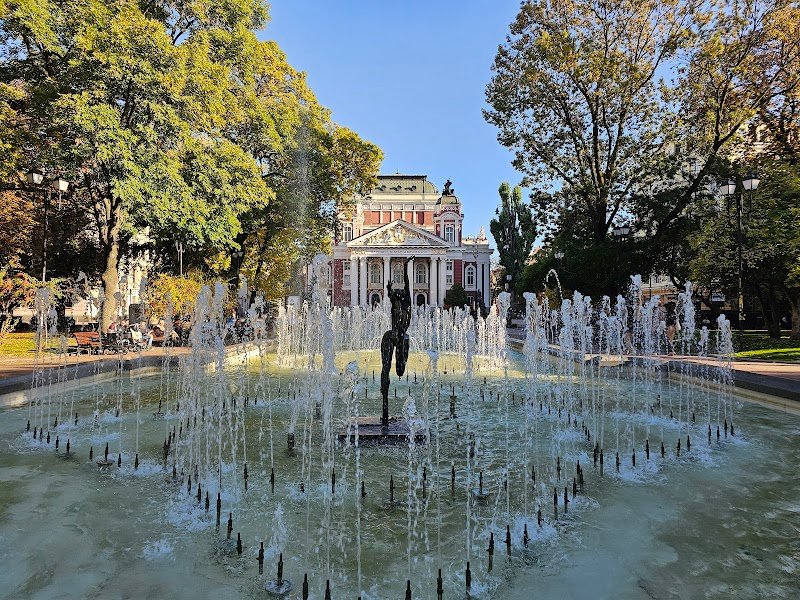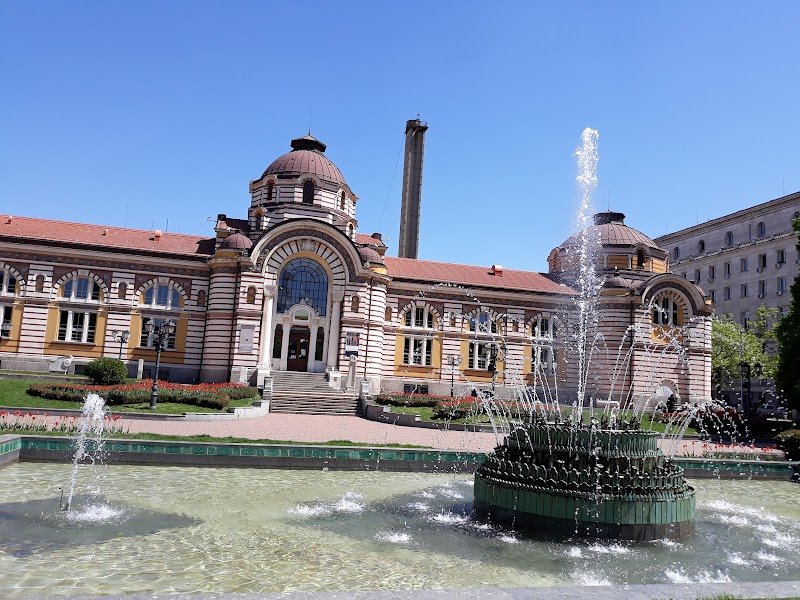
The Regional History Museum of Sofia presents an inviting entry point into Bulgaria’s past. Inside this city landmark, visitors discover the stories shaping the nation, from Thracian roots to postwar hopes. In grand halls and quiet corners, artifacts form a bridge between centuries—the everyday objects and royal treasures that guided Sofia’s journey. One glimpse of the gleaming mineral water fountains outside, with locals pausing for a quick sip, hints at the museum’s layers of cultural life. Yet, it is the slow walk through its vibrant exhibitions that best illuminates the rich and surprising details of this capital’s history.

Visiting Info

Currency
Entrance fee
8 BGN
Hours
Opening hours
Monday: Closed
Tuesday: 10:00 AM – 6:00 PM
Wednesday: 10:00 AM – 6:00 PM
Thursday: 10:00 AM – 6:00 PM
Friday: 10:00 AM – 6:00 PM
Saturday: 10:00 AM – 6:00 PM
Sunday: 10:00 AM – 6:00 PM

Contact Information

Location
Address
Old City Center, pl. “Banski“ 1, 1000 Sofia, Bulgaria

Planning your visit

Visiting the Regional History Museum of Sofia requires just a bit of planning. The museum sits at the heart of the city, housed in the restored Central Mineral Baths building, easily reached on foot or by public transport. The busiest days fall on weekends and local holidays, when school groups and curious travelers fill the exhibits. Early mornings or late afternoons typically mean quieter galleries, leaving more space for reflection and photos. Entry tickets are affordable, but guided tours may cost a little extra. Most exhibitions come with English explanations, though some deeper stories unfold only with a guide or a bit of curiosity. The main entrance and exhibits are stroller and wheelchair accessible, although some side corridors feel narrow during busy hours.

  • Best time to visit: Weekdays (especially Tuesday-Thursday), early morning or late afternoon
  • How to get there: Metro to Serdika station, tram (lines 4, 12, or 18), or a 10-minute walk from main boulevards
  • Accessibility: Wheelchair and stroller access, ramps for seniors; family friendly
  • Average visit duration: 1-2 hours for main displays, up to 3 hours for deeper exploration
Must see stuff

Leafing through the museum’s galleries, certain stories and sights stand out. Under the grand mosaic ceiling, centuries pass in a series of colorful rooms—for history fans and curious newcomers alike. The mineral springs at the entrance, with a gentle steam and groups of locals collecting water, create a lively introduction. Inside, intricate jewelry and coins display the golden touch of Sofia’s Thracian and Roman ancestors. A detailed diorama of ancient Serdica, the city’s original settlement, pulls visitors back to the time of emperors. Don’t miss the preserved Ottoman-era baths, a quiet spot where stone, light, and echoes form a living memory. Seasonal exhibitions reveal new angles on Sofia’s Communist era, the Jewish community’s legacy, and family life over centuries. For hands-on learning, check for craft workshops and museum days with live demonstrations.

  • Key sights: Thracian gold treasures, Serdica diorama, Ottoman-era bath halls, rare photographs and maps
  • Unique experiences: Locals collecting mineral water outside, hands-on crafts, and storytelling events
  • Photo-worthy locations: Grand mosaic foyer, colorful mineral spring fountains, Ottoman arches and tiled interior domes
  • Cultural facts: The building itself, once a community bathhouse, connects daily life and public ritual—reminding visitors of Sofia’s ties to water, health, and gathering places

Tips for your visit

A few practical strategies can turn a good visit into a great one. The museum tends to fill with groups around midday, especially during school terms. Solo explorers often find peaceful corners in the early morning or near closing. Photography is permitted without flash, so bring a camera or phone for the beautiful mosaic details and quirky historical objects. The mineral water outside is safe to taste, but does have a unique, slightly sulfurous flavor—try it if you’re feeling brave. While the museum café offers coffee and sweets, there are better local bakeries five minutes away in the Serdika neighborhood. Staff welcome conversation and are happy to point visitors to favorite artifacts, though English is spoken at varying levels. Most exhibitions are heated in winter and cool in summer, but a light sweater can be useful. Expect a few worn corners inside the historic building—one small price for the atmosphere of real history.

  • Best times to avoid crowds: Tuesdays and Thursdays, within an hour of opening or closing time
  • What to bring: Camera or phone for photos, refillable water bottle, light sweater or jacket
  • Local etiquette: Keep voices low, avoid flash photography, respect mineral spring lines, ask before touching interactive displays
  • Safety and comfort: Floors are smooth but can be slippery when wet—wear comfortable shoes; some benches are available throughout for resting

Similar Attractions

Regional History Museum of Sofia – Tickets, Hours & Visitor Guide