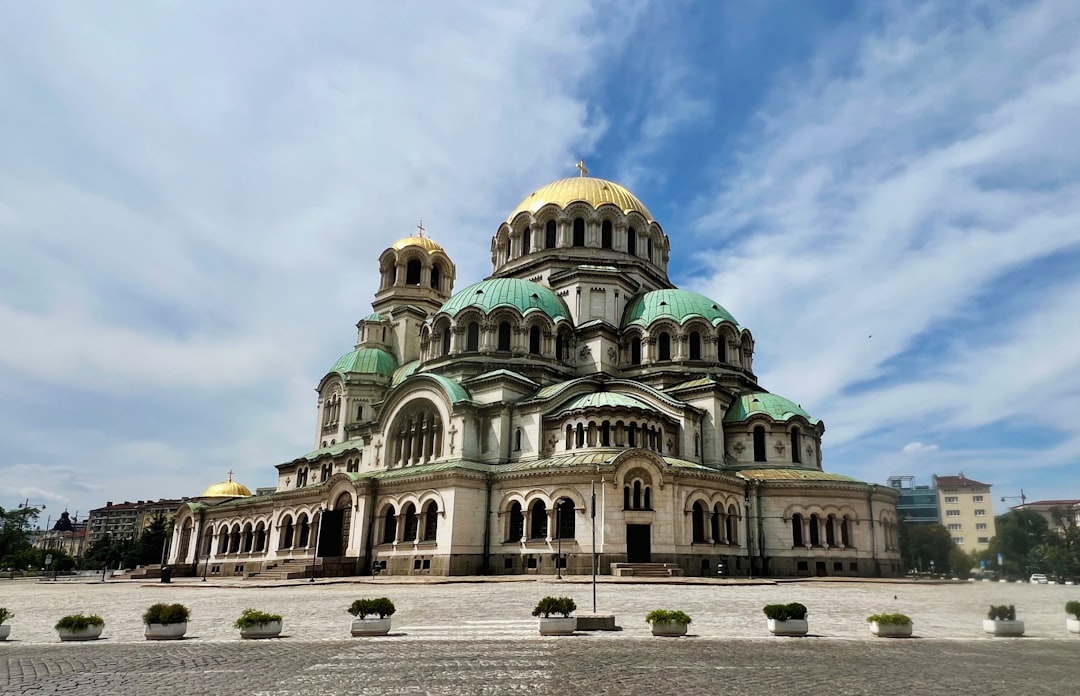
A large building with a green roof and gold domes
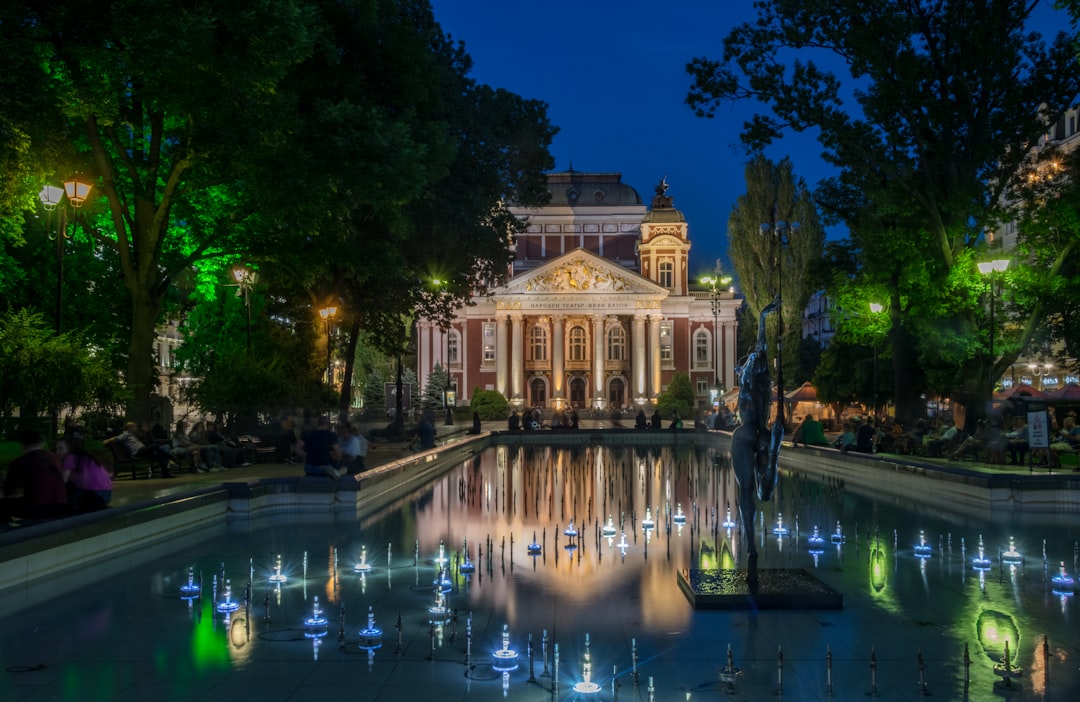
brown mansion house near rectangular swimming pool surrounded with tall and green trees during night time
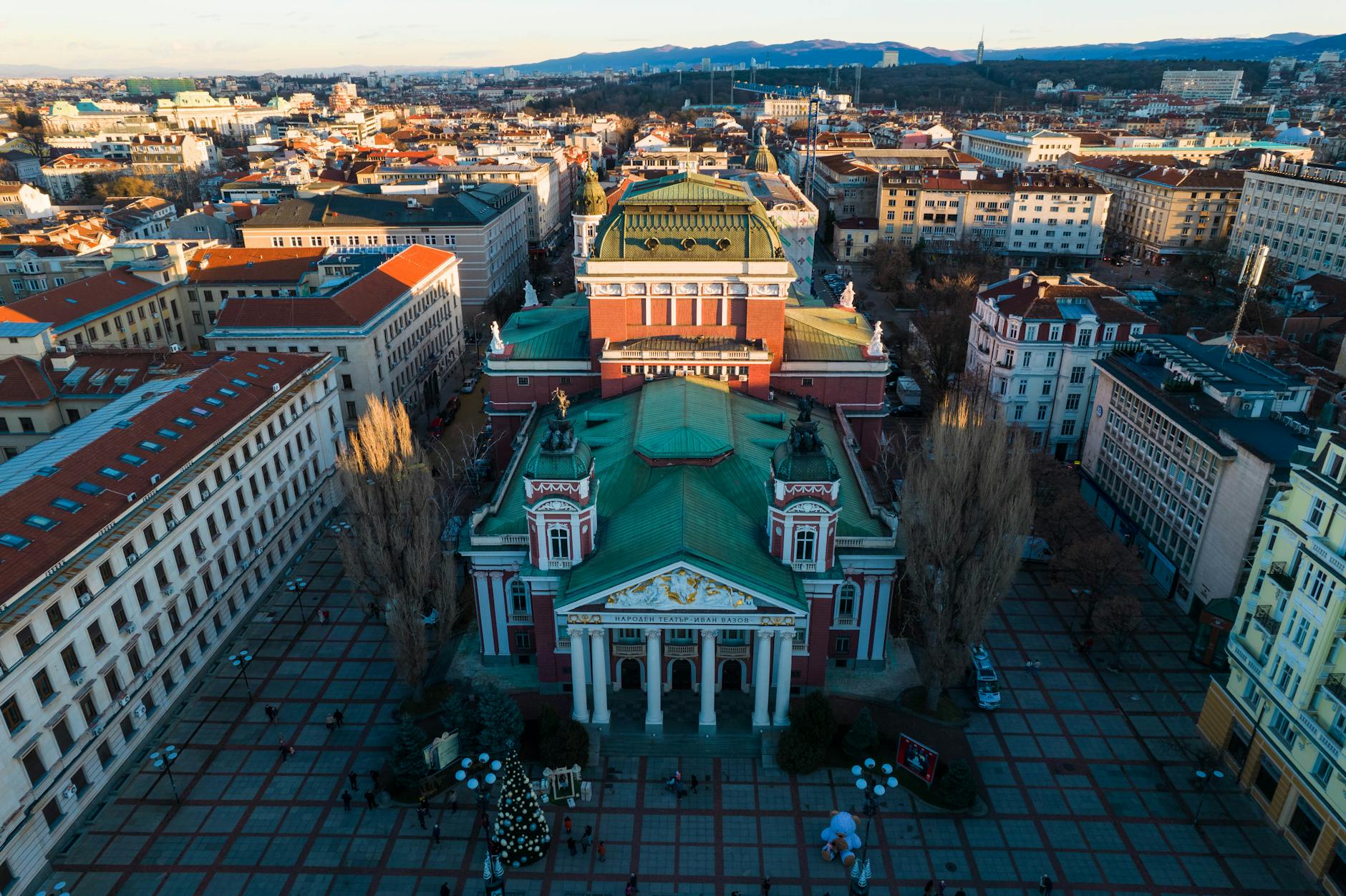
Stunning aerial view of Ivan Vazov National Theater and surrounding Sofia cityscape.
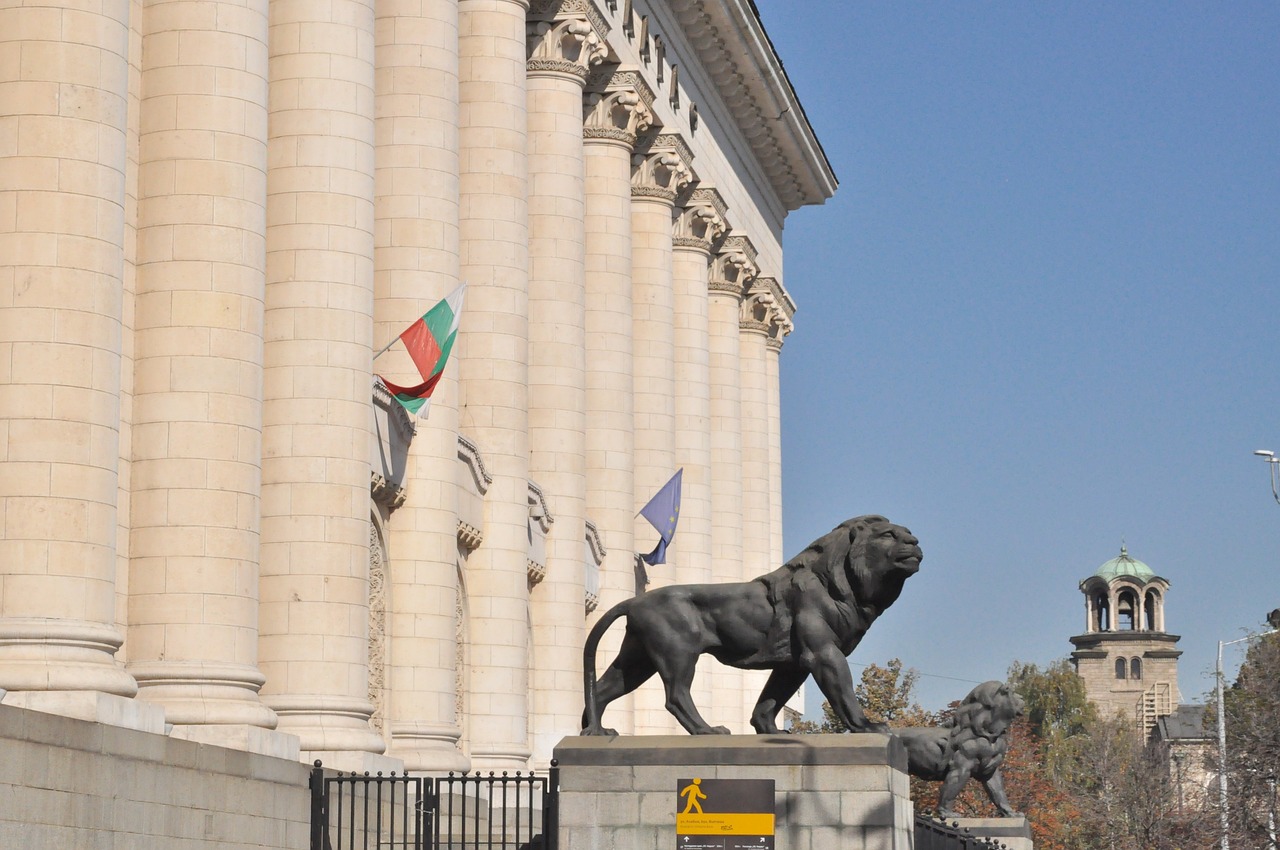
parliament, bulgaria, sofia, monument, bulgaria, bulgaria, sofia, sofia, sofia, sofia, sofia

Sofia

Bulgaria
Art & ArchitectureUrban HighlightsReligious & SpiritualCulturalHistorical
i

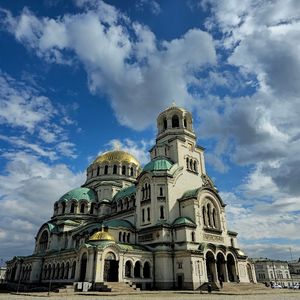
A large building with a green roof and gold domes

Photo by JOGphotos

Sofia wakes up with the scent of roasted chestnuts and strong, black coffee. Vitosha Boulevard hums with life: buskers play folk tunes, shoppers weave through café tables. Beyond the buzz, the mountain rises, close enough to touch on a clear day. Climb to Boyana Church for centuries-old frescoes in cool, dim light. In Kapana, murals splash colour on brick walls, and tiny bars serve craft rakia. Markets brim with honey, spices, and vine-ripened tomatoes that taste like summer. Trams rattle past faded facades, graffiti mixing with history. At dusk, the city softens: golden light on cobblestones, laughter spilling from courtyard restaurants. Sofia balances its edges — lively, raw, and unexpectedly warm.

Quick Facts

currency
BGN
languages
Bulgarian
airports
Sofia Airport
size
Large City
power
Type C, Type F
timezone
Eastern European Time (EET) UTC+2, Eastern European Summer Time (EEST) UTC+3 in summer
safety
Safe
costs
Cheap

General Information

Safety indexSofia is generally considered a safe destination for travelers, with a safety index rating of around 75 out of 100. Petty crimes such as pickpocketing can occur, especially in crowded areas and public transportation, but violent crime is rare. Standard precautions are advised, especially at night.

Best Time to TravelThe best time to visit Sofia is from late spring to early autumn (May to September). The weather is pleasant and there are many cultural events and festivals during these months.

Least crowded and still a good time to visitFor fewer crowds and still nice weather, visit during the shoulder seasons – late April to early June or September to early October. Tourist numbers are lower, but attractions and restaurants remain open.

BudgetSofia is one of Europe's more affordable capitals. A daily budget of $40–$80 USD covers mid-range accommodation, public transport, meals, and some entrance fees. Hostels and budget hotels start at around $15–$25 USD per night.

Healthcare and VaccinationsSofia has good healthcare facilities including private and public hospitals. Pharmacies are widespread and many staff speak English. No special vaccinations are required for entry, but it’s recommended to have standard vaccines like tetanus, measles, and influenza up to date. EU travelers should carry an EHIC card; others should have travel insurance.

Visa RequirementsBulgaria is part of the EU but not the Schengen Area. Citizens of the EU, EEA, and several other countries (including the US, UK, Canada, Australia, Japan) can visit visa-free for up to 90 days. Others may require a Bulgarian visa. Passports should be valid for at least 3 months beyond the intended stay.

Weather in Sofia

°C°F
3493
2374
1355
235
-916
Jan
Feb
Mar
Apr
May
Jun
Jul
Aug
Sep
Oct
Nov
Dec
3020100
Avg. min. temperature
Avg. max. temperature
Avg. precipitation days

First-time travelers

Many cities boast history, but Sofia wears its layers on every street—sometimes literally. For first-timers, the Bulgarian capital’s mix of Roman ruins, Ottoman relics, and Soviet monuments isn’t just a backdrop. It commands your senses, quietly challenging expectations at every turn.

The first impression can be humility. Wide boulevards anchored by St. Alexander Nevsky Cathedral shimmer with light even at dusk, domes glowing bravely against pastel skies. Air hums with conversation in Macedonksa, where locals linger over thickened coffee and syrupy banitsa straight from the bakery. Look for the aroma—cheese, butter, a tinge of yeast. Listen to vendors swap jokes as they stack tomatoes in Women’s Market, a place richer with laughter than postcards ever reveal.

Starting Your Sofia Story

In Sofia, the shift from old to new is constant. Walk down Vitosha Boulevard’s swanky shops—a few steps, then Roman brick pavements, then sculptures splashed with spray paint. The city’s old yellow cobblestones, a legacy from Austro-Hungarian days, trip up distracted visitors. Consider them a rite of passage. Each corner holds a contrast.

Skip the guidebook’s top list, if you can. Spend dusk strolling Borisova Gradina Park. Sparrows flicker above chess players lost in fierce silence. Or try Mediteraneo, tucked near Doctor’s Garden, for fresh trout with dill—served with confident simplicity, always better with local Mavrud wine.

Quick Tips for Your First Sofia Visit

  • Order mekitsi for breakfast at The Little Things—hot, sweet, unforgettable.
  • Slip into the Regional History Museum baths for a hint of old spa traditions.
  • Ride tram #5 from Knyazhevo station for city views; mingle with students and pensioners.
  • Pay attention to church interiors—frescoes in Boyana Church reveal centuries of faith and time.

Let Sofia surprise you. Its spirit rarely shows in glossy brochures, but every street corner offers a new layer of belonging. The real city always sits one step beyond expectation.
Return travelers

Sofia’s first encounter trades on grandeur—but repeat visits find their magic in subtleties. Once the surprise fades, patterns emerge and the city’s quieter soul comes alive. For return travelers, routine becomes revelation.

With tourist rounds complete, mornings slow down. The city, unhurried outside the main squares, opens up with gentle rhythm. Try ruska zakuska (Russian breakfast) at a neighborhood café—bread, butter, sometimes fried egg. Sunlights glints on tiled roofs in Lozenets. Fewer maps. More time to observe how moss gathers on crumbling stones near the Elephant Bookstore, where tucked-away reading nooks whisper secrets in afternoon light.

Digging Deeper Into Local Life

Set aside big sights. Instead, catch Friday-night screenings at Odeon Cinema—clutch paper tickets, settle among seasoned locals. Or taste rakia at Raketa Rakia Bar, where retro radios line the walls and every drink comes with a story. Abandoned tram depots now house artists’ collectives, and in the hidden courtyards behind Sofia University, you’ll hear violin music drifting from makeshift rehearsals.

For Your Next Sofia Adventure

  • Follow the mural trail in Hadzhi Dimitar—join street artists for glimpses of daily life.
  • Eat potato patatnik at Pri Yafata, a dish found mostly in the Rhodope region but beloved here.
  • Relax at Kambanite Park, far from city rush, where bells echo childhood memories.
  • Swap coffee for ayran at street kiosks—refreshing, tangy, perfect on hot afternoons.

Returning to Sofia isn’t repetition—it’s reinvention. Every street offers new stories if you step aside from old routes. Curiosity is always rewarded here. Layer by layer, Sofia reveals its gentle, soulful self. Seasoned travelers know: comfort and adventure share the same table in Bulgaria’s capital.

Must-see locations

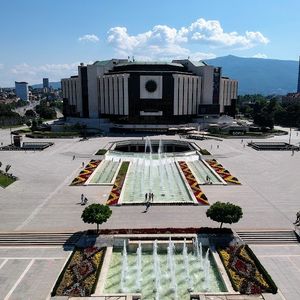
National Palace of Culture Park

Lively green lawns and fountains frame the grand National Palace of Culture, where locals picnic, skateboard, and join outdoor concerts. Art displays, playful playgrounds, and mountain views turn each visit into a vivid Sofia experience.

Learn More
Google Places photo
i

Google Places photo

Photo by Diana Sofia

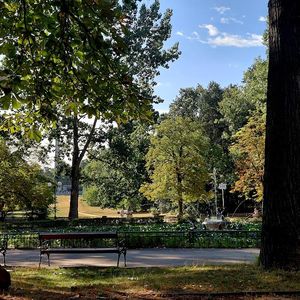
Borisova Gradina Park

Strolling through Borisova Gradina Park in Sofia, you’ll find tree-shaded paths, blooming gardens, and views of Vitosha Mountain. Play soccer at the historic stadiums or relax by the Lake Ariana. Perfect for picnics and open-air concerts.

Learn More
Google Places photo
i

Google Places photo

Photo by jan g

Patriarchal Cathedral St. Alexander Nevsky

The Patriarchal Cathedral St. Alexander Nevsky in Sofia draws visitors with massive gilded domes, centuries-old icons, and choir performances. Explore nearby cobblestone streets, vibrant local cafés, and sweeping city views.

Learn More

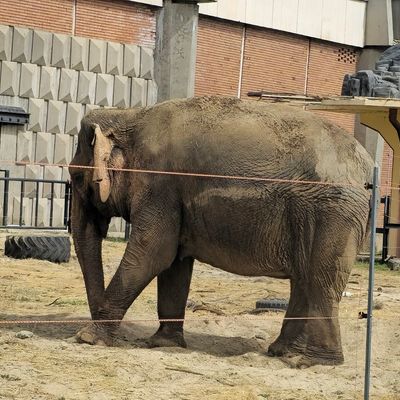
The Sofia Zoo

Sofia Zoo in Bulgaria blends peaceful green spaces with lively animal habitats. Kids enjoy feeding farm animals and watching playful monkeys, while adults admire rare birds and historic enclosures first opened in 1888. Great for families.

Learn More
Google Places photo
i

Google Places photo

Photo by Rob Hall

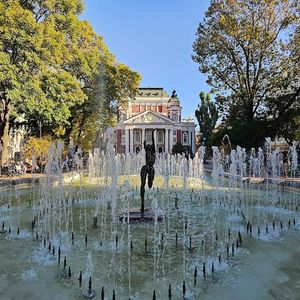
The City Garden

In the heart of Sofia, the City Garden blends blooming flowers with shady paths, lively chess games, and open-air art shows. Locals sip coffee near the Ivan Vazov National Theater, surrounded by rose beds and ancient linden trees.

Learn More

How to get there

By air

Sofia International Airport (SOF) is the main gateway to Sofia and Bulgaria, with direct flights from many European cities and some intercontinental connections. The airport is located about 10 km east of the city center and is well-connected by public transport and taxi.
Options to get to town:
Taxi
Price:
Approx. 20-30 BGN (10-15 EUR)
Duration:
20-30 min
Where to buy:
Official taxi stands at Terminal 2 arrivals (OK Supertrans counter)
Airport bus
Price:
1.60 BGN (about 0.80 EUR)
Duration:
30-40 min
Where to buy:
Ticket machines at the bus stop or from the driver
Metro (subway)
Price:
1.60 BGN (about 0.80 EUR)
Duration:
20-25 min to city center
Where to buy:
Ticket machines at Metro station entrance (Terminal 2)

By train

Sofia Central Railway Station is the main hub for domestic and international rail travel. Trains from neighboring countries such as Serbia (Belgrade), Greece (Thessaloniki), Turkey (Istanbul), and Romania are available, though schedules and speeds may vary.
Useful websites for train tickets:

By car

Sofia is accessible by well-maintained roads and highways from neighboring countries. The approach from the west (Serbia), south (Greece), east (Plovdiv, Black Sea), and north (Romania) is straightforward. EU citizens and most visitors can drive with a valid license.
Additional charges to be aware of:
Toll / vignette
Cost:
Electronic vignette for cars: 15 BGN (7 day), 30 BGN (monthly), 97 BGN (annual)
How to pay:
Online at https://www.bgtoll.bg/, at border crossings, gas stations
Other driving costs
Cost:
Parking: usually 2 BGN/hour in city center zones; fuel (approx. 2.80 BGN/liter)
How to pay:
Parking: on-street meters, SMS, or parking garages. Fuel: gas stations.

How to get around

Public transport

Public transport in Sofia is comprehensive and consists of metro, trams, buses, and trolleybuses. The Sofia Metro connects key parts of the city, including the city center, airport, and various neighborhoods. Trams and buses offer extensive coverage, running frequently throughout the day. Public transport is a reliable and budget-friendly way to explore the city.

Ticket options:
Ticket TypePriceWhere to buy
Single ticketBGN 1.60Kiosks at metro stations, ticket machines, or directly from bus/tram drivers
Day passBGN 4.00Kiosks, ticket machines, or Urban Mobility Center offices

Taxis & ridesharing

Taxis & ridesharing are widely available and convenient for door-to-door travel, especially late at night or when public transport is less frequent. Official taxis are yellow and clearly marked. Ridesharing apps are popular and often offer English-language support.

Service providers:
ProviderPriceHow to book
Local taxiAround BGN 1.15/km, starting fare from BGN 1.54Taxi stands, by phone, or hailing on the street
Ridesharing appVaries by distance and demandApps like Bolt

Car rental

Car rental is an option for those wanting to explore areas outside Sofia or the surrounding countryside. However, traffic and parking can be challenging in the city center. Rentals are available from major providers at the airport and in the city.

Rental options:
ServicePriceHow to book
Daily rentalStarting from BGN 40 per dayMajor rental agencies at the airport or downtown offices
Weekly rentalFrom BGN 250 per weekMajor rental agencies

Bike & scooter rental

Bike & scooter rental services are available for eco-friendly and flexible transport, especially in the city center and parks. Rentals are suitable for short trips and sightseeing.

Rental options:
ServicePriceHow to book
Bike rentalAround BGN 10 per dayBike shops and rental kiosks in central areas
Scooter rentalFrom BGN 0.50 per minuteApps like Hobo or scooters available on the street

What to eat

The first aroma hits just after sunrise. Bread, still warm from the oven, mingles with the sharp tang of brined cheese. Sofia's food markets come alive early. Vendors toss sunflower seeds into open palms. Long tables groan under the weight of pastry and fresh fruit. Here, eating is not a sideshow—it’s a daily ritual, shaped by generations and seasons. Each bite connects past and present. Sofia rewards the hungry traveler with hearty flavors and surprising finesse.

Signature Dishes

  • Banitsa: Flaky filo pastry, layered with salty white cheese and eggs. Usually eaten hot for breakfast. A taste of home for many Bulgarians.
  • Shopska Salad: Chopped tomatoes, cucumber, onions, and roasted peppers, piled high and finished with grated sirene cheese. Cool, crisp, and perfect for warm evenings.
  • Kebapche: Spiced minced meat, shaped into sausages and grilled over smoky coals. Served with fries and fiery lutenitsa (pepper relish).
  • Tarator: Chilled yogurt soup laced with cucumbers, dill, garlic, and walnuts. It's summer in a bowl—refreshing on hot days.

Street Food & Markets

Locals snack on banitsa from busy street kiosks as they rush to work. In the city center, Zhenski Pazar (Women’s Market) overflows with color and sound. Heaped piles of cherries, dried herbs, and cheeses invite bargaining. Look for stalls grilling mish-mash, a pepper-egg scramble, or selling homemade lyutenitsa by the jar. Stand among the regulars and try pljeskavica, a pepper-laced burger with tangy pickles. Expect crowds at lunch, but the bustle is half the fun.

Sweet Treats & Drinks

Every bakery window glows with baklava, syrup-soaked and nutty. Try the soft, rose-scented kozunak during festivals. Locals sip boza, a fermented wheat drink, or chilled ayran, a salted yogurt shake. Finish meals with a tiny, strong coffee or a shot of rakia. Sweet, savory, then sharp—a true Sofia flavor sequence.

Why Travelers Eat Here

  • Distinct blend of Balkan, Ottoman, and Mediterranean flavors in every dish.
  • Vibrant, bustling markets full of fresh produce and traditional snacks.
  • Pockets of authentic, family-run restaurants tucked in historic neighborhoods.
  • Affordable eats compared to Western capitals, even at popular venues.

Sofia’s tables reveal its true soul. Lively, generous, and proudly layered with heritage. A meal here never feels hurried—it’s a chance to savor the city, one forkful at a time.

Top Rated Restaurants

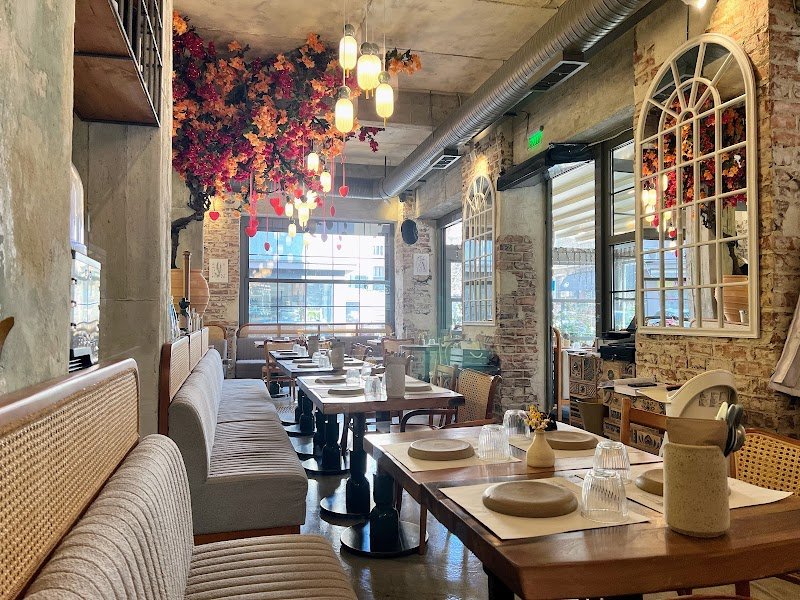
Vita Rama Vegan Restaurant

Vita Rama Vegan Restaurant

4.8 (1.1k reviews)
$$
LocationOld City Center, ul. "Doctor Peter Beron" 9, 1142 Sofia, Bulgaria
Kuzina

Kuzina

4.8 (2.6k reviews)
LocationSofia Center, ul. "Han Asparuh" 36, 1000 Sofia, Bulgaria
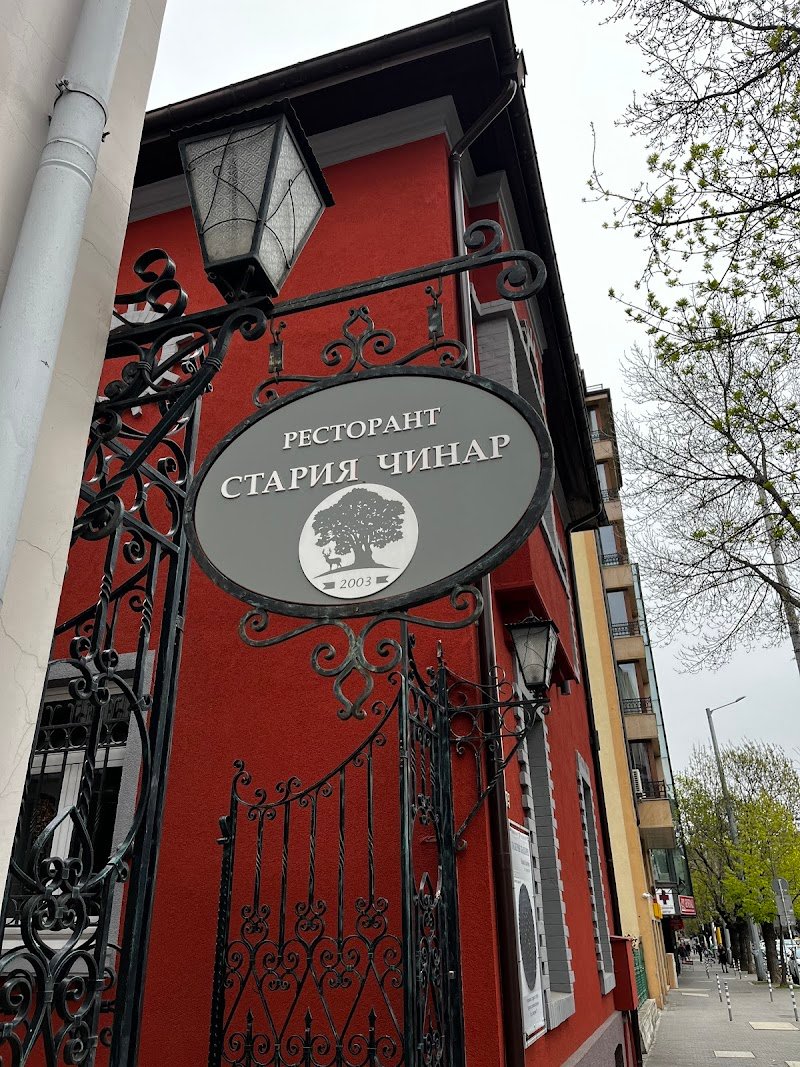
Restaurant "Staria Chinar"

Restaurant "Staria Chinar"

4.7 (5.9k reviews)
$$
LocationSofia Center, Knyaz Alexander Dondukov Blvd 71, 1527 Sofia, Bulgaria
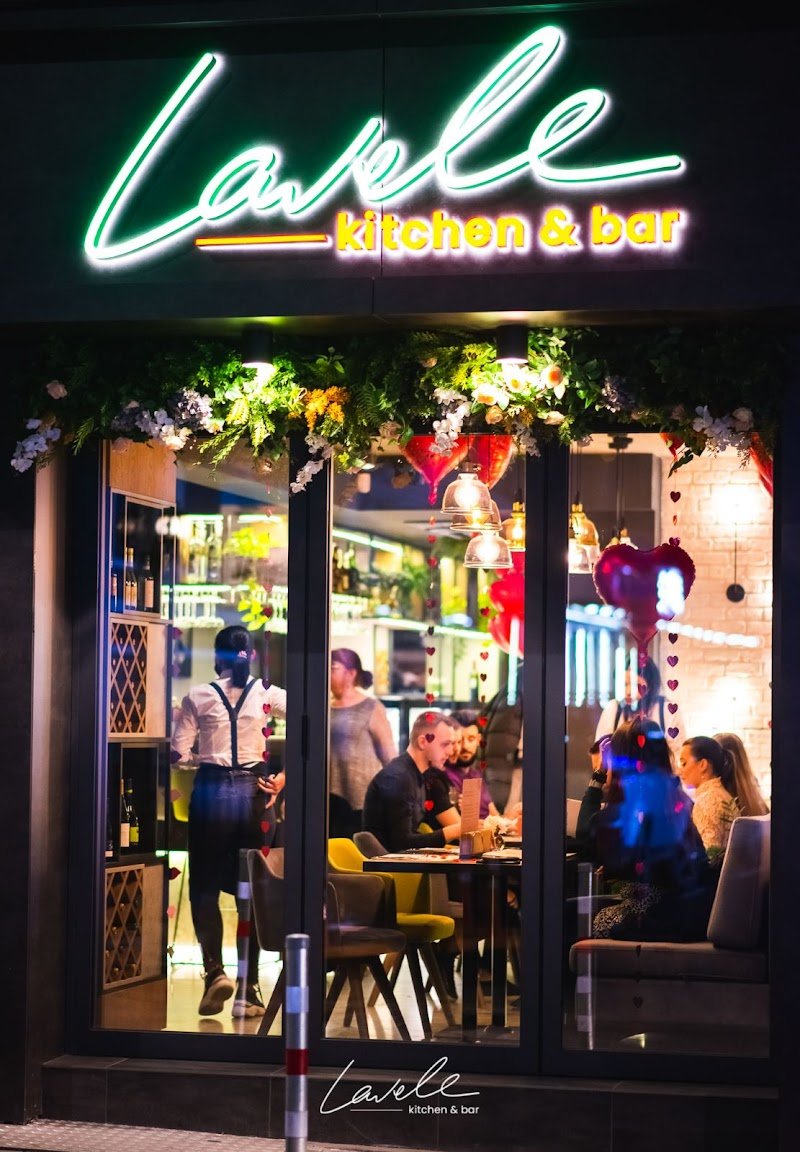
Lavelé Kitchen&Bar

Lavelé Kitchen&Bar

4.7 (2.0k reviews)
LocationOld City Center, ul. "Laveleye" 20, 1000 Sofia, Bulgaria
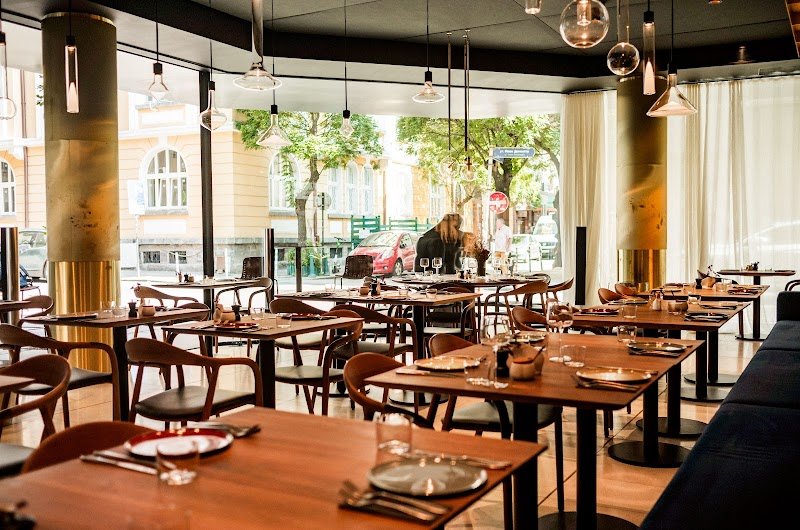
COOKÓ Kitchen:Drinks

COOKÓ Kitchen:Drinks

4.7 (692 reviews)
LocationOld City Center, ul. "Ivan Denkoglu" 40, 1000 Sofia, Bulgaria

Accommodations

In Sofia, the right place to rest can shape your trip as much as a visit to Alexander Nevsky Cathedral. The city unfolds in diverse districts, each with a rhythm of its own. By sunrise, street markets in Oborishte may beckon; by night, Vitosha Boulevard pulses with laughter and club beats. Where your head hits the pillow matters—so choose your Sofia borough with care.

Neighborhood Overview

  • Oborishte: Calm and leafy, Oborishte charms with shaded boulevards and quiet parks. Families will appreciate its neighborly feel and nearby shops. Old mansions now house cozy guesthouses and petite hotels. Streets stay peaceful even at dusk.
  • Centrum: Downtown Sofia is for first-timers and culture fans. You can walk to big sights, galleries, and trendy bars. Hotels here run from practical to plush. The trade-off: a touch more bustle and higher prices at peak times.
  • Lozenets: A newer and more upscale area north of South Park, Lozenets attracts couples who want style and quiet evenings. Chic boutiques, brunch cafés, and friendly boutique hotels dot these tidy streets. It’s a bit removed from the noise, but frequent trams keep you connected.
  • Studentski Grad: Bright and busy, Studentski Grad never truly sleeps. Budget lodgings cater to night owls and backpackers. Clubs stay open late, so light sleepers should bring earplugs. You’ll trade some centrality for lower costs and endless energy.
  • Boyana: On Sofia’s green fringe, Boyana is perfect for hikers or those seeking peace. Hotels nestle by mountain trails. Relaxing here means an Uber into the city center, but the air is cleaner and the mornings quiet.

Types of Accommodation

  • Hotels: International brands like Grand Hotel Sofia charge 150–250 BGN per night. Family-run options like Hemus Hotel provide comfort and location for 60–120 BGN.
  • Apartments: Short-term rentals in Oborishte or Lozenets range from 80–180 BGN nightly. Old buildings tend to have more charm but fewer modern upgrades.
  • Hostels: Good for solo travelers or students, rooms at Hostel Mostel or Canape Connect start from 30 BGN per person. Expect lively lounges and simple breakfast.

Insider Tips for Booking

Reserve ahead in summer and over Orthodox holidays. Local guesthouses may ask for cash payment. Always check if city tax is included in your nightly rate; it’s about 1.50 BGN per adult. Rates dip in winter, except during holiday weeks.

After sunset, the city flickers in golden light and distant mountain shadows. In each district, you’ll hear a different melody—tram bells, murmuring leaves, late laughter. In Sofia, the right bed lets you tune in, not just check out.

Sofia Travel Guide - What to See, Do & Eat