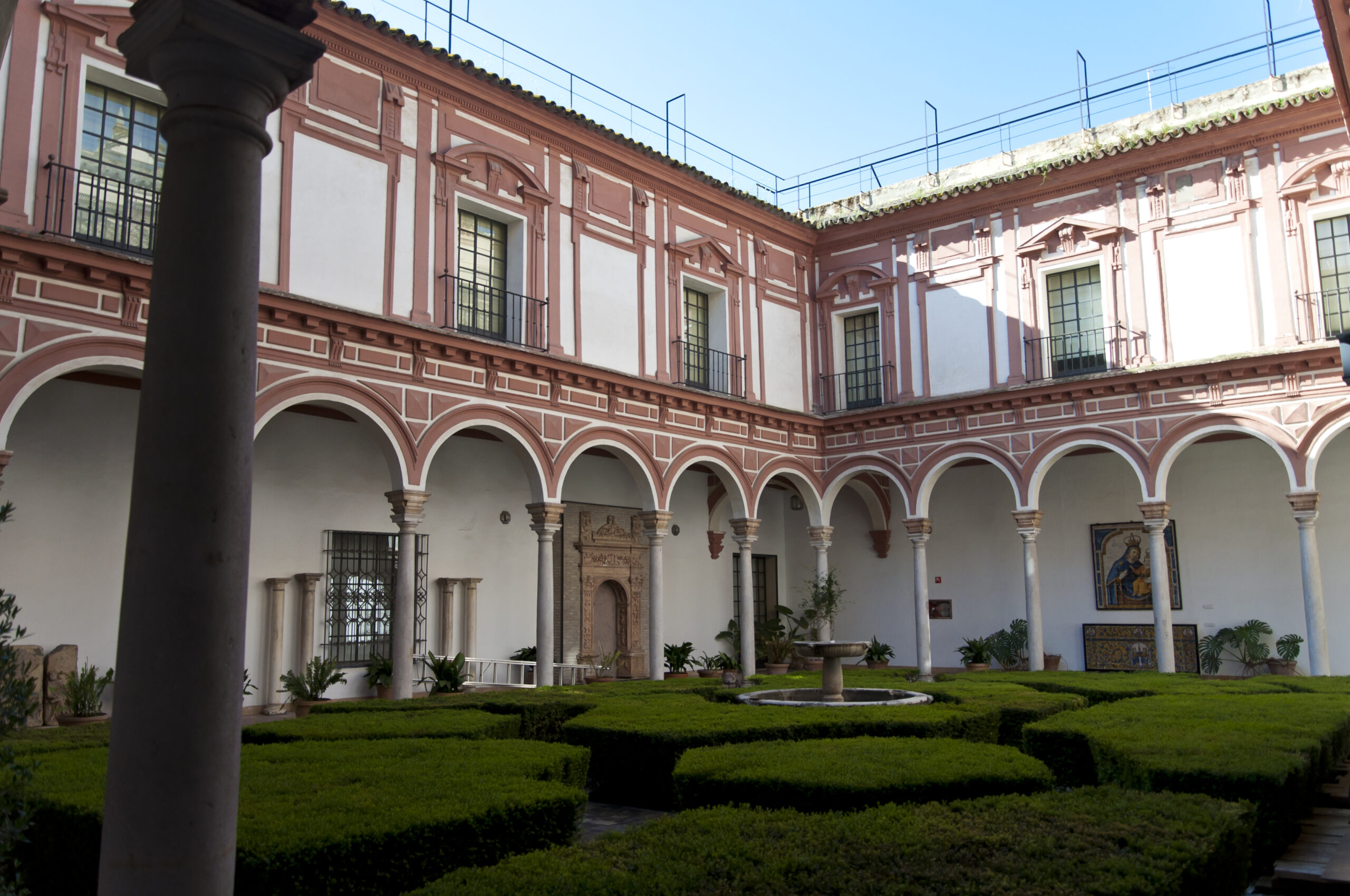
Seville Museum of Fine Arts, home to a rich collection of Spanish paintings and sculptures.
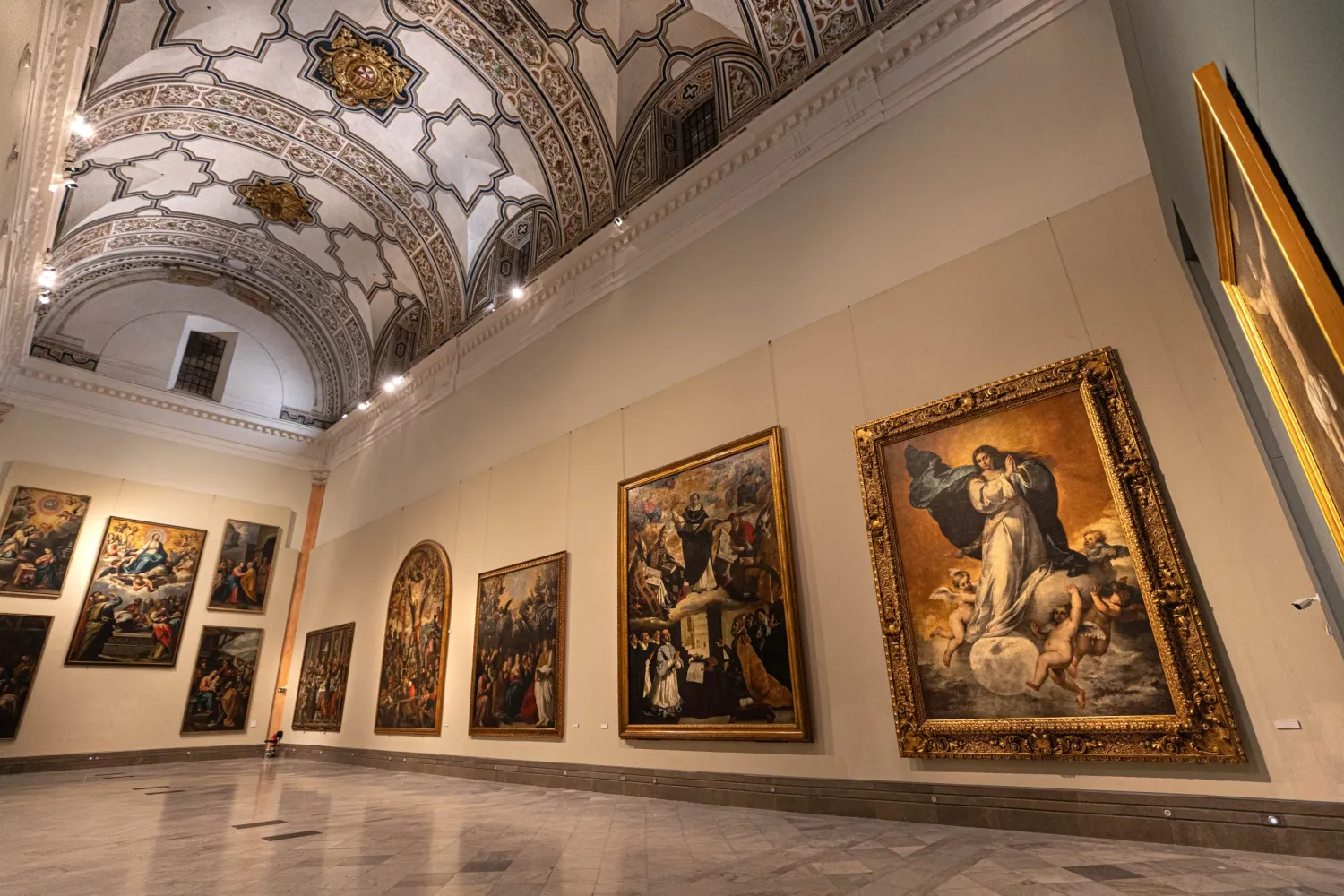
The Seville Museum of Fine Arts showcasing masterpieces from the medieval period to the 20th century.

Seville Museum of Fine Arts

Seville, Spain
i

Seville Museum of Fine Arts, home to a rich collection of Spanish paintings and sculptures.

Strolling beneath rustling orange trees, visitors to Seville often seek the heart of Andalusian art. The Seville Museum of Fine Arts offers it—a centuries-old sanctuary for Spanish painting, housed in a former convent. The walls echo with centuries of creativity, each room revealing legends and local masters alongside hidden treasures. More than a gallery, this is a doorway to the region's soul, displaying passion, drama, and the everyday lives of Seville’s people across the ages.

Visiting Info

Currency
Entrance fee
1.5 EUR
Hours
Opening hours
Monday: Closed
Tuesday: 9:00 AM – 9:00 PM
Wednesday: 9:00 AM – 9:00 PM
Thursday: 9:00 AM – 9:00 PM
Friday: 9:00 AM – 9:00 PM
Saturday: 9:00 AM – 9:00 PM
Sunday: 9:00 AM – 3:00 PM

Contact Information

Location
Address
Pl. del Museo, 9, Casco Antiguo, 41001 Sevilla, Spain

Planning your visit

Reaching the Seville Museum of Fine Arts is straightforward—almost every corner of the historic center leads toward its tiled cloisters. Yet timing matters. While mornings fill with student groups and eager tour buses, late afternoons reward those who savor art without the crowd. Weekends buzz with tourists, but weekday visits feel quieter, especially outside peak spring festivals. Entry fees are modest, with free access for EU residents, but non-European visitors pay a small sum. This makes it a popular stop, so quick planning helps make the visit smooth and unhurried.

  • Best time to visit: Weekday afternoons, especially in fall and winter, promise the most peaceful halls.
  • How to get there: Walk from the city center, ride city buses (lines 3, 6, 12, 13 stop nearby), or arrive by bicycle. Taxis drop off at the Plaza del Museo just outside.
  • Accessibility: Wheelchair access is good, with ramps and elevators, though historic elements create occasional uneven flooring. Families find the open courtyards ideal for a break.
  • Average visit duration: One to two hours covers highlights and quieter corners without rushing.

Must see stuff

The museum divides its collections by era, guiding visitors beneath vaulted ceilings and through sunlit courtyards. At first, visitors crowd to see famous canvases from Murillo and Zurbarán, but lingering reveals the charm of smaller rooms filled with religious sculptures and dramatic portraits. Contemporary Andalusian artists share space with gothic altarpieces, weaving a story of Spain’s artistic past and present. With each turn, the building’s former monastic life peeks through, thanks to quiet cloisters and ancient tiles.

  • Key sights: The epic altarpiece in Room V greets all who enter, while Murillo's "La Virgen de la Servilleta" hangs in a vaulted hall nearby. Zurbarán’s saints line the walls with solemn beauty.
  • Unique experiences: Joining a guided tour unveils museum legends, while the second courtyard offers a hidden spot for sketching or unwinding.
  • Photo-worthy locations: The sunny, orange tree–filled central patio; the carved entrance gate; corridors filled with gilded frames and arched windows.
  • Cultural facts: Once a Mercedarian convent, the museum keeps some cloistered corridors—one still holds original 17th-century tiles and faded frescoes. The museum’s collection ranks among Spain’s most important for Baroque art.

Tips for your visit

A relaxed museum experience starts before the first painting comes into view. Arrive with charged phones or cameras—flashless photos are welcome. Shoes with good soles make roaming the old floors comfortable. For quiet breaks, look for benches beneath patio trees or pause near shuttered windows. While the museum café sometimes opens only on weekends, local cafés across the Plaza del Museo never disappoint—perfect for a post-art coffee. Staff are friendly but watchful, so clear bags and small backpacks move you through security faster. In the midday heat, the stone-walled rooms offer cool relief, though winter visitors may wish for an extra layer in drafty galleries.

  • Best times to avoid crowds: Arrive early or visit in the hour before closing.
  • What to bring: Water, camera or sketchbook, and a jacket in cooler months.
  • Local etiquette: Quiet voices in galleries, no flash photography, and respect the painted lines on floors.
  • Comfort tips: Use the free lockers at the entrance for bulky bags; the peaceful courtyards double as rest stops for both kids and adults.