Museum of the Occupation of Latvia
Google Places photo

Museum of the Occupation of Latvia

Riga, Latvia
i

Museum of the Occupation of Latvia

Photo by Stefan Gehring

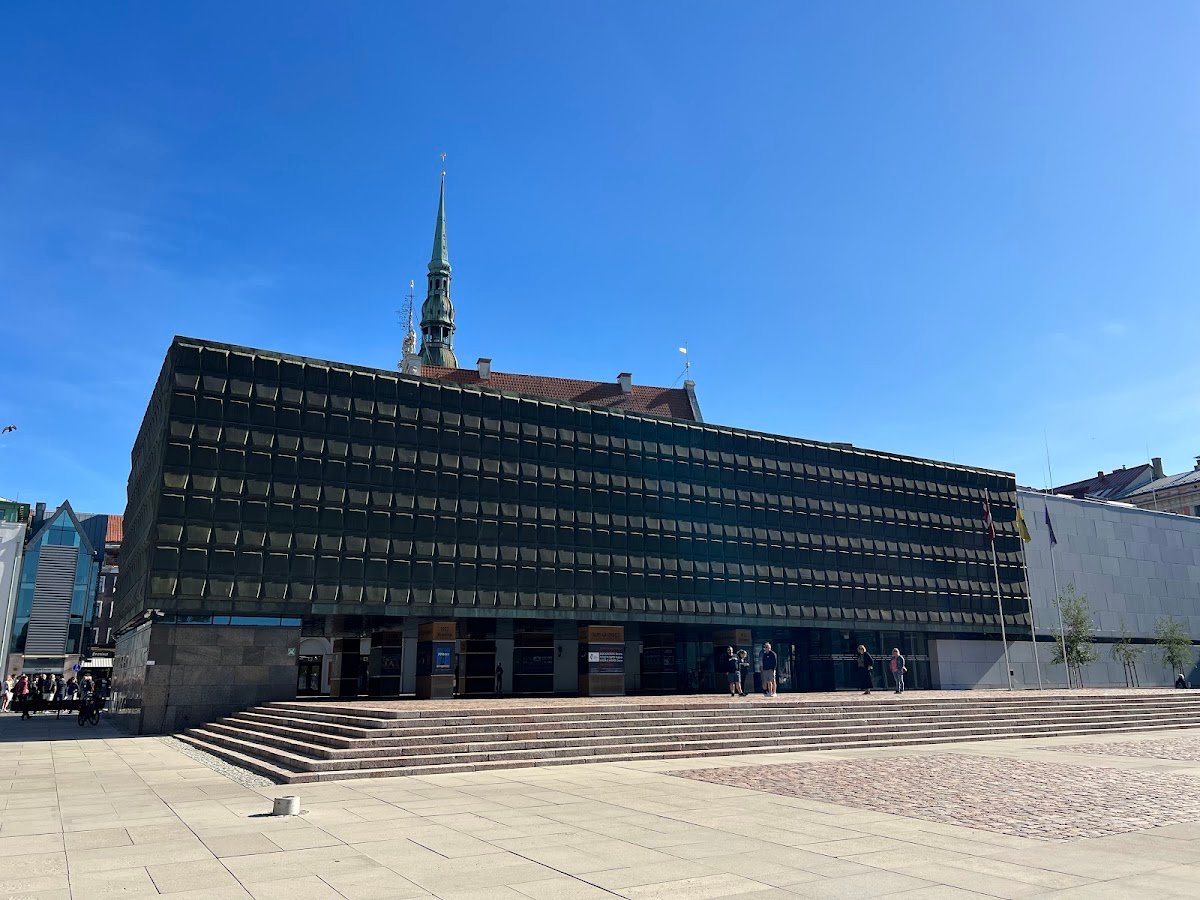
Few museums in Europe echo with such solemn purpose as the Museum of the Occupation of Latvia. Within its walls, stories of anguish, courage, and endurance rise from decades of foreign rule. Here, visitors cross a bridge from history books into the quiet, sometimes haunting, reality of daily life under occupation. The past is never far off in these galleries—memories linger, urging a deeper look at Latvia’s struggle and resilience.

Visiting Info

Currency
Entrance fee
Free
Hours
Opening hours
Monday: 10:00 AM – 6:00 PM
Tuesday: 10:00 AM – 6:00 PM
Wednesday: 10:00 AM – 6:00 PM
Thursday: 10:00 AM – 7:00 PM
Friday: 10:00 AM – 6:00 PM
Saturday: 10:00 AM – 6:00 PM
Sunday: 10:00 AM – 6:00 PM

Contact Information

Location
Address
Latviešu strēlnieku laukums 1, Centra rajons, Rīga, LV-1050, Latvia

Planning your visit

Getting the most from a trip to the Museum of the Occupation of Latvia means a bit of advance planning. The museum sits in central Riga, within easy reach of other sights, but crowds can swell during peak times. While spontaneous visits are welcome, tickets sometimes sell out during busy hours, especially for guided tours in English. For anyone curious about 20th-century European history or Latvia’s story, this landmark offers a rich experience—a mix of reflection, discovery, and, occasionally, moments of raw emotion.

  • Best time to visit: Spring and autumn see smaller crowds; weekday mornings offer the most serene experience.
  • How to get there: Accessible by foot from Riga’s Old Town, or by tram and bus stops within a short walk. Cycling is easy, but parking for cars is scarce nearby.
  • Accessibility: The museum welcomes families and accommodates wheelchairs and strollers, though some older exhibits involve short stairways.
  • Average visit duration: Plan for 1.5 to 2 hours to see key exhibitions, longer if joining a guided tour.

Must see stuff

The museum tells its complex tale through carefully curated exhibits and powerful artifacts. Audio guides bring voices from the past into the present, while the building’s stark architecture reflects the somber legacy inside. Beyond the main exhibition hall, hidden details and personal stories give depth to the broader history. Several must-see areas and experiences help visitors grasp the sense of hope, loss, and determination of Latvia’s people during occupation.

  • Main exhibition hall: Highlights Latvia’s twin occupations by Soviet and Nazi regimes, with original photographs, diaries, and personal belongings.
  • Deportation boxcar exhibit: Step inside an authentic railway car used during mass deportations to Siberia—one of the museum’s most moving features.
  • Temporary exhibitions: Rotating displays spotlight topics like daily life under censorship or youth resistance movements.
  • Documentary area: Short films and eyewitness interviews offer glimpses into private lives shaken by war and oppression. Subtitles available in English, Latvian, and Russian.
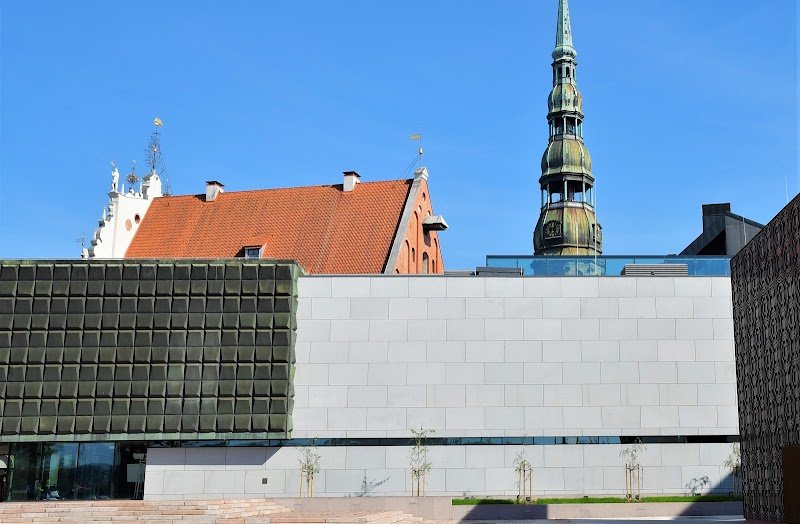
  • Photo-worthy spots: The sharp angles of the museum’s restored black façade and the nearby Freedom Monument create striking backgrounds for photographs. Inside, portraits of survivors carry a quiet power.
  • Cultural insight: Learn about Latvian traditions kept alive during occupation and how local families secretly preserved language, music, and literature.

Tips for your visit

A trip to the Museum of the Occupation of Latvia benefits from preparation and patience. While some exhibits delve into difficult topics, thoughtful displays make the history accessible for teens and older children. The atmosphere blends respectful silence with occasional lively school groups or guided talks. There are places inside to sit and reflect, and the staff welcomes questions about history or practical advice on seeing the surrounding neighborhood. A few simple strategies can maximize the experience and comfort during your visit.

  • Best times to avoid crowds: Arrive early before tour groups, ideally right at opening on weekdays.
  • What to bring: Light layers for chilly rooms, comfortable shoes for exploring, and a camera for the architectural contrasts. Bring tissues—some stories are emotional.
  • Local etiquette: Speaking softly and showing respect for personal stories ensures a calm, thoughtful atmosphere. Photography is allowed in most areas, but flash should be avoided.
  • Safety and comfort advice: Secure bags while viewing exhibits, and take breaks outside in the nearby parks or cafes if emotions run high or if you’re visiting with children.

Similar Attractions

Museum of the Occupation of Latvia – Tickets, Hours & Visitor Guide