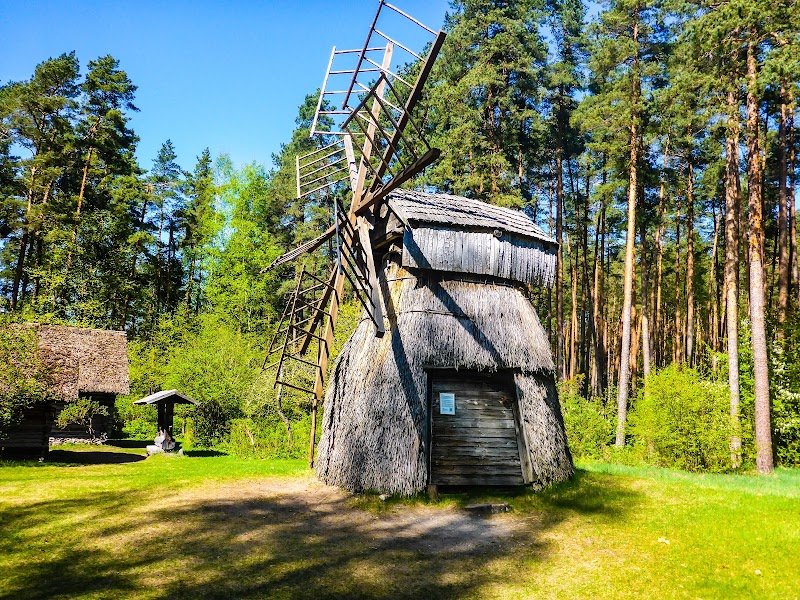
Google Places photo

The Ethnographic Open-Air Museum of Latvia

Riga, Latvia
i

Google Places photo

Photo by Дмитрий

Latvia’s Ethnographic Open-Air Museum offers one of Europe’s most immersive glimpses into village life before the 20th century. Traditional wooden farmsteads, windmills, and rural churches nestle beneath tall pines beside a calm lake, carrying guests not only across geography but also through centuries of peasant and craftsman culture. Without city noise or walls, daily life from distant regions of Latvia springs to vivid life, not just in restored timber buildings, but through hands-on crafts, folk music, and seasonal festivals. For travelers seeking both history and atmosphere, this is a rare window into a world long lost, yet entirely present.

Visiting Info

Currency
Entrance fee
6 EUR
Hours
Opening hours
Monday: 10:00 AM – 5:00 PM
Tuesday: 10:00 AM – 5:00 PM
Wednesday: 10:00 AM – 5:00 PM
Thursday: 10:00 AM – 5:00 PM
Friday: 10:00 AM – 5:00 PM
Saturday: 10:00 AM – 5:00 PM
Sunday: 10:00 AM – 5:00 PM

Contact Information

Location
Address
Brīvdabas iela 21, Rīga, LV-1024, Latvia

Planning your visit

With the museum spread over 87 lush hectares, exploring can take a half day or more, so practical planning pays off. Latvia’s climate brings chilly winters and rain in autumn, so late spring through early autumn sees the richest colors and most engaging events, including many family-friendly activities. The grounds, located just northeast of Riga, lie close to city comforts but feel miles removed, with several options by car, bus, or even bicycle. On sunny days, locals mingle with a stream of tourists, especially during festivals—buying tickets online ahead of time helps skip the lines. While gravel paths offer fairly easy walking, visitors with limited mobility should watch for some uneven sections, and wheelchairs may struggle on certain routes.

  • Best time to visit: May to September, midday or late afternoon for ideal light and open workshops.
  • How to get there: Short drive or taxi from Riga, frequent buses (number 1, 28, or 19 towards Brīvības Gatve).
  • Accessibility: Most main paths accessible for strollers and seniors; rugged areas require care.
  • Average visit duration: Allow at least 2–3 hours, or up to 5 hours to explore workshops and participate in crafts.

Must see stuff

Each corner of the Ethnographic Open-Air Museum presents a different story, with four main regions—Kurzeme, Vidzeme, Latgale, and Zemgale—recreated in dazzling detail. Thatched farmhouses, log barns, and storied Orthodox and Lutheran chapels stand ready for both curious eyes and camera lenses. Traditional craftspeople spin wool, weave baskets, or bake fresh rye bread in ancient ovens, especially during weekends or holiday events. Some homes host temporary exhibits about Latvian folk life, while clever docents in period dress spark imagination with stories or impromptu music. Rugged woods behind the buildings provide quiet trails, and the lakeshore pier delivers peaceful views of swans gliding by.

  • Key sights or features: 18th-century windmill, distinctive wooden churches, charming fishermen’s homesteads.
  • Unique experiences: Try your hand at pottery, woodcarving, or breadmaking in interactive workshops.
  • Photo-worthy locations: Reeds and birches along Juglas Lake, the hilltop windmill, ornate rooflines in the Latgale section.
  • Cultural or historical facts: Over 100 original buildings were transported here from their native villages after 1924; displays highlight old Latvian wedding rites and communal traditions.

Tips for your visit

Staying comfortable and getting the fullest experience means thinking ahead. Saturdays and festival days hum with extra energy—rewarding, but busier crowds can slow access to the most popular artisan workshops. On cool or wet days, leaf-littered paths can get muddy. The on-site café features traditional pies and hearty soup, but bringing pocket snacks or water works out better for longer strolls. While hands-on crafts delight all ages, some workshops run only at posted hours, so check the schedule near the entrance. Most staff speak at least basic English and appreciate friendly curiosity. Watch for free folk music performances, but don’t be shy about asking for directions—signage, though improved, can still confuse first-time visitors.

  • Best times to avoid crowds: Weekday mornings or late afternoons, especially outside festival days.
  • What to bring: Sturdy walking shoes, weather-appropriate layers, water bottle, camera or phone for photos, some cash for craft stalls.
  • Local etiquette or rules: Respect roped-off areas and ask before entering houses or taking close-up photos of artisans at work.
  • Safety or comfort advice: Be mindful of slippery steps and uneven ground, especially in forested paths or after rain; insect repellent can be useful in high summer.
The Ethnographic Open-Air Museum of Latvia – Tickets, Hours & Visitor Guide