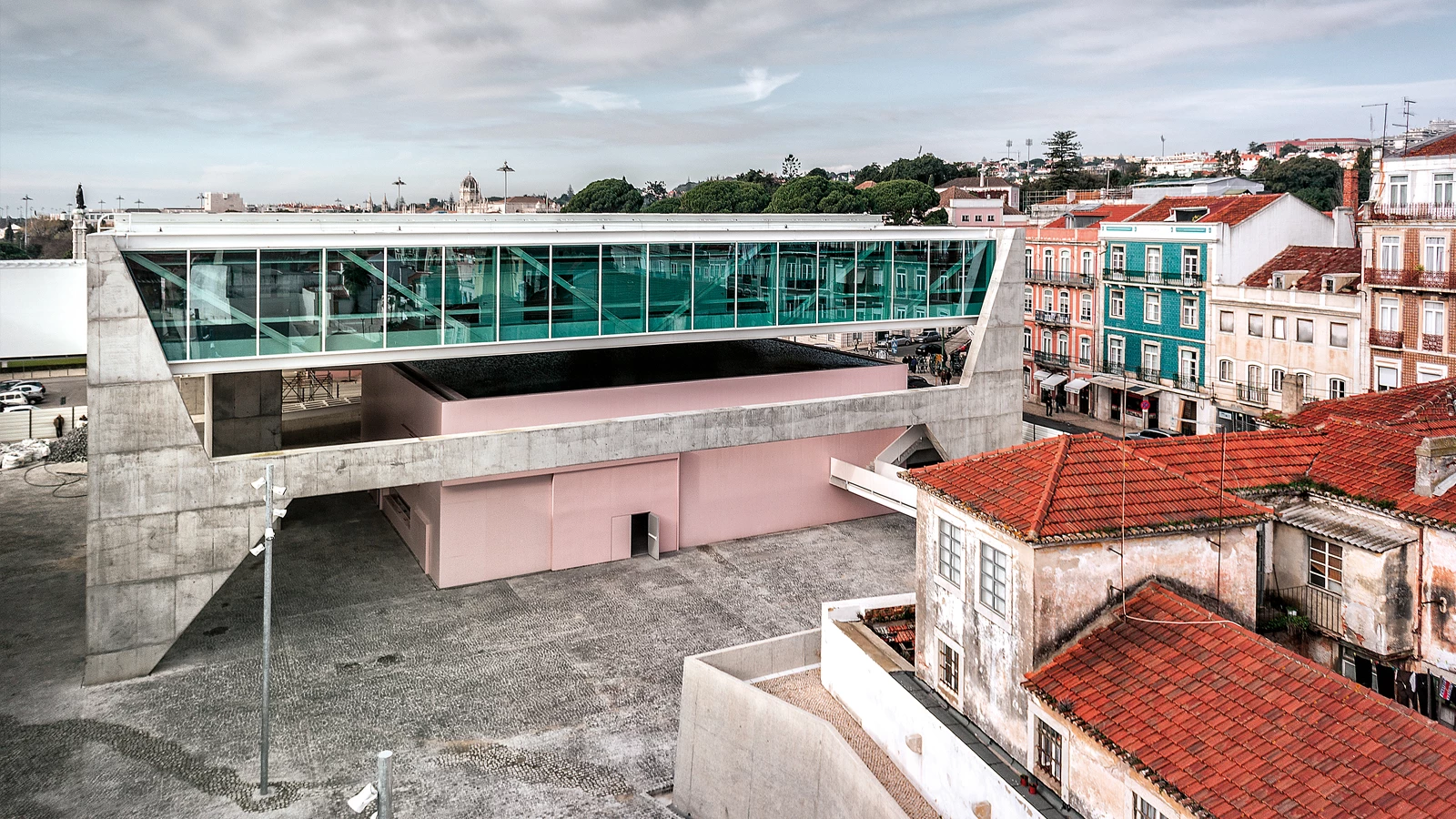
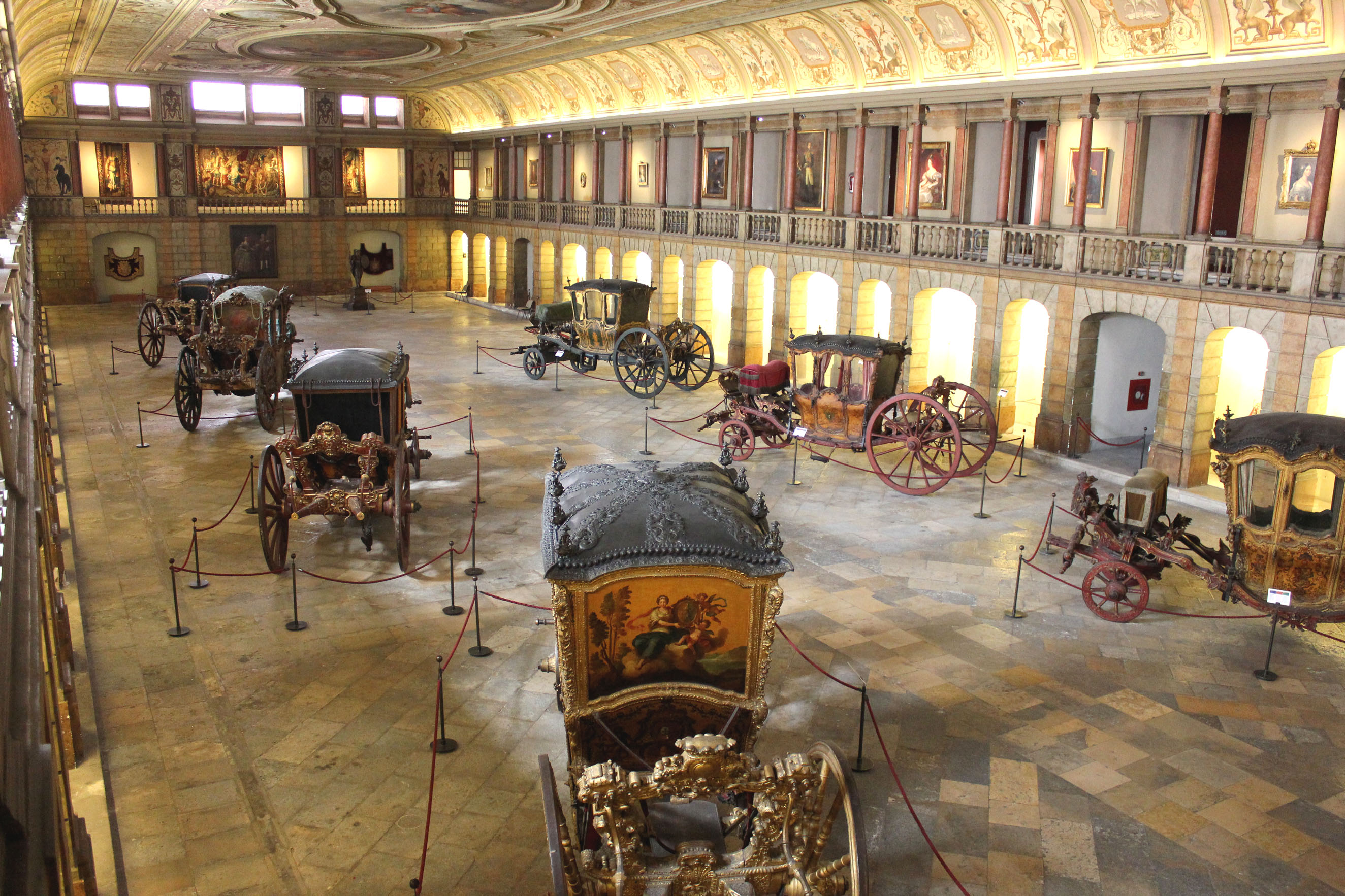
Museu Nacional dos Coches, home to beautifully decorated coaches from past centuries.

National Coach Museum (Museu Nacional dos Coches)

Lisbon, Portugal
i

Museu Nacional dos Coches, home to beautifully decorated coaches from past centuries.

Glass and sunshine spill across the sleek hall, where an assembly of golden carriages stands at perfect attention. Velvet, painted wood, and creaking leather fill the air with the aura of centuries. More than a museum, the National Coach Museum is a living stage for royalty, craftsmanship, and the spirited drama of old-world travel. Here, even silence seems grand.

Visiting Info

Currency
Entrance fee
8 EUR
Hours
Opening hours
Monday: Closed
Tuesday: 10:00 AM – 6:00 PM
Wednesday: 10:00 AM – 6:00 PM
Thursday: 10:00 AM – 6:00 PM
Friday: 10:00 AM – 6:00 PM
Saturday: 10:00 AM – 6:00 PM
Sunday: 10:00 AM – 6:00 PM

Contact Information

Location
Address
Av. da Índia 136, 1300-300 Lisboa, Portugal

Planning Your Visit

Careful timing can turn a good museum visit into something magical. The National Coach Museum, housed within a striking modern building and an ornate royal riding ring, tends to get busy—especially when the sun is out or cruises dock nearby. Aim for quieter mornings or early evenings for unhurried exploration. Public transportation leaves visitors steps from the entrance, and the museum’s accessible design makes it popular for families and travelers of all ages. Allow at least an hour and a half, but those with a love of history may linger longer.

  • Best time to visit: Weekday mornings, or late afternoons outside of summer peak
  • How to get there: Tram 15E, buses, and Belém train station nearby; taxis and rideshare drop-off right outside
  • Accessibility: Wheelchair-friendly with spacious lifts and stroller access; seating areas throughout
  • Average visit duration: 1–2 hours

Must See Stuff

Step inside the main nave and a parade of historic coaches immediately demands attention. These gilded relics once ferried royalty and diplomats, shimmering with carved cherubs and intricate paintings. The museum’s modern building offers natural light and enough room to soak in every lavish detail. Interactive screens and detailed panels bring stories of costumes, horses, and ceremonies to life—while the nearby Royal Riding Ring provides an atmospheric look into the training grounds of the past.

  • The Royal Coaches Hall: Highlights include the extravagant Coach of King João V—encrusted with gold and carved allegories—and the ceremonial Pope’s Coach
  • Children’s Charrettes: Smaller vehicles used by royal children, stunning for their craftsmanship and charm
  • Costume and Weapon Displays: Look for rare uniforms, saddles, and accessories that color the world of palace life
  • Royal Riding Ring: An older building filled with frescoes and wooden beams—a side trip for atmosphere and occasional events
  • Photo musts: The massive central hall, the ornate wheel details, and the view from above the main floor balcony
  • Historical fact: The museum holds one of the world’s largest and rarest collections of royal vehicles, dating from the late 16th century to the 19th

Tips for Your Visit

A bit of preparation ensures a smooth trip to the National Coach Museum. For comfort, wear supportive shoes—polished floors stretch far. Photography is allowed (no flash), so bring a good camera or smartphone for detailed shots. Drinking water is smart, as indoor temperatures can rise, and snack before or after—the museum’s café is small and fills up quickly. Respect marked-off areas and avoid touching the exhibits; security guards do keep a close eye. Families with children will find gentle slopes and open space, but strollers may find tight turns in the historical annex.

  • Best times to avoid crowds: Right at opening (10 a.m.) or late afternoon after tour groups pass through
  • What to bring: Comfortable shoes, refillable water bottle, camera or smartphone, and a light jacket (the stone building can be cool in shaded spots)
  • Local etiquette: Speak quietly; no climbing or leaning on displays; school groups may get priority in certain sections
  • Safety/comfort: Mind slippery stone floors on rainy days; benches are scattered throughout for rest