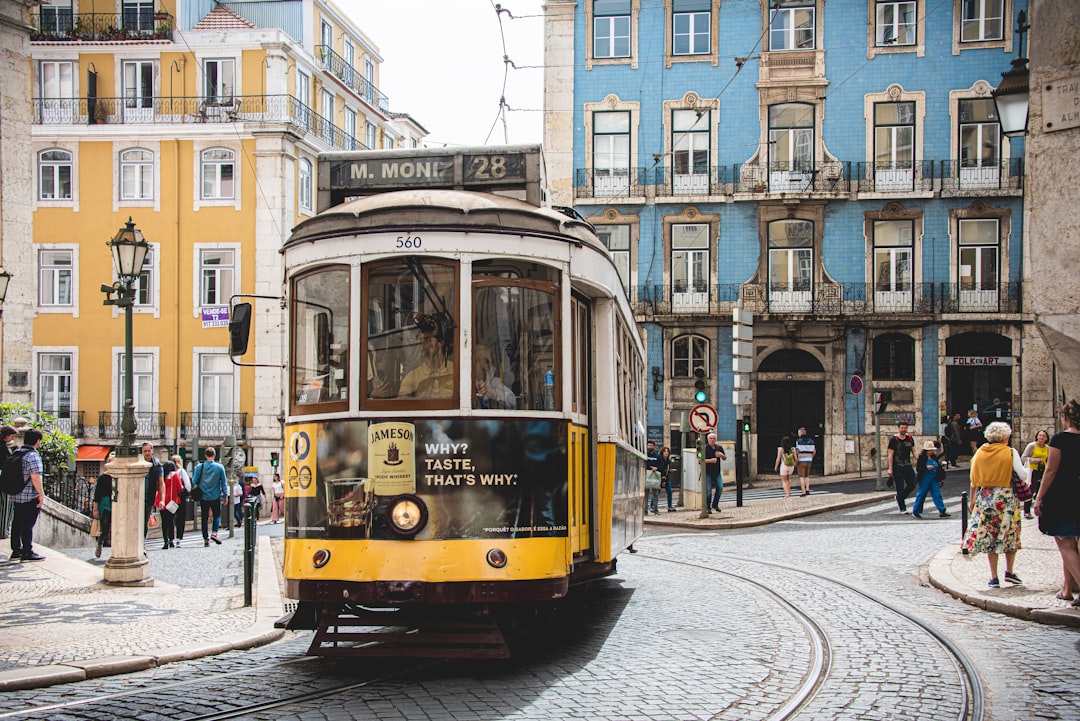
yellow and white tram on road near white concrete building during daytime
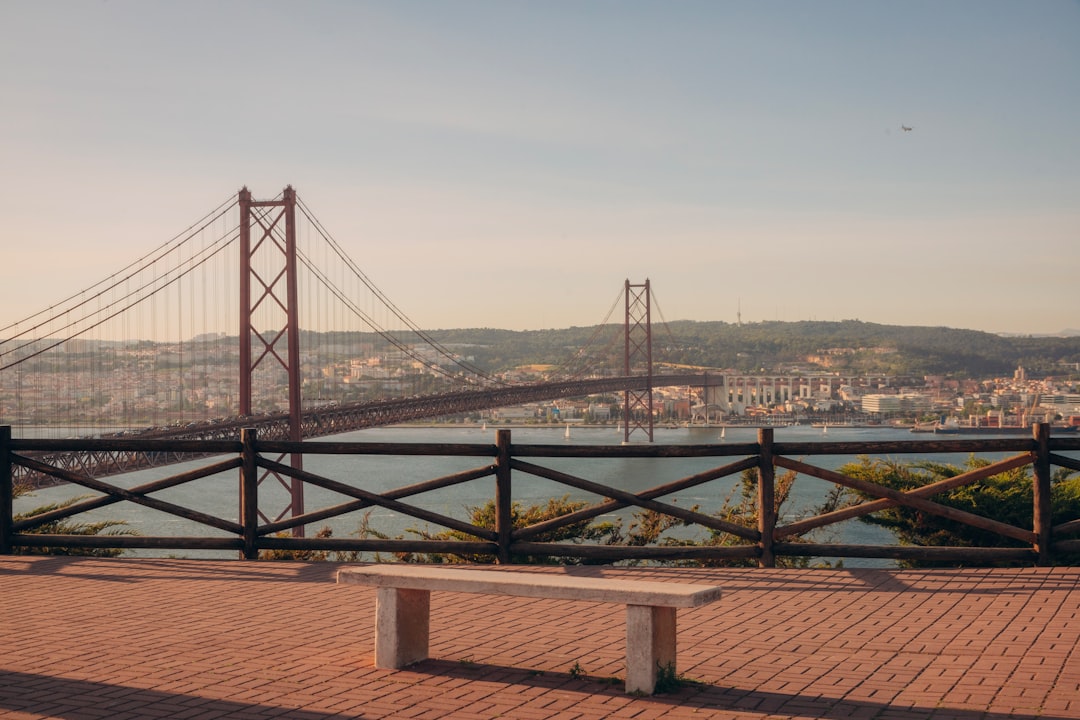
A beautiful bridge spans over a city's landscape.
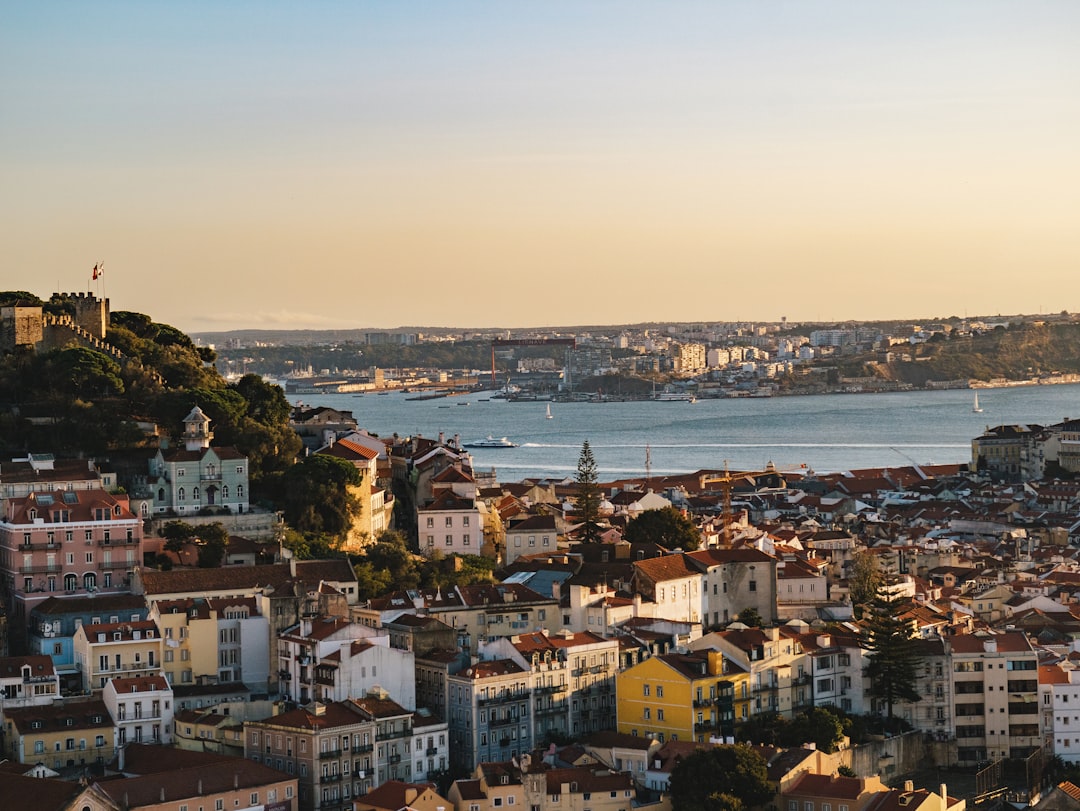
aerial view of city buildings during daytime

Lisbon

Portugal
Urban HighlightsCulturalHistoricalIconic LandmarksArt & Architecture
i

yellow and white tram on road near white concrete building during daytime

Photo by Paulo Evangelista

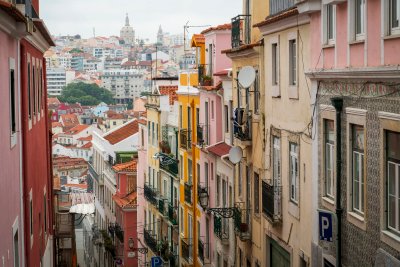
Lisbon hits you first with light. White-stone alleys bounce sunlight until the whole city feels golden. Trams rattle past tiled facades, their squeal mixing with fado from open doorways. Down in Alfama, grilled sardines sizzle on tiny grills, smoke curling into the air. Walk uphill to Graça and you’ll find views that sweep over red roofs to the river’s blue. Bairro Alto wakes after dark, its bars spilling laughter and music into the street. In the morning, the ocean’s salt lingers in the breeze, fresh and bracing. Parts of Lisbon feel worn, paint peeling and cobbles cracked, but that’s part of the charm. It’s a city that invites lingering: a second coffee at a café, a long look at the water, a quiet moment while the light softens.

Quick Facts

currency
EUR
languages
Portuguese
airports
Humberto Delgado Airport
size
Large City
power
Type C, Type E, Type F
timezone
GMT+0
safety
Safe
costs
Moderate

General Information

Safety indexLisbon is considered a safe city for travelers, with a safety index around 70–75 out of 100. Petty crimes like pickpocketing may occur in crowded tourist areas and public transportation, but violent crime is rare. Standard precautions are advised.

Best Time to TravelThe best time to visit Lisbon is in the spring (March to May) or fall (September to early November), when the weather is warm and sunny, and outdoor attractions are at their best.

Least crowded and still a good time to visitLate fall (mid-November to early December) is usually less crowded, with lower hotel rates and mild weather. It is a pleasant time to visit before the winter rains and holiday season.

BudgetLisbon is moderately priced compared to other Western European capitals. Budgets can range from €60–€100 per day for backpackers (hostels, public transport, meals) to €150–€250+ per day for mid-range travelers (hotels, dining out, museums).

Healthcare and VaccinationsPortugal has a reliable healthcare system. EU citizens can use the European Health Insurance Card (EHIC) for access to public healthcare. Travel insurance is recommended for others. No specific vaccinations are required for entry, but routine vaccines (MMR, Tdap, flu) should be up-to-date.

Visa RequirementsPortugal is part of the Schengen Area. EU/EEA/Swiss citizens do not require a visa. Visitors from many countries (including US, Canada, Australia, UK) can stay visa-free for up to 90 days in any 180-day period. Other nationals may need to apply for a Schengen visa.

Weather in Lisbon

°C°F
3391
2678
1864
1151
337
Jan
Feb
Mar
Apr
May
Jun
Jul
Aug
Sep
Oct
Nov
Dec
3020100
Avg. min. temperature
Avg. max. temperature
Avg. precipitation days

First-time travelers

Lisbon greets you with music, sunlight, and something more—maybe a sense of possibility. Every first-time visitor feels it while crossing Avenida da Liberdade or catching a first glimpse of the Tejo River’s blue sweep. The hills rise and fall, as tram 28 rattles through cobbled lanes. This place may seem like a living postcard, but look past the tile facades for deeper details.

Savoring the Senses

Wander the Alfama district early—before cruise ships empty crowds into the alleyways. Laundry snaps in the wind, and Fado floats through open windows. Salt fills the air near Rua da Prata, where locals balance baskets of fish. In Mercado da Ribeira, tables fill with older men sipping coffee and reading correio da manhã. Pause for pasteis de nata still warm from the oven at Manteigaria, flaky and custardy, eating them while standing. Watch trains inch past graffiti-splashed walls from Santa Apolónia station, a reminder of ongoing journeys.

More Than Postcards

Beyond monuments, Lisbon rewards the curious. Step into Livraria Bertrand—Europe’s oldest bookstore—where corners smell of paper and dust. At dusk on Miradouro da Senhora do Monte, share the sloping view with couples and guitarists, far from selfie-stick crowds. Notice the sound of azulejo tiles beneath shoes, a soft tap, as stories layer beneath your feet.

  • Hop the ferry to Cacilhas for the view and arroz de marisco at Ponto Final.
  • Order bifana sandwiches with mustard from hand-written menus near Martim Moniz.
  • Duck into the National Tile Museum—quiet, blue-tiled corridors tell Lisbon’s story in fragments.
  • End your night with ginjinha from a street-side stall, tart and sweet.

Lisbon isn’t in a rush. Neither should you be. With time, first impressions give way to true memory—a softness that stays long after you go.
Return travelers

Coming back to Lisbon feels like flipping through an old, colorful journal. Details jump out where before you saw only patterns; the city offers what you missed last visit. You know how the sunlight slides across pink rooftops in late afternoon. Now it’s time to dig deeper, chasing the city’s subtler notes.

Layers Beneath the Familiar

You’ve lingered at Miradouros and sampled the famous custard tarts. This time, skip past your favorites and try exploring Campo de Ourique or Alvalade—neighborhoods with simple parks, pastel-colored grocers, and minimal tourists. Conversations drift through the narrow lanes around Mercado de Campo de Ourique, laughter mixing with the clatter of forks over grilled sardines. The language feels slower here, more direct. The city’s pace, unhurried but watchful, starts to seep in.

Cultural Threads and Unexpected Comfort

On a return, you notice how locals stand chatting in pastelaria corners at lunchtime. In Mouraria, the scent of Goan curry and Cape Verdean cachupa bubble out of tiny restaurants—Lisbon’s global pulse hiding in plain sight. Relax on the terrace at Jardim do Torel, eavesdropping—or maybe now, participating in playful debates about football, rents, politics. This time, traditions feel less like museum pieces, more like habits you’re welcome to borrow.

  • Visit Cinemateca Portuguesa for a classic film, then browse lobby posters of Lisboetas past.
  • Wake up at sunrise for quiet walks in Parque Eduardo VII—locals jogging, the city stretching awake.
  • Try caracois (snails) with cold Sagres at a backstreet bar in Alcântara, chatting with the waiter about last night’s Benfica match.
  • Pick up unfamiliar fruit at Mercado de Alvalade Norte—try nêsperas or Diospiro and talk shop with the vendor.

Lisbon rewards return travelers with inside jokes and unforced friendships. Let the city show you quieter joys; they’re never the same twice.

Must-see locations

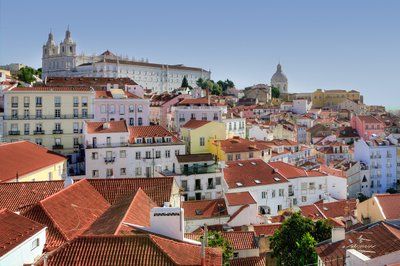
alfama, lisbon, colors, portugal, europe, cityscape, portuguese, city, travel, view, architecture, lisboa, town, landmark, tourism, skyline, nature, scene, sky, district, panorama
i

alfama, lisbon, colors, portugal, europe, cityscape, portuguese, city, travel, view, architecture, lisboa, town, landmark, tourism, skyline, nature, scene, sky, district, panorama

Photo by ClickerHappy

Alfama District

Alfama District, Lisbon, charms with steep lanes, Fado music pouring from tiny taverns, and Moorish architecture. Walk the maze of alleys, sample grilled sardines, or climb to São Jorge Castle for sweeping river views.

Learn More
Colorful Bairro Alto filled with street art, cafés, and a bohemian atmosphere.
i

Colorful Bairro Alto filled with street art, cafés, and a bohemian atmosphere.

Bairro Alto

Bairro Alto, Lisbon, buzzes after dark with bohemian bars and Fado music echoing through cobbled streets. Daytime brings street art, quirky boutiques, and landmarks like São Roque Church. Lively, historic, always surprising

Learn More
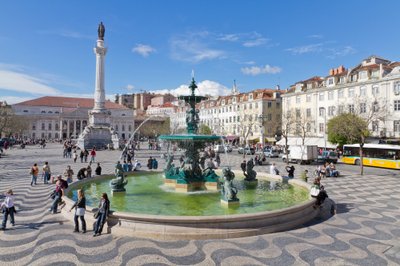
Rossio Square, a lively Lisbon plaza with historic buildings, fountains, and bustling crowds.
i

Rossio Square, a lively Lisbon plaza with historic buildings, fountains, and bustling crowds.

Rossio Square

Buzzing with locals and travelers, Rossio Square brings together graceful fountains, patterned cobblestone, and lively cafés. Historic National Theatre D. Maria II rises over colorful mosaic stones, hosting street performances year-round

Learn More
Chiado’s lively streets blend classic architecture with modern cafés and culture.
i

Chiado’s lively streets blend classic architecture with modern cafés and culture.

Chiado

Creative bookstores and Art Nouveau cafés draw locals to Chiado. Elegant theaters like São Carlos. Trams cross lively Praça Luís de Camões. Fado music drifts from tucked-away clubs. Each street corner tells Lisbon’s soul.

Learn More
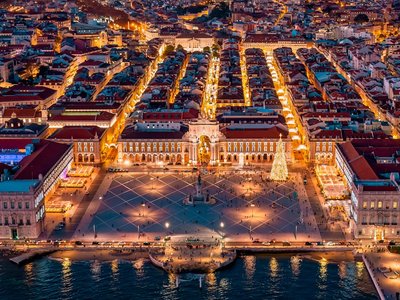
Stunning aerial view of Lisbon's Praça do Comércio at dusk with vibrant city lights and illuminated streets.
i

Stunning aerial view of Lisbon's Praça do Comércio at dusk with vibrant city lights and illuminated streets.

Photo by Matej Simko

Praça do Comércio

Grand yellow arcades frame Praça do Comércio beside the Tagus River, where locals sip coffee, street artists perform, and historians trace Lisbon’s royal past. Cobbled paths, music, open skies—always alive with the city’s energy.

Learn More

How to get there

By air

Lisbon Airport (Aeroporto Humberto Delgado, LIS) is Portugal’s largest and busiest airport, located about 7 km north of the city center. It is well served by direct flights from major cities across Europe and other continents.
Options to get to town:
TypePriceDurationWhere to buy
Taxi€15-€2515-30 minutesOfficial taxi rank outside the arrivals hall; pay driver (cash or card accepted)
Airport bus (Aerobus / Carris City Bus)€2.00 (Carris 744/783 buses); Aerobus currently suspended30-40 minutesTickets from newsstands, ticket machines at airport, or on board with cash
Metro (Red Line)€1.80 (€2.30 including reusable Viva Viagem card)20-25 minutes to the city centerTicket machines in the airport metro station

By train

Lisbon can be reached by high-speed Alfa Pendular and Intercidades trains from cities across Portugal (such as Porto, Faro, and Coimbra), as well as some international routes (notably from Madrid via Badajoz, currently with limited options). The main train stations are Santa Apolónia, Oriente, and Entrecampos.
Useful websites for train tickets:

By car

Lisbon is very well connected by highways to the rest of the country and to Spain. The city is accessed by major routes such as the A1 from the north, A2 from the south, and A5 from the west. Parking in the city center can be challenging and expensive.
Additional charges to be aware of:
FeeCostHow to pay
Toll / vignette / emission stickerTolls vary by route, e.g., Porto-Lisbon ~€22; no vignette or emission sticker requiredToll booths, or automatic payment with rental car transponder
Other driving costsParking: €1-€4 per hour (street meters or parking garages)Pay at parking meters or parking lot kiosks

How to get around

Public transport

Lisbon’s public transport is efficient and covers the whole city, including buses, trams (like the iconic Tram 28), metro, and suburban trains. It’s managed mainly by Carris (buses/trams), Metro Lisboa, and Comboios de Portugal (CP) for trains. The Viva Viagem or 7 Colinas rechargeable card is used for most transport modes.

Ticket options:
Ticket TypePriceWhere to buy
Single ticket€1.80 (bus/tram/metro)Metro stations, ticket machines, or aboard buses/trams (slightly higher price onboard)
Day pass€6.80 (24-hour ticket, unlimited travel on bus, tram, metro and CP Lisbon trains)Metro stations, ticket offices, or ticket machines

Taxis & ridesharing

Taxis are widely available across Lisbon and can be hailed on the street or found at ranks. Ridesharing apps like Uber, Bolt, and Free Now are popular and often more affordable.

Service providers:
ProviderPriceHow to book
Local taxiStarting at €3.50 plus €0.47 per kmHail on street, taxi ranks, or by phone
Ridesharing appFrom €4-5 for short city rides (variable)Mobile apps: Uber, Bolt, Free Now

Car rental

Car rentals in Lisbon are best for trips outside the city, as traffic and parking can be challenging in central areas. It’s straightforward to pick up a car at the airport or in downtown locations.

Rental options:
ServicePriceHow to book
Daily rentalFrom €30 per day (economy car, base rate)Major rental companies at the airport or in city offices
Weekly rentalFrom €150 per week (economy car, base rate)Major rental companies at the airport or in city offices

Bike & scooter rental

Biking and scooter sharing are increasingly popular, especially along the river or in flatter neighborhoods. Lisbon’s hills may make it challenging in some areas, so electric options are common.

Rental options:
ServicePriceHow to book
Bike rentalFrom €10 per day (manual), €15-20 per day (e-bike)Bike shops or rental kiosks in tourist areas
Scooter rentalFrom €0.15 per minute (shared app), €30-40 per day (private rental)Mobile apps or rental shops

Ferry / Boat

Ferries cross the Tagus River, connecting Lisbon (Cais do Sodré, Terreiro do Paço, Belém) with suburbs like Cacilhas, Barreiro, and Trafaria. It’s a scenic and practical way to cross the river, especially for views back toward Lisbon.

Useful websites for ferry tickets:

What to eat

Steam rises in narrow Bairro Alto lanes, mingling sea air and grilled sardine smoke. Old men argue over bacalhau at Formiga de Sabóia, wines slosh in chipped glasses, and pastéis de nata tempt from every pastelaria. Lisbon is more than a city—it’s a kitchen, open to all. Hungry travelers wander cobbled hills, beckoned by the warm, garlicky promise drifting from tiny doorways. No matter the time or weather, Lisbon tempts those willing to stop, sit, and taste.

Signature Dishes

  • Bacalhau à Brás: Shredded salted cod, onions, and crisp matchstick fries melded by creamy egg. Portugal’s unofficial dish, rich and comforting, often shared family-style.
  • Ameijoas à Bulhão Pato: Clams shimmer in garlic, olive oil, cilantro, and white wine. Ideal for dipping rustic bread. Named for a famous Portuguese poet.
  • Sardinhas Assadas: Grilled whole sardines, smoky and oily, eaten on bread in summer’s open-air festivals. Simple, messy, joyful.
  • Polvo à Lagareiro: Tender octopus roasted with potatoes and drizzled in good local olive oil. Proof the Portuguese perfect both land and sea.

Street Food & Markets

Lisbon’s streets thrum with snack carts and pop-up kiosks. Fragrant bifana sandwiches—thin pork, spicy mustard—are eaten one-handed near Rossio. Try tinned fish tapas with tangy pickles at Mercado da Ribeira’s Time Out Market. Mercado de Campo de Ourique bustles with croquettes, cheeses, and vinho verde by the glass. Don’t ignore tiny tascas. Grab a ginginha—the classic cherry liquor—and toast the day with locals in tree-shaded squares. Here, the market isn’t just where you shop. It’s where you join the current of Lisbon days.

Sweet Treats & Drinks

Pastel de nata: Lisbon’s flaky custard tart, best enjoyed still warm at Pastéis de Belém or Manteigaria. Sweet, creamy, with a caramelized crown. Wash them down with bica (Lisbon espresso), or sip ginjinha, the local cherry liqueur. On hot afternoons, grab a cool, tart glass of vinho verde at a neighborhood café. Simple sweets, unhurried pleasure.

Why Travelers Eat Here

  • Unpretentious, soulful dishes drawn from sea and land, many with centuries-old heritage.
  • Lively market scenes and food stalls offering authentic tastes at every price point.
  • Unique pastries and liqueurs, never quite the same outside Lisbon.
  • Welcoming, communal spirit—a meal often turns strangers into friends.

Eating in Lisbon isn’t just about the food. It’s a taste of sunshine, sea spray, and saudade. Bite by bite, the city tugs you close and shares its heart.

Top Rated Restaurants

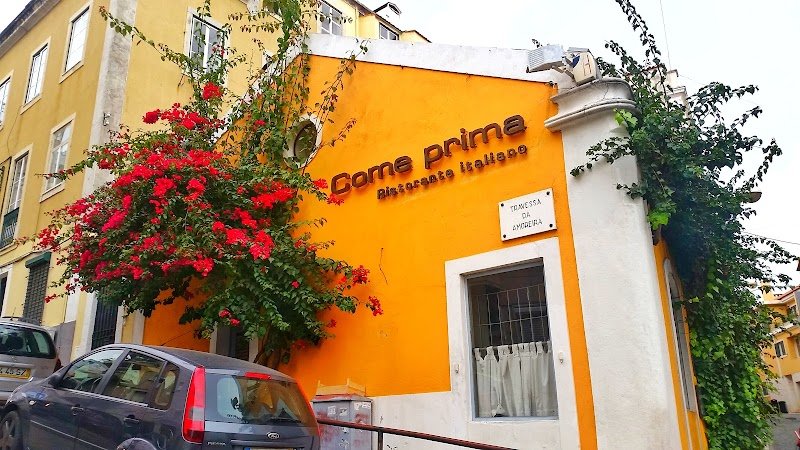
Come Prima

Come Prima

4.9 (9.3k reviews)
$$
LocationR. do Olival 258, 1200-744 Lisboa, Portugal
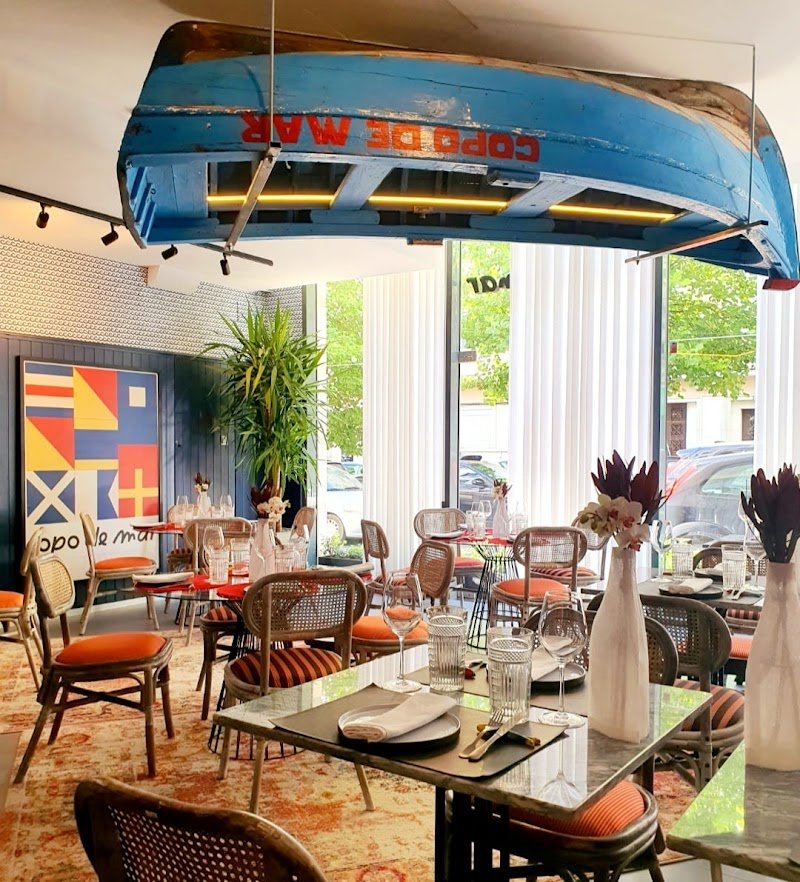
Copo de Mar

Copo de Mar

4.8 (1.4k reviews)
$$
LocationAv. Barbosa du Bocage 107A, 1050-052 Lisboa, Portugal
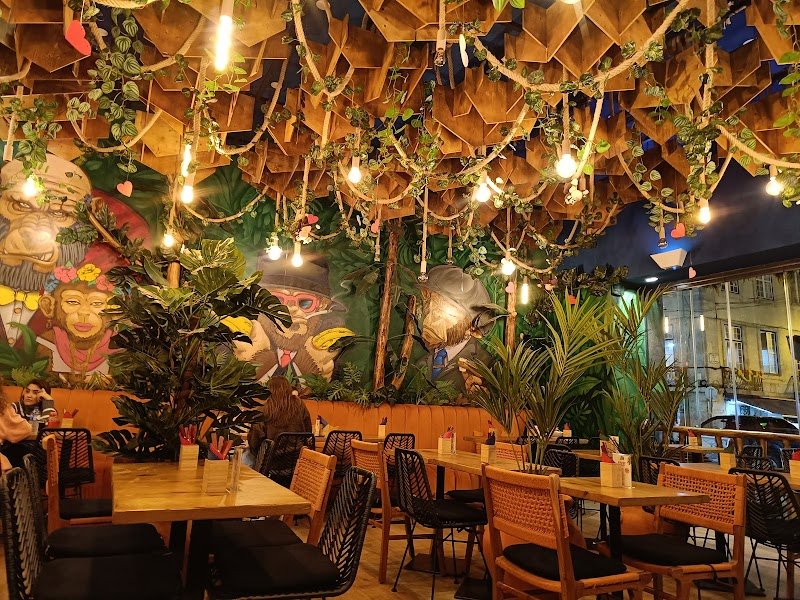
El Clan - Restaurante Português

El Clan - Restaurante Português

4.7 (3.7k reviews)
$$
LocationR. Dom Duarte 4A, 1100-198 Lisboa, Portugal
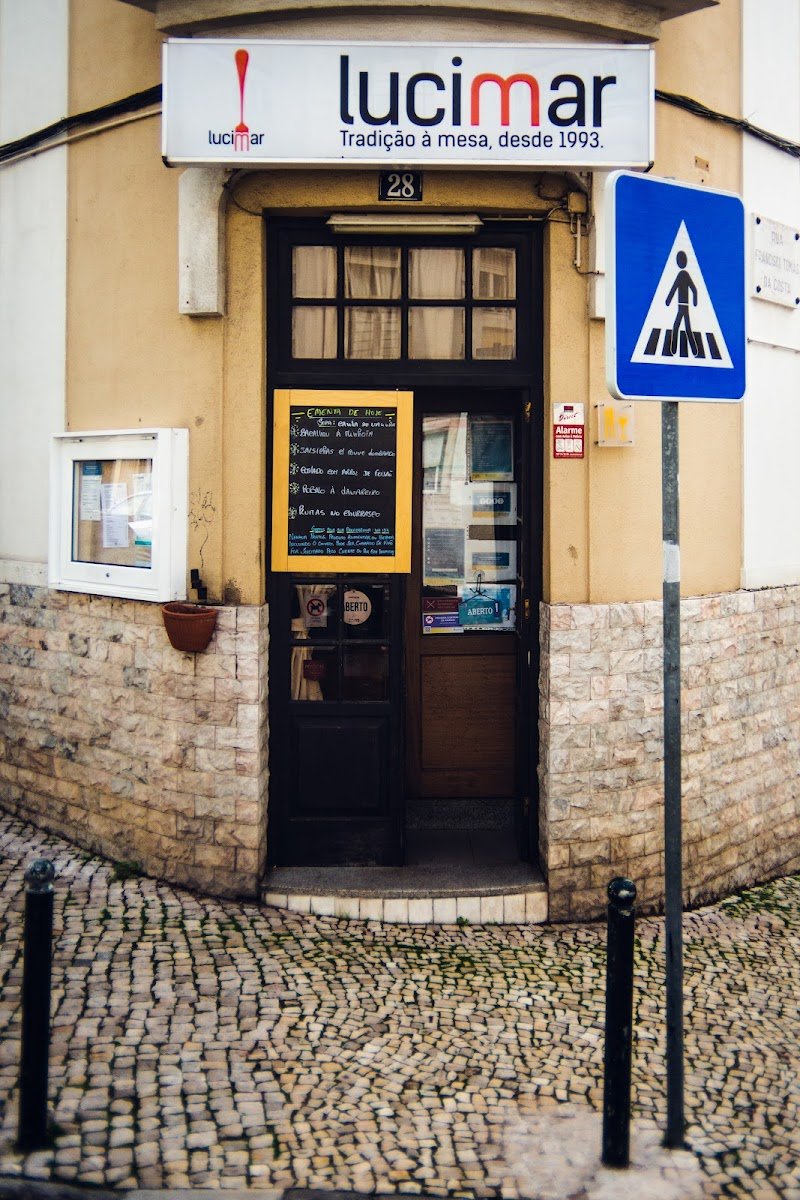
Lucimar

Lucimar

4.7 (4.5k reviews)
$
LocationR. Francisco Tomás da Costa 28, 1600-093 Lisboa, Portugal
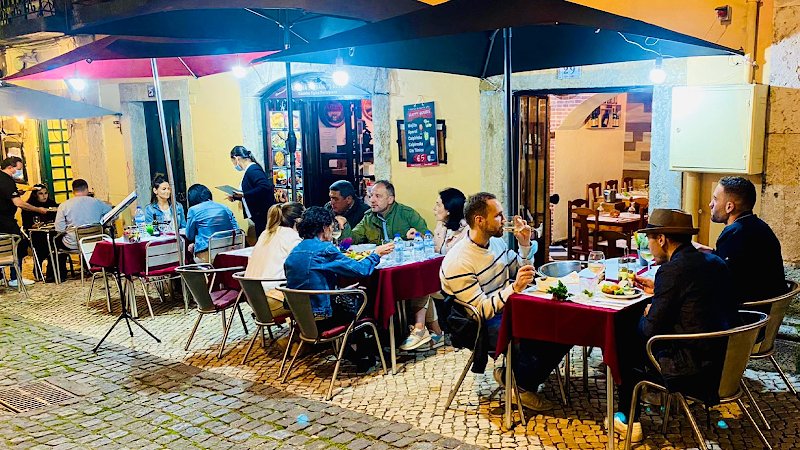
Taberna do Bairro alto

Taberna do Bairro alto

4.6 (5.9k reviews)
$$
LocationTv. da Boa Hora 27, 1200-063 Lisboa, Portugal

Accommodations

Contrast stirs you as soon as you set foot in Lisbon. Old trams groan uphill beside boutique hotels. Deep shade pools in Moorish alleys just steps from buzzing rooftop bars. Where you stay shapes which side of Lisbon you meet each day. Pick the wrong area, and you may spend half your trip wishing for quieter nights or a flatter walk home. The city’s neighborhoods set the tempo—choose wisely.

Neighborhood Overview

  • Alfama – Lisbon’s eldest neighborhood. Think cobblestone streets twisting toward the river, washed in fado music at night. Perfect for couples or solo travelers who love history and don't mind steep stairs or being a bit away from Metro stops.
  • Bairro Alto – Where Lisbon stays up late. Buzzing with tiny bars, LGBTQ+ friendly clubs, and street parties on weekend nights. Great for night owls or groups of friends, though less so for light sleepers or families.
  • Baixa & Chiado – Heart of downtown. Elegant squares filled with pastel buildings, broad boulevards, and top shopping. Easy access to major sights and public transit. Families, first-timers, and those wanting big hotel comforts will feel most at home here.
  • Príncipe Real – Trendy, green, relaxed. Shady gardens, creative shops, and organic cafés draw expats, artists, and parents with strollers. Upscale apartments and boutique hotels here suit couples or anyone wanting style and calm close to downtown.
  • Belém – A leafier, riverside option. Distant from the core but near famous sights: Jerónimos Monastery, Belém Tower, and the best pastéis de nata. Ideal for families or repeat visitors wanting slower mornings after tourist-packed days.

Types of Accommodation

  • Traditional Hotels – Try Hotel Avenida Palace (from €220/night). Central, classic, suited to comfort-lovers and business travelers.
  • Boutique Guesthouses – Memmo Alfama (from €160/night) or Dear Lisbon – Charming House (from €130/night) offer intimate stays, breakfast, and a local feel.
  • Airbnb or Short-Term Apartments – Find restored flats from €80 to €250 per night, ideal for families or longer stays. Especially common in Alfama and Príncipe Real.

Insider Tips for Booking

Book two to four months out for summer or major festivals—rooms fill quickly. July and August usually mean highest prices. Off-season (November–March), rates drop but some guesthouses close. Note: there’s a €2 per person, per night city tax, paid locally.

Mornings in Lisbon spill sun over rooftops, each quartier humming its own tune. Pick your base with care, and every street corner brings discovery—tiles, tarts, old secrets hiding in crooked streets.