Koko Crater Railway Trailhead

Koko Crater Railway Trailhead

Honolulu, U.S.A.
i

Koko Crater Railway Trailhead

Photo by Amrish Majithia

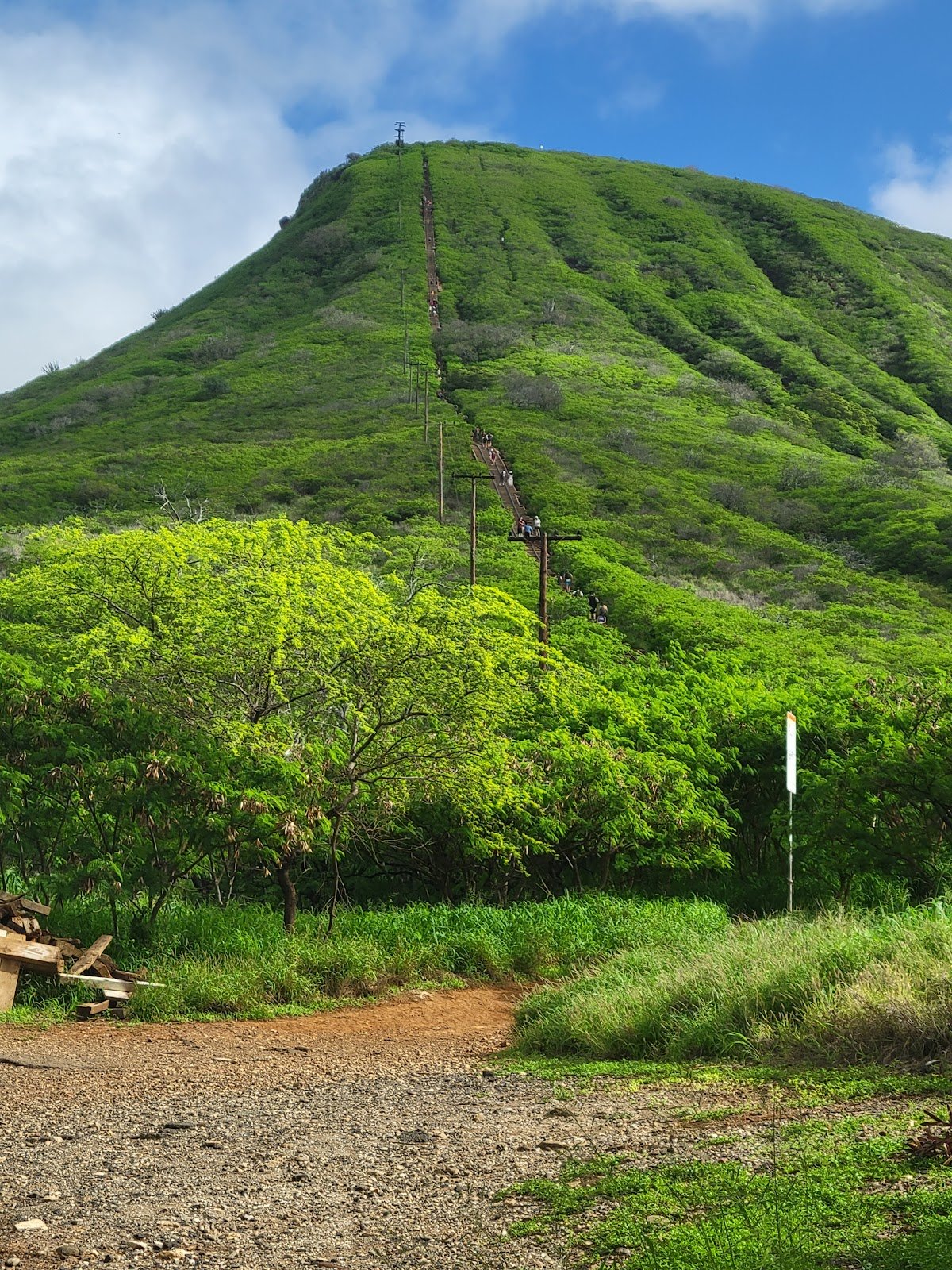
In the warm heart of Oahu rises a landmark unlike any other, blending adventure, nostalgia, and sweeping vistas. The Koko Crater Railway Trailhead, famous for its stair-stepped path set on an old military railway, draws hikers both for the physical challenge and the promise of panoramic Hawaii views. Amidst tropical blooms, sun-scorched slopes, and the distant splash of ocean waves, a climb here becomes far more than a workout—it becomes a memory that lingers long after the dust settles on hikers’ shoes.

Visiting Info

Currency
Entrance fee
Free
Hours
Opening hours
Monday: 4:00 AM – 11:00 PM
Tuesday: 4:00 AM – 11:00 PM
Wednesday: 4:00 AM – 11:00 PM
Thursday: 4:00 AM – 11:00 PM
Friday: 4:00 AM – 11:00 PM
Saturday: 4:00 AM – 11:00 PM
Sunday: 4:00 AM – 11:00 PM

Contact Information

Location
Address
7604 Koko Head Park Rd #7602, Honolulu, HI 96825, USA

Planning your visit

For those seeking both a workout and breathtaking scenery, planning ahead makes all the difference on the Koko Crater Railway Trailhead. Arriving early in the morning helps avoid crowds and sidestep midday heat, while sunset hikes deliver golden views but often attract locals unwinding after work. Public transportation reaches the area from Waikiki or downtown Honolulu, but many prefer to rent a car for maximum flexibility. Parking fills quickly, especially on weekends. The steep stretch of old railway ties climbs about a thousand feet over three-quarters of a mile, presenting a tough challenge for less confident hikers. While fit kids and adventurous families make the trek, the climb is steep and unshaded, so seniors or those with mobility needs may find it tough. Most hikers complete the round-trip in one to two hours, though those who linger at the top’s wind-swept bunkers can spend longer soaking in the view.

  • Best time to visit: Early mornings for cool weather and peaceful trails; late afternoons for dramatic light and sunset.
  • How to get there: City bus #22 or #23 from Waikiki, or 25-minute drive with on-site but limited parking.
  • Accessibility: Steep, uneven railway steps; not stroller- or wheelchair-friendly; best for active hikers.
  • Average visit duration: 1-2 hours.
Must see stuff

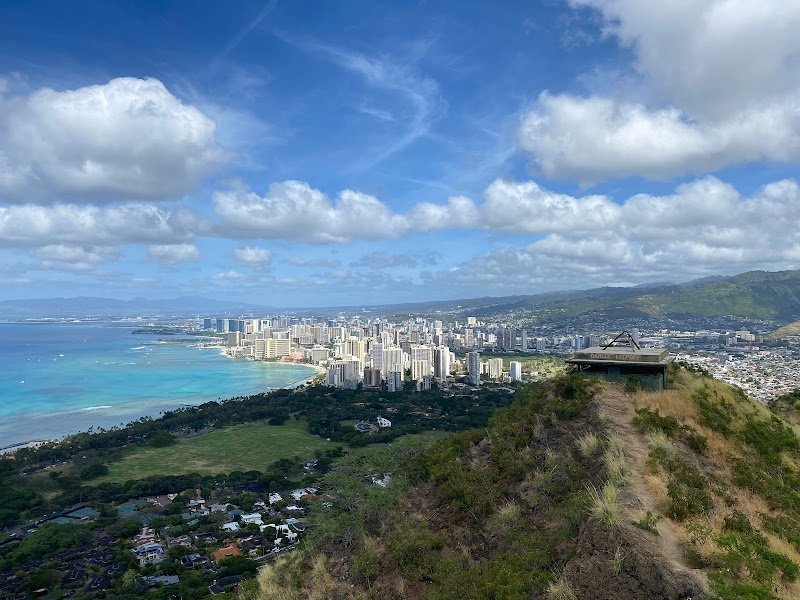
The Koko Crater Railway Trailhead offers more than just a climb—it becomes a lesson in island history, botany, and perseverance. The path itself, built during World War II to carry supplies to the summit bunker, anchors the experience. Each wooden tie holds echoes of Hawaii’s past. The journey upward rewards climbers with changing views: lush communities below, the turquoise sweep of Hanauma Bay to the west, the volcanic ridges arching overhead. At the windy summit, a complex of old observation bunkers tempts explorers and photographers alike. An offshoot path to the right near the summit reveals a quieter perch with equally stunning island panoramas. Seasoned hikers sometimes return by detouring through the Koko Crater Botanical Garden, an often-overlooked loop at the crater floor, alive with plumeria and cacti. Visitors capturing the rusted rails against the rising sun or snapping the brilliant blues of the surrounding Pacific fill social media feeds—and frame the day’s efforts in color and accomplishment.

  • Key sights or features: Historic railway steps, summit bunkers, 360-degree Honolulu and ocean views.
  • Unique experiences: Watching sunrise or sunset from the peak, exploring the hidden right-side overlook.
  • Photo-worthy locations: Midway overlook facing Hanauma Bay, summit platform with Diamond Head in the distance, early morning silhouettes along the tracks.
  • Cultural/historical facts: The railway was built in WWII; today, its remains are a monument to both Hawaii’s military past and present-day community spirit.

Tips for your visit

Preparation shapes every Koko Crater day. Honolulu’s sun is fierce, and there is almost no shade on the trail. The steps, while iconic, become slick when wet or loose in places, so grippy shoes matter. Water bottles are essential, and those aiming for a sunrise start should bring a flashlight or headlamp. The climb tests lungs and legs alike, so frequent breaks at the “halfway bench” or shaded rest points let everyone catch their breath. Locals greet each other but keep a steady pace, and respectful hikers allow others to pass. A bit of patience goes a long way at pinch points on busy weekends. While hikers sometimes see mountain goats on distant slopes, it is best not to stray from the main track. For comfort, sun hats, sunscreen, and a camera capture both the effort and the reward at the crest. The lack of toilets or concessions at the trailhead means planning ahead, but some roadside fruit stands in nearby Hawaii Kai offer juicy, post-hike snacks.

  • Best times to avoid crowds: Weekdays before 8 a.m. or after 4 p.m.
  • What to bring: Water, sturdy shoes, sun protection, snacks, and a camera.
  • Local etiquette or rules: Stay on the official trail, be courteous at narrow spots, pack out all trash.
  • Safety or comfort advice: Avoid hiking in midday heat, watch footing on loose or broken steps, and hydrate often; descend carefully, as the way down can feel steeper than ascent.