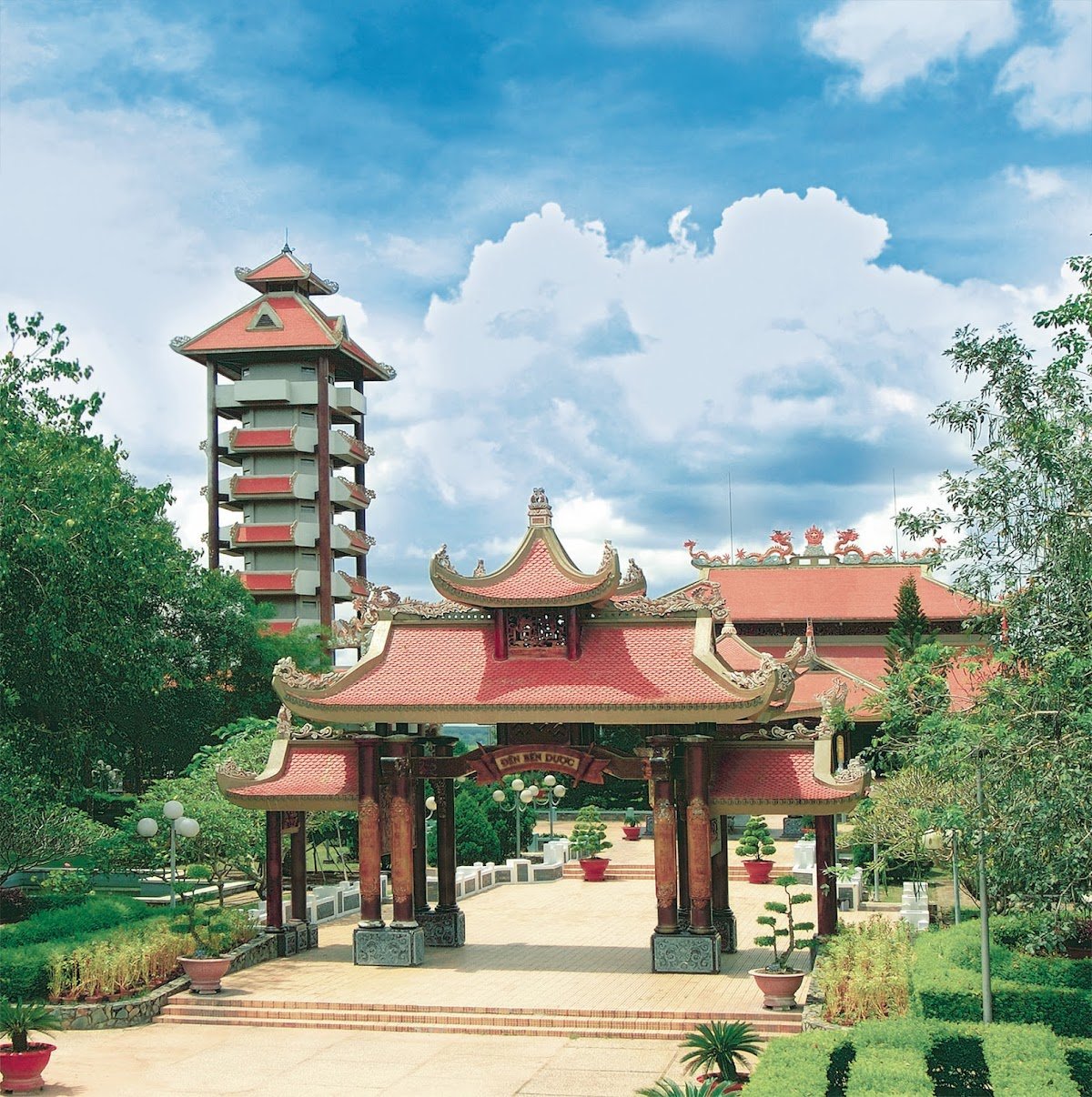
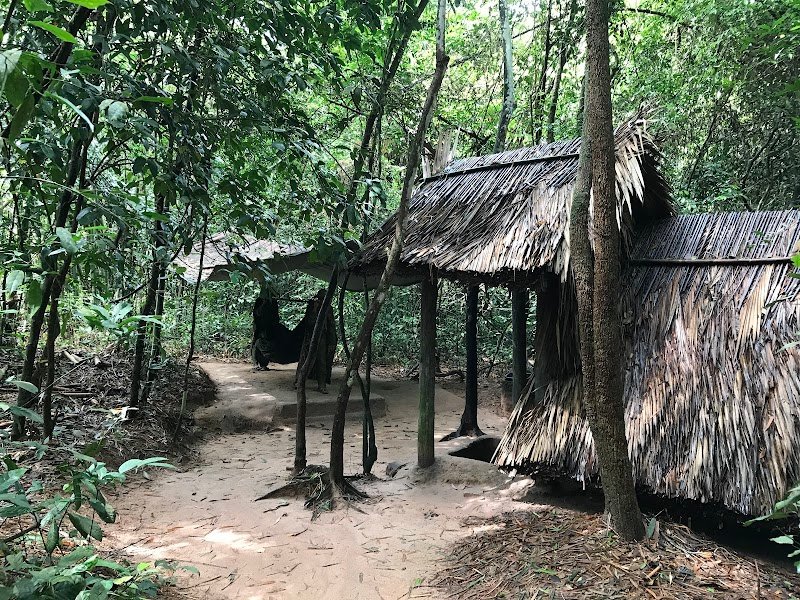
Deep beneath the green countryside outside Ho Chi Minh City, a winding maze of tunnels reveals stories from decades past. Few places blend living history, hands-on activity, and natural beauty quite like the Cu Chi Tunnels. Both a powerful war memorial and a fascinating adventure, this sprawling underground network brings history above ground, inviting modern explorers to imagine life in extraordinary conditions.

Visiting Info

Currency
Entrance fee
110000 VND
Hours
Opening hours
Monday: 7:00 AM – 5:00 PM
Tuesday: 7:00 AM – 5:00 PM
Wednesday: 7:00 AM – 5:00 PM
Thursday: 7:00 AM – 5:00 PM
Friday: 7:00 AM – 5:00 PM
Saturday: 7:00 AM – 5:00 PM
Sunday: 7:00 AM – 5:00 PM

Contact Information

Location
Address
Phú Hiệp, Củ Chi, Ho Chi Minh, Vietnam

Planning your visit

When arranging a trip to the Cu Chi Tunnels, timing, transport, and preparation play important roles. The site sits about 35 kilometers northwest of downtown Ho Chi Minh City, with tours and buses making access easy for most travelers. Early mornings or late afternoons feel cooler and less crowded, while weekends and holidays tend to fill up fast. The visitor center’s modern facilities blend with rustic forest paths, catering to both casual tourists and intrepid learners. Expect some narrow, humid spaces, and prepare to encounter large groups, especially during the midday rush.

  • Best time to visit: Dry season (December to April) for cooler days; arrive early morning or after 3 pm to avoid crowds and midday heat.
  • How to get there: Guided tours from Ho Chi Minh City, public buses (route 13 then transfer to local line 79), or private taxis; travel time is about 1-2 hours each way.
  • Accessibility: Surface paths and exhibits suit families and seniors, but tunnel exploration is challenging for those with mobility issues, claustrophobia, or small children.
  • Average visit duration: Plan for 2-4 hours on site, plus travel time.

Must see stuff

Cu Chi delivers more than old tunnels—it’s a living outdoor museum filled with hidden corners, moving stories, and echoes of resourcefulness. Besides crawling into historic passageways, guests can wander shaded walkways, taste local snacks, or examine original wartime relics. Serious history buffs, families, and adventure seekers all find something to love. Don’t miss these main highlights and unforgettable experiences:

  • Network of tunnels: Slip into restored sections, from tight crawl spaces to knee-high air-raid shelters. Guides often share stories in these dim passages.
  • Underground rooms: See secret meeting chambers, makeshift kitchens, and weapon workshops, all reconstructed to mimic wartime life.
  • Booby trap displays: Walk safely past famous, hand-built traps—now for learning, not harm—while hearing how guerrillas used ingenuity to outsmart soldiers.
  • Riverside rest area: Relax beside peaceful water after the heat and dust.
  • Hands-on activities: Try squeezing through narrow tunnels, sample steamed tapioca (a humble fighter’s meal), or practice with an old hand-cranked well.
  • Photo spots: Lush bamboo groves, camouflaged tunnel entrances, and the simple forest chapel create memorable backdrops.
  • Cultural context: Bilingual guides recount both struggle and resilience, giving faces to Vietnam’s wartime past and hope for its future.

Tips for your visit

While the Cu Chi Tunnels inspire awe, a little planning helps avoid common snags. Guides speak English and Vietnamese, but signs can be brief. Steady legs and a dash of patience go a long way in this semi-rural setting. And while surface paths stay breezy and safe, underground sections turn hot and snug, sometimes muddy after the rain. With that in mind, a few thoughtful preparations make for a smoother adventure:

  • Best times to avoid crowds: Arrive before 10 am or after 3 pm; weekdays also tend to be quieter than weekends.
  • What to bring: Bottled water, light snacks, hat or sunscreen, bug spray, sturdy shoes, and a camera.
  • Local etiquette or rules: Dress modestly, especially for older guests or local holidays; always ask before taking close-up photos of staff or guides.
  • Safety or comfort advice: Skip the narrow tunnels if you have breathing problems, joint pain, or dislike enclosed spaces. Use handrails where available; be mindful of steps and low ceilings.