Google Places photo

War Remnants Museum

i

Google Places photo

Photo by Jeffrey Marrs

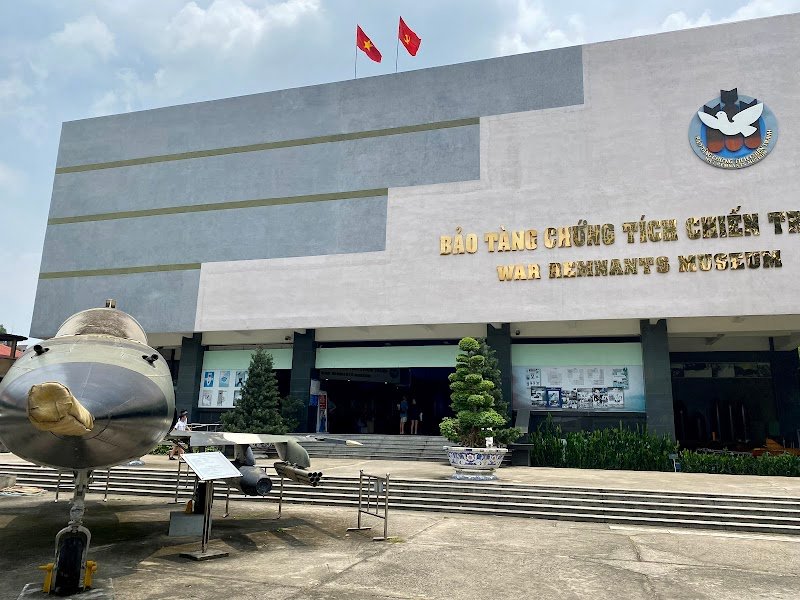
In the heart of Saigon’s urban bustle, a single building quietly packs decades of difficult history behind its glazed front. The War Remnants Museum is more than a collection of artifacts; it stands as a testament to resilience, memory, and the lasting power of human stories. For anyone hoping to understand Vietnam’s complex past, this museum reveals the personal and global consequences of war with striking honesty.

Visiting Info

Currency
Entrance fee
40000 VND
Hours
Opening hours
Monday: 7:30 AM – 5:30 PM
Tuesday: 7:30 AM – 5:30 PM
Wednesday: 7:30 AM – 5:30 PM
Thursday: 7:30 AM – 5:30 PM
Friday: 7:30 AM – 5:30 PM
Saturday: 7:30 AM – 5:30 PM
Sunday: 7:30 AM – 5:30 PM

Contact Information

Location
Address
Phường 6, Quận 3, Hồ Chí Minh 700000, Vietnam

Planning your visit

Before stepping inside the War Remnants Museum, some planning ensures a smoother experience. Located in District 3, the museum is central—and popular—especially on weekends and Vietnamese public holidays. Most visitors find half a day enough to explore, though some linger much longer, reflecting or photographing the exhibits. Arriving in the morning often means cooler temperatures and fewer crowds outside the building, while afternoons sometimes see tour groups moving through at a faster pace. Tickets are inexpensive and available at the door, but preparing for busy periods prevents disappointment.

  • Best time to visit: Weekday mornings, especially between October and March when weather is cooler
  • How to get there: Accessible via taxi, rideshare apps, bus lines (Number 14 and 28 stop nearby), or on foot from landmarks like the Reunification Palace
  • Accessibility: Ramps and elevators serve all public floors—reasonable for families, seniors, and wheelchair users
  • Average visit duration: 2 to 3 hours is typical, but history enthusiasts may spend longer

Must see stuff

The War Remnants Museum divides its stories between outdoor weapon exhibits and indoor galleries. The front courtyard greets visitors with hulking helicopters and tanks that draw the eye—and the camera—straight away. Inside, themed rooms unravel the war’s legacy, from the powerful “Requiem” photo collection to the sobering Agent Orange exhibit. Each display gives voice to ordinary people as well as the famous, making history feel immediate and raw. Beyond the headlines, visitors discover the daily objects, photos, and letters that connect today’s Saigon with its past. Some moments linger for days—like the stories of journalists or the preserved old prison cells with chilling relics inside.

  • Tanks, planes, and helicopters: US military machinery in the open-air yard, perfect for memorable photos
  • Photographic galleries: Especially “Requiem,” showing war through the lens of Vietnamese and international photojournalists
  • Agent Orange and chemical warfare exhibit: Stark, emotional accounts that heighten understanding of lingering effects across generations
  • Tiger cages: Small, haunting replicas of South Vietnamese prison cells, complete with historical background
  • Hidden gems: Exhibits detailing Vietnamese civilian resistance and daily life during wartime—often overlooked, but deeply moving
  • Top photo spots: Front courtyard with aircraft, main museum sign, colorful murals in side courtyards

Tips for your visit

Veteran travelers find thoughtful preparation makes a visit to the War Remnants Museum both more comfortable and more meaningful. Although the museum’s subject matter can be heavy, open-mindedness and a sense of respect are appreciated—and expected—by locals and staff. Take breaks in shaded areas or the café. Photography is allowed in most sections, but flashing in sensitive rooms is discouraged. A small drawback remains: signs and labels may suffer from awkward translations, but content shines through with patience and curiosity. Drinking water is sold at kiosks near the entrance but bringing a bottle is wise, especially in the heat of the afternoon.

  • Best times to avoid crowds: Early weekday mornings
  • What to bring: Bottle of water, lightweight clothes, camera or phone, notepad if you want to remember details
  • Local etiquette: Dress respectfully, speak softly in exhibition rooms, be mindful of somber content
  • Safety and comfort: Museum is safe and family-friendly, but some exhibits are graphic—accompany sensitive young visitors as needed