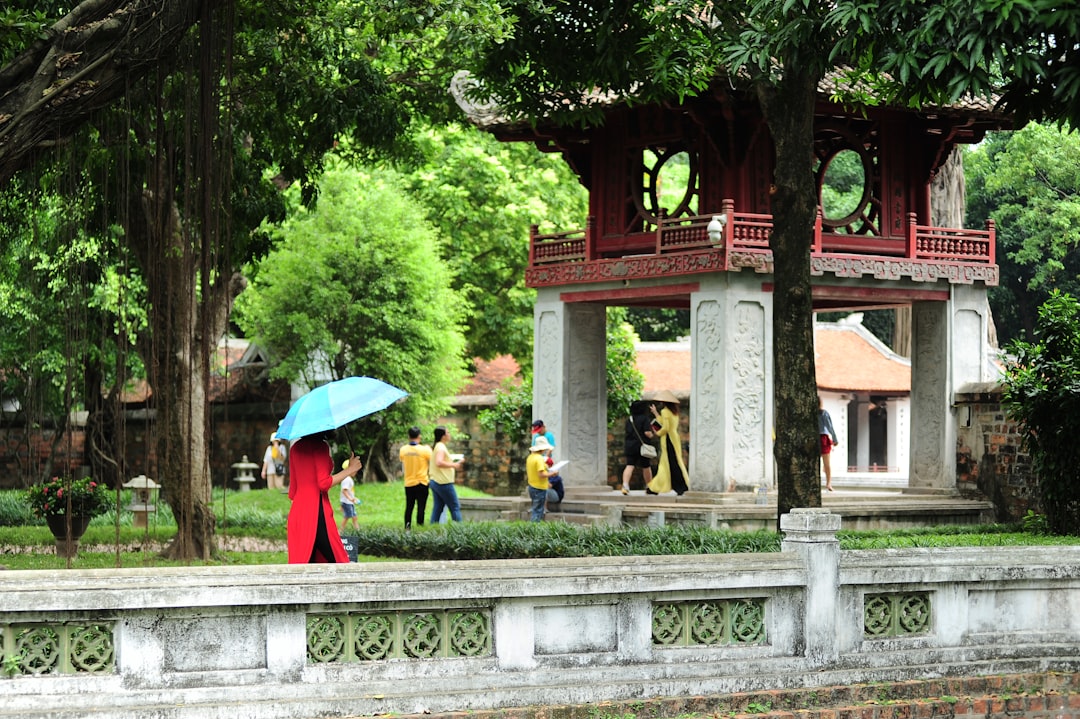
people walking on gray concrete stairs during daytime

Temple Of Literature

Hanoi, Vietnam
i

people walking on gray concrete stairs during daytime

Photo by Ama Journey

Once the beating heart of Vietnam’s academic tradition, the Temple of Literature remains Hanoi’s most enchanting window into a scholarly past. Gently removed from the chaos of busy streets, the landmark offers tranquil courtyards, sweet-scented gardens, and centuries-old architecture where visitors walk in the footsteps of royal scholars and curious learners. It’s where ancient stories mingle with the gentle rustle of bamboo, and wisdom seems almost to drift through the air.

Visiting Info

Currency
Entrance fee
70000 VND
Hours
Opening hours
Monday: 8:00 AM – 5:00 PM
Tuesday: 8:00 AM – 5:00 PM
Wednesday: 8:00 AM – 5:00 PM
Thursday: 8:00 AM – 5:00 PM
Friday: 8:00 AM – 5:00 PM
Saturday: 8:00 AM – 5:00 PM
Sunday: 8:00 AM – 5:00 PM

Contact Information

Location
Address
58 Quốc Tử Giám, Văn Miếu – Quốc Tử Giám, Đống Đa, Hà Nội, Vietnam

Planning your visit

Travelers planning a trip to the Temple of Literature should expect a destination that gets lively, especially during weekends or school holidays. Reaching this cultural treasure is easy from most central Hanoi neighborhoods, thanks to dedicated taxi stands, city buses, and accessible sidewalks. Tickets are reasonably priced, and the entrance is set up for quick movement, though families and seniors will find the leafy grounds and benches especially convenient for breaks. Exploring every shaded corner can take an hour or two, but many visitors linger longer—drawn in by the sense of calm and history that only grows stronger the deeper inside you wander.

  • Best time to visit: Early morning or late afternoon for gentle light and fewer visitors. Spring is especially pretty with jasmine in bloom.
  • How to get there: Taxis, Grab (ride-hailing), and several city bus lines stop within a short walk. Walking from the Old Quarter is possible for those eager to see more of Hanoi’s streets.
  • Accessibility: Shaded paths and wide entrances make it manageable for families with strollers or visitors with mobility needs, though some steps can’t be avoided if exploring every corner.
  • Average visit duration: 1–2 hours, depending on interest in history and time spent in gardens.

Must see stuff

The Temple of Literature feels like a series of doors opening into calmer and older spaces. Each courtyard brings a shift—a new kind of stone, a set of dragon pillars, or the delicate scent from lotus ponds. Whether coming for the architecture, the statues, or that hush which makes you speak in whispers, several highlights draw even the busiest travelers to pause and look closer.

  • Main Gate and Turtle Steles: Snap a photo beneath the red-roofed main gate, then study the stone turtles carrying tablets—engraved with the names of 700-year-old scholars who once passed rigorous exams here.
  • Well of Heavenly Clarity: Find this tranquil pond, its surface calm enough to mirror the sky. Perfect for quiet reflection or a stunning landscape shot.
  • Sanctuary of Confucius: Peer inside the main sanctuary, where incense spirals drift above polished centuries-old altars. Student groups sometimes leave offerings here for luck before important exams.
  • Temple Gardens: Wander among frangipani, banyan, and magnolia, catching glimpses of sculpted stone and flower petals floating together.
  • Small Museums: Hidden in adjoining rooms and pavilions, quirky displays feature old schoolbooks, ceremonial clothing, and ancient calligraphy tools.
  • Performance Pavilion: Occasionally, lucky visitors stumble on traditional music or poetry recitals under tiled eaves—check local schedules ahead for these gems.

Tips for your visit

The rhythm at the Temple of Literature is kinder to those who arrive prepared. While most wanderers feel instantly at ease, a few common-sense tips can help avoid midday heat or the slow crawl of a weekend crowd. A bottle of water and well-tied walking shoes make a difference, especially when exploring shaded pathways or braving the sun. Local rules encourage modest dress and a gentle tone—be mindful around incense altars, and keep snacks out of sight to respect the site’s sacred purpose. The grounds stay safe and well-policed, but a zipped bag and an eye for slipperier stone steps in rainy season go a long way to guaranteeing comfort.

  • Best times to avoid crowds: Weekday mornings see the fewest visitors; rainy days offer solitude but bring slippery paths.
  • What to bring: Sun hat, reusable water bottle, camera, comfortable walking shoes, and a light scarf or jacket for temple etiquette.
  • Local etiquette: Dress modestly (shoulders and knees covered), keep voices low, and always walk around rather than in front of worshippers or those burning incense.
  • Safety and comfort: Mind the uneven flagstones and keep bags close, especially on festival days or busy weekends.