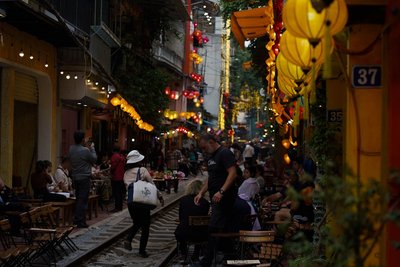
a group of people walking down a train track
gray high-rise buildings under gray clouds during golden hour
brown and white concrete building near green trees under white clouds during daytime
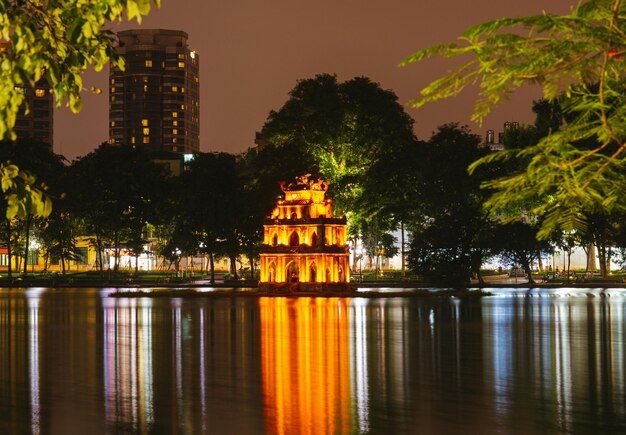
Illuminated building by lake at night

Hanoi

Vietnam
HistoricalArt & ArchitectureUNESCO World HeritageCulturalMarketplace & Shopping
i

a group of people walking down a train track

Photo by Elric Pxl

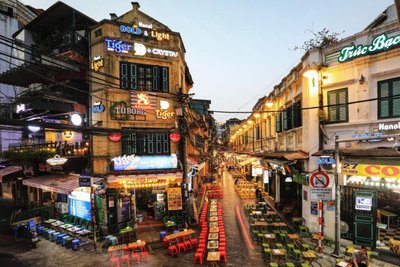
Hanoi hits you first with its rhythm: scooters weaving through ancient streets, pho steam rising from sidewalk stalls, and the soft clap of bamboo hats in open markets. Around Hoan Kiem Lake, early risers practise tai chi as the water catches morning light. In the Old Quarter, shops spill onto the pavement, selling everything from silk scarves to sizzling bánh xèo. Cross into the French Quarter and the city calms—tree-lined boulevards, faded colonial facades, and cafés where strong coffee comes thick with sweetened milk. By evening, beer stalls on Tạ Hiện fill with laughter, tiny stools packed shoulder to shoulder. Hanoi’s charm is layered: part old-world grace, part lively chaos. It’s a place where small moments—a shared smile, a perfect bowl of noodles—stay with you long after you’ve left.

Quick Facts

currency
VND
languages
Vietnamese
airports
Noi Bai International Airport
size
Mega City
power
Type A, Type C, Type D, Type G
timezone
GMT+7
safety
Moderately safe
costs
Cheap

General Information

Safety indexHanoi is generally considered safe for tourists, scoring around 70 out of 100 on safety indexes. Petty crimes like pickpocketing in crowded places and traffic accidents are the most common risks. Violent crime is rare. Always take standard precautions and beware of scams, especially regarding taxis and motorbike rentals.

Best Time to TravelThe best time to visit Hanoi is from October to April, especially between October and December when the weather is cool, dry, and comfortable. These months offer pleasant temperatures ranging from 17°C to 24°C (63°F to 75°F) and lower humidity.

Least crowded and still a good time to visitIf you prefer to avoid crowds and still enjoy decent weather, consider visiting in late February to early April. Tourist numbers are lower after the Tet Holiday and before the summer heat and rains begin.

BudgetHanoi is a budget-friendly destination. Backpackers can manage on $25–$40 per day, including accommodation, meals, and local transportation. Mid-range travelers might spend $50–$120 per day. Luxury options are available but inexpensive by global standards.

Healthcare and VaccinationsHanoi has well-equipped international hospitals and clinics, especially in the expat districts. Pharmacies are widespread. Travelers are advised to have comprehensive travel insurance and check medical facility eligibility with their insurer. Tap water is not safe to drink; stick to bottled or boiled water.

Visa RequirementsMost nationalities require a visa to enter Vietnam, but there are exemptions (e.g., some European and ASEAN countries for short stays). E-visas are available for many nationalities and can be applied for online before arrival. Requirements and durations may change, so check with the official Vietnam immigration website or your local embassy before traveling.

Weather in Hanoi

°C°F
39102
3289
2475
1762
948
Jan
Feb
Mar
Apr
May
Jun
Jul
Aug
Sep
Oct
Nov
Dec
3020100
Avg. min. temperature
Avg. max. temperature
Avg. precipitation days

First-time travelers

First steps in Hanoi feel like entering a waltz—chaotic, musical, and oddly harmonious. The city greets newcomers not with politeness, but with honest noise: scooter honks, tobacco pipes, vendors hawking fruit from bamboo baskets. Each breath tastes like fresh basil and exhaust—strange, captivating, never quite the same.

Embracing the First Impressions

Start at Hoan Kiem Lake before dawn. Mist lifts off jade water. Old men practice tai chi under age-old trees; women arrange yellow chrysanthemums beside incense. Pause to soak in the reflection—the city shaking off sleep. Step north into the Old Quarter's knot of alleys, where history tangles with daily life. Every turn spools out stories: bakers flipping bánh mì, seamstresses stitching ao dai, schoolkids slipping past on bicycles.

Let your feet guide you past colonial facades streaked with moss, their shutters framing family rooms and alley noodle shops. Try a hot bowl of phở gà at Pho Gia Truyen (49 Bat Dan), where broth simmers beside gossip and laughter. Hear the clatter of ice and spoons in egg coffee at Café Giảng. Hanoi’s flavors demand a slow appreciation—there are layers beneath the first sip, and everyone drinks them a little differently.

Insider Advice for First-Timers

Avoid hurried checklists. Let moments linger. Watch the city’s rhythm shape your day—morning markets, sudden rain, blue dusk glowing above temple roofs. Smiles open doors here quicker than money.

  • Rise early for Long Bien market—see commerce surge before sunrise.
  • Master crossing Nguyen Thai Hoc street: walk confidently, don’t run.
  • Order bún chả at Bún Chả Hương Liên, as Obama once did.
  • Leave room for the unexpected. That’s Hanoi at its finest.

For every first-time visitor, Hanoi unravels like a poem—unfamiliar but haunting, a rhythm you remember only after you’ve left.
Return travelers

On return visits, Hanoi sheds its mask. The city’s pulse drops into your step, and old chaos becomes comfort. The thrill now hides in subtler corners—here, Hanoi opens the back of its hand.

Peeling Back the Layers

This time, skip the main crossroads. Wander deeper, past the flower market at Quang Ba in the dark hour before dawn. Petal-fragrance clings to your sleeves. Overlooked temples—like Kim Liên—lie quiet among sun-bleached courtyards. Locals sip trà đá, speaking in gentle tones. Street life here feels private, unguarded. You notice the ordinary—the weight of sticky rice wrapped in dong leaves, a child’s laugh echoing from a schoolyard near Phan Dinh Phung.

Join a morning jog along West Lake. Egrets drift across the water, and the city speaks softly. Lean in for a bowl of cháo sườn on a plastic stool by Đào Duy Từ, letting the silky rice porridge warm you. Now, smells, sounds, and flavors present themselves less as revelation, more as reunion.

For the Traveler Who Knows the Beat

Embrace the city’s small shifts—the seasonal appearance of young green rice flakes, the new mural blooming on Phùng Hưng street. Browse Tranquil Books & Coffee for conversation and hidden stories. Sit for hours; no one will hurry you. Hanoi rewards patience, repetition, trust.

  • Rise before dawn for the Bai Chay ferry’s morning departure—see life on the Red River.
  • Seek northern-style bánh cuốn at Bánh Cuốn Gia An (25 Thien Quang), cloaked in crispy shallots.
  • Lose an afternoon in the Fine Arts Museum’s upper floors—Vietnamese lacquer paintings gleam in quiet corners.
  • Let the calendar go—Hanoi is best revisited without a plan.

The loyalty of a returning traveler earns new pleasures. Hanoi’s heart is not in its sights, but in its days—changing, patient, utterly true.

Must-see locations

Hanoi Old Quarter

Hanoi Old Quarter

Bustling streets thread through Hanoi Old Quarter, where ancient shop-houses line the maze-like lanes. Savor street food near Dong Xuan Market. Hear temple bells at Bach Ma Temple. Explore local crafts on Hang Ma Street. History lives here.

Learn More
a group of people walking down a street next to a train track
i

a group of people walking down a street next to a train track

Photo by Elric Pxl

Train Street Hanoi

Nestled in Hanoi’s Old Quarter, Train Street draws crowds for photos of trains squeezing past colorful homes just inches away. Locals sip coffee at sidewalk cafés. The track vibrates with daily life and old-world charm.

Learn More
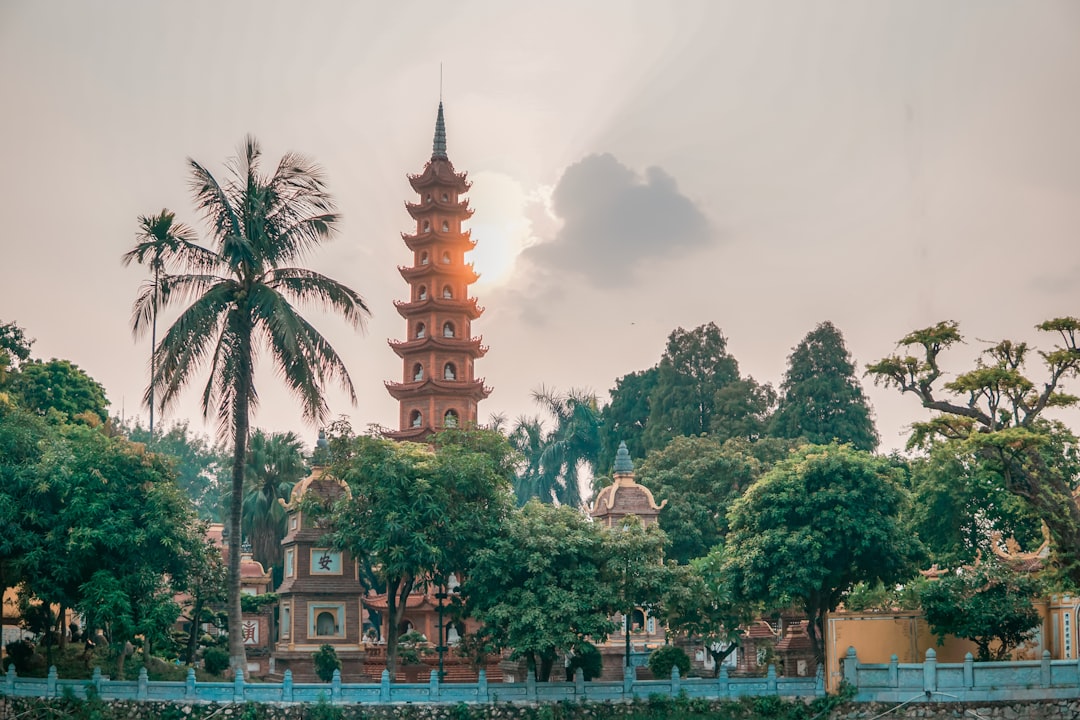
a tall tower sitting next to a body of water
i

a tall tower sitting next to a body of water

Photo by BehindTheTmuna

Tran Quoc Pagoda

Tran Quoc Pagoda rises above West Lake, blending ancient red brick towers with lotus-filled gardens. Visitors can light incense, watch peaceful rituals, or stroll the breezy causeway connecting this historic Buddhist site to Hanoi’s lively heart.

Learn More
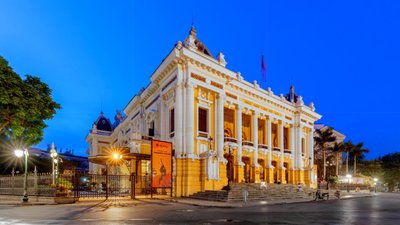
Hanoi Opera House

Hanoi Opera House

Hanoi Opera House dazzles with French colonial charm, golden-flowing stairs, and grand domes. See live ballet or jazz performances, explore historic halls, and soak up Vietnamese arts in the lively Hoan Kiem District.

Learn More
people walking on gray concrete stairs during daytime
i

people walking on gray concrete stairs during daytime

Photo by Ama Journey

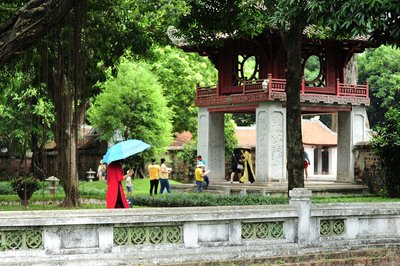
Temple Of Literature

Temple of Literature in Hanoi blends ancient courtyards, peaceful gardens, and intricate pavilions. Scholars once studied Confucian classics here. Today, visitors explore Vietnam’s first national university and see stone turtle stelae.

Learn More

How to get there

By air

Noi Bai International Airport (HAN) is the main airport serving Hanoi with numerous international and domestic flights. It is located about 27 km north of the city center. Airlines operate direct flights from major cities in Asia and several domestic Vietnamese cities.
Options to get to town:
Taxi
Price:
350,000-450,000 VND (~$15-20)
Duration:
30-50 minutes
Where to buy:
At official taxi stands outside the arrivals hall
Airport bus
Price:
45,000 VND (~$2)
Duration:
50-60 minutes
Where to buy:
Tickets from driver or airport bus counters; main options: Bus 86 (Express) & city public buses
Train/shuttle
Price:
40,000-60,000 VND (~$1.70-2.50)
Duration:
45-60 minutes
Where to buy:
Tickets directly at airport shuttle counters or via minibus/van operators outside terminal

By train

Hanoi Railway Station (Ga Hà Nội) connects the city by train to other major destinations in Vietnam such as Ho Chi Minh City, Hai Phong, Sapa (Lao Cai), Da Nang, and more. Trains are comfortable but often slower than buses or flights.
Useful websites for train tickets:

By car

Hanoi is accessible via Vietnam’s highway network. Self-driving is possible for holders of a Vietnamese license; otherwise, private cars with driver or intercity buses are more common. Main roads from the south include National Highways 1 and 5.
Additional charges to be aware of:
Toll / vignette / emission sticker
Cost:
Most expressways have tolls; typically 40,000-100,000 VND per segment (~$1.70-4.20)
How to pay:
At toll booths along the highway
Other driving costs
Cost:
Fuel: ~24,000 VND/litre (gasoline); possible parking fees in city (~10,000-50,000 VND/hour)
How to pay:
Fuel at petrol stations; parking fees at parking lots or street meters

How to get around

Public transport

Hanoi’s public transport system consists mainly of buses and a new metro line. Buses are frequent, inexpensive, and cover most parts of the city, while the Cat Linh–Ha Dong metro line is a fast way to travel between certain districts. Signage may be in Vietnamese, but route maps are available online and from major stops.

Ticket options:
Ticket TypePriceWhere to buy
Single ticket7,000–9,000 VND (bus); 8,000 VND+ (metro)On board (for bus), metro stations (for metro)
Day pass30,000 VND (bus); 30,000 VND (metro)Bus terminals, metro stations

Taxis & ridesharing

Taxis and ridesharing are widely available in Hanoi. Taxis are easy to hail throughout the city, but it’s important to use reputable companies to avoid scams. Ridesharing apps offer convenient and transparent fare options for both cars and motorbikes.

Service providers:
ProviderPriceHow to book
Local taxiStarting from 15,000 VND (flag drop); about 10,000–15,000 VND/km afterStreet hailing, hotel, or taxi hotline
Ridesharing appFrom 15,000 VND (variable by route and demand)Grab, Gojek, or Be mobile apps

Car rental

Car rentals are available but generally not recommended for visitors unfamiliar with Vietnamese traffic conditions. If needed, most rentals come with a driver, as international driving permits may not be fully recognized.

Rental options:
ServicePriceHow to book
Daily rental1,000,000–1,500,000 VND/day (with driver)Local agencies, hotel concierge
Weekly rental6,000,000–9,000,000 VND/week (with driver)Local agencies, hotel concierge

Bike & scooter rental

Bike and scooter rentals are a flexible and popular choice for independent exploration. Bicycles are good for short trips and quieter areas; scooters are ideal for confident riders familiar with busy traffic.

Rental options:
ServicePriceHow to book
Bike rental50,000–100,000 VND/dayGuesthouses, hotels, specialized rental shops
Scooter rental120,000–180,000 VND/dayGuesthouses, hotels, specialized rental shops

What to eat

Dawn breaks with sizzling pans on the narrow streets of Hanoi’s Old Quarter. Aromas of fresh herbs ride on waves of motorbikes. You can hear the clatter of chopsticks before you find your first bowl of noodles. The food is everywhere—each block reveals something steaming, spicy, or sweet. Instantly, you’re part of the city’s lively dining drama. Hunger here feels like curiosity—a journey from alley to alley, where every bite tells a story. This is eating in Hanoi: not just a meal, but a way to unlock the city’s pulse.

Signature Dishes

  • Phở bò: Hot beef noodle soup with silky rice noodles and showered in fresh herbs. Everywhere, but Pho Gia Truyen Bat Dan is legendary.
  • Bun cha: Grilled pork patties in a smokey broth, served with rice noodles, herbs, and pickles. Try it at Bun Cha Huong Lien, where Obama once ate.
  • Bánh cuốn: Soft rice crepes filled with minced pork and mushrooms, topped with crispy fried shallots. Best at Banh Cuon Gia Truyen Thanh Van.
  • Cha ca: Turmeric-spiced fish pan-fried with dill and green onions, scooped up with rice noodles. Seek out Cha Ca Thang Long where the dish was perfected.

Street Food & Markets

Hanoi’s markets throb with chaos and color. Head to Dong Xuan Market in the morning for banh mi hau, a piping hot clam sandwich. Squeeze between stalls for banh ran—deep-fried sticky rice balls stuffed with mung bean paste. Late at night, Ta Hien street hums with BBQ skewers and steaming pots of snails. Watch cooks flip sizzling banh xeo pancakes over open flames. Be nimble—tiny stools and elbow-to-elbow crowds are all part of the show. Prices can jump where groups of tourists gather, so walk a little farther for better deals and flavors.

Sweet Treats & Drinks

Don’t miss che—icy, sweet bowls layered with coconut milk, beans, fruit, and sticky rice. Egg coffee is a rich must-sip, with creamy foam atop bold robusta; Café Giang is the birthplace. For a quick bite, try banh com: fragrant green rice cakes with sweet mung bean. All across the city, sugarcane juice and herbal tea cool the humid air between bites. Desserts may look odd, but the flavors charm in every mouthful.

Why Travelers Eat Here

  • Street food culture that pops up on every corner and never sleeps.
  • Endlessly fresh herbs and produce add bursts of taste to each meal.
  • Open kitchens where cooks flip, fry, and boil right in front of you—total immersion.
  • Signature dishes tied to unique, lively eateries passed down through generations.

In Hanoi, you taste the city’s restless soul. Sidewalks pulse with stories, laughter, and bold, unforgettable flavors—each meal leaving you hungrier for more of the city itself.

Top Rated Restaurants

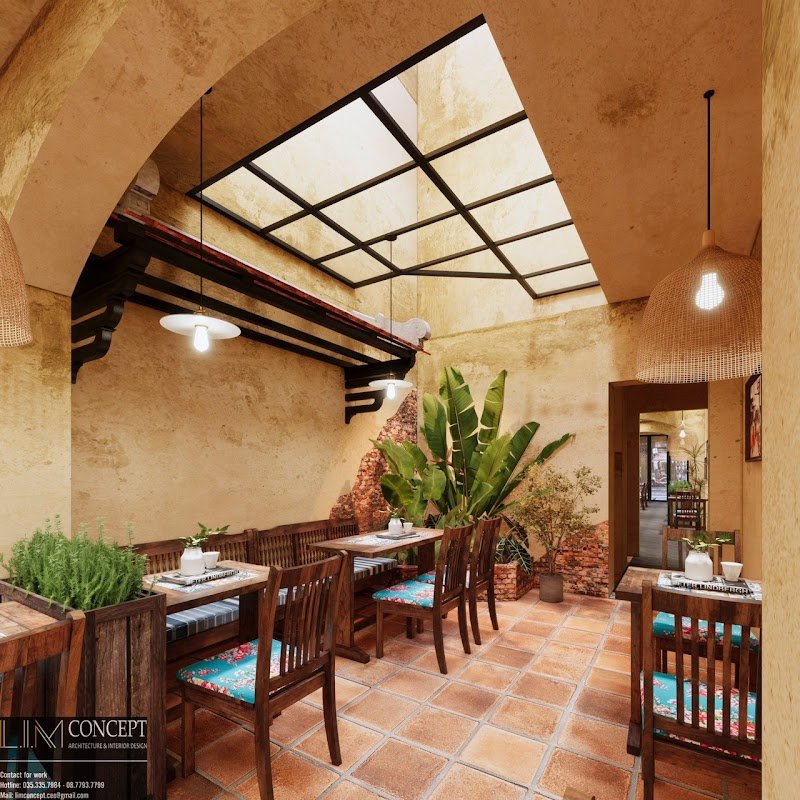
Thuan’s cuisine- Vietnamese restaurant

Thuan’s cuisine- Vietnamese restaurant

5.0 (2.6k reviews)
Location5 P. Nguyễn Siêu, Hàng Buồm, Hoàn Kiếm, Hà Nội 10000, Vietnam
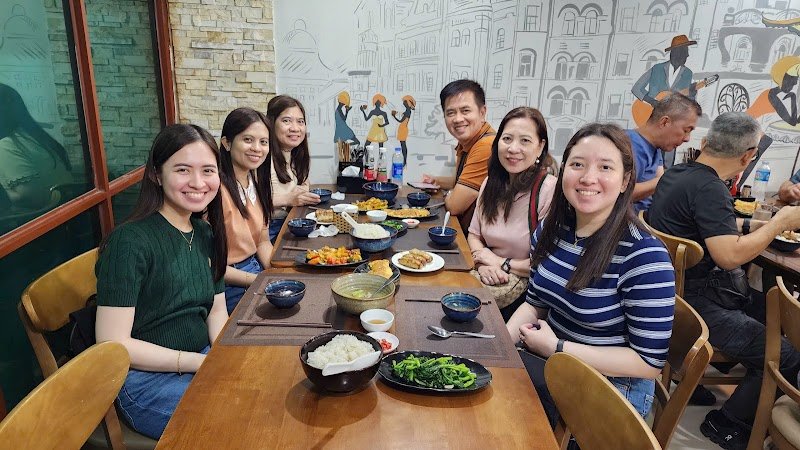
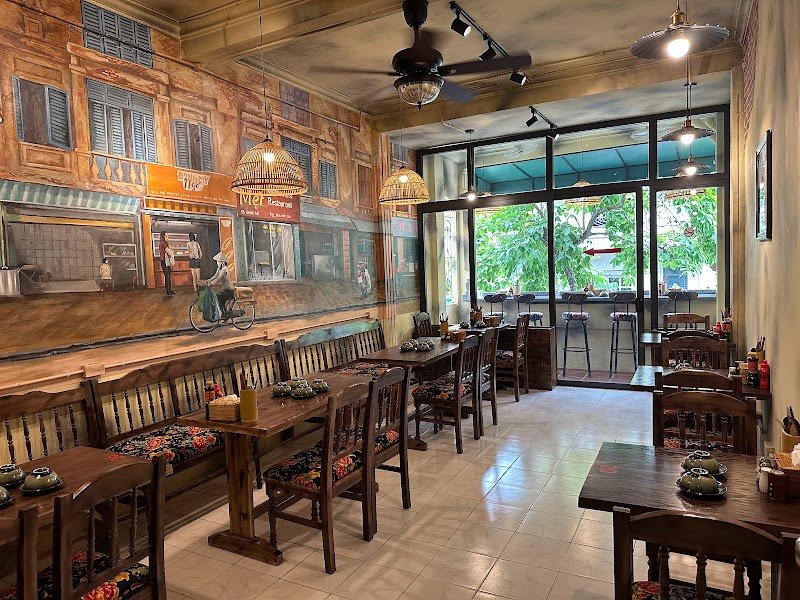
MẸT Vietnamese Restaurant & Vegetarian Met 2

MẸT Vietnamese Restaurant & Vegetarian Met 2

4.9 (21.8k reviews)
$$
Location42 P. Lương Văn Can, Hàng Gai, Hoàn Kiếm, Hà Nội 11015, Vietnam
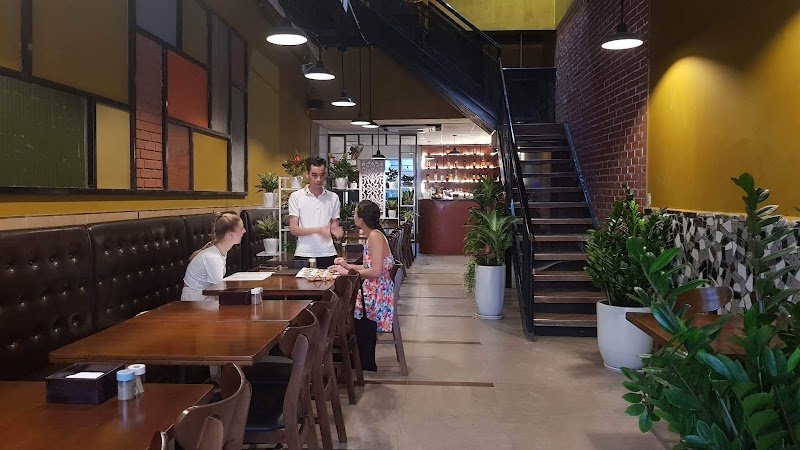
MẸT Vietnamese restaurant & Vegetarian Food 3

MẸT Vietnamese restaurant & Vegetarian Food 3

4.9 (22.3k reviews)
$$
Location110 P. Hàng Bạc, Hàng Buồm, Hoàn Kiếm, Hà Nội, Vietnam
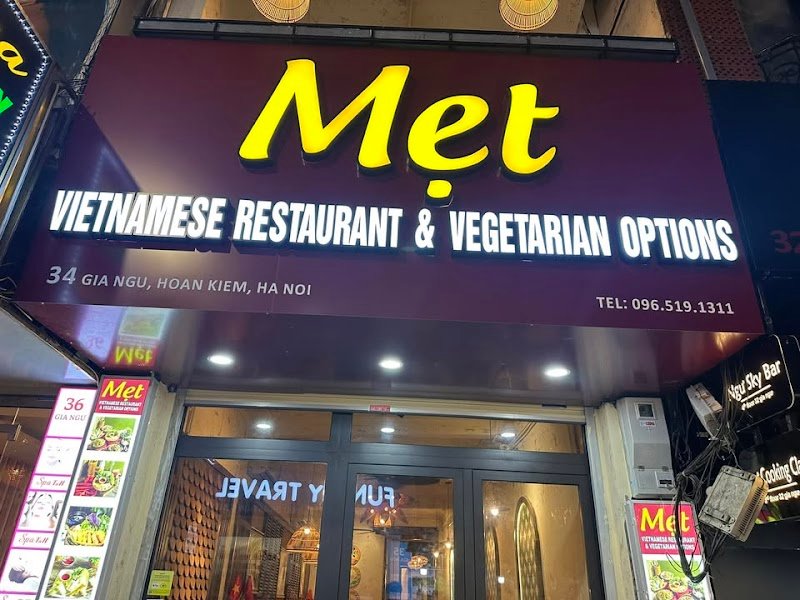
MẸT Vietnamese restaurant & Vegetarian Met 4

MẸT Vietnamese restaurant & Vegetarian Met 4

4.9 (16.2k reviews)
$$
Location34 P. Gia Ngư, Hàng Bạc, Hoàn Kiếm, Hà Nội, Vietnam
Hoang's Restaurant - Vietnamese Restaurant & Vegan Food

Hoang's Restaurant - Vietnamese Restaurant & Vegan Food

4.9 (24.7k reviews)
$$
Location54 P. Hàng Buồm, Hàng Buồm, Hoàn Kiếm, Hà Nội 100000, Vietnam

Accommodations

Hanoi isn’t a city that reveals itself all at once. The street traffic roars and the lakes glimmer, but the spot you choose to lay your head can shape everything. The right neighborhood brings local flavor or calm—or sometimes, sleep. Hanoi’s energy rewards those who stay close to what matches their rhythm. Here, location is as important as comfort.

Neighborhood Overview

  • Old Quarter: Narrow winding streets packed with scooters, food stalls, and shops. Lively day and night—great for solo travelers or couples eager to jump into a sensory overload. Some noise always makes its way indoors, but you’re never far from egg coffee or a piping bowl of pho.
  • French Quarter: Wide boulevards and elegant colonial buildings. Quieter and dotted with high-end hotels. Ideal for families or couples looking for a bit of romance. Weekend walks lead past art galleries and tree-lined avenues—here, evenings wind down gently.
  • West Lake (Tay Ho): Airy, scenic, and favored by expats. Spacious apartments and boutique hotels overlook Hanoi’s largest lake. West Lake suits longer stays and relaxed mornings. Cafés stretch along the water, ideal for digital nomads or those craving a slower pace.
  • Ba Dinh: Close to historic sites like Ho Chi Minh’s Mausoleum and broad government avenues. Mix of mid-range hotels and budget options. Suits travelers who want to pair sightseeing with quieter nights. Local food gems hide on small corners here.
  • Truc Bach: Peaceful and compact, dotted with lakeside cafés. Often overlooked, but perfect for light sleepers or families needing calm. The area sits a short walk from both Old Quarter action and West Lake views.

Types of Accommodation

  • Budget Hostels: Dorm beds from $6–$15 USD, with options near Old Quarter nightlife. Examples: Little Charm Hanoi Hostel, VBH Hostels.
  • Mid-range Hotels and Boutique Stays: $30–$80 USD. Standouts include La Siesta Hotel (Old Quarter) and The Chi Boutique Hotel (French Quarter).
  • Serviced Apartments and Luxury Hotels: $120+ USD. Choose between Somerset West Lake or soft-luxe stays like Sofitel Legend Metropole Hanoi.

Insider Tips for Booking

Book at least two months ahead for high season—roughly October to April. Tet Festival weeks mean higher rates and limited availability. Always double-check if room rates include the 5% service charge and 8% tax—surprises are common. Direct bookings sometimes score free breakfasts or upgrades.

Late at night in Hanoi, the lanterns gleam pale across dull stones. Sounds hush. On my last visit, a tiny balcony room caught sunrise—including the low city hum. Every corner here holds a story—better told between dream and daybreak.

Hanoi Travel Guide - What to See, Do & Eat