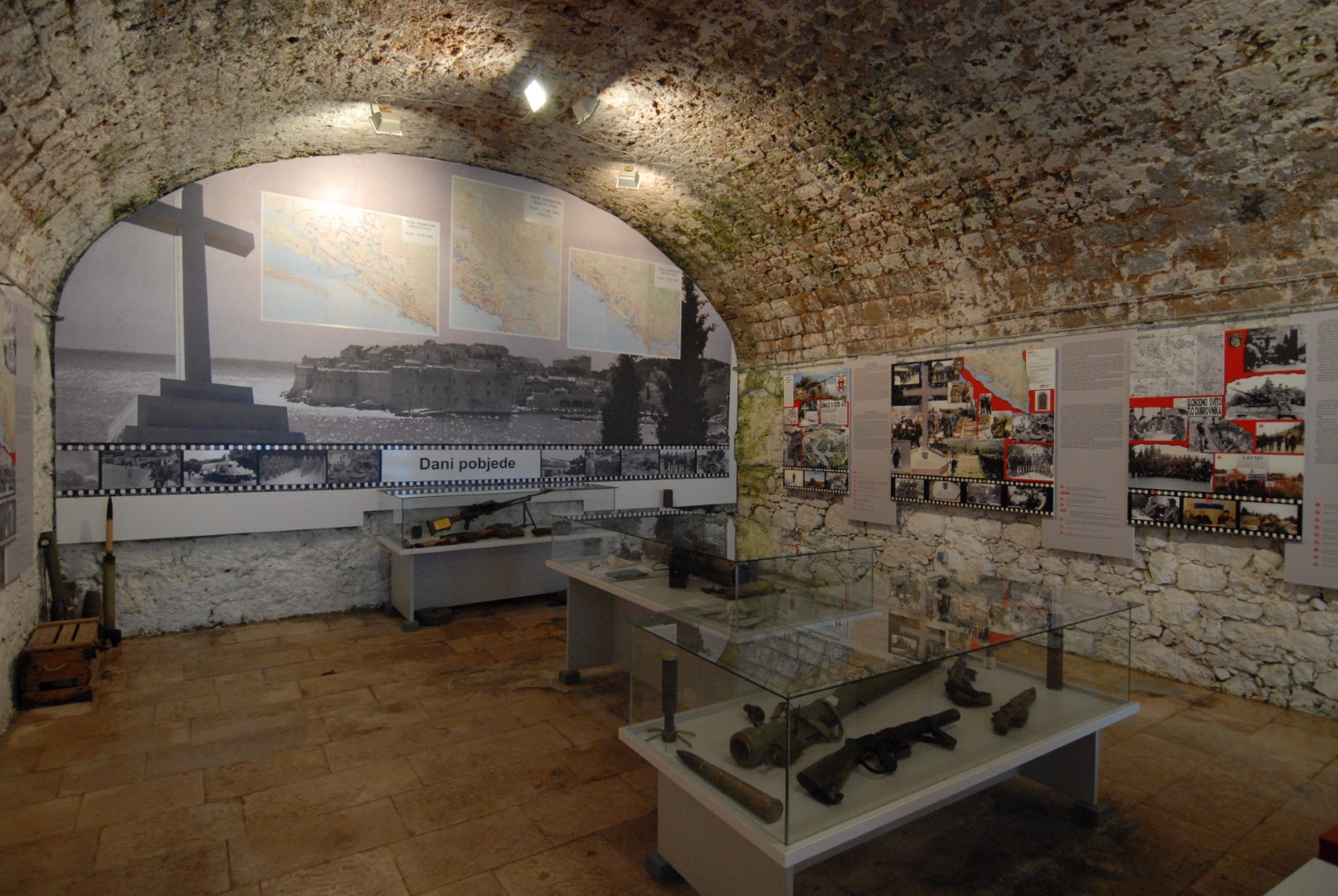
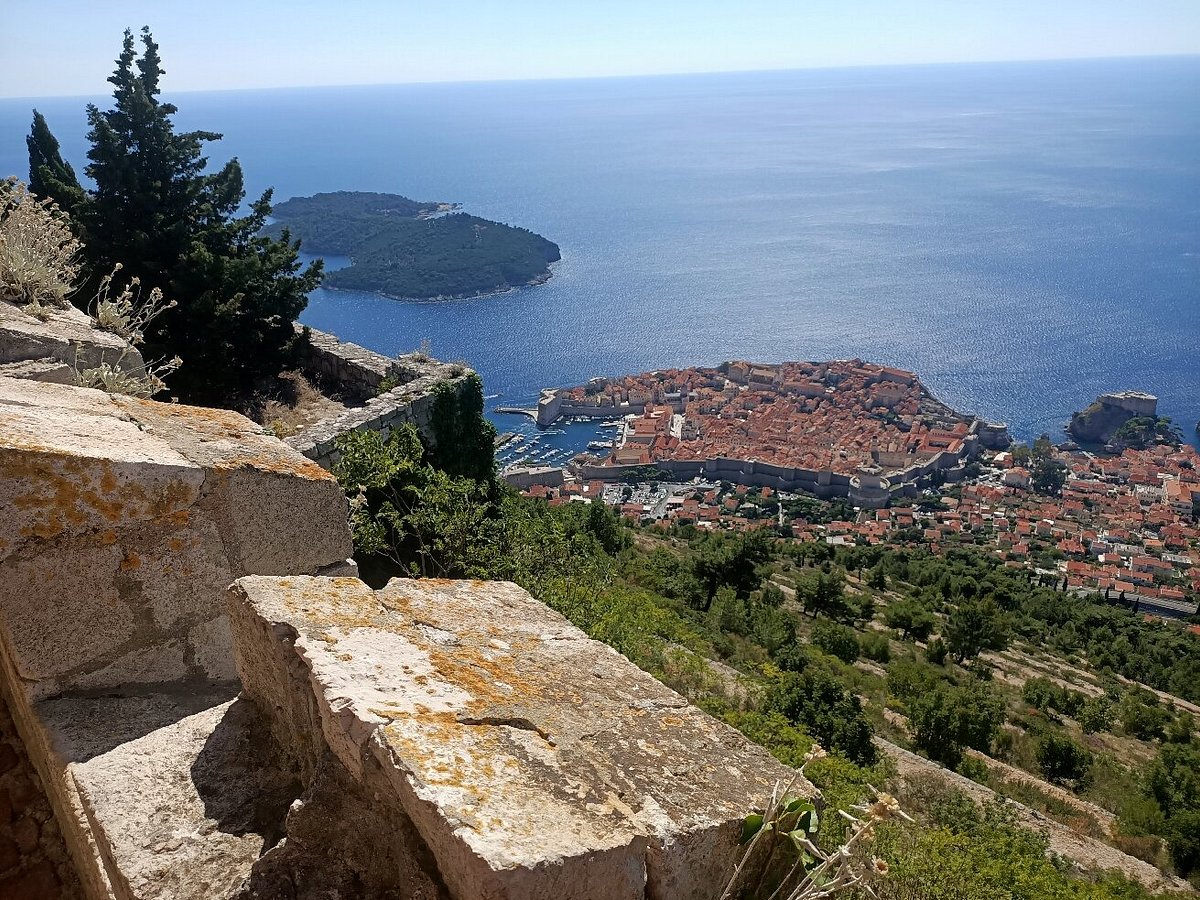
Dubrovnik’s Homeland War Museum showcasing exhibits on the Croatian War of Independence.
Homeland War Museum in Dubrovnik, documenting Croatia’s history and the city’s wartime experiences.

Homeland War Museum

Dubrovnik, Croatia
i

Dubrovnik’s Homeland War Museum showcasing exhibits on the Croatian War of Independence.

Sitting high above Dubrovnik, the Homeland War Museum offers a powerful look at the city’s recent past. Once a frontline fortress during the early 1990s conflict, this site blends sobering history with sweeping views of Croatia’s Adriatic coastline. Around every corner, memories of defense and resilience echo, giving visitors context and meaning beyond any postcard image.

Visiting Info

Currency
Entrance fee
20 HRK
Hours
Opening hours
Monday: 9:00 AM – 5:00 PM
Tuesday: 9:00 AM – 5:00 PM
Wednesday: 9:00 AM – 5:00 PM
Thursday: 9:00 AM – 5:00 PM
Friday: 9:00 AM – 5:00 PM
Saturday: 9:00 AM – 5:00 PM
Sunday: 9:00 AM – 5:00 PM

Contact Information

Location
Address
Dubrovnik HR, Srđ ul. 2, 20207, Mlini, Croatia

Planning your visit

Long before entering the shadowy archways of the Homeland War Museum, visitors should know a few basics. The museum sits inside Fort Imperial on Mount Srđ—a location shaped by military needs and, these days, a magnet for both history fans and sightseers. Warm summer afternoons draw crowds keen for the views, while quieter winter mornings wrap the site in hushed calm. Arriving early or later in the day helps. Reaching the fort is part of the adventure, with winding roads or a climb aboard Dubrovnik’s cable car. Tickets are affordable, but space inside the stone chambers can feel tight on busy days. Be ready for strong emotions and steep stone pathways underfoot, as well as the occasional school group soaking up local history.

  • Best time to visit: Early morning or late afternoon, especially in spring or fall for fewer crowds and mild weather.
  • How to get there: Take the Dubrovnik cable car from the lower station; driving up Mount Srđ is possible, but parking is limited.
  • Accessibility: Families and healthy seniors can manage; steep paths and stairs may challenge those with limited mobility. Strollers are tricky.
  • Average visit duration: Plan for 1–1.5 hours inside, plus extra time for the views.

Must see stuff

The Homeland War Museum’s most striking sights blend heavy history with small moments of wonder. Once a critical bastion during the siege of Dubrovnik, Fort Imperial’s thick walls now hold maps, photographs, and artifacts from the 1991–1995 Homeland War. Visitors move from gloomy corridors lined with armored uniforms to open terraces, where cannons seem to point right at the sunlit city below. Each exhibit helps explain the conflict’s impact on ordinary people, with first-hand stories and haunting wartime footage. Unexpected gems appear too: hand-painted helmets, rescued city flags, and simple messages of hope scrawled on ruined bricks. Don’t miss the panoramic platform—sunset here floods the battlements with golden light. Snap a picture, take a deep breath, and consider the city’s long recovery.

  • Key sights: Permanent exhibition tracing the siege of Dubrovnik, original military gear, personal letters from defenders, and shell-damaged sections of the fort.
  • Unique experiences: Guided tours led by local veterans, short films detailing individual acts of courage, and the silent memorial wall honoring lost lives.
  • Photo-worthy: The panoramic terrace overlooking Old Town, cannons aimed at the sparkling sea, and sunset-lit stone parapets.
  • Local insight: The fort’s role in resisting the siege helped preserve Dubrovnik’s cultural heritage, something locals mark with pride.

Tips for your visit

A little planning adds comfort to a visit where emotions run high and stone uneven. Mornings usually mean fewer crowds—ideal for visitors who want space to linger in reflective corners. Good footwear protects against the fort’s rough flooring. Warmer months get hot under midday sun, so water bottles and sun hats help, especially in the open courtyards. Photos are welcome, but asking before photographing staff or guides is best. While most people dress casually, a quiet respect for the site’s seriousness matters—rowdy behavior feels out of place. Families with young children may want to preview some exhibits for sensitive content. There’s a small café near the cable car station for a drink or snack after the visit. And, though this is not where Dubrovnik’s nightlife pulses, watching the city awaken from the hilltop at dawn has its own magic.

  • Best times: Arrive before 10am or after 4pm for lighter crowds.
  • What to bring: Water, comfortable shoes, a sunhat, and a camera. A light jacket works in winter.
  • Etiquette: Speak softly, avoid eating inside the exhibition, and supervise children near artifacts and ledges.
  • Comfort: Expect some uneven ground and lots of stairs; basic restroom facilities are available near the entrance.
Homeland War Museum – Tickets, Hours & Visitor Guide