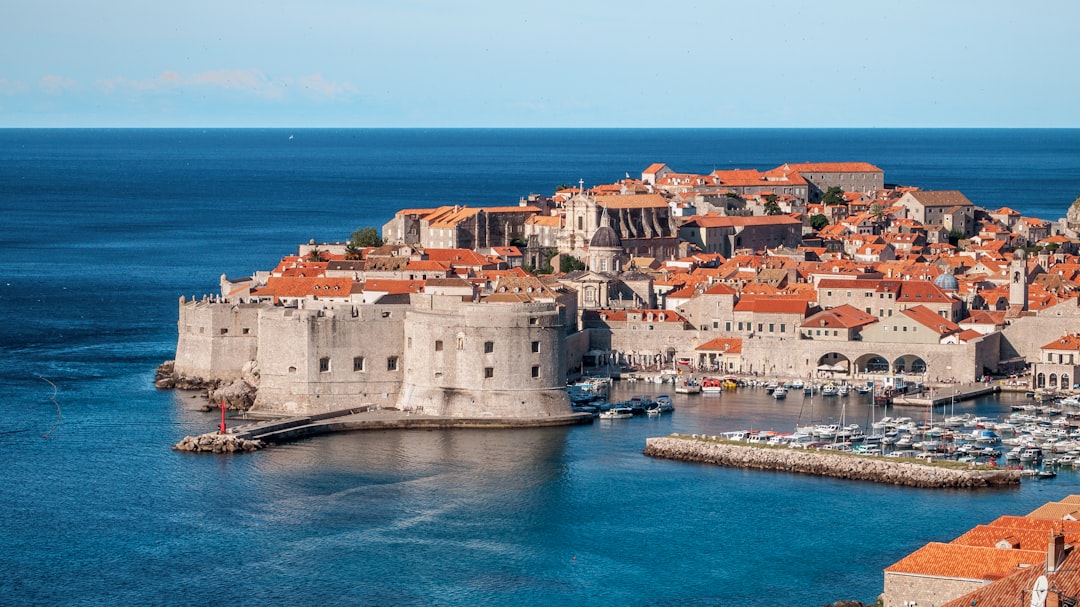
white and red concrete houses beside sea
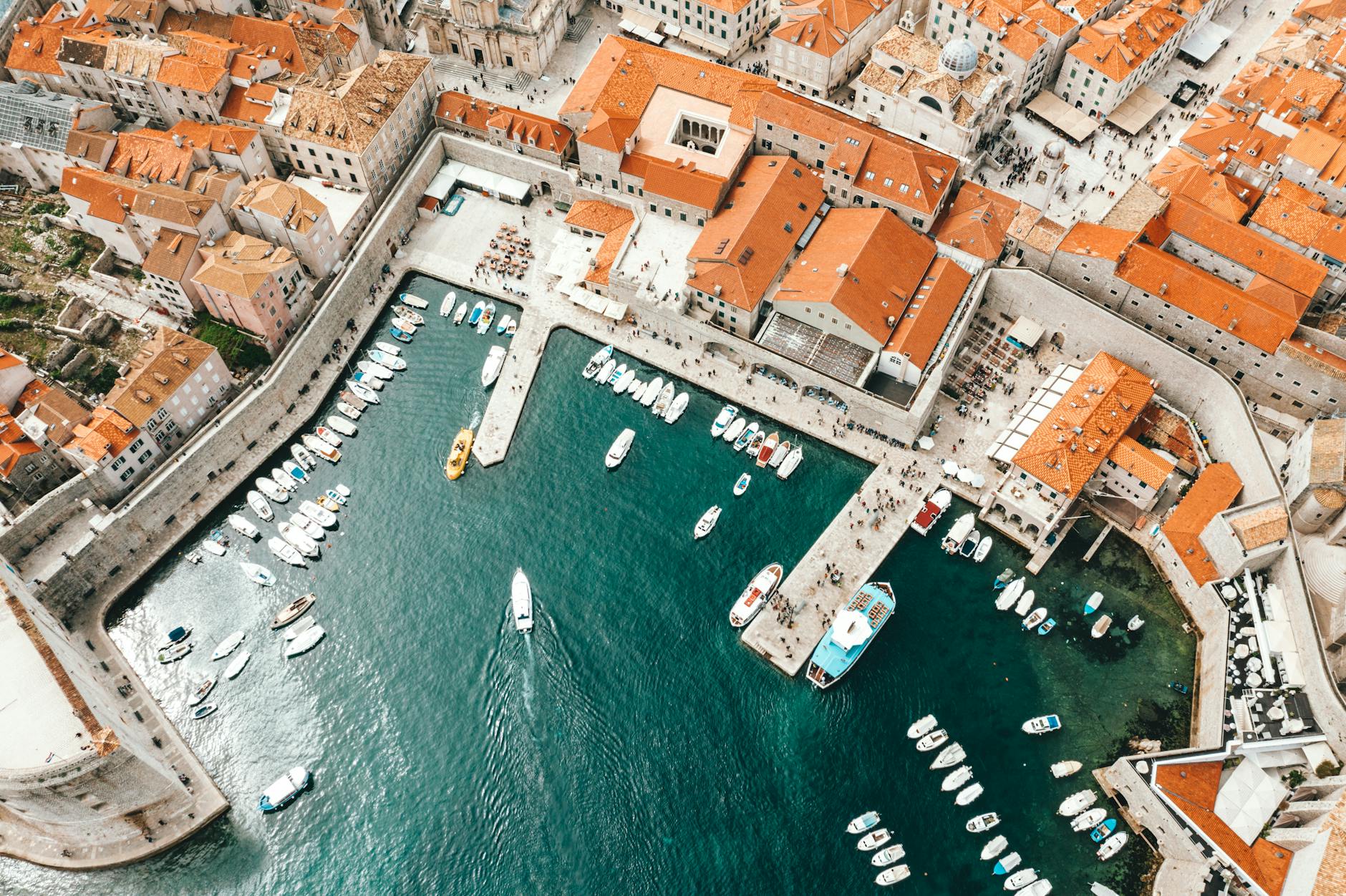
Breathtaking drone view of coastal town with traditional red roofed buildings and harbor with moored boats in Croatia
dubrovnik, croatia, harbour, nature, tourism, dalmatia, summer, adriatic, port

Dubrovnik

Croatia
UNESCO World HeritageIconic LandmarksCulturalHistoricalArt & Architecture
i

white and red concrete houses beside sea

Photo by Ivan Ivankovic

Sea salt hangs in the air as you step onto Dubrovnik’s polished limestone streets, the sun turning the old stone walls a warm gold. Inside the walled city, afternoon echoes with the murmur of café chatter and the shuffle of sandals. Climb the ramparts for a view that sweeps from red-tiled roofs to endless Adriatic blue—perfect for sunset photos that need no filter. Away from the crowds, slip into shaded alleys where laundry flutters above hidden wine bars. Out at Lokrum Island, peacocks wander silent paths and the salt lake invites a lazy swim. Fresh mussels, grilled by the harbour, pair best with a cold local beer. By evening, string lights twinkle over tables in Gundulić Square, the air rich with the smell of wood-fired bread. Dubrovnik shines brightest off-season, when the cruise ships fade and locals reclaim their steps. Expect prices to match the postcard views, but magic’s part of the deal.

Quick Facts

currency
EUR
languages
Croatian
airports
Dubrovnik Airport
size
Medium City
power
Type C, Type F
timezone
Europe/Zagreb (CET, UTC+1, CEST in summer UTC+2)
safety
Safe
costs
Expensive

General Information

Safety indexDubrovnik is generally considered a very safe city for travelers, with a low crime rate and a strong police presence in tourist areas. Pickpocketing can occasionally occur in crowded spots, especially during peak season, so usual travel safety precautions are recommended.

Best Time to TravelThe best time to visit Dubrovnik is from May to early June and from September to early October, when the weather is warm, the sea is pleasant for swimming, and the city is lively but not overcrowded.

Least crowded and still a good time to visitThe least crowded and still enjoyable months are late April, early May, late September, and October. During these periods, most attractions and restaurants are open, prices are lower, and you can explore the Old Town without heavy crowds.

BudgetDubrovnik is considered moderately expensive compared to other Croatian destinations. Expect to spend around $100–$200 per person per day for mid-range accommodation, meals, and basic sightseeing. Cheaper options are available, but Old Town restaurants and hotels tend to be pricier, especially in peak months.

Healthcare and VaccinationsHealthcare in Dubrovnik is of a good standard, with hospitals, clinics, and pharmacies easily accessible. EU citizens can use their European Health Insurance Card (EHIC), while non-EU travelers should have travel insurance that covers medical expenses. No special vaccinations are required for travel to Croatia, but standard vaccines (MMR, DTP, etc.) should be up-to-date.

Visa RequirementsCitizens of the EU, US, UK, Canada, Australia, and many other countries do not need a visa for stays up to 90 days within a 180-day period for tourism. Your passport should be valid for at least three months beyond your intended departure. Check the latest entry requirements as these may change.

Weather in Dubrovnik

°C°F
3595
2780
1864
1049
134
Jan
Feb
Mar
Apr
May
Jun
Jul
Aug
Sep
Oct
Nov
Dec
3020100
Avg. min. temperature
Avg. max. temperature
Avg. precipitation days

First-time travelers

Stone walls wrap Dubrovnik in a timeless grip, holding the city’s secrets as the Adriatic shimmers. For a first-time traveler, there’s a sense you’ve stepped into a painting—every cobbled street gleams, every terracotta roof basks under the Mediterranean sun. The city’s heartbeat can almost be heard in the rhythmic clang of church bells and distant laughter from Stradun, the main thoroughfare.

Window Into History

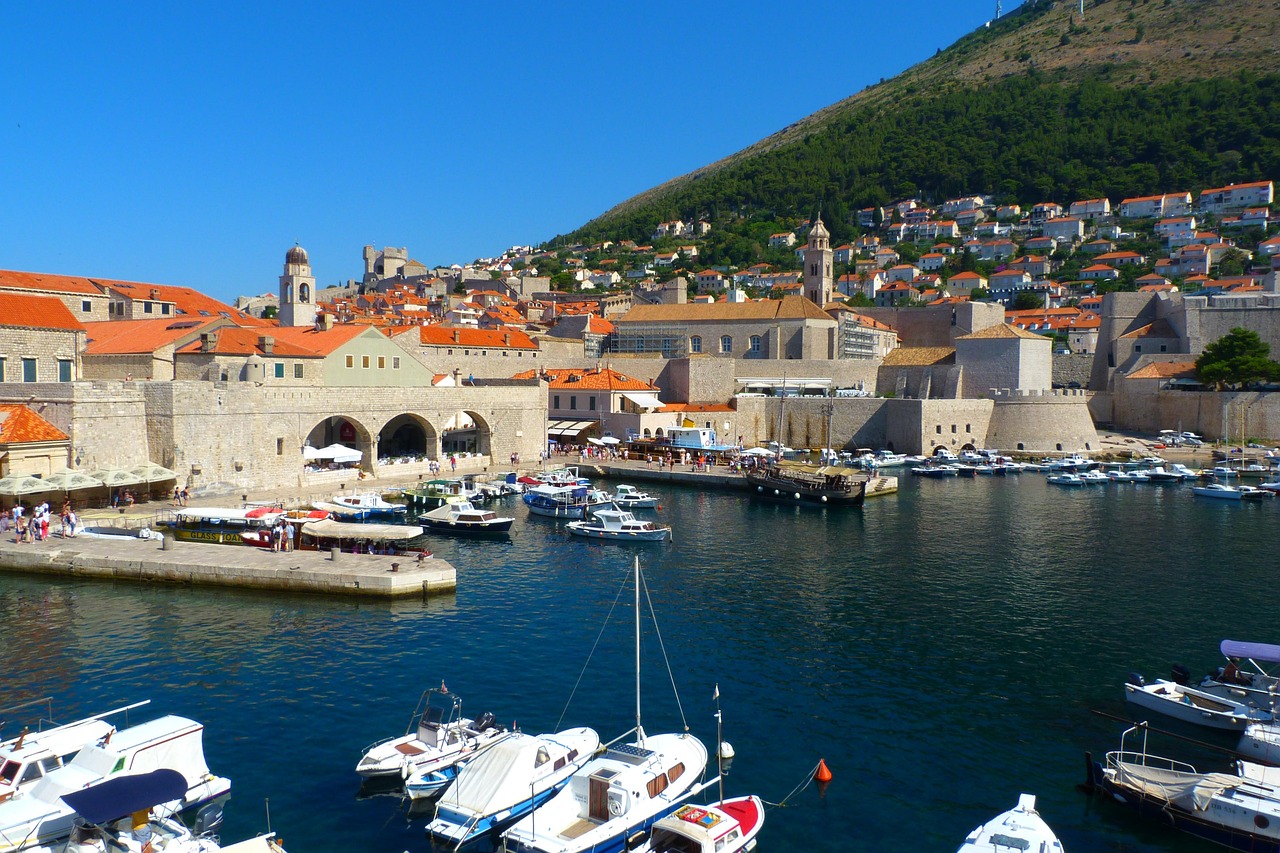
Get your bearings on those ancient ramparts. The scenery unfolds—red tiles, azure sea, Lokrum Island beckoning beyond the old harbor. This is no fairy tale, though. The steep alleyways, like Od Puča or Prijeko, breathe with generations of ordinary folk. Dubrovnik’s history isn’t a museum; it’s the city’s pulse.

Rest in a shaded café at Gundulić Square. Watch locals haggle over fruit and lavender. Try silkily smoked pršut on fresh bread. Eat slowly—this is how Dubrovnik welcomes you, one taste at a time. Gelato melts fast here. So does stress.

Tips for Savoring Dubrovnik

  • Walk the city walls first thing—morning light paints the rooftops gold and crowds are thin.
  • Ride the cable car up Srđ hill for a panorama you’ll never forget.
  • Dine at Proto for fresh Adriatic fish, and toast your trip with Malvasija wine.
  • Listen—really listen—for folk songs near the Rector’s Palace. Stories linger in melody.

Dubrovnik greets newcomers with more than views. It’s voices, scents, textures—an invitation to slow down and feel each moment. So wander. Get lost. The city will guide you home, as it’s done for centuries.
Return travelers

Coming back to Dubrovnik, the sunlight doesn’t surprise you anymore. This time it’s the details—the way local grandmothers sweep stoops in Lapad or market vendors sneak you an extra fig at the Gruž market. You begin to settle into the city’s unhurried rhythm, walking at dusk, letting curiosity—not must-see lists—lead you.

Beyond the Walls

This trip, the Old Town’s landmarks fade behind everyday life. Venture into the quieter Boninovo district. Here, locals play cards as swifts circle above. Seek hidden beaches like Šulić, where sea and stone meet without ceremony. The city’s pace softens, revealing unpolished charm.

Early mornings, follow fisherman along the old port—watch nets untangle, seagulls swirl, the city’s honest heart on display. Order a marenda (hearty brunch) at Kamenice in the open market—octopus salad, salty and bright. Every bite tells a story you missed before.

Seasoned Recommendations

  • Browse secondhand bookshops near Pile Gate—find handwritten notes in Croatian paperbacks.
  • Sip rakija with regulars at Café Bar Libertina; ask about favorite islands.
  • Join a local for a game of bućanje (bocce) in Gruž park, and learn their family rules.
  • Hike to the abandoned Hotel Belvedere—graffiti and wildflowers frame a stunning view.

Returning, you taste Dubrovnik’s layers. Away from the postcard scenes, a quieter city appears—full of memory, flavor, and gentle surprises. Treat yourself not as a guest, but as a trusted friend welcomed home.

Must-see locations

brown concrete building under blue sky during daytime
i

brown concrete building under blue sky during daytime

Photo by mana5280

Dubrovnik Old Town

Medieval walls encircle Dubrovnik Old Town, where limestone streets lead to Baroque churches, lively markets, and cliffside views of the Adriatic Sea. Stroll Stradun or climb the Minčeta Tower for history and stunning scenery.

Learn More
a body of water with a castle in the background
i

a body of water with a castle in the background

Photo by Alexey Syrkovsky

Dubrovnik City Walls

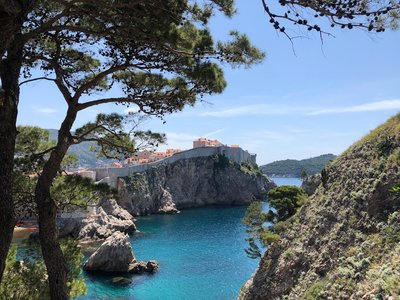
Stone ramparts circle Dubrovnik’s Old Town, offering stunning Adriatic views and a walk through centuries-old forts, towers, and bastions. History lines every step. Sunset here blazes over red roofs and lively Stradun below.

Learn More
aerial view of city buildings during daytime
i

aerial view of city buildings during daytime

Photo by Denis

Dubrovnik Cable Car

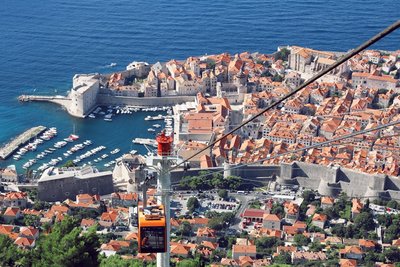
Rising above Dubrovnik’s red rooftops, the cable car gives sweeping Adriatic views. Sunset rides glow with old city walls, Lokrum Island, and the sea. At the summit, Fort Imperial shares war history and lush walking paths.

Learn More
white and brown concrete buildings near body of water during daytime
i

white and brown concrete buildings near body of water during daytime

Photo by Zhivko Dimitrov

Fort Lovrijenac

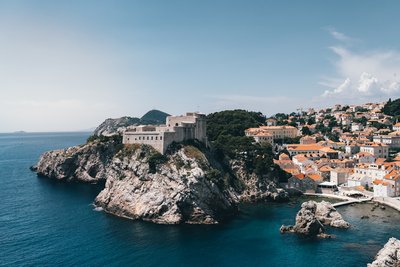
Fort Lovrijenac towers above Dubrovnik’s western walls, offering sweeping Adriatic views, limestone battlements, and cool echoing halls. Climb steep steps, watch medieval reenactments, or catch a Shakespeare play during summer.

Learn More
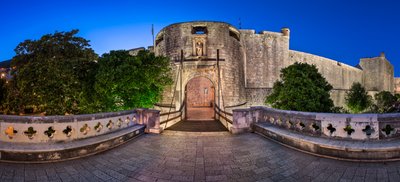
Pile Gate, the iconic entrance to Dubrovnik’s Old Town with historic stone walls.
i

Pile Gate, the iconic entrance to Dubrovnik’s Old Town with historic stone walls.

Pile Gate

Pile Gate in Dubrovnik stands as the city’s grand entrance. Stone arches hint at centuries of history. Travelers cross the drawbridge, step onto ancient cobblestones, and see lively street performers and cafés filling the Old Town with energy.

Learn More

How to get there

By air

Dubrovnik is served by Dubrovnik Airport (DBV), located about 20 km from the city center. It has direct flights from many European cities, especially during the tourist season. Upon arrival, there are several convenient ways to reach the city.
Options to get to town:
TypePriceDurationWhere to buy
Taxi€35-€4025-35 minutesDirectly at the airport taxi stand
Airport bus€1030-40 minutesTickets sold at the airport, on the bus, or at ticket machines
Train/shuttleNot availableN/AN/A

By train

Dubrovnik does not have a train station and is not connected directly to the rail network. The nearest train stations are in Split (Croatia) and Ploče, from where you can continue by bus to Dubrovnik.
Useful websites for train tickets:

By car

Driving to Dubrovnik is a popular choice, offering flexibility to explore the scenic Dalmatian coast. International visitors may need to briefly pass through Bosnia & Herzegovina at Neum. Croatian highways are tolled, and all drivers require valid insurance and documents.
Additional charges to be aware of:
FeeCostHow to pay
Toll / vignette / emission stickerToll prices vary (e.g., Zagreb to Dubrovnik ~€30)At toll booths (cash or card accepted)
Other driving costsBorder crossing insurance (if rental doesn't cover Bosnia & Herzegovina)Rental company or at border if required

By ferry

Ferries connect Dubrovnik with several ports on the Croatian coast (such as Split, Mljet, and Korčula), especially during the summer. International ferry links are limited. Jadrolinija is the main operator.
Useful websites for ferry tickets:

How to get around

Public transport

Public Buses: Dubrovnik's primary means of public transport is its efficient bus system, operated by Libertas. Buses connect most neighborhoods, the main port, beaches, and the Old Town. Buses run frequently, especially on popular routes, but service thins late at night. The main hub is Pile Gate, near the Old Town.

Ticket options:
Ticket TypePriceWhere to buy
Single ticket≈ €1.99 (15 HRK)On the bus (with a slight surcharge), at Libertas kiosks, newsstands, or hotel receptions.
Day pass≈ €5.30 (40 HRK)Libertas kiosks, newsstands, or hotel receptions.

Taxis & ridesharing

Taxis: Taxis are readily found at designated stands near Old Town, major hotels, and the main bus station. You can also hail one in the street or call for pickup. Meters are used but confirm fares before setting off in the high season.
Ridesharing: Uber operates in Dubrovnik, providing a convenient alternative to standard taxis, especially during busy periods or at night.

Service providers:
ProviderPriceHow to book
Local taxiStarting at €3.50, with per-km rates (fares increase at night and on holidays)At taxi stands, by phone, or via dedicated apps.
Ridesharing app (e.g., Uber)App-based, varies by time and distanceUber app.

Car rental

Car Rental: Renting a car is an option for day trips outside Dubrovnik or exploring the coastline. Within the city, a car is less practical due to narrow, crowded streets and scarce parking, especially near the Old Town, where most areas are pedestrian-only.

Rental options:
ServicePriceHow to book
Daily rentalFrom €30–60 per day, depending on season and vehicle typeLocal offices at the airport, bus station, city center, and major international rental brands.
Weekly rentalFrom €200 per weekAdvance booking with rental companies or travel agencies.

Bike & scooter rental

Bike & Scooter Rentals: Cycling is limited in the Old Town but great for exploring Lapad, Babin Kuk, and the coastal roads. Scooters/mopeds are a popular choice for tackling Dubrovnik’s hills and avoiding traffic, though experience is recommended for narrow, busy streets.

Rental options:
ServicePriceHow to book
Bike rentalFrom €10–15 per dayLocal rental shops in Lapad, Gruž port, and near major hotels.
Scooter rentalFrom €25–35 per dayLocal rental outlets and some hotels.

Ferry / Boat

Ferries & Boats: Regular ferries, catamarans, and excursion boats link Dubrovnik with the Elaphiti Islands (Lopud, Koločep, Šipan), Mljet, and the port of Bari in Italy (seasonal). Boats depart mainly from Gruž port. This is an excellent way to explore the nearby islands and coastline.

Useful websites for ferry tickets:

What to eat

The cobbles of Dubrovnik’s Old Town echo with the rhythms of lunchtime. Smoky grills sizzle under terracotta roofs. Olives fill the morning air with a briny tang, while seafood catches shimmer on market tables. The city’s food scene is a festival—a lively mix of Adriatic tradition and modern coastal energy. Eating in Dubrovnik is not just about hunger. It’s a dance with the senses, where each bite promises the rhythm of waves and histories layered into every mouthful. Come hungry. You’ll want to taste the city’s soul.

Signature Dishes

  • Pasticada: Beef slow-braised in wine, prunes, and spices, served silky over homemade gnocchi. A special-occasion Dalmatian classic.
  • Black Risotto (Crni rižot): Squid ink colors this creamy rice dish with deep flavor and a hint of the sea. Dobro restaurant serves it best, near the city gates.
  • Grilled Adriatic Fish: Whole fish charred over open flames, dressed in local olive oil and lemon. Simple, pure, utterly fresh.
  • Octopus Salad: Tender chunks of octopus tossed with onion, parsley, capers, and sharp vinegar—a zesty starter in many konobas (taverns).
  • Rozata: Dubrovnik’s caramel-topped custard. Sweet, delicate, and laced with rose liqueur from neighborhood bakers.

Street Food & Markets

Early mornings in Gundulić Square Market pulse with locals haggling for sun-warmed figs and fresh cheese. Try a savory burek—a flaky pastry spiral stuffed with cheese or meat, easily found in bakery windows. Follow your nose to the tiny seafood stalls near Pile Gate. There, fried sardines are slid piping hot into cones of parchment. For a quick snack, nibble on smoky pršut (Dalmatian prosciutto) and tangy Paški sir (Pag island cheese). Prices can spike near tourist routes. But wander a street or two back, and honest flavors await at family-run counters.

Sweet Treats & Drinks

Finish with Dubrovnik’s iconic rozata—thick, floral, and creamy under burnt sugar, best at Gradska Kavana. For something lighter, savor candied orange peel or a crisp kroštule (fried dough ribbon) with strong Turkish coffee. And don’t skip a glass of local prošek wine: sweet, golden, perfectly matched to sunset and sea breeze.

Why Travelers Eat Here

  • Fresh-caught seafood and sunny produce—straight from the Adriatic and local farms.
  • Centuries-old recipes, from meaty stews to rose-scented desserts.
  • Open-air markets packed with color, bustle, and real flavor.
  • A blend of Croatian tradition with Mediterranean freshness and atmosphere.

In Dubrovnik, each meal connects you to sea spray, bustling markets, and centuries of tradition. Every bite is a story, told with salt, sun, and open-hearted hospitality. This city doesn’t just feed you—it makes you feel alive.

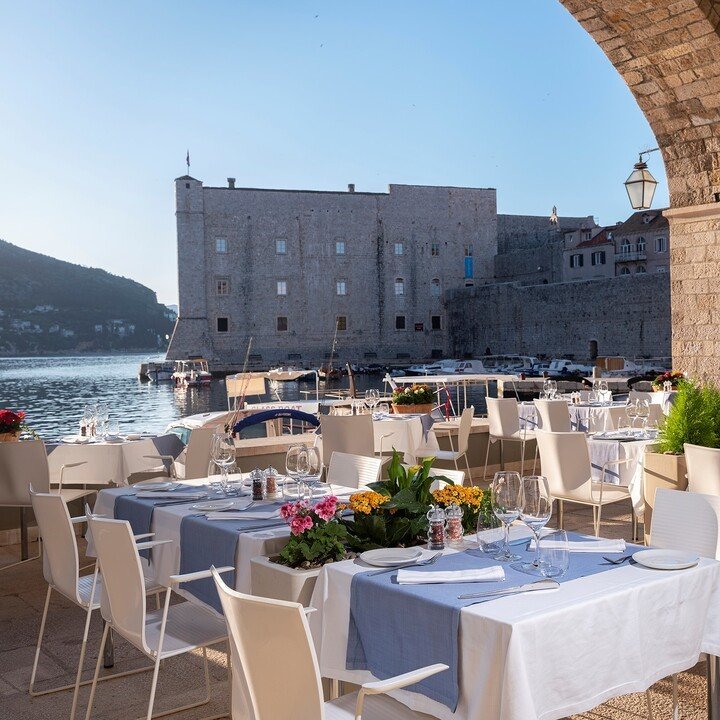
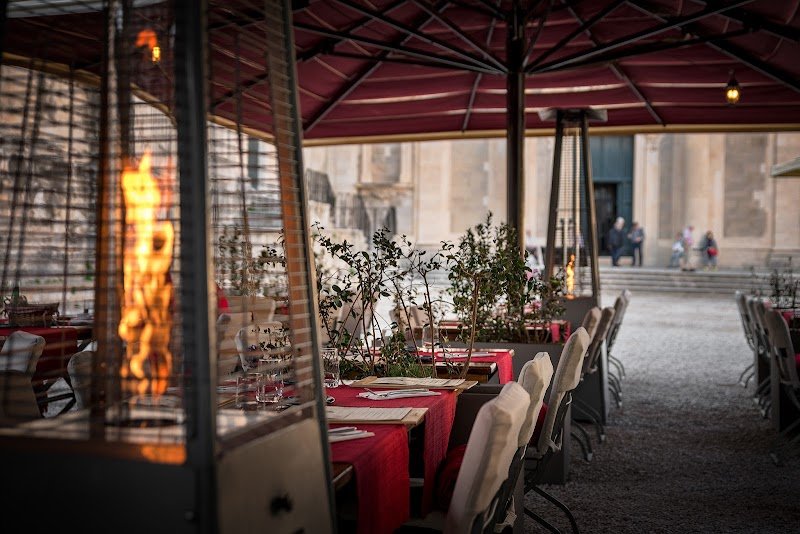
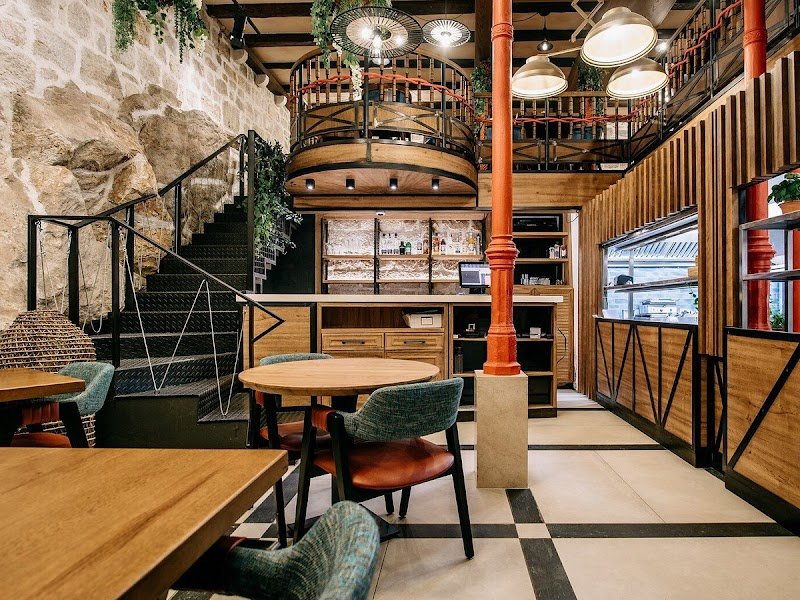
Top Rated Restaurants

Dundo Maroje

Dundo Maroje

4.8 (2.1k reviews)
LocationKovačka ul. bb, 20000, Dubrovnik, Croatia
Gradska kavana Arsenal Restaurant

Gradska kavana Arsenal Restaurant

4.7 (6.5k reviews)
$$
LocationUl. Pred Dvorom 1, 20000, Dubrovnik, Croatia
Restaurant & Bar Rudjer

Restaurant & Bar Rudjer

4.7 (3.4k reviews)
$$
LocationPoljana Ruđera Boškovića 6, 20000, Dubrovnik, Croatia
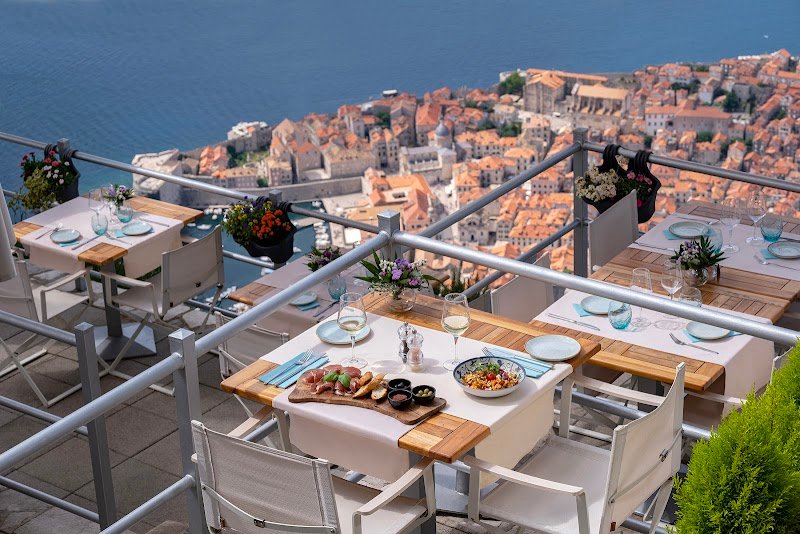
Restaurant Panorama

Restaurant Panorama

4.7 (6.9k reviews)
$$$
LocationSrđ ul. 3, 20000, Dubrovnik, Croatia
Soul Kitchen Dubrovnik

Soul Kitchen Dubrovnik

4.8 (2.2k reviews)
KosherKosher
LocationUl. od Domina 3, 20000, Dubrovnik, Croatia

Accommodations

You expect kings and marble in Dubrovnik’s Old Town. But modern travelers need more—quiet, sea views, or enough space to breathe. Your choice between centuries-old walls or breezy enclaves shapes your whole experience. Where you wake up changes how you meet the city. I learned this after shifting from noisy alleys to sunlit Lapad. One detail—a balcony, a late-night bakery, a silent street—can make all the difference.

Neighborhood Overview

  • Old Town: Walk out your door straight into stone streets and lively squares. Great for history lovers, couples, and those who want to explore early. But rooms are smaller and nightlife is close—sometimes too close for light sleepers.
  • Pile & Ploče: Just outside the main walls, these districts blend easy access with a little more space and quiet. Pile works best for families and those seeking convenience, while Ploče offers upscale hotels and stunning harbor views—perfect for romantic escapes.
  • Lapad: A favorite spot for longer stays and families. Beaches, leafy promenades, cheaper restaurants—everything at a slower pace. Buses zip to the Old Town in 10 minutes.
  • Gruž: The working port of Dubrovnik. Boats, markets, local energy. Good value and authentic life, but farther from historic sights. Suits budget travelers or those catching an early ferry.
  • Babin Kuk: Green parks and resort hotels. Quiet, family-focused, with big pools and kids’ clubs. Beaches tend to be less crowded, and sunsets are gorgeous.

Types of Accommodation

  • Private Apartments: Nearly everywhere, from Old Town studios (expect $90–200/night in summer) to Lapad family flats. Great for groups or anyone wanting kitchen access.
  • Mid-Range Hotels: Choices like Hotel Lapad or Berkeley Hotel offer breakfast and easy bus rides. Rates run $120–250/night peak season.
  • Luxury Hotels: Look to Excelsior or Hilton Imperial in Ploče for seaside terraces and full service. Summer prices soar—often $300–500/night.

Insider Tips for Booking

Book six months ahead for summer, or you’ll pay double. Shoulder season (May/late September) brings better rates and friendlier crowds. Remember tourism tax—not always shown in prices—adds $3–5/night per guest. Ask hosts about stairs; even modern places hide surprises.

Sunrise over the Adriatic, orange roofs aglow, crowds not yet stirring—that’s Dubrovnik before the day begins. From a quiet room or an old balcony, the city’s energy feels all yours. Where you lay your head there matters as much as any palace stone.