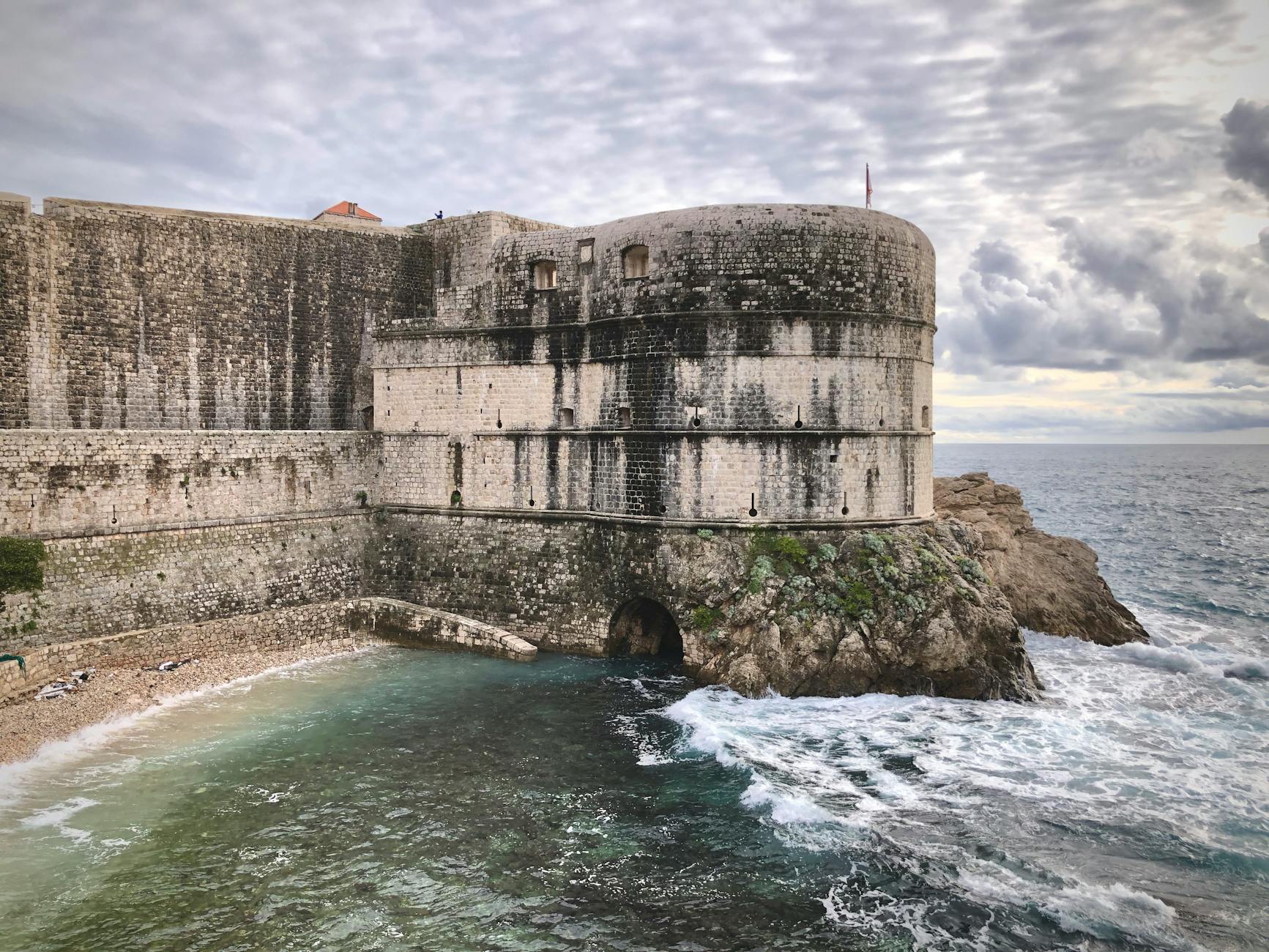
Historic Fort Bokar in Dubrovnik, Croatia, overlooking the Adriatic Sea, framed by dramatic clouds.
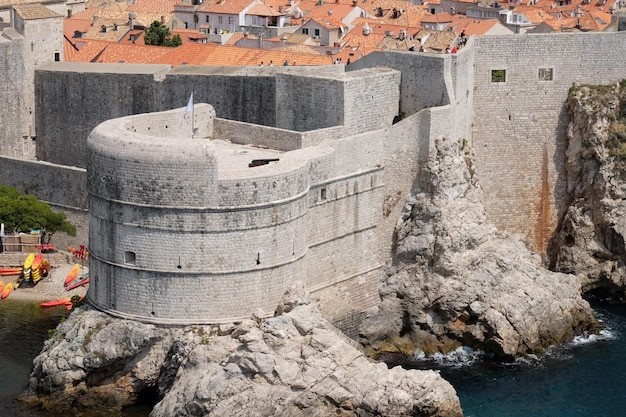
Fort bokar and city walls by italian architect michelozzo miche seen from fort lovrijenic dubrovnik

Fort Bokar

Dubrovnik, Croatia
i

Historic Fort Bokar in Dubrovnik, Croatia, overlooking the Adriatic Sea, framed by dramatic clouds.

Photo by Fernando Reyes

Strong stone walls echo with centuries-old stories at Fort Bokar. Part of Dubrovnik’s renowned defenses, this fort offers a striking blend of sea views, medieval drama, and lived history. Wandering its rounded ramparts, visitors encounter both Dubrovnik’s past and scenes that have echoed across the Adriatic for generations. For travelers, Fort Bokar is both a landmark and a gateway—inviting, imposing, and utterly unique.

Visiting Info

Currency
Entrance fee
15 EUR
Hours
Opening hours
Monday: 8:00 AM – 6:00 PM
Tuesday: 8:00 AM – 6:00 PM
Wednesday: 8:00 AM – 6:00 PM
Thursday: 8:00 AM – 6:00 PM
Friday: 8:00 AM – 6:00 PM
Saturday: 8:00 AM – 6:00 PM
Sunday: 8:00 AM – 6:00 PM

Contact Information

Location
Address
Od Puća 20, 20000, Dubrovnik, Croatia

Planning your visit

Visiting Fort Bokar can be as effortless as the coastal breeze or as bustling as Dubrovnik’s high season. While some travelers arrive on an impulse walk along the famous city walls, others plan a dedicated visit. Checking times is important, as opening hours vary throughout the year. Expect uneven stone paths and sometimes, narrow stairways climbing to panoramic viewpoints. Tickets cover both Fort Bokar and the broader city walls, giving value for explorers ready to soak up the old city’s atmosphere.

  • Best time to visit: Early morning or late afternoon in spring or autumn; summer afternoons get crowded and hot.
  • How to get there: Enter through Pile Gate, head up to the main City Walls entrance, and follow signs to Fort Bokar; local buses stop at Pile or nearby station.
  • Accessibility: Stairs and uneven surfaces limit access for strollers and wheelchairs; handrails help, but families with young children or seniors with mobility concerns should prepare.
  • Average visit duration: 30–45 minutes for Fort Bokar itself, 1.5–2 hours if including a section of the City Walls loop.

Must see stuff

Fort Bokar stands watch at Dubrovnik’s western boundary, curved and dramatic above the sea. Designed in the 15th century and perfected by the architect Michelozzo, this fortress blends engineering with sheer Croatian beauty. Within its broad stone bastions, history comes alive—whether in small details like cannon hatches or in sweeping views that touch horizon and city alike. Beyond stone and sea, plenty awaits curious travelers who slow down and look closer.

  • The rounded bastion: Take a slow lap around Bokar’s circular terrace—views span from dramatic Lovrijenac Fortress to the open Adriatic.
  • Historic artillery slots: Peek through ancient cannon windows, once key to defending the city from Venetian attacks.
  • Photo moments: Snap shots from the sea-facing ramparts, golden at sunset, or framed by wildflowers blooming in the cracks.
  • City Walls circuit: Continue exploring; Bokar connects directly to other defensive towers and city wall passages, offering a larger historical context.
  • Interpretive signs: Catch local legends and military tales through small but insightful signs placed within the walls.

Tips for your visit

Smarter, happier travelers plan ahead for Fort Bokar’s charms and quirks. Take time for shade, bring along refreshing water, and choose good walking shoes—those stones get slick or uneven, especially after rain. While rules here feel relaxed, respect for historic stonework goes a long way; stick to marked walkways and avoid leaning on battlements. Guides are available at the main City Walls entrance for richer stories, though self-paced visits offer freedom and surprise discoveries.

  • Best times to avoid crowds: Arrive soon after opening or during lunchtime, when most crowd the main Stradun street below.
  • What to bring: Water bottle, sun hat, sturdy walking shoes, and a camera; sunscreen is a must for sunny days.
  • Local etiquette: Speak quietly; respect old stone and guardrails—graffiti and climbing are frowned upon by locals and security alike.
  • Safety or comfort: Watch for loose stones, especially on stairs; keep young children close by hand.