Google Places photo

Dutch Museum

Colombo, Sri Lanka
i

Google Places photo

Photo by Yat

Step through carved wooden doors and time falls away. The Dutch Museum welcomes travelers into the colonial era, where stories echo from earthen floors and sunlight slips through latticed windows. More than just a house, this 17th-century mansion shares the living heart of Dutch Ceylon—full of tales, artifacts, and slow charm beneath swooping ceilings. For anyone curious about Sri Lanka’s past, every brick and balustrade here tells a story waiting to be discovered.

Visiting Info

Currency
Entrance fee
1000 LKR
Hours
Opening hours
Monday: Closed
Tuesday: 9:00 AM – 4:30 PM
Wednesday: 9:00 AM – 4:30 PM
Thursday: 9:00 AM – 4:30 PM
Friday: 9:00 AM – 4:30 PM
Saturday: 9:00 AM – 4:30 PM
Sunday: 9:00 AM – 4:30 PM

Contact Information

Location
Address
WVP2+9MJ, Prince Street, Colombo 01100, Sri Lanka

Planning your visit

Arranging a trip to the Dutch Museum allows for glimpses into a fascinating slice of history, and a little planning helps set the right pace. Colombo’s Pettah neighborhood, known for its lively markets and colonial buildings, surrounds the museum walls with daily buzz. Buying tickets is simple at the entrance, though weekends can draw larger crowds. Note: the museum occasionally closes on Mondays and public holidays for maintenance.

  • Best time to visit: Morning hours between December and March, or weekdays to avoid weekend rush.
  • How to get there: Take a tuk-tuk or a bus to Keyzer Street; the museum sits an easy walk from the Pettah railway and main bus stations. Rideshare apps also work well.
  • Accessibility: Families and seniors welcome, but expect a few uneven surfaces and some stairs; wheelchair access is limited in older wings.
  • Average visit duration: Plan for 60–90 minutes to tour at a relaxed pace.

Must see stuff

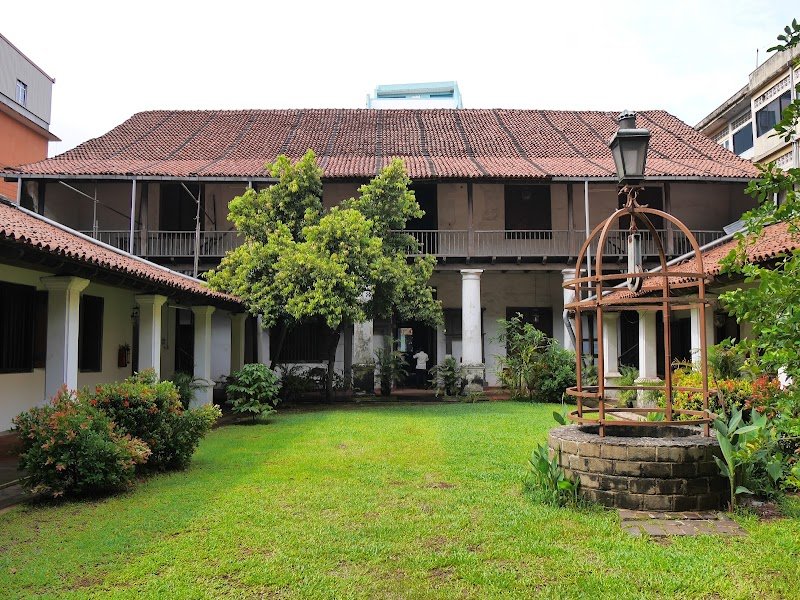
The Dutch Museum splits its wonders between stately rooms and hidden corners, each brimming with artifacts. High wooden ceilings frame faded oil portraits and brass lamps, while hand-painted Delft tiles add delicate color. Some exhibition cases seem almost untouched for decades, amplifying the tangible sense of history. The inner courtyard—a quiet oasis away from Pettah’s noise—connects visitors to the rhythms of life centuries ago.

  • Key sights: Intricately carved doors, authentic furniture from the 1700s, Dutch-era weapons, and original trade documents.
  • Unique experiences: Explore the whisper-quiet courtyard flanked by arcades, and peek behind the grand staircase where hidden passageways reveal old cisterns.
  • Photo-worthy locations: The lush central garden framed by pillars, the sunlight filtering through stained glass at the landing, and the imposing Dutch crest near the entrance.
  • Cultural facts: The mansion belonged to Count August van Ranzow before housing Dutch administrators; evidence of everyday life—from lacework to strongboxes—brings the colonial legacy into focus.

Tips for your visit

Local knowledge can transform a simple visit into a richer experience. Pettah’s noon heat often finds the museum inside slightly stuffy, so morning hours promise a cooler wander. Bring a refillable water bottle, as refreshments in the museum itself stay limited. Some rooms feel warm on humid days, and benches in shaded spots make for comfortable breaks. Keep respectful—velvet ropes and gentle reminders from staff help preserve rare artifacts for future travelers.

  • Best times to avoid crowds: Early weekday mornings just after opening see fewer school groups and less foot traffic.
  • What to bring: A camera (no flash), light clothing, comfortable shoes, water, and perhaps a notepad for details.
  • Local etiquette: Dress modestly and keep voices low to respect both other visitors and museum staff.
  • Safety or comfort advice: Watch for uneven floors and low doorways; keep an eye on children near delicate displays. Prepare for limited air-conditioning—on humid days, slow strolls beat brisk ones.
Dutch Museum – Tickets, Hours & Visitor Guide