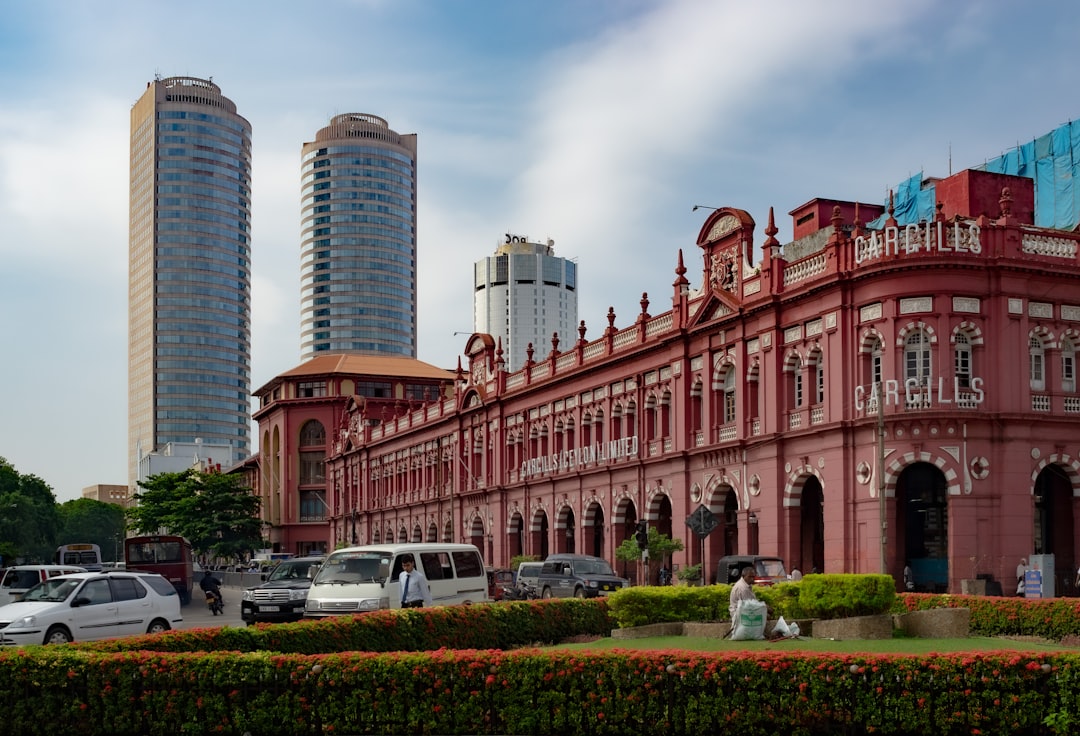
colombo, sri lanka, nature, beach
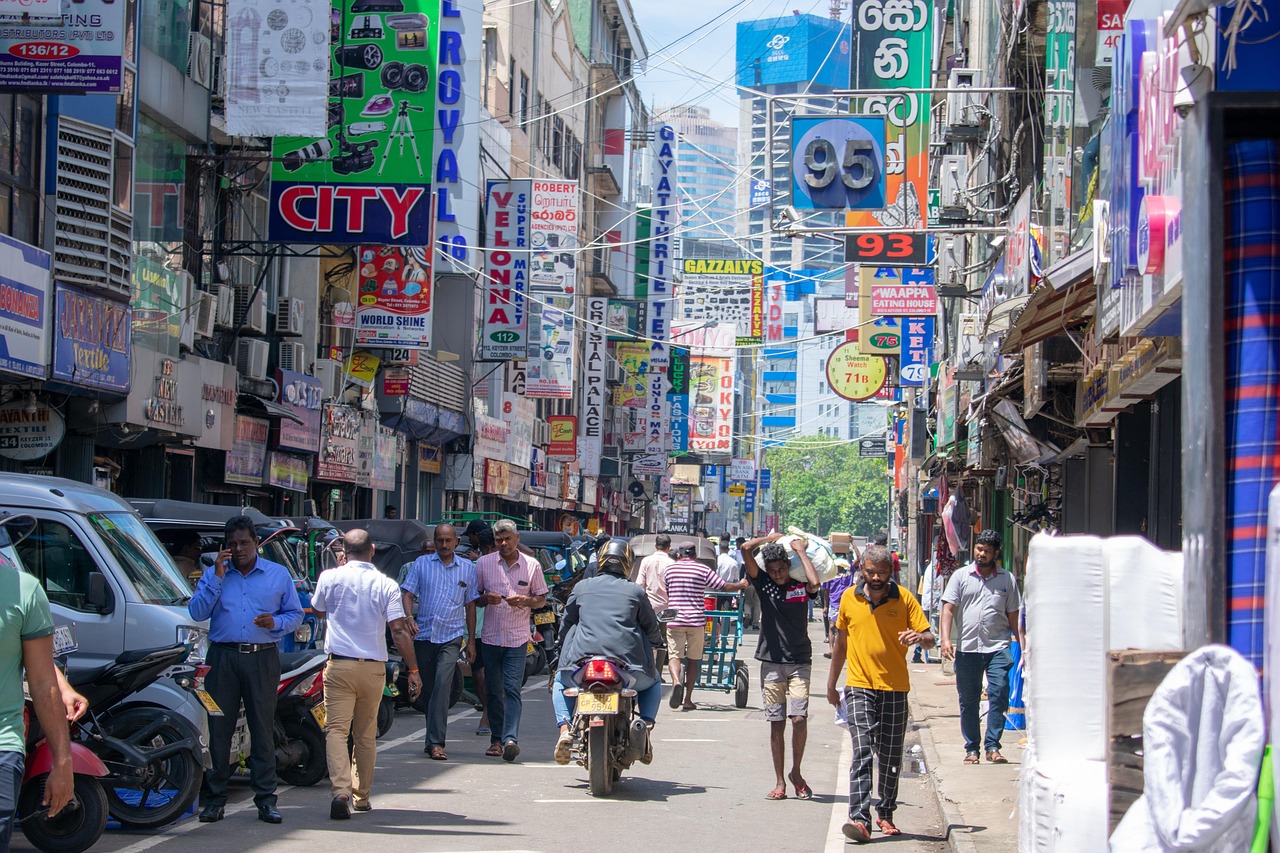
busy street, sri lanka, market, people, colombo street signs, workers, business, man, work, busy street, busy street, sri lanka, sri lanka, sri lanka, sri lanka, sri lanka
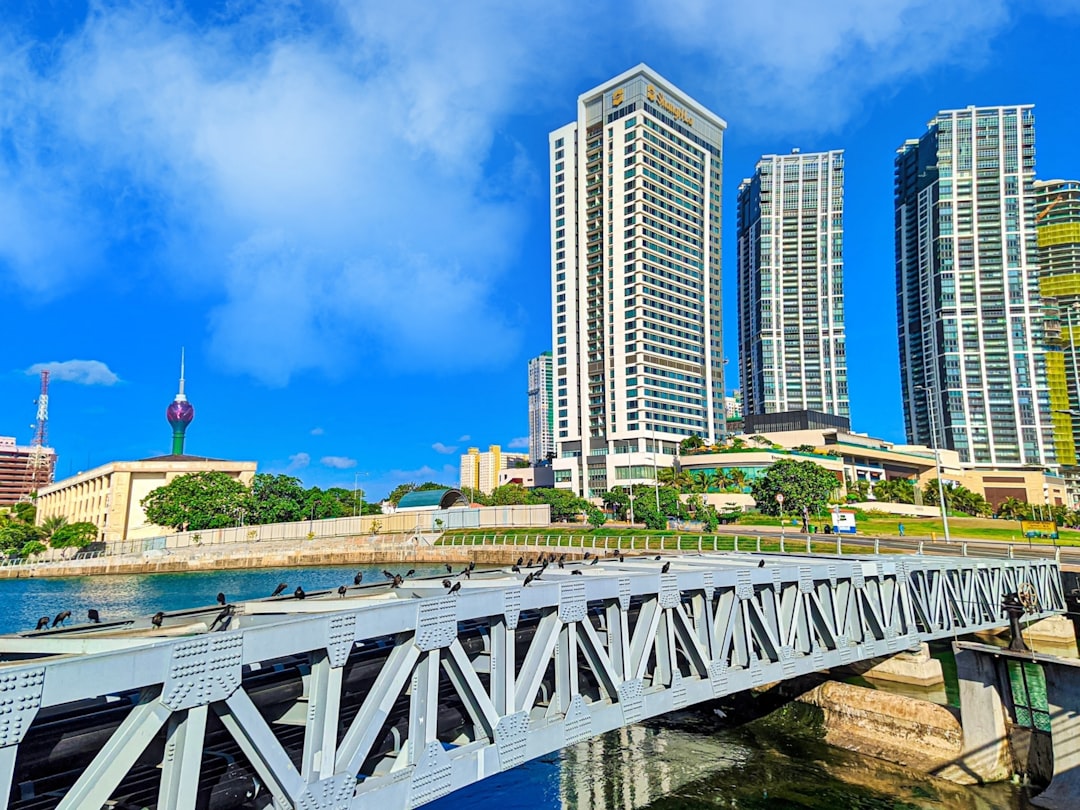
white bridge over river near city buildings during daytime
a large red building with a clock on the top of it

Colombo

Sri Lanka
Marketplace & ShoppingCulturalArt & ArchitectureUrban HighlightsReligious & Spiritual
i

colombo, sri lanka, nature, beach

Photo by bestbauch

Colombo hits you first with its heat — thick, salty air that smells of the sea and diesel. Tuk-tuks weave through traffic like schools of fish, horns blaring in friendly chaos. Along Galle Face Green, vendors grill spiced prawns under flickering lanterns, smoke curling into the dusk. In Pettah’s market, stalls overflow with mangoes, bright saris, and counterfeit sunglasses, the air alive with haggling. Slip into a Fort café for sweet milk tea, watching suits and sarongs share lunchtime curries. In cinnamon-scented temples, incense drifts past gold Buddhas, soft chanting grounding the city’s frenzy. By evening, the coastline glows orange, waves slapping against stone. Colombo’s charm is layered: beach and business, chaos and calm, all folded into a single humid breath.

Quick Facts

currency
LKR
languages
Sinhala, Tamil
airports
Bandaranaike International Airport
size
Large City
power
Type D, Type G, Type M
timezone
UTC+5:30
safety
Safe
costs
Cheap

General Information

Safety indexColombo has a safety index of around 55 out of 100, meaning it is moderately safe for travelers. Petty crime (pickpocketing, bag snatching) can occur, especially in crowded places and at night. Violent crime is less common. Exercise usual precautions, avoid isolated areas after dark, and secure valuables.

Best Time to TravelThe best time to visit Colombo is from December to March, when the weather is at its driest and most pleasant, with average temperatures between 25°C and 31°C.

Least crowded and still a good time to visitA less crowded—yet still enjoyable—time to visit Colombo is from April to early May or in late September to November. Although there may be occasional showers due to the inter-monsoon seasons, the city is less crowded with tourists, and accommodation rates are more affordable.

BudgetColombo can accommodate various budgets. Budget travelers can spend around $25–$40 USD per day, mid-range $60–$100, and luxury travelers $150 and up. Street food, public transport, and budget hotels are affordable, though international hotels and fine dining can be pricier.

Healthcare and VaccinationsHealthcare in Colombo is of a good standard, with several international hospitals and clinics. Travel health insurance is highly recommended. It's advisable to have up-to-date routine vaccines and consider vaccinations for Hepatitis A and B, Typhoid, and Japanese Encephalitis. Mosquito protection is recommended due to dengue risk.

Visa RequirementsMost travelers require an Electronic Travel Authorization (ETA) to enter Sri Lanka, which can be applied for online before arrival. Tourist ETAs are generally valid for 30 days, extendable once inside the country. Check the latest visa requirements based on your nationality before traveling.

Weather in Colombo

°C°F
3799
3290
2781
2272
1763
Jan
Feb
Mar
Apr
May
Jun
Jul
Aug
Sep
Oct
Nov
Dec
3020100
Avg. min. temperature
Avg. max. temperature
Avg. precipitation days

First-time travelers

Night falls slow and sticky in Colombo—amber light spills over honking lanes. Sri Lanka's capital doesn’t whisper; it bellows. Prepare to feel every moment. Nothing feels rehearsed. Yet for first-timers, the city's edges soften as the day moves on—a place as much about mood as motion, and a certain warmth, always lingering.

The Rhythm of Colombo

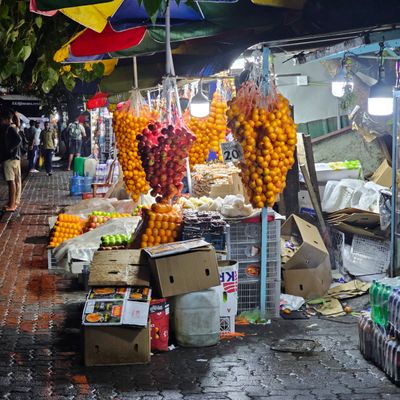
Morning chimes through cinnamon-scented air. Pettah Market, near the Fort Railway Station, stirs to life—vendors shout above fruit pyramids. Expect a crush of sound, sweat, and smiles. Glistening rambutans tumble into your hands. Hawkers offer a thambili—king coconut, neon-orange, hacked open for drinking right on the street. Pause to sip. Watch the city breathe around you.

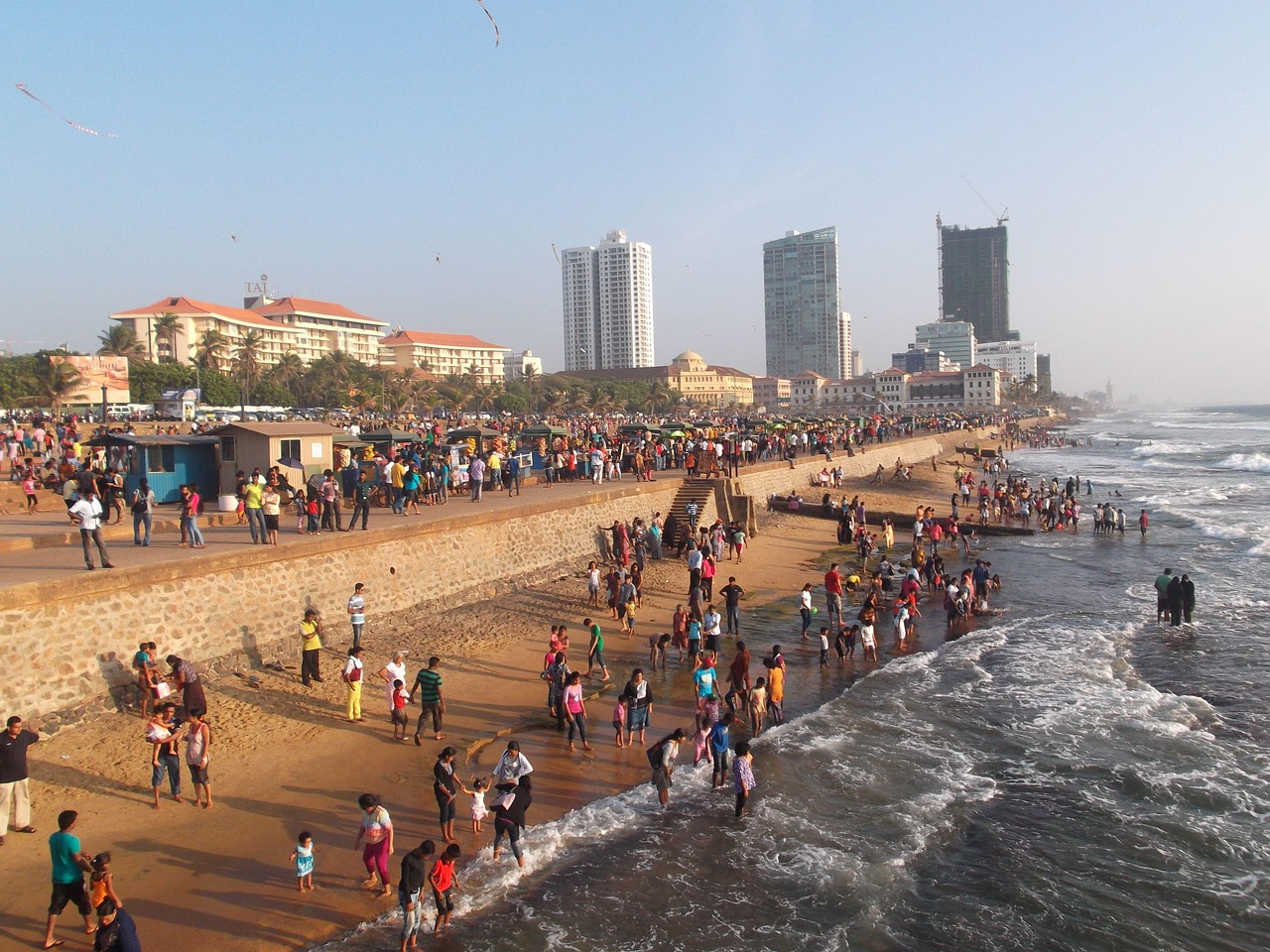
Later, Galle Face Green calls—people-watching with ocean wind in your face. Families picnic, kites dart overhead, snack sellers fry isso wade (spicy shrimp fritters) against a tangerine sky. Try a cone of achcharu, pickled fruit spiked with chili—fiery and sweet, like Colombo itself.

Opening Doors to Sri Lankan Life

Colombo holds hidden spaces—barefoot steps echoing in Gangaramaya Temple, gold Buddhas wreathed in incense. Then, a tuk-tuk rattle up to Independence Square, edges softened by banyan trees. Here, the city feels reflective, its colonial bones showing.

For your first journey, embrace this swirl of old and new. Wander, taste, absorb. Trust you will get lost—and find warmth in every corner.

  • Pick up local rupees at Fort’s faded currency shops.
  • Try string hoppers and dhal curry for breakfast at Pilawoos on Galle Road.
  • Escape midday heat in Viharamahadevi Park, under yellow-blossomed trees.
Return travelers

The second arrival feels quieter. Colombo’s traffic still rattles windows, but you know the rhythm now. This time, search deeper—past busy crossroads and surface smiles—towards stories below.

Colombo’s Shifting Canvas

Venture south to Borella, past colonial facades, where street art colors shop shutters. Discover The Sooriya Village—a music café pulsing with jazz and poetry nights. Local writers linger beneath old frangipani trees; strangers become friends over iced faluda. The city shifts, always in translation.

Mornings bring humbler pleasures. Sneak a kimbula bun and sweet milk tea at Dehiwala’s Sumanadisi Bakery—locals swap gossip, children beg for extra coconut. The familiar sea smell at Wellawatte recedes into cinnamon and rain. You start to notice gentler tempos: fishermen hauling glistening catch by the Mount Lavinia railway, laughing as trains thunder past.

Beyond the Guidebook

Take in solitude with an early stroll through the Colombo Dutch Museum—shadowy, high-ceilinged halls, creaking wood, salt-streaked windows. This is history felt, not just seen. Artists discuss the country’s future at the rustic Barefoot Gallery café by sunset. The barista remembers your face.

Layers unfold with each visit. Mistakes soften into memories. Food is richer, laughter rounder. The city—once overwhelming—becomes a confidant, its hospitality familiar instead of dazzling. Return travelers find hidden notes, deeper colors—Colombo, open for new stories.

  • Catch a play at the Lionel Wendt Theatre—homegrown drama on an old wooden stage.
  • Sample hot kottu at a Vihara Lane roadside cart after midnight.
  • Join a cricket game at Havelock Sports Club—no invitations needed, just join in.

Must-see locations

Jami Ul-Alfar Mosque
i

Jami Ul-Alfar Mosque

Photo by Mohamed Asif

Jami Ul-Alfar Mosque

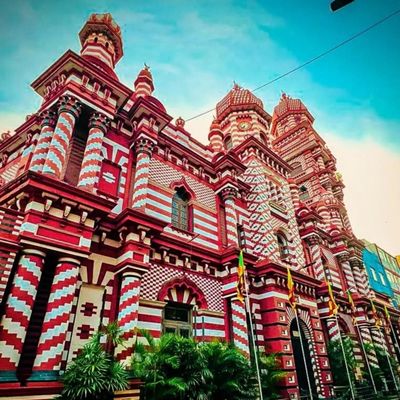
Red-and-white stripes ripple across Jami Ul-Alfar Mosque’s facade, making Pettah’s skyline unforgettable. Walk busy market streets, watch locals pray, and glimpse early 20th-century Islamic and colonial influences.

Learn More
Google Places photo
i

Diyatha Uyana Park

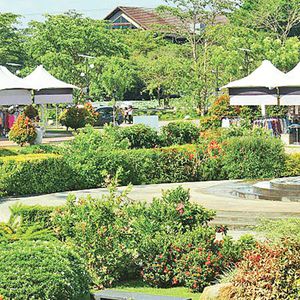
Set beside tranquil Beira Lake, Diyatha Uyana Park draws families and couples with lush gardens, outdoor sculptures, lively weekend markets, riverside paths, and floating restaurants where local artists display their work.

Learn More
Floating Market - Pettah
i

Floating Market - Pettah

Photo by Dr Suraj Prakash

Floating Market - Pettah

Colorful stalls float along the Beira Lake banks at Pettah’s Floating Market, where traders sell fresh fruit, local snacks, and fashion. Watch boats glide past old warehouses, listen to market chatter, and taste street food unique to Colombo.

Learn More
Google Places photo
i

Google Places photo

Photo by Ronn B Herat

Galle Face Green

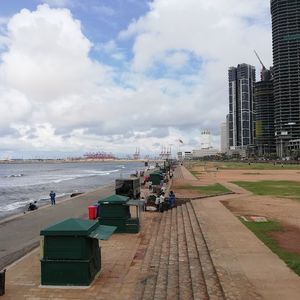
Seaside lawns stretch beside the Indian Ocean at Galle Face Green, where families fly kites, vendors serve spicy isso wade, and sunset crowds gather. Colonial-era hotels and lively festivals add to Colombo’s coastal charm

Learn More
Google Places photo
i

Google Places photo

Photo by Pasan Eramusugoda

Dehiwala Zoological Gardens

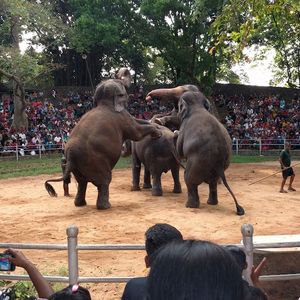
Lush gardens frame Dehiwala Zoological Gardens, where playful elephants splash and peacocks strut along winding paths. Watch daily animal shows, stroll the aquarium, and learn about Sri Lanka’s wildlife traditions.

Learn More

How to get there

By air

Colombo is served by Bandaranaike International Airport (CMB), located about 30 km north of the city in Katunayake. It is the main international gateway to Sri Lanka and is well-connected to major cities in Asia, the Middle East, and Europe.
Options to get to town:
Taxi
Price:
LKR 3,000 - 4,000
Duration:
45-90 min depending on traffic
Where to buy:
Airport taxi counter inside arrival hall, or via taxi apps like PickMe
Airport bus
Price:
LKR 150 - 350
Duration:
45-90 min depending on traffic
Where to buy:
Tickets available on board or at the airport exit bus stop
Train/shuttle
Price:
LKR 60 - 200
Duration:
Approx 1 hour (including transfer from airport to Katunayake South/Negombo train stations)
Where to buy:
Ticket counters at station

By train

Colombo is a major rail hub in Sri Lanka, with connections from cities across the country. Popular arrival points include Colombo Fort and Maradana railway stations.

By car

Colombo is accessible by well-maintained highways and expressways from major cities in Sri Lanka. Driving offers flexibility but be aware of heavy traffic in the city, especially during peak hours.
Additional charges to be aware of:
Toll / vignette / emission sticker
Cost:
LKR 200 - 600 per expressway section
How to pay:
Toll gates at expressway entrances, payable in cash or by card
Other driving costs
Cost:
Varies (fuel, parking fees approx LKR 50-100 per hour in city center)
How to pay:
Fuel at petrol stations, parking at official lots or street meters

How to get around

Public transport

Colombo boasts a network of public buses and trains. Buses are the primary mode of public transport, covering nearly every corner of the city—look for blue and red colored buses, the latter being government-run. Trains are useful mainly for suburban journeys. Public transport is affordable but can be crowded, especially during rush hours.

Ticket options:
Ticket TypePriceWhere to buy
Single ticketLKR 40-150 (depending on distance)Purchase from conductor on board (bus) or at train station counter (train)
Day passNot commonly availableN/A

Taxis & ridesharing

Taxis and ridesharing such as PickMe and Uber are widely available. Tuk-tuks (auto rickshaws) are abundant and ideal for short trips. Ensure the meter is used or agree on a price beforehand for tuk-tuks.

Service providers:
ProviderPriceHow to book
Local taxiBase fare from LKR 120; rates increase per kmHailed on street, phone booking, or hotel concierge
Ridesharing appTypically LKR 250-400 for short city ridesVia PickMe or Uber mobile apps

Car rental

Car rentals are available but driving in Colombo is not recommended due to congestion and chaotic traffic. Hiring a car with a driver is the more popular option for travelers. International and local rental companies operate in the city and at the airport.

Rental options:
ServicePriceHow to book
Daily rentalLKR 7,000-12,000 (with driver)At international or local agencies, hotels, or airport desks
Weekly rentalLKR 40,000-70,000 (with driver)Directly with agencies or at airport

Bike & scooter rental

Bikes and scooters are an adventurous way to get around, though Colombo traffic can be intimidating for newcomers. Rentals are available in the city center and tourist areas. Always wear a helmet and carry an international driving permit for scooters and motorcycles.

Rental options:
ServicePriceHow to book
Bike rentalLKR 800-1,500 per dayBike rental shops in Colombo
Scooter rentalLKR 1,500-2,500 per dayScooter rental shops or local agencies

What to eat

Sun rises over Colombo, and the smell of spiced lentils, frying onions, and roasting coconuts crackles in the humid air. Bustling tuktuks jostle close to chaotic food stalls, where early risers cradle sweet milk tea. In Colombo, meals crowd the city—on noisy corners, in fragrant homes, within grand colonial cafes. Eating here means joining the living rhythm of this place: bold flavors, friendly faces, and a thousand-layered culinary story. Hunger is the only invitation you need.

Signature Dishes

  • Kottu Roti: Metal blades chop flatbread, egg, vegetables, and spicy curry into a savory jumble—the essential late-night meal.
  • Hoppers (Appa): Bowl-shaped rice flour pancakes, edges crisp, middles soft, perfect topped with a runny egg and coconut sambol.
  • Rice & Curry: Coconut rice alongside several curries—fish, chicken, or jackfruit, spiced and aromatic with cinnamon, clove, and curry leaf.
  • String Hoppers: Steamed rice flour ‘noodles’ woven into delicate nests, served with dhal and coconut-infused curry.
  • Crab Curry: Spicy lagoon crab swimming in earthy coconut gravy—try it at Ministry of Crab for a splurge.

Street Food & Markets

Colombo comes alive after sundown. Galle Face Green’s stalls fill with spicy isso wade (shrimp fritters) and hot cassava chips, their red chili dust staining hungry fingers. At Pettah Market, vendors call out with piles of tropical fruit—juicy pineapple, rambutan, handmade pickles, and salty fried chickpeas. Sizzling kotthu echoes at Aluthkade’s nighttime eateries. Watching your meal sizzle under fluorescent bulbs? That’s half the fun. Hygiene varies in these open-air settings, so pick busy stalls and enjoy food fresh from the wok.

Sweet Treats & Drinks

Nothing cools you like a glass of wood apple juice, tangy and creamy with a whiff of the wild. Bombai mutai—bright spun sugar candy—crunches with childhood delight. Taste milk toffee and jaggery-sweet kavum at roadside tea shops. Try faluda, a rose-pink milky drink packed with ice cream and basil seeds. For a classic, sip strong Ceylon tea, always sweetened and poured high.

Why Travelers Eat Here

  • Layered Heritage: Flavors from Tamil, Sinhalese, Portuguese, Dutch, and Arab traditions collide.
  • Affordable Feasting: Satisfying meals—whether at streetside shacks or old-school curry houses—rarely break the bank.
  • Vibrant Markets: Fresh ingredients and ready-to-eat bites energize adventurous snackers.
  • Warm Hospitality: City folk share food and conversation with visitors, making you feel like family.

Colombo’s food is a passport to the city’s soul: bustling, spiced, and bursting with invention. Every bite holds a promise—come hungry, leave enchanted, always dreaming of the next meal on these lively streets.

Top Rated Restaurants

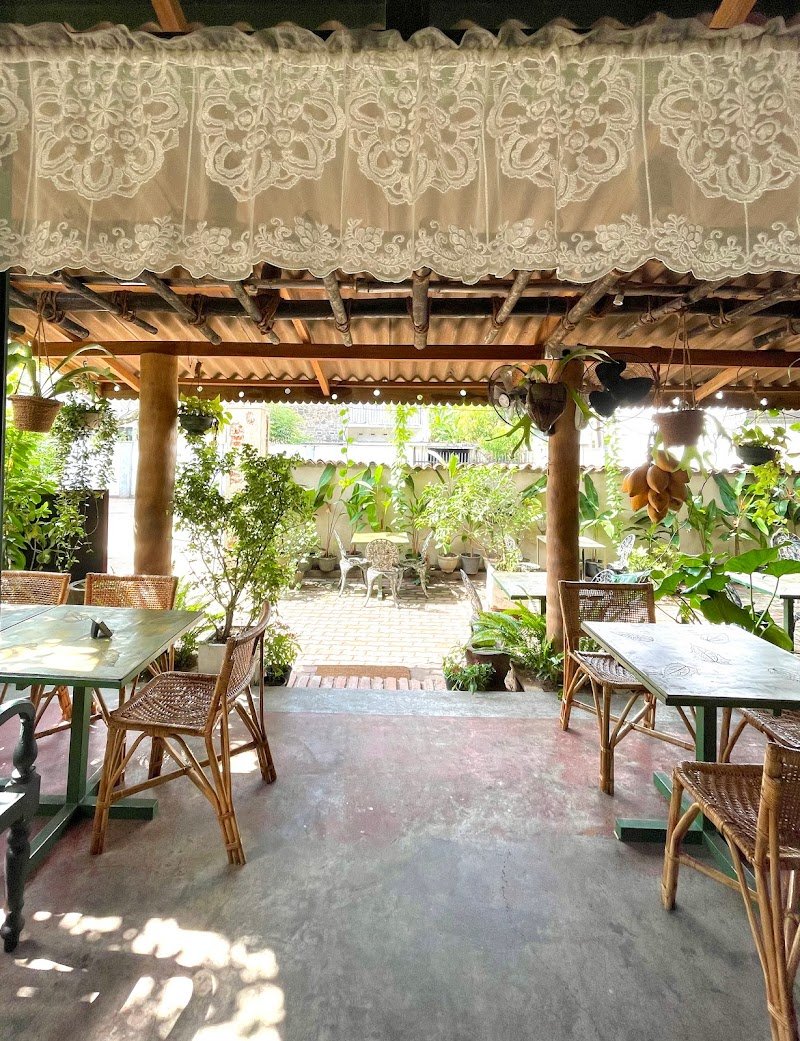
Life’s Good Kitchen

Life’s Good Kitchen

4.8 (2.3k reviews)
Location12 Sulaiman Terrace, Jawatta road Colombo 5, Colombo 00500, Sri Lanka
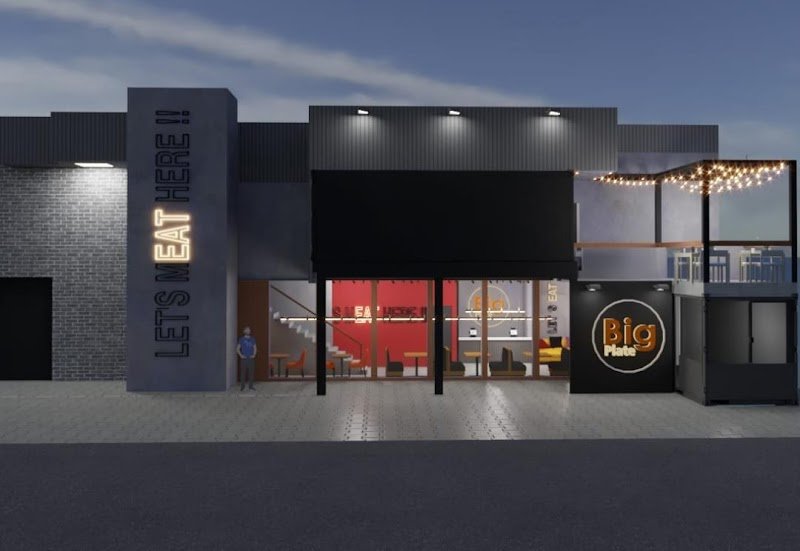
Big Plate

Big Plate

4.7 (27.6k reviews)
$$
LocationNo 32, 8th Lane Kollupitiya, Colombo, 03 Marine Drive, Face 00300, Sri Lanka
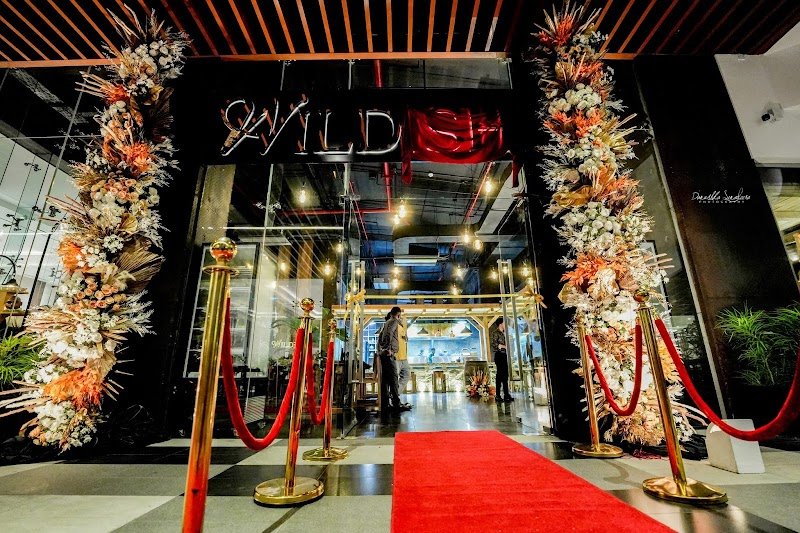
WILDISH

WILDISH

4.7 (3.6k reviews)
LocationCapitol TwinPeaks, 24 Staple St, Colombo 00200, Sri Lanka
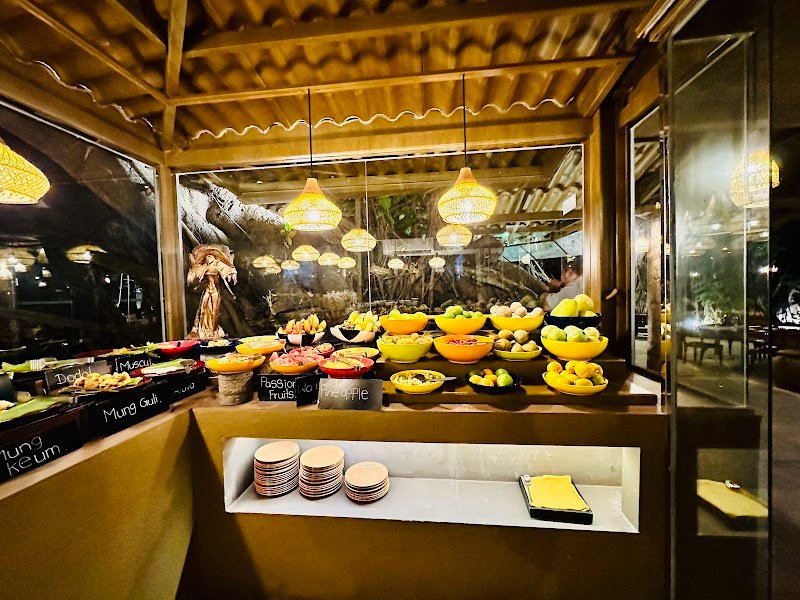
Nuga Gama

Nuga Gama

4.6 (1.0k reviews)
$$$
Location77 Galle - Colombo Rd, Colombo 00300, Sri Lanka
Graze Kitchen

Graze Kitchen

4.6 (3.5k reviews)
$$$
LocationLobby Level, Colombo 00200, Sri Lanka

Accommodations

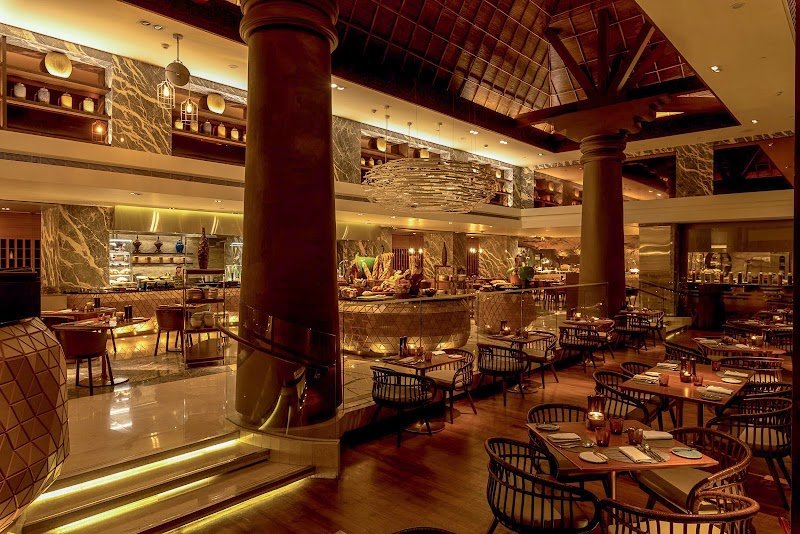
Arriving in Colombo at dusk, you see city lights flicker beside quiet lotus ponds. This contrast shapes every decision here, even as basic as where to stay. The right street means easy mornings at local cafés, cool evenings by the ocean—or the wrong one, and you might be tossing through traffic outside your window. Accommodations are more than a bed; they place you smack in the middle of Colombo’s rhythms.

Neighborhood Overview

  • Fort & Pettah: Old colonial buildings meet bustling markets. Ideal for history lovers and bargain hunters. By day, traders shout and tuk-tuks dart around; by night, it empties out—some find this eerie, others peaceful.
  • Kollupitiya (Colpetty): The classic tourist base. Beachside hotels, shiny malls, rooftop bars. Great for those seeking nightlife, chain comforts, and sea breezes; less charm, more convenience.
  • Bambalapitiya: Lively, friendly, and a bit scruffy. Mix of local shops and faded mansions turned guesthouses. Students, solo travelers, and those who like a local vibe will fit in.
  • Havelock Town & Wellawatte: Multiethnic, vibrant, with lots of budget stays and good Tamil food. Great for longer stays and families. Sometimes chaotic with slow-moving buses, but always interesting.
  • Cinnamon Gardens: Leafy, posh, with embassies and art galleries. Homestays or boutique hotels abound for couples or design geeks. The area’s calm but pricier.

Types of Accommodation

  • Luxury hotels: Iconic options like Galle Face Hotel or Shangri-La. Rooms start around $120–$300/night year-round.
  • Boutique/guesthouses: Places like Paradise Road or Drift. Expect $40–$100/night. Lots of character, though comfort can vary.
  • Budget hostels: CityRest, Clock Inn, and similar. Dorm beds from $10–$25/night—basic, often social, usually central.

Insider Tips for Booking

High season (December–March) means fast bookings and higher prices—reserve early. Off-season sees rain but better deals. Check for local taxes and service charges, often 18–22%, which may not appear upfront. Some hotels have variable rates for locals—always verify terms before booking.

Dawn over the Beira Lake, windows fogged from the night’s rain—this is why you choose your base with care. In Colombo, where you sleep decides how you wake: to street calls, sea wind, or silent gardens. Each choice gives you a different city.

Colombo Travel Guide - What to See, Do & Eat