Google Places photo

Dehiwala Zoological Gardens

Colombo, Sri Lanka
i

Google Places photo

Photo by Pasan Eramusugoda

Set beneath leafy canopies and among the bustle of southern Colombo, Dehiwala Zoological Gardens promises more than a lineup of animals in cages. The park stretches across 10 hectares, flowing with ponds, flowering trees, and the chatter of wildlife. For generations, school field trips, weekend family outings, and animal lovers from every corner of Sri Lanka have made this garden a living, breathing part of Colombo’s past and present. A day spent here opens a window into both the wild heart of Sri Lanka and the changing role of old world zoos in a modern hub.

Visiting Info

Currency
Entrance fee
2500 LKR
Hours
Opening hours
Monday: 8:30 AM – 5:00 PM
Tuesday: 8:30 AM – 5:00 PM
Wednesday: 8:30 AM – 5:00 PM
Thursday: 8:30 AM – 5:00 PM
Friday: 8:30 AM – 5:00 PM
Saturday: 8:30 AM – 5:00 PM
Sunday: 8:30 AM – 5:00 PM

Contact Information

Location
Address
120 Galvihara Rd, Dehiwala-Mount Lavinia, Sri Lanka

Planning your visit

The key to a rewarding day at Dehiwala Zoological Gardens begins before you enter the gates. The gardens draw steady crowds, especially during school holidays or bright, sunny weekends. Arriving either on a quiet weekday morning or late in the afternoon can offer a gentler pace, with shaded benches, cool breezes, and the occasional peacock for company. The entrance is conveniently located on the Colombo-Galle main road, ensuring easy access by public bus, three-wheeler, or private car. Just don’t expect buttery-smooth paths everywhere—some older zones get muddy after rain, so a bit of planning goes a long way.

  • Best time to visit: Early morning or late afternoon; weekdays for fewer crowds; December–March for pleasant weather.
  • How to get there: Public buses (frequent along Galle Road), three-wheelers (tuk-tuks), or private car. Parking lots are available.
  • Accessibility: Gentle slopes and wheelchair ramps exist in most areas. Families with strollers or seniors can manage, though some older paths may be uneven.
  • Average visit duration: 3–4 hours covers most of the gardens; animal shows or leisurely breaks extend the experience.

Must see stuff

Dehiwala Zoological Gardens offers surprises at every turn. The winding paths lead through distinctive animal enclosures, tree-lined walkways, and zones bursting with tropical color. While familiar favorites like the elephant compound or the aviary draw crowds, there’s much more than meets the eye. Across the grounds, small ponds host elegant flamingos, and quiet corners harbor unexpected wildlife—from playful otters to sleepy sloths. Educational displays and scheduled feeding sessions bring animal stories to life, making the gardens much more than a display: they’re active storytellers of conservation and curiosity.

  • Main animal attractions: Majestic Asian elephants, Sri Lankan leopards, and an enormous aviary with native birdlife.
  • Reptile house: One of Sri Lanka’s widest snake and crocodile collections—kids love the close-up glass panels.
  • Butterfly garden: A colorful, peaceful spot with native butterflies flitting through flowering plants—ideal for a quiet stroll or photographs.
  • Aquarium and nocturnal house: Aquatic life from the Indian Ocean as well as rare glimpses of slow-moving night creatures.
  • Orangutan island: A floating enclosure with swinging ropes and clever enrichment for these endangered apes.
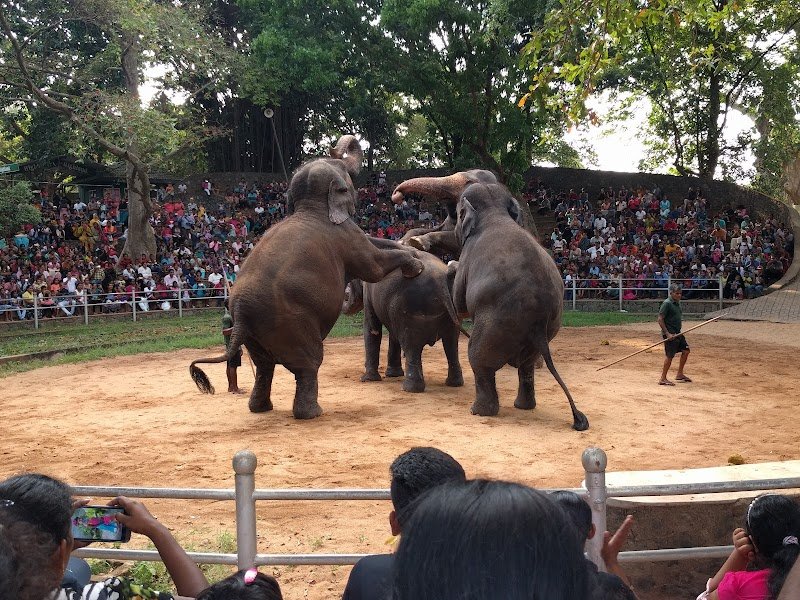
  • Daily elephant show: Features traditional elephant skills, reflecting both animal intelligence and cultural heritage—though animal show ethics may divide visitors.
  • Photo spots: Overhanging banyan trees, lush lotus ponds, and the pink-hued flamingo pool—all offer striking backgrounds.
  • Historical roots: Opened in 1936, the garden’s Art Deco entrance gate and colonial rotunda recall the city’s past.

Tips for your visit

A smooth outing at Dehiwala Zoological Gardens depends as much on timing as on what’s in your backpack. The gardens hum with life, but older enclosures may show age, making sturdy shoes and extra patience worthwhile. Food stalls tempt with fried snacks, but packing water and fruit helps, too, especially on humid days. While the staff is friendly, English signage can be patchy; plan extra time when searching for lesser-known enclosures. And above all—treat animals and habitats with respect, avoiding loud noises or feeding outside scheduled times.

  • To avoid crowds: Aim for weekday mornings, just after opening. School groups often arrive by mid-morning.
  • What to bring: Refillable water bottle, sun hat, camera, comfortable shoes, and insect repellent.
  • Local etiquette: Respect fences, follow "Do Not Feed" signs, speak quietly near animal habitats.
  • For comfort: Some benches and shaded huts offer rest. The older aquarium area can get stuffy—take breaks outside.
  • Safety tip: Watch young children near water features; slippery paths after rain require extra caution.
Dehiwala Zoological Gardens – Tickets, Hours & Visitor Guide