Google Places photo

Diyasaru Park

Colombo, Sri Lanka
i

Google Places photo

Photo by Ravindu Perera

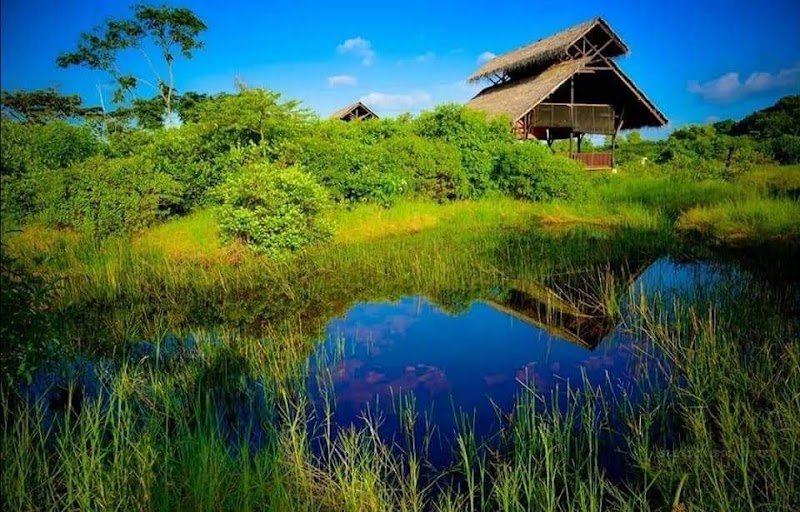
On the eastern edge of Colombo’s urban sprawl, open wetlands meet high-rise skylines, mixing city energy with wild, teeming life. At Diyasaru Park, an unexpected sanctuary thrives. Here, whispering reeds and pond lilies shelter kingfishers, water monitors, and families of picnicking locals. More than a green patch, this park invites discovery and quiet wonder, offering a chance to trade city bustle for bird calls and lush pathways—just minutes from buzzing streets.

Visiting Info

Currency
Entrance fee
100 LKR
Hours
Opening hours
Monday: 6:00 AM – 5:00 PM
Tuesday: 6:00 AM – 5:00 PM
Wednesday: 6:00 AM – 5:00 PM
Thursday: 6:00 AM – 5:00 PM
Friday: 6:00 AM – 5:00 PM
Saturday: 6:00 AM – 5:00 PM
Sunday: 6:00 AM – 5:00 PM

Contact Information

Location
Address
Japan Sri Lanka Friendship Rd, Sri Jayawardenepura Kotte, Sri Lanka

Planning your visit

Simple planning goes a long way at Diyasaru Park. The park sits close to major roads in Sri Jayawardenepura Kotte—Colombo’s administrative heart—making it hardly a chore to find. No ticket lines stretch for miles, but weekend afternoons can bring crowds of school children and families. Most visitors prefer mornings or early evenings when the air is cool and wildlife most active. Expect friendly staff, well-marked paths, and a handful of unexpected creatures, both feathered and shelled. While the park covers enough ground for serious exploring, short strolls also delight. A well-planned visit matches energy with interest—whether you’re birdwatching or pushing a stroller.

  • Best time to visit: Weekday mornings or late afternoons, between November and March for best bird sightings
  • How to get there: Taxis, ride-shares, or local buses to Sri Jayawardenepura Mawatha; free parking nearby
  • Accessibility: Smooth concrete walkways suit families, seniors, wheelchairs, and bikes
  • Average visit duration: 1.5–3 hours, depending on activities chosen

Must see stuff

Diyasaru Park’s charm reveals itself in layers: winding boardwalks sneak above dark, mirror-like tanks, while bird hides open onto reed-draped pools busy with purple herons. Some highlights turn up in plain sight, like the “wetland walk” that skims the main lake’s edge, or the shady butterfly garden fluttering in a riot of color nearby. Others, like night-time amphibian tours or the quiet canopy platforms, delight those who linger or take a detour from the main path. Local school groups crowd the education center where hands-on exhibits tell the story of the park’s animals and plants. Photo seekers and nature lovers might come for rare birds, but leave enchanted by tiny dragonflies on sun-warmed railings. Few places marry wildness and accessibility this well inside a city.

  • Key sights or features: Boardwalk trail above wetlands, butterfly garden, bird hides, tranquil lake views
  • Unique experiences: Night wildlife walks (with advance booking), spotting native otters, interactive environmental displays in the visitor center
  • Photo-worthy locations: Floating bamboo bridge, sunrise over the lake, lotus ponds during blooming season
  • Cultural or historical facts: The park protects over 40 hectares of urban wetland, once under threat from city development, now a key site for conserving Colombo’s biodiversity

Tips for your visit

Even the best urban parks come with quirks. Mosquitoes can be persistent at dusk—bring repellent. Sudden weather changes during the monsoon may turn some paths slippery. While picnic tables offer relaxing breaks, litter bins are rare away from the entrance, so be ready to pack out trash. Respect quiet zones: many visitors come for birdwatching. Some local wildlife—like water monitors—looks fierce, but rarely bothers people. Guides sometimes cancel last-minute during heavy rains, so double-check scheduled activities beforehand. Despite these small points, most guests leave wishing they’d budgeted even more time for curiosity and serendipity.

  • Best times to avoid crowds: Weekdays, early mornings, or just after rainfall
  • What to bring: Water bottles, sun hat, sturdy walking shoes, insect repellent, camera or binoculars
  • Local etiquette or rules: Stay on marked trails, keep noise low, do not feed wildlife
  • Safety or comfort advice: Watch for low handrails on boardwalks, supervise children near water, check weather forecast before arrival
Diyasaru Park – Tickets, Hours & Visitor Guide