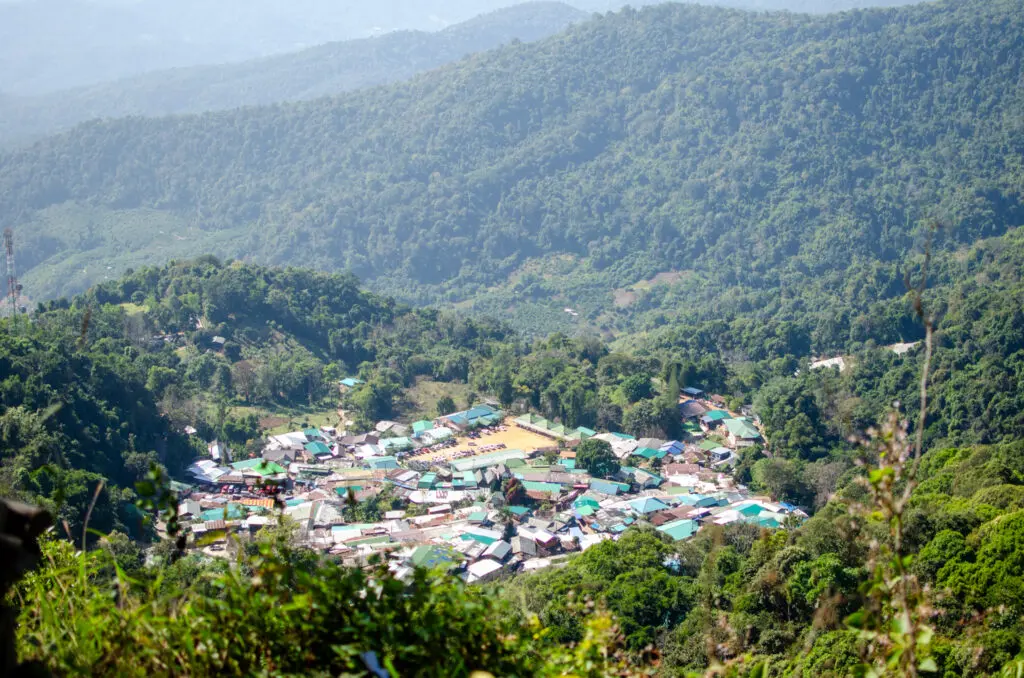
Beautiful view of Doi Pui Viewpoint

Doi Pui Viewpoint

Chiang Mai, Thailand
i

Beautiful view of Doi Pui Viewpoint

Fresh mountain air wakes every sense as visitors step beyond the last bend. The city noise retreats, replaced by a sweeping vista where Chiang Mai lies in miniature. Wisps of cool mist drift through pine trees, carrying the light scent of wet earth. Doi Pui Viewpoint feels worlds away, yet it is only a short journey from busy markets and temple grounds. For those craving a taste of northern Thailand’s wild beauty—and a peaceful perspective on the region—few places compare.

Visiting Info

Currency
Entrance fee
Free
Hours
Opening hours
Monday: Open 24 hours
Tuesday: Open 24 hours
Wednesday: Open 24 hours
Thursday: Open 24 hours
Friday: Open 24 hours
Saturday: Open 24 hours
Sunday: Open 24 hours

Contact Information

Location
Address
RV8Q+JM3, Tambon Su Thep, Mueang Chiang Mai District, Chiang Mai 50200, Thailand

Planning your visit

Proper planning brings out the best in a trip to Doi Pui Viewpoint. Weather at this elevation can shift quickly, so visitors should consider both comfort and season when setting their itinerary. Early mornings and late afternoons offer cooler air and often fewer people. Arriving with a clear route in mind helps maximize time—transport ranges from taxis and self-drive scooters, to guided tours departing Chiang Mai’s Old City.

  • Best time to visit: Cool season (November through February) for clear skies; sunrise and sunset for soft light and fewer crowds.
  • How to get there: Private car, scooter, or songthaew from Chiang Mai; public transportation does not reach the summit. The drive takes 45-60 minutes from central Chiang Mai.
  • Accessibility: Pathways near the viewpoint include some stairs and slopes; families with children will find easy stretches, but strollers are not practical. Seniors able to manage a gentle walk can enjoy most areas.
  • Average visit duration: 1-2 hours for viewing, snacks, and photos; more if including Doi Pui Hmong Village or Doi Suthep temple.

Must see stuff

Doi Pui Viewpoint sits poised between rolling forest and endless sky. The overlook itself reveals a quilt of farmland, city, and distant peaks. Some days, clouds catch on the mountaintops like wisps of cotton. Around the main platform, smaller trails wind through gardens and fragrant flowering shrubs. For a richer experience, many travelers pair the viewpoint with nearby sites or short nature walks. The gentle sounds—children’s laughter, a distant hummingbird, maybe flute-like Hmong music—heighten the sense of discovery.

  • Panoramic observation deck: The main platform offers the widest and best views—especially dramatic at sunrise or sunset. On clear days, Doi Suthep temple shines gold in the distance, and Chiang Mai’s urban sprawl unfurls below.
  • Hilltribe gardens: Just below the viewpoint, neat plots of roses, ferns, and fruit trees show off Hmong horticulture and provide peaceful paths to wander.
  • Hmong Village: A short walk or drive from the viewpoint, this settlement features colorful textiles, local foods, and small craft stalls. Tasting fresh grilled corn or picking up an indigo-dyed scarf makes the stop memorable.
  • Hidden trails: Unmarked forest paths branch away from the main area. Birdwatchers and flower chasers will find plenty to explore—orchids and finches often surprise off the beaten track.
  • Cultural note: Doi Pui’s hilltribe communities trace their roots back centuries, blending colorful tradition with mountain agriculture. A respectful, curious attitude unlocks the warmest welcomes.

Tips for your visit

Some simple steps can turn a beautiful visit into a remarkable one. Doi Pui sits at over 1,600 meters—cooler than the city, but sunburn is still possible. Weekends and midday often draw large crowds, especially during the flower festival or school holidays. Food stalls at the viewpoint sell local snacks and coffee—delicious but basic. Mobile signal is patchy; setting up transport before arrival makes departure easier. And while most trails are clearly marked, sturdy shoes make wandering safer. When moving through the Hmong Village or gardens, treating crafts and gardens with care shows respect for both culture and land.

  • Best times to avoid crowds: Early morning on weekdays or late afternoon just before sunset.
  • What to bring: Lightweight jacket, water, camera, hat, sunblock, cash (many shops do not take cards), and sturdy walking shoes.
  • Local etiquette: Ask before photographing villagers or private homes. Bargaining at market stalls should stay friendly and light-hearted.
  • Safety or comfort advice: Watch for uneven stone or dirt paths after rain. Carrying extra water is wise—the air dries out faster at elevation. If traveling by scooter, bring a full tank and check brakes before the climb.