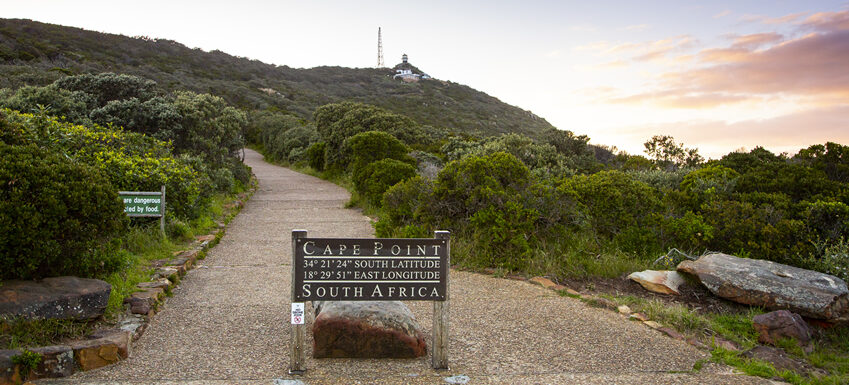
Beautiful view of Cape Point Nature Reserve

Cape Point Nature Reserve

Cape Town, South Africa
i

Beautiful view of Cape Point Nature Reserve

In wind-battered harmony with sea and rock, Cape Point Nature Reserve crowns the far tip of the Cape Peninsula with wild drama. Famous for towering cliffs, rare fynbos, and epic ocean views, this protected site stands where the Atlantic and Indian Oceans nearly collide. From troop of baboons foraging in the fynbos, to the briny tang of kelp beds below, every element feels shaped by time and tides. For those craving beauty with a raw edge, and stories carved over centuries, Cape Point delivers an experience hard to match anywhere else.

Visiting Info

Currency
Entrance fee
400 ZAR
Hours
Opening hours
Monday: 6:00 AM – 6:00 PM
Tuesday: 6:00 AM – 6:00 PM
Wednesday: 6:00 AM – 6:00 PM
Thursday: 6:00 AM – 6:00 PM
Friday: 6:00 AM – 6:00 PM
Saturday: 6:00 AM – 6:00 PM
Sunday: 6:00 AM – 6:00 PM

Contact Information

Location
Address
Cape Peninsula, Simon's Town, 7995, South Africa

Planning your visit

Cape Point sits inside Table Mountain National Park, about an hour’s drive south of central Cape Town. Weather swings between cool sea fog and hot sun—even in one afternoon—so smart dressing goes a long way. Mornings and late afternoons tend to be quieter, though summer (October to March) brings bigger crowds on weekends, especially during South African school holidays. While buses and group tours stop here, visitors with cars linger longer and see more. Expect a park entry fee, potential lines at the main gate, and busy parking near the lighthouse during peak times. Most pathways are well marked, though some steep slopes may challenge less mobile travelers.

  • Best time to visit: Early morning or late afternoon in spring or autumn for fewer people and softer light.
  • How to get there: Self-drive via scenic M4/Chapman’s Peak; day tours or MyCiTi bus (limited schedule).
  • Accessibility: Wheelchair-accessible restrooms and paths near the main area; funicular train up to the lighthouse; some tougher trails may not suit strollers or mobility-impaired visitors.
  • Average visit duration: 3–4 hours for highlights, a full day for deep exploration.

Must see stuff

Within the sprawling reserve, visitors find more than a postcard view. Beyond the famous lighthouse, rugged headlands, and wildflowers, Cape Point’s energy rewards those who wander off the main paths. The promise of shipwrecks and secret beaches lures explorers; bird-watching and whale-spotting pull in nature lovers. Strong sea breezes make the area brisk—a camera and a sense of adventure feel mandatory.

  • Key sights or features: Iconic old lighthouse (with viewing platform); dramatic Dias Beach at the foot of the cliffs; the Two Oceans Restaurant for panoramic meals; shipwreck trails and historical engravings.
  • Unique experiences: Climb up to the deserted WWII radar bunkers; ride the Flying Dutchman funicular; hike the gentle Lighthouse Keeper’s Trail for sweeping sea views; watch for curious chacma baboons along the roadside.
  • Photo-worthy locations: Photographic viewpoints overlooking bluffs and surf; the famous signpost at the most southwesterly tip; turquoise coves seen from the trail to Dias Point.
  • Cultural or historical facts: Bartolomeu Dias rounded Cape Point in 1488, reshaping trade routes; the lighthouse, built in 1859, helped prevent deadly shipwrecks on the ‘Cape of Storms.’

Tips for your visit

With ever-changing weather, lively wildlife, and uneven terrain, even prepared explorers will find unscripted moments here. Local monkeys may try to grab food; strong winds can surprise at cliff edges. Cellphone coverage can be spotty but basic amenities abound near the main parking area. For those chasing quiet, late afternoons are gold. For families, gentle walks reveal hidden beauty. Hiking shoes, sunblock, and extra water mean more freedom—though lightweight layers save the day if a chilly breeze rattles through.

  • Best times to avoid crowds: Weekdays, especially outside school holidays and before 10 am or after 4 pm.
  • What to bring: Water, snacks (sealed tightly), layered clothing, sunblock, camera, walking shoes.
  • Local etiquette or rules: Don’t feed or approach wildlife; stay on marked paths to protect rare plants; take litter home to preserve the park’s wildness.
  • Safety or comfort advice: Mind the steep cliffs and sudden winds; watch children closely; prepare for limited shade and changing weather.