bo-kaap, wale street, nature, car, house, building, city, bus, car wallpapers, road, architecture, transportation, truck, sky, traffic, town, transport, blue sky, urban, home, travel, yellow, blue, van, parking, cape town, residential, tourism
bo-kaap homes, cape town, wale street, house, architecture, building, home, street, window, construction, blue, city, white, sky, town, africa, door, travel, balcony, new, exterior, nature, blue sky, facade, colorful, apartment, residential, tourism, outdoors
mercedes, pop, wallpaper 4k, 4k wallpaper, desktop backgrounds, mac wallpaper, cool backgrounds, full hd wallpaper, multicoloured, hd wallpaper, colour, art, laptop wallpaper, beautiful wallpaper, 4k wallpaper 1920x1080, free background, abstract, free wallpaper, design, background, windows wallpaper, bokaap, wallpaper hd, cape town, south africa

Bo-Kaap

Cape Town, South Africa
i

bo-kaap, wale street, nature, car, house, building, city, bus, car wallpapers, road, architecture, transportation, truck, sky, traffic, town, transport, blue sky, urban, home, travel, yellow, blue, van, parking, cape town, residential, tourism

Photo by jeanvdmeulen

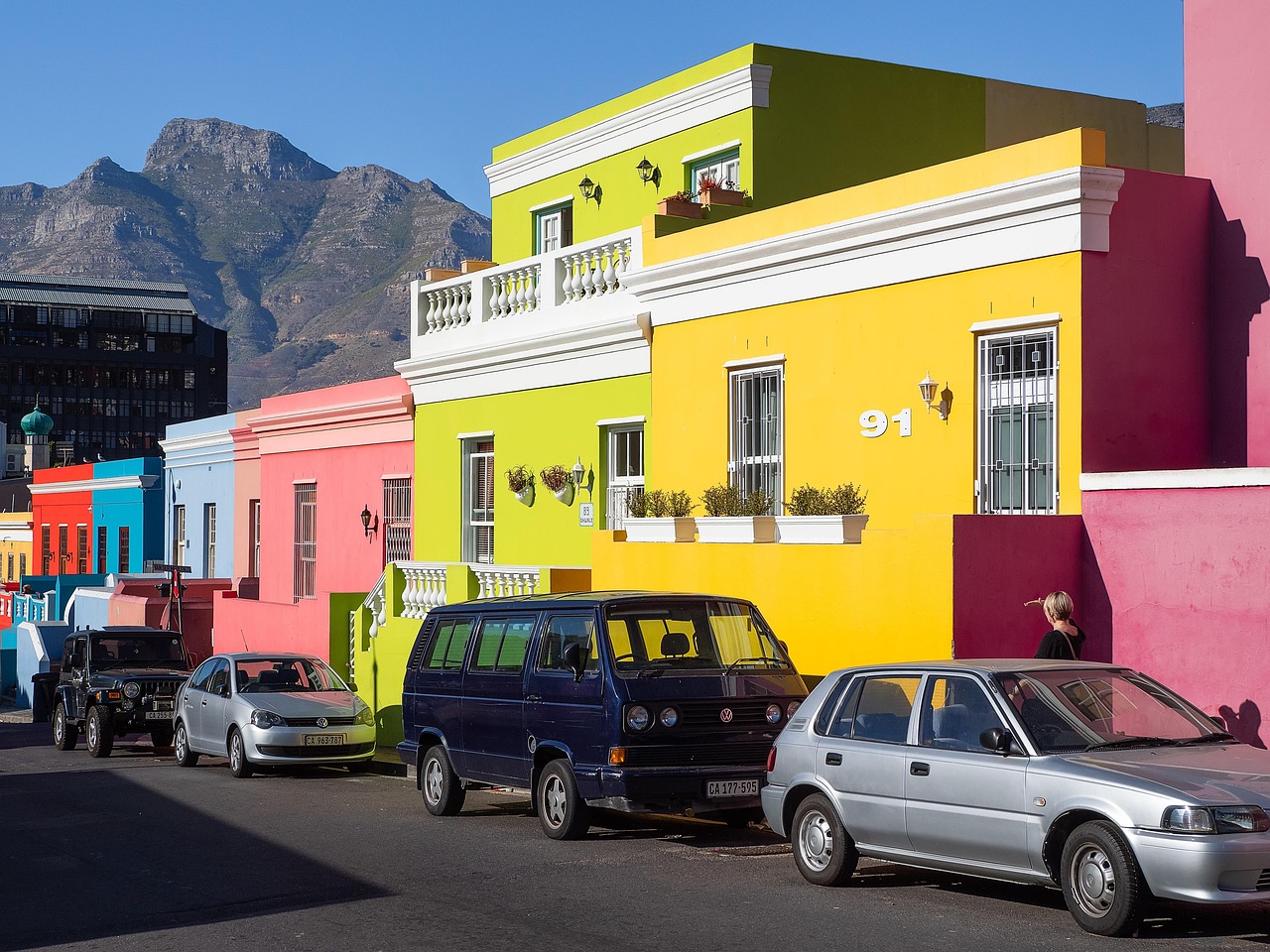
Pastel homes, rich spice scents, and the hum of everyday life mark the streets of Bo-Kaap. Located near the heart of Cape Town, this neighborhood keeps stories as bright as its world-famous houses. Visitors arrive with curiosity and leave with the impression that every corner threads tradition, hardship, and joyful celebration into daily rhythms. In Bo-Kaap, the past and present blend seamlessly, offering a living picture of Cape Town’s history and culture.

Visiting Info

Currency
Entrance fee
Free

Contact Information

Location
Address
Bo-Kaap, Schotsche Kloof, Cape Town, South Africa

Planning Your Visit

Planning a trip to Bo-Kaap means balancing discovery with comfort. Travelers should expect a busy, lively neighborhood with narrow streets and sudden bursts of activity. While no tickets or strict entry rules exist, weekends bring tour groups and camera-carrying crowds. Visiting earlier or later in the day lets the vibrant houses shine in softer light, and gives a chance to chat with friendly locals. The area welcomes families, solo explorers, and those with limited time, though steep hills may challenge visitors with mobility concerns.

  • Best time to visit: Early morning or late afternoon for best light and fewer crowds. Summers (November–March) offer sunny weather but more visitors.
  • How to get there: Walk from downtown Cape Town (10 minutes), use ride-hailing apps, or hop on the City Sightseeing Red Bus. Parking is limited; public transport is easier.
  • Accessibility: Sidewalks are often uneven and steep—take care if you have mobility needs. Strollers can be tricky on the hills.
  • Average visit duration: 1–2 hours for a short walk; up to half a day with a meal or guided tour.

Must See Stuff

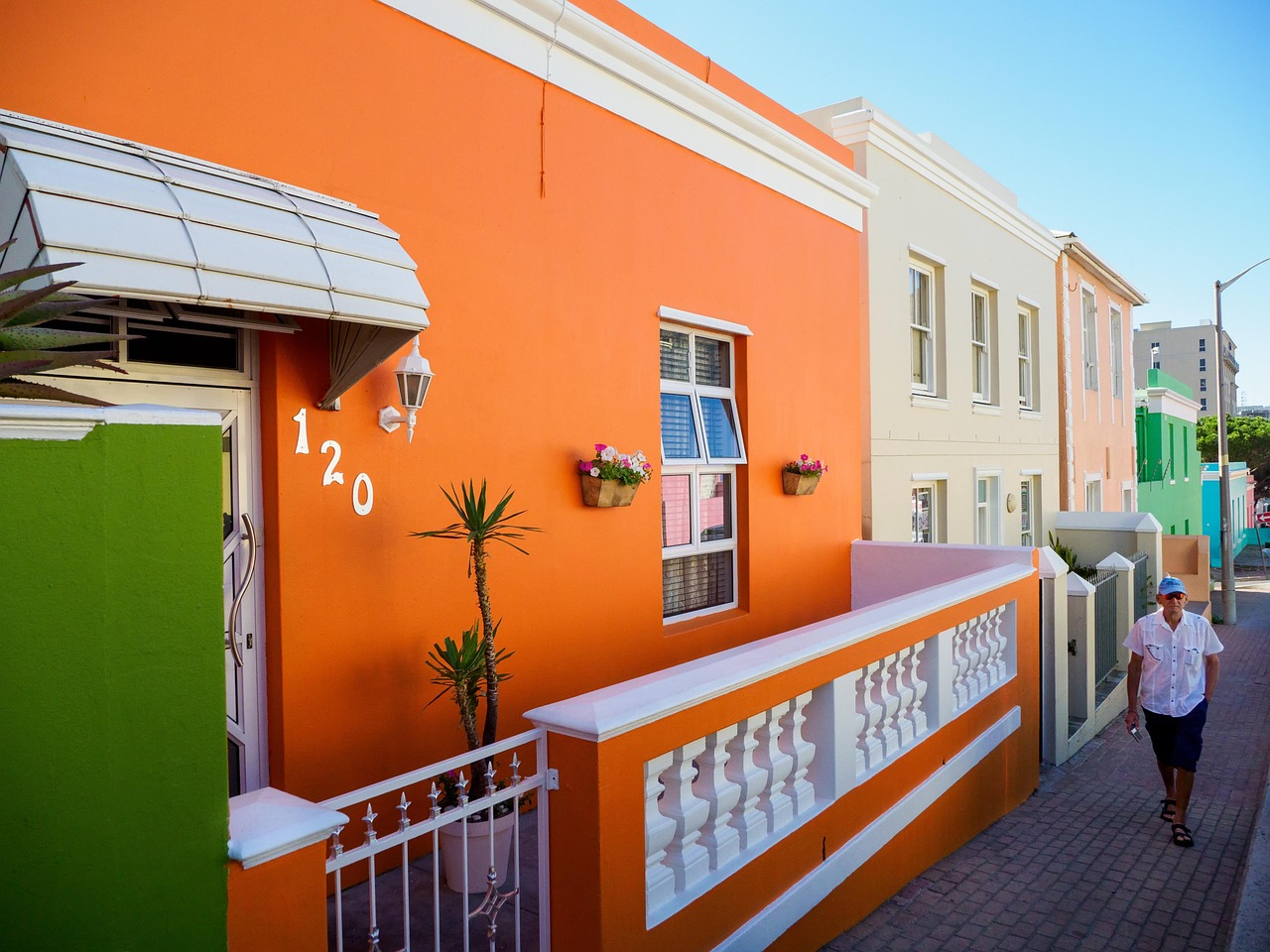
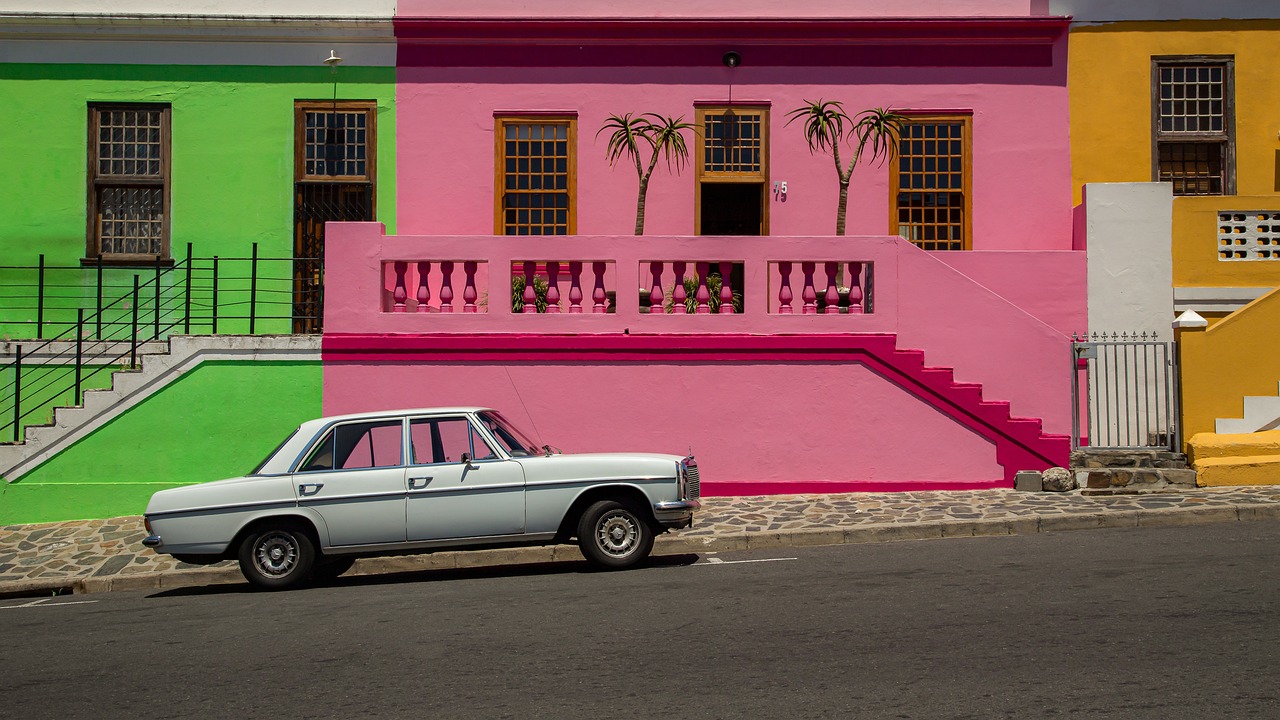
Bo-Kaap delights curious wanderers with bold colors, cultural gems, and sensory surprises. Streets like Chiappini and Wale stay famous for their rows of candy-bright homes, each painted a different shade as a proud act of self-expression. Mosques—like the Auwal Mosque, South Africa’s oldest—anchor the area and share centuries of history. Beyond landmarks, spice shops and local bakeries fill the air with aromas that tempt anyone passing by. Exploring small museums or booking a Cape Malay cooking class introduces visitors to traditions handed down through generations. Each stop offers a piece of the bigger Bo-Kaap story.

  • Key sights: Bo-Kaap Museum (for personal stories and artifacts), Auwal and Nurul Islam Mosques, picture-perfect rows of Wale Street homes.
  • Unique experiences: Cape Malay cooking classes, sampling traditional koeksisters (braided, spiced sweets), and chatting with shopkeepers in Atlas Trading Company spice shop.
  • Photo-worthy spots: Corner of Rose and Chiappini Streets for sweeping views, front steps of Wale Street homes, mosque minarets against Table Mountain backdrop.
  • Cultural and historical facts: Many original residents are descendants of enslaved people and political exiles from Indonesia, India, and Malaysia. Traditions like breaking fast together during Ramadan remain strong.

Tips For Your Visit

Bo-Kaap rewards patient, respectful exploration. Walk slowly, ask before snapping portraits, and linger in smaller shops. Avoid the busy midday rush, and remember that this remains a lived-in neighborhood—loud groups or intrusive cameras can unsettle local families. Tread carefully on cobblestones, bring cash for snacks or souvenirs, and watch for cars turning through narrow alleys. Though mostly safe, staying aware on quieter streets late at night is wise. Above all, engage with the warmth of the community: simple greetings open doors.

  • Best times to avoid crowds: Weekday mornings or during lunchtime.
  • What to bring: Camera, hat, water, sunscreen, comfortable shoes, and small change for treats.
  • Local etiquette: Dress modestly (especially near mosques), ask before photographing residents, and support local businesses over mass-market vendors.
  • Safety and comfort: Stick to main streets after dark, keep valuables secure, and expect some hills and uneven paving.