Tsinghua University Art Museum

Tsinghua University Art Museum

Beijing, China
i

Tsinghua University Art Museum

Photo by Savoir Aimer (Admin)

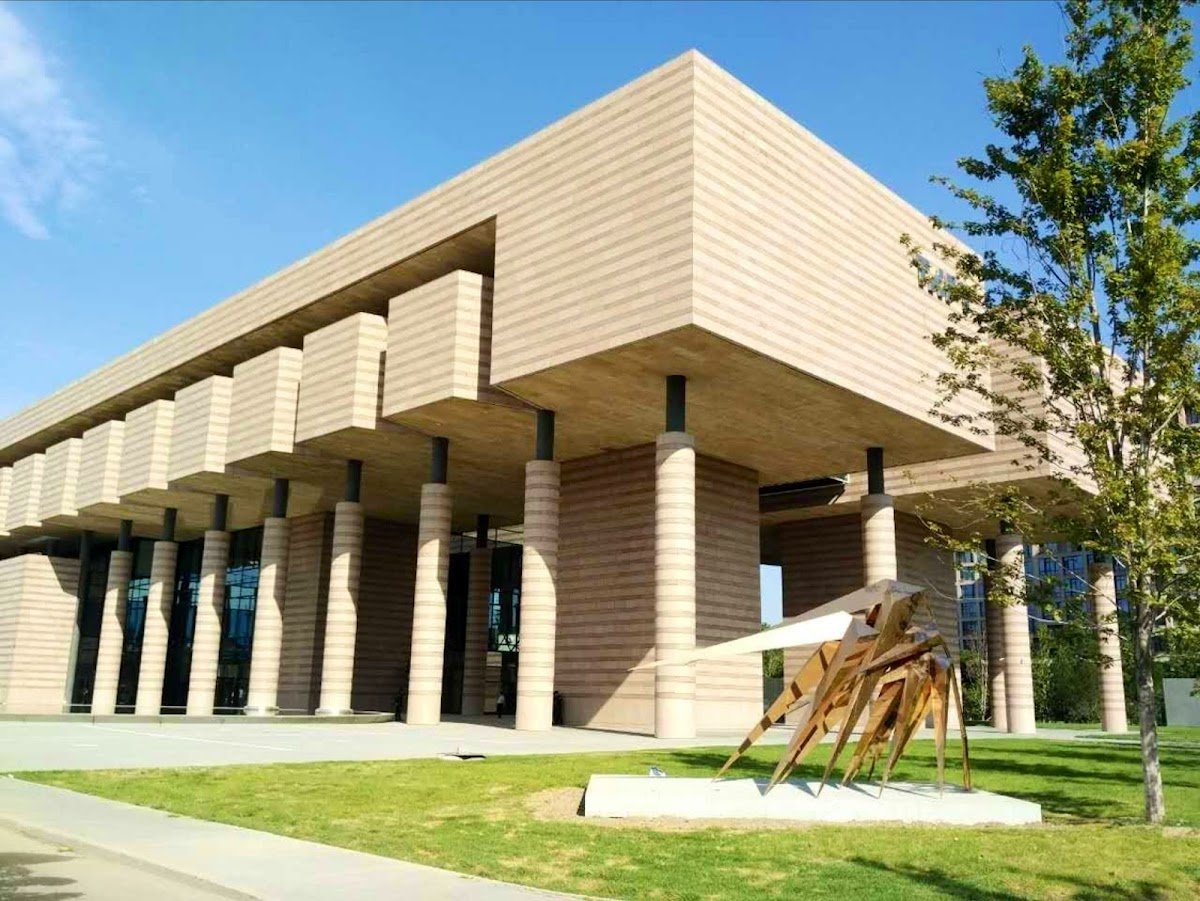
In a city known for centuries-old history and stunning architecture, Tsinghua University Art Museum stands out as a bold statement of modern creativity. Set within the respected campus of one of China’s leading universities, the museum blends striking contemporary design with a rich array of art, making it an unexpected must-visit for travelers of all interests. From visitors searching for the pulse of Chinese culture, to families or students curious about art's place in today's society, this landmark draws guests into a world where tradition meets innovation.

Visiting Info

Currency
Entrance fee
30 CNY

Contact Information

Location
Address
China, Bei Jing Shi, Hai Dian Qu, 蓝旗营清华大学内 邮政编码: 100190

Planning your visit

Those interested in the arts will find Tsinghua University Art Museum welcoming yet worth some advance planning. Traveling to the museum is simple, however students and local art fans can fill the galleries, especially during weekends and special events. Tickets are affordable and often include temporary exhibition access, but lines can grow long during holidays or when special shows arrive. Checking the museum calendar before visiting is wise, since rotating exhibits attract both students and art lovers from all over Beijing.

  • Best time to visit: Weekday mornings or late afternoons; spring and autumn offer comfortable weather and light campus crowds.
  • How to get there: Subway Line 13 to Wudaokou Station, then walk or take a short taxi ride to the Tsinghua University campus entrance. Public buses and bike sharing also serve the area.
  • Accessibility: Wheelchair ramps and elevators are in place. Families with kids and seniors will find seating throughout the galleries.
  • Average visit duration: 1.5–3 hours, depending on interest in temporary or permanent exhibitions.
Must see stuff

The Tsinghua University Art Museum dazzles with a thoughtful mix of artistic eras and mediums. Visitors may find themselves wandering through sleek halls filled with ancient Chinese ceramics one moment, then pausing before bold, futuristic installations the next. Four main exhibition floors divide the museum, each offering a different flavor of creativity. Captivating light filters through wide glass windows, inviting natural scenes from the leafy campus beyond to blend with the artwork inside.

  • Key sights: The permanent collection features priceless porcelain and brush paintings alongside rotating displays of modern photography and sculpture.
  • Unique experiences: Special exhibitions often showcase digital media and cutting-edge works from both student and international artists. Pop-up workshops let visitors try traditional calligraphy or modern multimedia techniques.
  • Photo-worthy locations: The grand staircase in the entrance hall presents a sweeping view for memorable photos; glass walls on the upper floors frame striking views of campus greenery.
  • Cultural facts: The museum was designed by renowned architect Mario Botta. Its mission is to bridge Chinese heritage and global innovation, echoing Tsinghua's role as a leader in both fields.

Tips for your visit

A little insider knowledge transforms a casual visit into a deeply rewarding one. Early arrivals avoid the school rush and enjoy galleries at their quietest. Those lingering near closing time might notice student musicians or impromptu sketch sessions unfolding in quiet corners. Water bottles and snacks help during long exhibition-walks, but food is not allowed in gallery spaces. Restrooms and a modest gift shop are located by the lobby. Occasional staff reminders to speak softly in exhibit halls help preserve the calm atmosphere, and photography is usually welcome—without flash. Though English explanations have improved, bring a translation app for complex exhibit details.

  • Best times to avoid crowds: Plan for weekday mornings or early afternoons, outside of school holidays.
  • What to bring: A lightweight bag, refillable water bottle (allowed only in common areas), comfortable shoes, and a phone or camera for photos.
  • Local etiquette: Be respectful of the predominantly student visitors; keep noise low and avoid touching artworks.
  • Safety and comfort: Air conditioning maintains comfort even on Beijing’s hottest or coldest days. Though generally calm, crowded exhibitions may require some patience. Staff are friendly and happy to help with questions or directions.