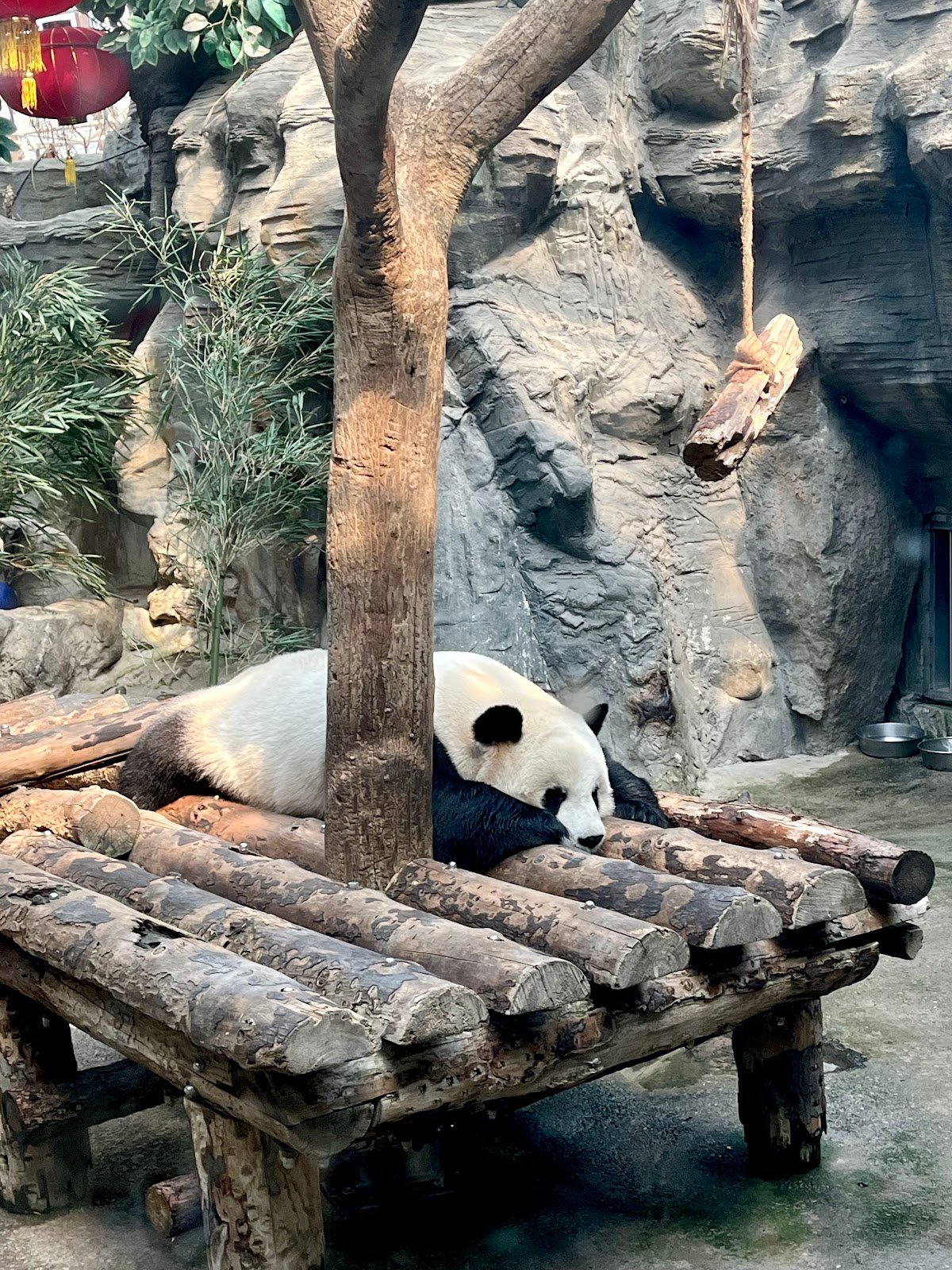
Beijing Zoo

Beijing Zoo

Beijing, China
i

Beijing Zoo

Photo by Alina

Few places blend nature, city energy, and quiet history quite like Beijing Zoo. Home to some of the world’s most beloved animals and set among shaded ponds and winding paths, this park-sized zoo draws families, animal lovers, and travelers keen to experience a slice of daily Beijing. Beyond pandas, Beijing Zoo offers a look into both China’s passion for wildlife and the rhythms of local life in the capital.

Visiting Info

Currency
Entrance fee
10 USD

Contact Information

Location
Address
137 Xi Zhi Men Wai Da Jie, Xi Cheng Qu, Bei Jing Shi, China, 100044

Planning your visit

To make the most of a trip to Beijing Zoo, a little preparation goes a long way. The grounds cover a vast area, and certain animals—especially the famous pandas—draw steady crowds. Arriving early helps guarantee a peaceful stroll and clear views. The zoo sits just outside the city’s Third Ring Road, well served by subway, taxis, and buses. For families with young children or travelers with mobility needs, wide paved paths and available rental strollers make exploration comfortable, though some older enclosures have steps or uneven terrain. Visitors will want roughly half a day to take in the highlights without feeling rushed.

  • Best time to visit: Spring and autumn deliver mild weather, green views, and fewer crowds. Arrive at opening (7:30am) for the quietest experience, especially at the Panda House.
  • How to get there: Take Beijing Subway Line 4 to Beijing Zoo Station (Exit B) for a short walk to the main gate. Taxis are easy to hail; traffic is lightest before 9am.
  • Accessibility: Most main paths suit strollers and wheelchairs; rental strollers available at South Gate. Rest benches plentiful, though summer can be hot.
  • Average visit duration: Three to five hours allows plenty of time for highlights and a café stop.

Must see stuff

Beijing Zoo’s highlights balance iconic creatures with peaceful gardens, lively animal performances, and bits of late-imperial architecture. The Giant Panda House, often at the top of travelers’ lists, delivers a chance to see China’s national treasure up close. Nearby, the Elephant House and Gorilla Pavilion feature grand glass windows for easy viewing, while the historic aquarium contains a dazzling jellyfish tunnel. Little-known corners, like the elegant old lakeshore or the quiet bird aviary, reward visitors who wander beyond the main paths. For families, daily sea lion performances and zookeeper talks add lively, hands-on moments. The grounds themselves, built in 1906, preserve Qing Dynasty pavilions and willow-shaded ponds—a rare meditative break within bustling Beijing.

  • Key sights: Giant Panda House, Tiger Mountain, Elephant House, African Savannah, Beijing Aquarium
  • Unique experiences: Early-morning panda feedings, sea lion performance in the Aquarium, lakeside walks near Lotus Pond
  • Photo-worthy spots: Stone arch bridge over the lake, red-tiled traditional pavilions, close-ups of pandas chewing bamboo
  • Cultural facts: The zoo was founded as an imperial garden and animal park over a century ago, and several historic buildings remain. Pandas, a symbol of friendship and peace, feature in many international loan programs begun here.

Tips for your visit

A walk through Beijing Zoo can be both exciting and relaxing with a little know-how. The most popular exhibits—especially the pandas—draw large groups as the morning progresses, so time matters. On hot days, shady trees and plenty of water stalls help keep visitors comfortable, but the city’s summer humidity can still be heavy, especially in July and August. Food inside the zoo is simple and often busy at lunchtime. For a more local experience, travelers sometimes bring snacks or picnic supplies and settle near the lakeside pavilions. Politeness, patience for lines, and kindness toward animals are expected. Photography is welcome, but flash is not allowed in most indoor exhibits.

  • Best times to avoid crowds: Weekday mornings, especially before 10am; avoid public holidays.
  • What to bring: Lightweight hat, refillable water bottle, sunscreen, comfortable walking shoes, camera or phone (no flash for indoor exhibits)
  • Local rules: No feeding or tapping on enclosures; keep pathways clear; respect posted signs about animal welfare.
  • Comfort and safety: Most paths are shaded, but bring an umbrella in summer. Watch for uneven ground around older pavilions. If lost, maps and bilingual staff help with directions.

Similar Attractions