National Art Museum of China

National Art Museum of China

Beijing, China
i

National Art Museum of China

Photo by Savoir Aimer (Admin)

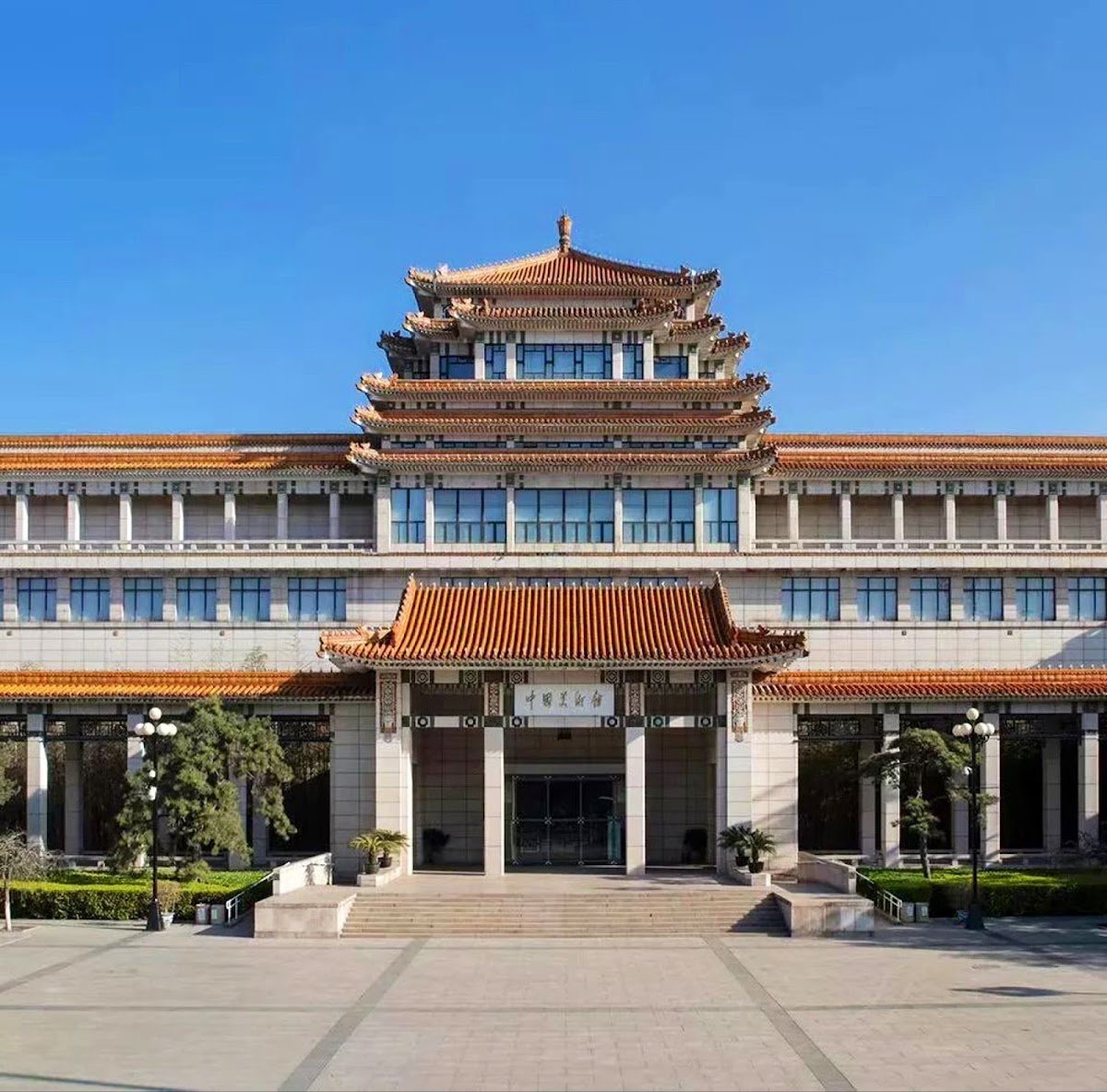
China's creative spirit fills the National Art Museum of China, drawing visitors into a world of brushstrokes, sculptures, and centuries-old treasures. As one of the most respected art museums in Asia, this monumental building stands as a testament to traditional roots and modern ambitions. Here, history and art come together, providing a window into the rich culture and evolving identity of a nation. Art lovers, curious travelers, and families all come to walk its peaceful halls and contemplate the power of Chinese creativity.

Visiting Info

Currency
Entrance fee
Free
Hours
Opening hours
Monday: Closed
Tuesday: 9:00 AM – 5:00 PM
Wednesday: 9:00 AM – 5:00 PM
Thursday: 9:00 AM – 5:00 PM
Friday: 9:00 AM – 5:00 PM
Saturday: 9:00 AM – 5:00 PM
Sunday: 9:00 AM – 5:00 PM

Contact Information

Location
Address
1 Wu Si Da Jie, Dong Cheng Qu, Bei Jing Shi, China, 100875

Planning your visit

Before arriving at the National Art Museum of China, a little planning goes a long way. The museum is located in central Beijing, nestled among tree-lined avenues near bustling neighborhoods. Large crowds can gather during weekends, but quieter hours offer more space for reflection. Tickets are moderately priced, and most exhibits are suitable for first-time visitors and seasoned art enthusiasts alike. Visitors with mobility needs appreciate the elevators and wide halls.

  • Best time to visit: Weekday mornings, especially in spring and autumn when the weather is pleasant and crowds are smaller.
  • How to get there: Line 5 or 6 on the Beijing Subway to Dongsi Station, then a 10-minute walk along Wusi Dajie. Taxis and buses stop nearby.
  • Accessibility: Elevators and ramps make the museum wheelchair and stroller-friendly. Restrooms and seating are available throughout.
  • Average visit duration: Plan 2-3 hours for the main galleries; add more time if visiting a special exhibition or the café.

Must see stuff

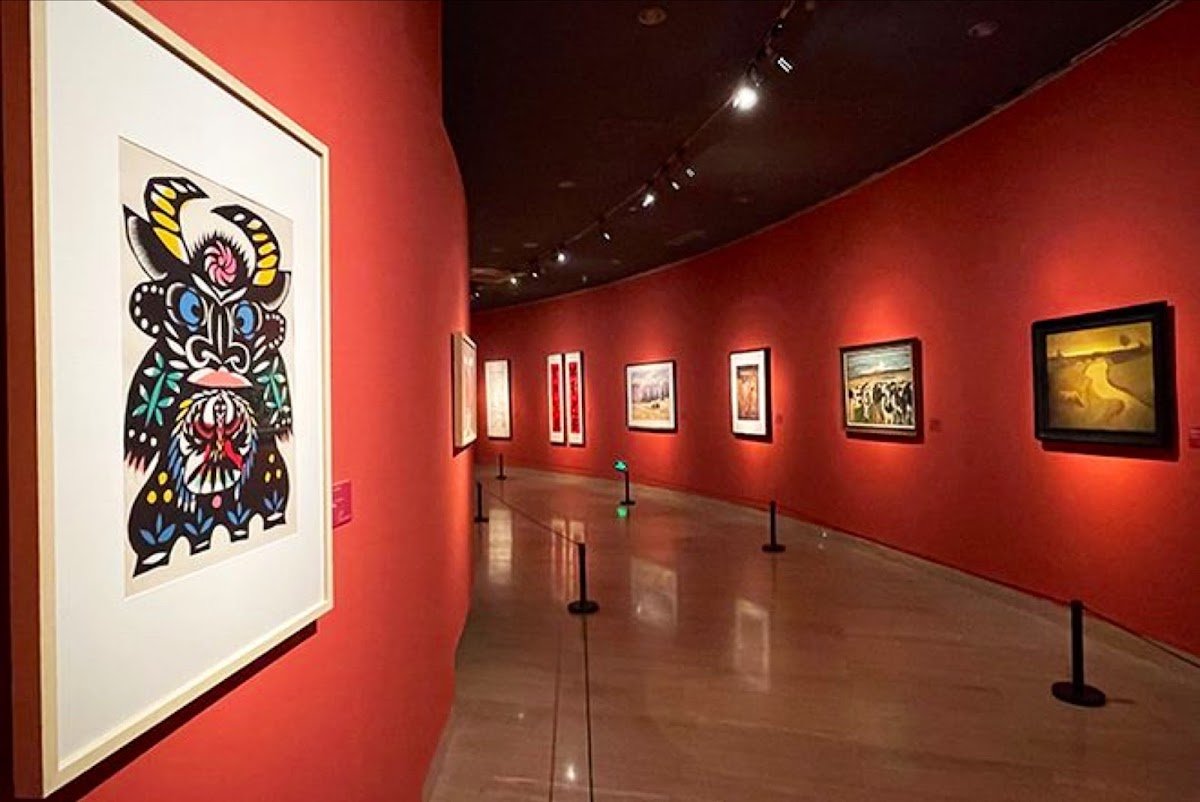
The museum's vast halls are divided into different galleries, each with its distinct character. Permanent collections celebrate the depth of Chinese painting, sculpture, porcelain, and calligraphy. Special exhibitions give voice to contemporary Chinese artists pushing boundaries. Ornate stairways and beautifully-lit atria create a sense of quiet drama. Some corners of the museum even feel like a rare sanctuary from city life outside.

  • The Masterpieces Hall: Home to iconic ink-paintings from dynastic China, tracing the evolution of brush techniques and landscape art.
  • Folk Art Gallery: Vivid displays of minority costumes, paper-cuts, and rural ceramics, highlighting regional traditions.
  • Contemporary Wing: Large canvases, installations, and bold sculptures reflecting current Chinese society and global influences.
  • Hidden courtyards: Sun-drenched patios with sculptures and quiet seating, perfect for a break or subtle people-watching.
  • Photo-worthy locations: The grand façade with its Chinese-style eaves, sweeping staircases inside, and dramatic displays near sunlit windows.
  • Cultural facts: The museum was established in 1962 and is a leader in collecting modern Chinese art. Many artists whose works hang here are household names in China.

Tips for your visit

A little foresight helps visitors get the most out of a trip to the National Art Museum of China. Lines for ticketing and security can be long, especially during exhibit openings. Most information panels include English translations, but guided tours can offer deeper insight. The on-site café serves simple local snacks and tea, though outside food is not allowed. Some areas can get chilly in winter, so dressing in layers helps. Like many major attractions, crowds are common, but hidden corners or a later visit in the afternoon can offer unexpected peace.

  • Best times to avoid crowds: Early on weekday mornings or after 3:00 pm when larger tour groups disperse.
  • What to bring: A camera (flash prohibited), comfortable walking shoes, and a small notebook for sketching or jotting notes.
  • Local etiquette or rules: Speaking quietly, shouting, and touching artwork is prohibited. Photos are allowed in most areas, but respect any posted restrictions.
  • Safety or comfort advice: The marble floors can be slippery after cleaning, so use caution. Make use of lockers for large bags, and carry a refillable water bottle as fountains are available.