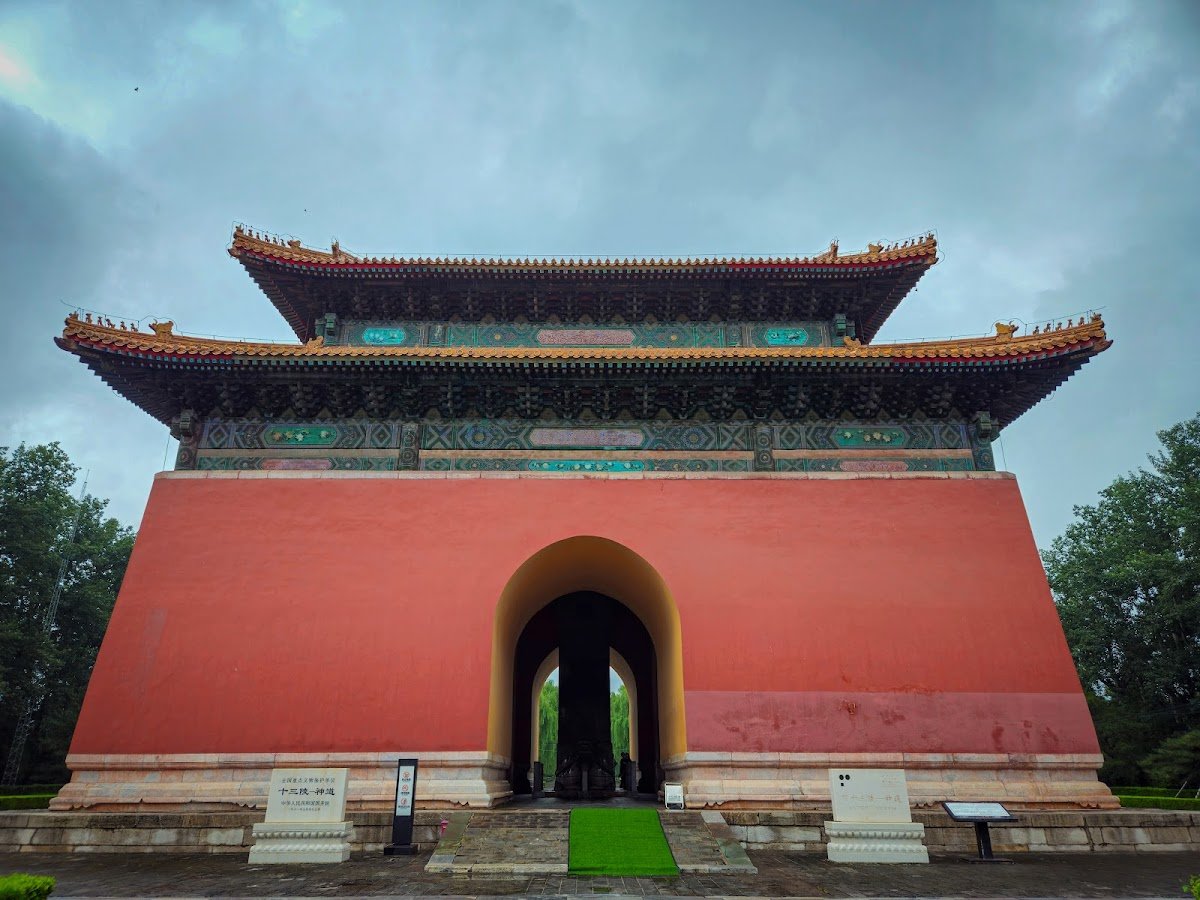
Ming Dynasty Tombs

Ming Dynasty Tombs

Beijing, China
i

Ming Dynasty Tombs

Photo by XUJIA WANG

Stretched along the peaceful slopes north of Beijing, the Ming Dynasty Tombs invite travelers into a world where centuries-old stonework meets the hush of ancient forests. More than just a royal burial ground, this landmark delivers a vivid experience of grandeur, mystery, and tradition that defined early modern China. For anyone curious about imperial history, quiet majesty, or striking mountain scenery, few destinations blend past and present quite like these venerable tombs.

Visiting Info

Currency
Entrance fee
45 CNY
Hours
Opening hours
Monday: 8:00 AM – 5:30 PM
Tuesday: 8:00 AM – 5:30 PM
Wednesday: 8:00 AM – 5:30 PM
Thursday: 8:00 AM – 5:30 PM
Friday: 8:00 AM – 5:30 PM
Saturday: 8:00 AM – 5:30 PM
Sunday: 8:00 AM – 5:30 PM

Contact Information

Location
Address
764F+3C3, Chang Chi Lu, Chang Ping Qu, China, 102200

Planning Your Visit

Strategic planning can turn a visit to the Ming Tombs from a quick stop into a meaningful day trip. Located about 50 kilometers north of downtown Beijing, the site is accessible but not on most major city tour routes. Crowds swell on weekends and school holidays, though quieter corners linger even in peak season. Tickets cover core tomb areas, but some tombs require extra entrance fees. Expect a mix of accessible paved paths and rougher side trails—comfortable shoes matter.

  • Best time to visit: Spring (April–June) and autumn (September–October) offer comfortable temperatures and fewer crowds. Early morning hours provide crisp air and thinner attendance.
  • How to get there: Take Beijing Subway Line 13 to Changping, then a local bus or taxi. Some travelers prefer organized tours for ease, but self-guided trips provide flexibility.
  • Accessibility: Main avenues and primary tombs are accessible for families, seniors, and visitors with limited mobility. Side paths may be uneven.
  • Average visit duration: Plan for at least 3–4 hours to cover the top sights and enjoy breaks.

Must See Stuff

Historic, vast, and filled with symbolism, the Ming Tombs impress from the moment visitors step onto the Sacred Way. The central highlights present both grand monuments and quiet, less-traveled spots. Beyond the stone animals and tall memorial gates, a handful of tombs open to the public reveal the lives, rituals, and ambitions of China’s Ming emperors.

  • Spirit Way: Lined with ancient stone statues of officials, animals, and mythical beasts, this avenue feels both formal and mysterious.
  • Changling Tomb: The best-preserved and largest, this site houses Emperor Yongle and offers a deep dive into imperial ceremony through exhibits and portrait galleries.
  • Dingling Tomb: Unique for its excavated underground palace, visitors descend into a reliquary chamber of cool stone and hidden treasures. Dim lighting gives the space a quiet, somber mood.
  • Quiet groves and hidden pavilions: In less-visited corners, serene pathways reward early risers or curious wanderers with a sense of solitude rare for such a famous site.
  • Photo-worthy locations: The Morning Light Gate, intricate ceiling paintings inside Dingling, and the distant hills beyond Changling’s wide plazas all invite camera-ready moments.
  • Historical fact: Thirteen emperors of the Ming Dynasty rest here, making the necropolis the largest imperial tomb area in China.

Tips for Your Visit

While the Ming Tombs draw visitors for their history and atmosphere, a few practical tips help turn a pleasant tour into a memorable one. Shade is limited, and the area covers a wide expanse, so some planning smooths out minor drawbacks like long walks and variable signage.

  • Best times to avoid crowds: Weekdays outside local or school holidays offer the quietest atmosphere. Early mornings are especially peaceful.
  • What to bring: Water bottles, sun hats, sturdy walking shoes, and a camera for the impressive stonework and vistas.
  • Etiquette: Loud voices and food are discouraged within the tomb chambers. Signs ask visitors to respect the sanctity of burial spots.
  • Safety or comfort advice: Restrooms are sometimes spaced far apart; stop when you can. Paved main routes suit wheelchairs and strollers, but steep paths may require caution.