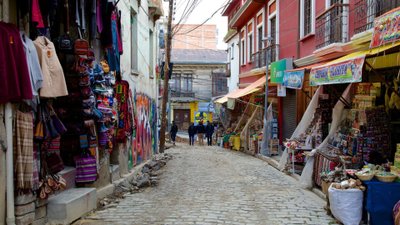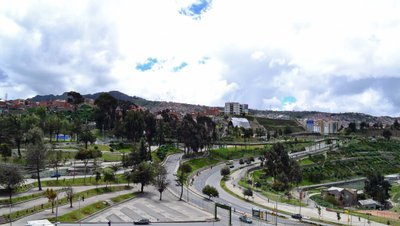
Beautiful view of La Paz
Aerial view of town by mountains against sky during sunset

La Paz

Bolivia
Iconic LandmarksHistoricalUrban HighlightsCulturalNatural Wonders
i

Beautiful view of La Paz

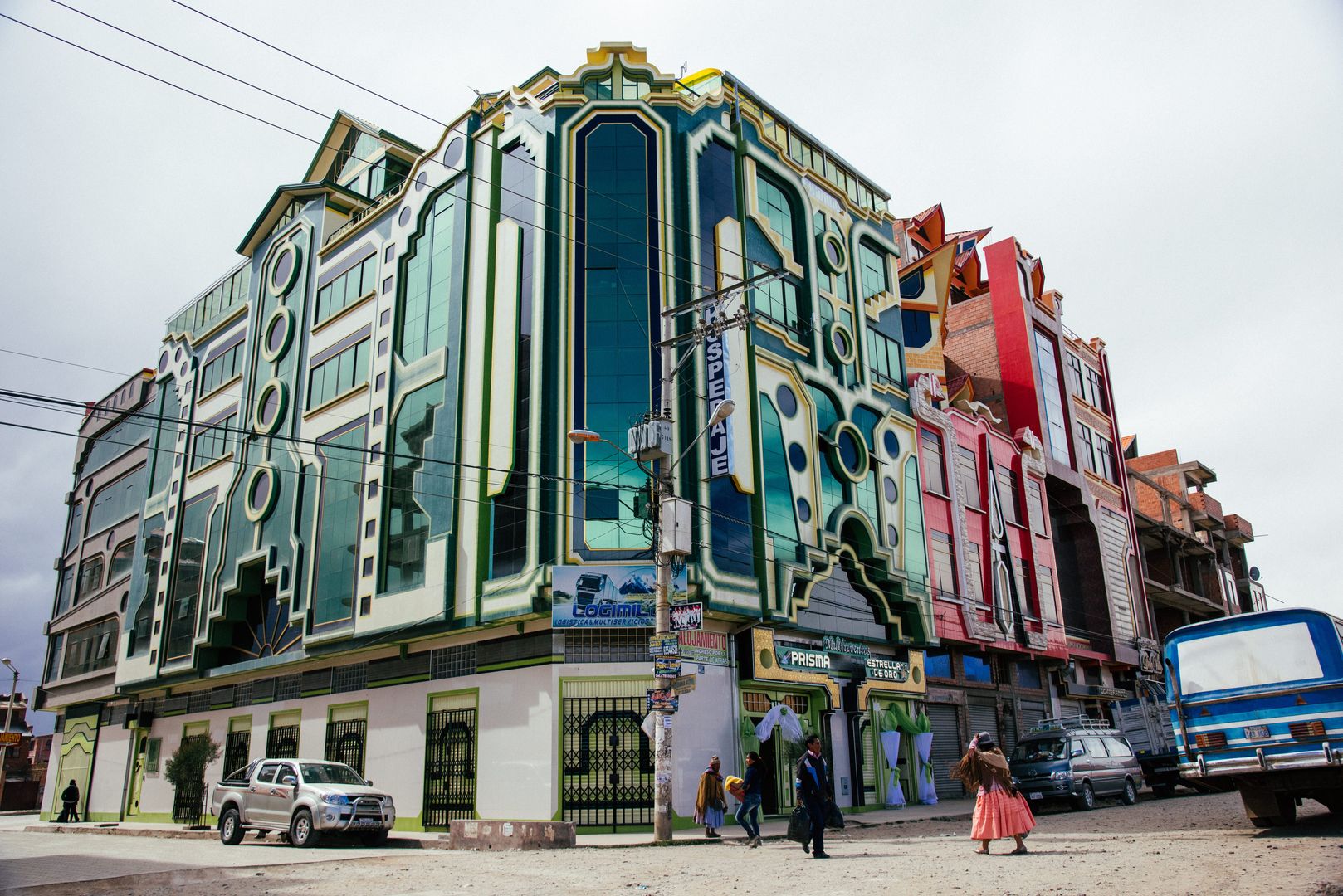
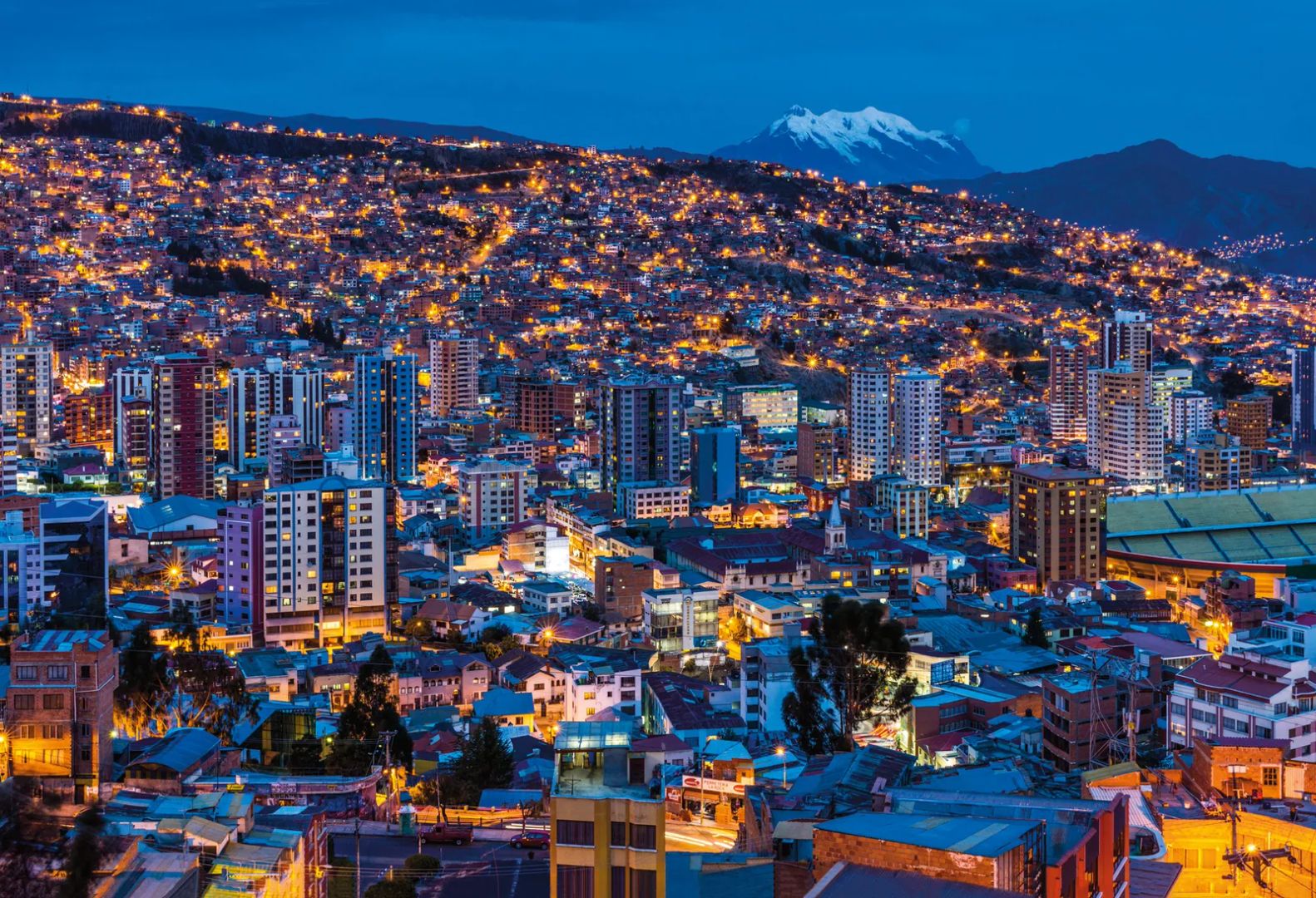
The air in La Paz hits you like a jolt—thin, crisp, almost electric. Below, the city spills down its bowl of mountains, red-brick houses clinging to slopes that seem too steep for logic. In the morning, Cholita vendors set up in El Alto, their stalls bright with woven blankets, fresh fruit, and the sweet tang of grilled corn. Down in Sopocachi, cafés hum with conversation, the smell of strong Bolivian coffee mixing with pastry warmth. Take the cable car for a view that feels cinematic—snow peaks on one side, the city’s sprawl on the other. In the markets, you’ll find everything from hand-carved talismans to llama jerky, each stall a snapshot of Andean life. Traffic’s chaotic, and the altitude might leave you breathless the first day, but there’s a raw energy here that’s utterly alive. Stay long enough, and La Paz moves from dizzying to intimate—its rhythms settling into something close to magic.

Quick Facts

currency
BOB
languages
Spanish, Aymara, Quechua
airports
El Alto International Airport
size
Large City
power
Type A, Type C
timezone
GMT-4
safety
Moderately safe
costs
Cheap

General Information

Safety indexLa Paz, Bolivia, has a medium safety index. Petty crime like pickpocketing and bag snatching can occur, especially in crowded markets, tourist areas, and on public transport. Violent crime is less common but not unheard of. Visitors are advised to stay alert, avoid poorly lit areas at night, and use registered taxis or transport apps. Political demonstrations can occur and may disrupt travel, so monitor local news and avoid large gatherings.

Best Time to TravelThe best time to visit La Paz is during the dry season, from May to October. These months offer sunny days, mild temperatures (ranging from 15°C/59°F during the day; nights are colder), and little rainfall—ideal for exploring the city and surrounding highlands.

Least crowded and still a good time to visitApril and November are considered shoulder months. During these times, you'll find fewer tourists compared to peak months, prices are generally lower, and the weather is still pleasant, though there may be occasional rain. These months strike a good balance between crowds, cost, and climate.

BudgetLa Paz is a budget-friendly destination. Daily costs for a budget traveler range from $20–$40 USD, covering meals at local markets, hostels or budget hotels, and public transport. Mid-range travelers should budget $50–$80 USD for private accommodation, restaurant meals, and some guided excursions. Top attractions like the cable car system (Mi Teleférico) are very affordable. Credit cards are accepted in larger businesses, but cash is needed for markets and smaller vendors.

Healthcare and VaccinationsHealthcare in La Paz can be basic, especially in public clinics; however, there are private hospitals with better facilities. Travel insurance with medical coverage is recommended. Due to the high altitude (over 3,600m/12,000ft), some visitors experience symptoms of altitude sickness—take time to acclimatize, hydrate well, and avoid heavy exertion your first few days. Vaccinations for Hepatitis A and Typhoid are recommended. Yellow fever vaccination is mandatory if traveling from a country with risk of transmission and for visiting the Amazon basin, though not strictly required for staying in La Paz itself.

Visa RequirementsVisa requirements vary by nationality. Citizens of many countries, including the US, Canada, Australia, most EU nations, and the UK, can enter Bolivia visa-free for up to 30 or 90 days. Some nationalities must obtain a visa in advance. All visitors need a passport valid for at least six months beyond entry, and an outward or return ticket may be requested by immigration. Check the latest requirements with the Bolivian embassy or consulate before travel.

Weather in La Paz

°C°F
2373
1660
846
133
-719
Jan
Feb
Mar
Apr
May
Jun
Jul
Aug
Sep
Oct
Nov
Dec
3020100
Avg. min. temperature
Avg. max. temperature
Avg. precipitation days

First-time travelers

La Paz greets first-timers like a double shot of good espresso—intense, bracing, a little surreal. Thin air and wild color; laughter and horns ricocheting off canyons. Life perched nearly four kilometers above sea level leaves no room for half-measures.

At first, nothing feels quite real. The city tumbles down steep slopes, market stalls spill into dizzying alleys, and murals climb every available wall. Find your feet by wandering El Prado, the city’s heartbeat, where suits and cholitas sweep side by side through the chatter of shoe-shiners. Snack on salteñas—sweet, steamy, gone in two bites—sold by grinning vendors at Plaza Murillo.

Altitude and Awe

Breathe slow. That’s not just advice, it’s necessity. The thin, bright air makes legs heavy and lungs burn. Pace yourself—sip coca tea in Café del Mundo, where stories mingle in Spanish, Aymara, German. Listen to the rattle of cable cars overhead, or better yet, board the Teleférico. Glide above rooftops painted blue, green, brown; kids play fútbol high on tar-black rooftops.

It’s easy to get lost, hard to stay lost for long. Calle Jaén’s cobbled lane feels frozen in time, lined with colonial houses, tiny museums, and the faint echo of revolution. Pause and watch afternoon light soften on the brick-red spires of San Francisco Church.

What to Remember

  • Spend time acclimating—walk, don’t rush
  • Order api and pastel from a street stall for breakfast
  • Take small bills; vendors rarely have change
  • Greet with a smile and a simple ‘buen día’

La Paz is not a city of quick wins. For every surreal view, there’s a moment of real kindness or surprise. Return the city’s honest energy and you’ll find its pulse beneath the surface—messy, joyful, unforgettable.
Return travelers

Returning to La Paz feels like slipping into an old, beloved sweater. The first raw shock of the altitude fades. Instead—details sharpen, the city’s layers come alive. Much remains hidden from the casual visitor.

Those familiar climbs up Sagárnaga or dives into Witches’ Market give way to quieter rituals. Mornings begin at Café Typica, where locals linger, dipping marraquetas into cinnamon coffee. Downtown hum recedes in favor of the sharp, herbal scent of open-air markets off Avenida Buenos Aires, where fruit sellers laugh between pyramids of fresh tuna fruit and cherimoya.

Beyond the Obvious

Suddenly, the Teleférico isn’t just for views. It’s a shortcut to Sopocachi’s leafy alleys—home to young artists and Bolivian jazz echoing from dim studios. On Thursdays, bookworms find warmth at Librería Gisbert, hunting for weird stories and hand-lettered poetry.

After sunset, the streets change. In San Pedro, join neighbors at holes-in-the-wall for ají de fideos—spicy, filled with smoky charque. The echo of laughter and small fireworks mark tiny celebrations, mostly invisible to those rushing past.

Fresh Discoveries

  • Try helado de canela on Avenida Busch’s corners
  • Browse vinyl at Discolandia in Sopocachi
  • Attend a peña for live folk music and dancing
  • Visit the Museum of Musical Instruments on Calle Jaén

La Paz, the second time, is for joining the flow. Slow down. Linger on odd corners, follow the scent of fresh bread at dawn, and look up—there’s always something new overhead. Real life pulses between the lines here. Let it pull you along.

Must-see locations

Plaza Mayor de San Francisco

Plaza Mayor de San Francisco

Plaza Mayor de San Francisco in La Paz bursts with energy—street performers light up the square, vendors sell colorful textiles, and the grand San Francisco Church shows off rich baroque details. Locals gather; history lives here.

Learn More
Plaza Murillo

Plaza Murillo

Historic Plaza Murillo buzzes with city life—pigeons flutter, locals gather, street vendors tempt with snacks. Stroll past Bolivia’s presidential palace, admire colonial cathedrals, and feel La Paz’s vibrant pulse.

Learn More
The Witches Market

The Witches Market

In the heart of La Paz, The Witches Market mixes Andean healing, dried llamas, and shaman stalls filled with potions. Street vendors chant blessings; clustered old houses stand packed with mysterious figurines and folk remedies.

Learn More
Parque Urbano Central

Parque Urbano Central

Parque Urbano Central blends city energy and green space in downtown La Paz—jogging paths, open lawns, and skate parks bustle with families. Local events, colorful murals, and mountain views set this urban oasis apart.

Learn More
Plaza General José de San Martín

Plaza General José de San Martín

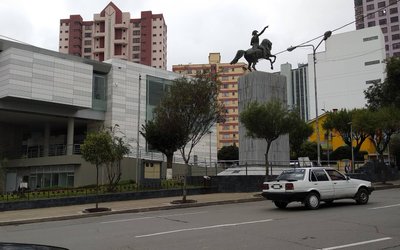
In Plaza General José de San Martín, peaceful gardens give way to lively street vendors and shaded benches, where locals and travelers share snacks. Murals tell La Paz’s history. Kids chase pigeons. Perfect for rest after exploring Sopocachi.

Learn More

How to get there

By air

La Paz is served by El Alto International Airport (LPB), which is located about 13 km (8 miles) southwest of the city center and is the main gateway for international and domestic flights. The airport receives direct flights from various South American cities and some domestic destinations within Bolivia.
Options to get to town:
Taxi
Price:
70-100 BOB
Duration:
30-50 minutes
Where to buy:
Official taxi rank outside arrival terminal, cash payment
Airport bus
Price:
3-10 BOB
Duration:
45-60 minutes
Where to buy:
At airport exit, pay on board
Train/shuttle
Price:
Not available
Duration:
Where to buy:

By train

There is no direct train service to La Paz. The closest train services operate in other parts of Bolivia, but none reach La Paz; the high mountainous terrain has prevented railway construction to the capital.
Useful websites for train tickets:

By car

La Paz is accessible by road from other Bolivian cities and neighboring countries. Major highways connect to La Paz via Oruro, Cochabamba, and Desaguadero (Peru border). The mountain roads can be challenging, especially during rainy season.
Additional charges to be aware of:
Toll / vignette / emission sticker
Cost:
5-30 BOB per segment depending on route
How to pay:
Pay at toll booths along the highways
Other driving costs
Cost:
Gasoline approx. 4.5 BOB per liter; possible international insurance if crossing borders
How to pay:
Gas stations, border crossings for insurance

How to get around

Public transport

Public transport in La Paz, Mexico consists mainly of city buses (camionetas or micros) that connect most neighborhoods and central areas. Buses are frequent, affordable, and a popular way for locals to move around. However, schedules are often informal and routes may not always be clearly marked, so asking residents can be helpful.

Ticket options:
Ticket TypePriceWhere to buy
Single ticketMX$12-15Pay directly to the driver in cash.
Day passNot commonly availableN/A

Taxis & ridesharing

Taxis are widely available throughout La Paz and can be hailed on the street or found at taxi stands. They are generally safe, and fares are rarely metered, so it's advised to agree on the price before departure. Ridesharing services like Uber and DiDi are also available, often providing transparent pricing and cashless payment options.

Service providers:
ProviderPriceHow to book
Local taxiVary by distance, typically MX$60-150 for most city tripsHail on the street, taxi stands, or request by phone.
Ridesharing appVaries; often competitive with taxisApps such as Uber and DiDi

Car rental

Car rentals are a convenient option for exploring La Paz and the surrounding Baja California peninsula at your own pace. Several international and local rental agencies operate in town and at the airport. Roads in and around La Paz are generally in good condition, though some popular beaches may require a vehicle with higher clearance.

Rental options:
ServicePriceHow to book
Daily rentalFrom MX$600 per day (varies by vehicle and agency)Airport counters or rental agency offices in town
Weekly rentalFrom MX$3,500 per weekAirport counters or rental agency offices in town

Bike & scooter rental

Bikes and scooters are a great way to explore the scenic malecon (waterfront promenade) and nearby beaches. Several local shops and tour operators offer rentals by the hour or day. La Paz is relatively flat, making biking enjoyable, though caution is advised on main roads.

Rental options:
ServicePriceHow to book
Bike rentalFrom MX$150 per dayLocal bike shops or along the malecon
Scooter rentalFrom MX$350 per dayRental agencies in central La Paz

Ferry / Boat

Ferry services operate between La Paz and the mainland Mexican ports of Mazatlán and Topolobampo, making it possible to travel with or without a vehicle. Ferries typically depart from the Pichilingue terminal, about 18km from downtown La Paz. On the water, you can also find water taxis or boat tours for excursions to nearby islands.

Useful websites for ferry tickets:

What to eat

The first mouthful of anticucho radiates charcoal smoke and sharp spice, instantly grounding you in La Paz’s swirl of altitude, color, and chaos. From the narrow alleys of Mercado Lanza to sweeping plazas thrumming with midday chatter, every sense dances. Chili heat, meat sizzling, plump corn—everywhere, food grabs you by the nose and gut, not politely, but insistently. Eating here means sharp mountain sunlight, tangled traditions, and the happiness of greasy fingers in the clear air. Taste guides your wanderings in this dizzy city, where the food is as layered and surprising as La Paz itself.

Signature Dishes

  • Salteñas: Plump, golden pastry pockets filled with juicy spiced beef, chicken, or vegetables. Sweet and sticky dough, rich in local seasoning—breakfast bliss for many paceños.
  • Anticucho: Skewered beef heart, flame-grilled in open-air stalls. Smoky, tender bites with a peppery marinade and potato side, a night-market staple.
  • Pique Macho: Hearty mounds of beef, sausage, potato fries, draped in onions, peppers, boiled egg, and bolts of spicy sauce. Fuel for tall tales and wild nights out.
  • Sopa de Maní: Deep bowls of peanut soup loaded with potatoes, vegetables, and sometimes beef. Creamy comfort laced with crisp French fries on top—a classic paceño lunch.

Street Food & Markets

La Paz lives on its bustling street corners and humming markets. Mercado Rodríguez thrums with locals lining up for massive sandwiches de chola—pile-ons of slow-roasted pork and tangy pickles. Grab a tucumana (crispy, cheese-stuffed empanada) from a tiny roadside cart, or jostle for space at Mercado Lanza’s food hall as steam rises from dozens of bubbling stew pots. Eating with the crowd means cheap, fast, and full of punchy flavors, but watch for uneven pricing at tourist-heavy stalls. Dive in, swap coins for flavor, but keep your eyes sharp for the best stalls—the busiest ones rarely disappoint.

Sweet Treats & Drinks

Low-slung bakeries spill out pastries like cuñapé—chewy, cheesy morsels, best still warm. For dessert, crunchy fritters called buñuelos drip with honey and pair perfectly with a steaming to-go cup of api morado, a thick, spiced purple corn drink. But few treats beat helado de canela, cinnamon ice cream, as a cool-down after hunting hot snacks in the sun.

Why Travelers Eat Here

  • Bold Andean flavors: centuries-old dishes, big on spice, and comforting on cold nights.
  • Cheap, satisfying street eats—essential for backpackers and food-curious travelers alike.
  • One-of-a-kind local markets pairing fresh produce with wild local traditions.
  • Genuine hospitality: market vendors share not just food, but local customs and stories.

This city’s food isn’t just fuel. It’s a fast-track to La Paz’s soul—warm, layered, and unforgettable through every bite.

Top Rated Restaurants

Bolivian Popular Food

Bolivian Popular Food

4.6 (1.5k reviews)
LocationMurillo 826, La Paz, Bolivia
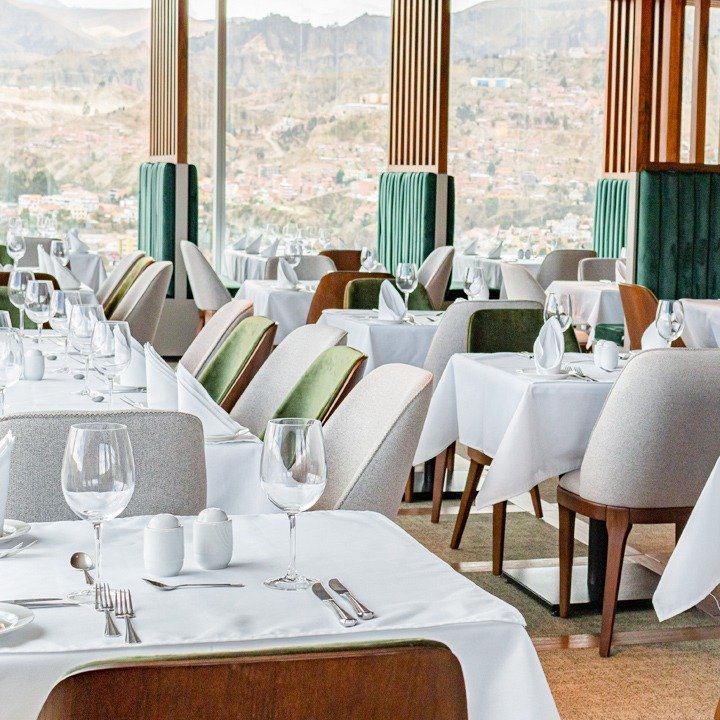
La Suisse Restaurant

La Suisse Restaurant

4.6 (1.2k reviews)
$$$$
LocationGreen Tower, Gral. Inofuentes piso 38, La Paz, Bolivia
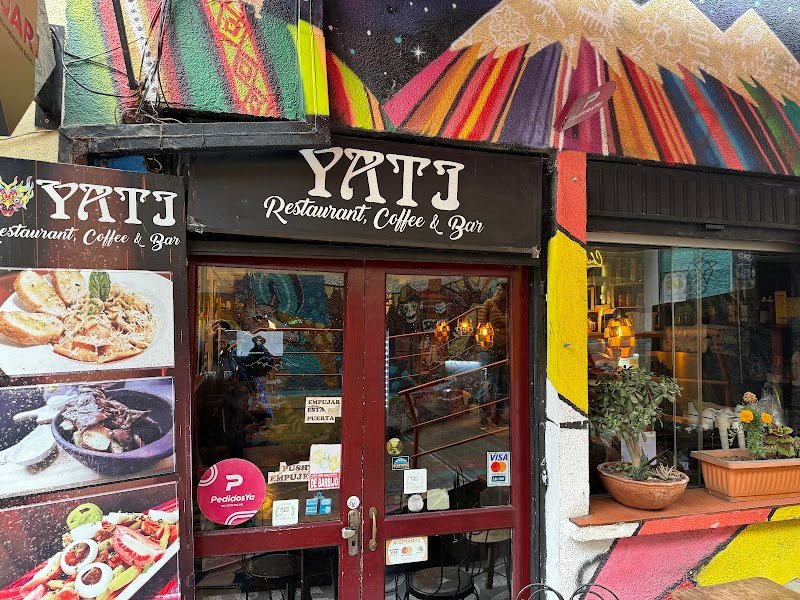
YATI Restaurant café bar

YATI Restaurant café bar

4.6 (670 reviews)
Location+591, La Paz, Bolivia
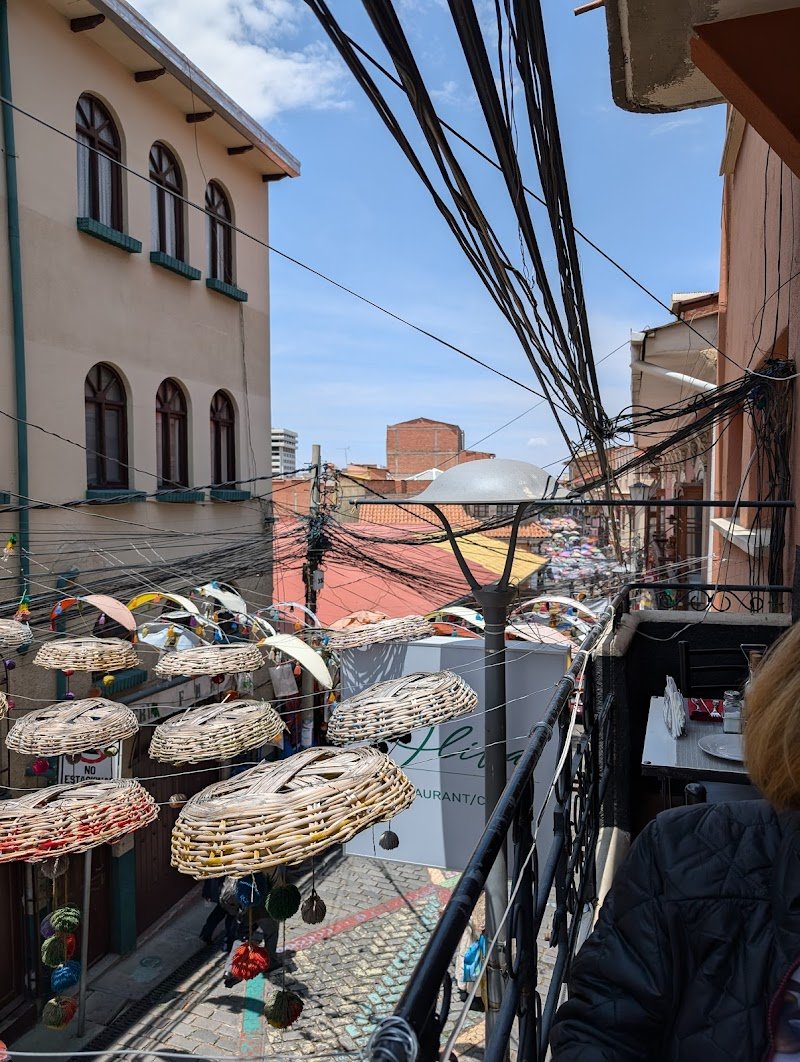
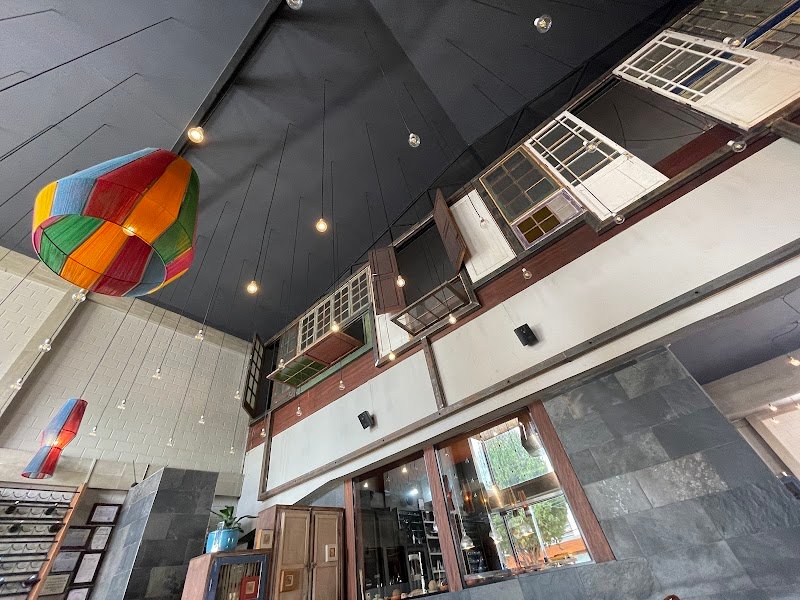
Oliva Restaurant - Cocina Abierta

Oliva Restaurant - Cocina Abierta

4.6 (758 reviews)
LocationLinares, La Paz, Bolivia
Gustu

Gustu

4.5 (1.8k reviews)
$$$
LocationCalle 10 de Calacoto, casi, La Paz, Bolivia

Accommodations

La Paz can surprise you. One minute, you’re gazing at icy peaks far above; the next, you’re in a cramped alley pulsing with music. Where you stay in this sprawling, high-altitude city shapes your experience. The right neighborhood speaks to you each morning—coaxing you out or whispering for one more coffee in bed. Your base here matters, maybe more than in other places I’ve traveled. It is not just about price or comfort. It’s about how you want to meet Bolivia’s capital.

Neighborhood Overview

  • Sopocachi: Lively, a bit bohemian—this is my pick for urban explorers. Indie coffee shops, art spaces, and boutique stays draw a diverse crowd. Walkable, safe, and less steep than El Alto. Singles, couples, digital nomads will find a good vibe here. Nightlife dots the blocks but rarely keeps you up.
  • Centro Histórico: Grand plazas, busy streets, and markets spill across the city center. Historic hotels look down on cable car lines. Museums are steps away; the Witches’ Market begs browsing. This is for culture buffs or newcomers who want a central hub. Expect lots of noise and traffic. Some areas feel worn, but you’re always near the action.
  • San Miguel (Zona Sur): La Paz’s leafier, modern pocket—lower altitude, milder nights. Upscale restaurants, family-friendly parks, and chain hotels line tree-shaded streets. Expats and families come for comfort and safety. But it feels less "authentic." Good for those who want quieter nights and can handle a longer commute uptown.
  • El Alto: Perched above La Paz, El Alto buzzes with Aymara culture. Local guesthouses are simple but offer true immersion—less luxury, more local life. Adventurous travelers with some Spanish fare best here. Views? Unmatched. But the altitude hits hard, and amenities run basic.

Types of Accommodation

  • Traditional Hotels: Well-known favorites like Hotel Europa (Centro) or Casa Grande (Zona Sur) start around $80–$150 a night. Reliable, with good amenities.
  • Boutique Guesthouses: Intimate options—think Atix (luxury, Zona Sur) or The Adventure Brew Hostel (budget, Centro)—offer private rooms from $20 to $120. Decor often highlights local art.
  • Short-term Apartments: Rentals through Airbnb or Booking fit families or longer stays. Modern two-bedrooms in Sopocachi start at $40 per night. Hosts may require cash for longer bookings.

Insider Tips for Booking

Book early for June–August or local festivals—these fill up fast. Ask if prices include taxes (13% VAT is not always included). Expect higher rates in Zona Sur; bargains often pop up in off-season months, especially April and October.

At dusk, La Paz glows gold—hillside homes twinkle above the city. No matter where you land, some trade-off comes with beauty or bustle. Walk out your door, take that first breath, and let the city greet you on its terms.