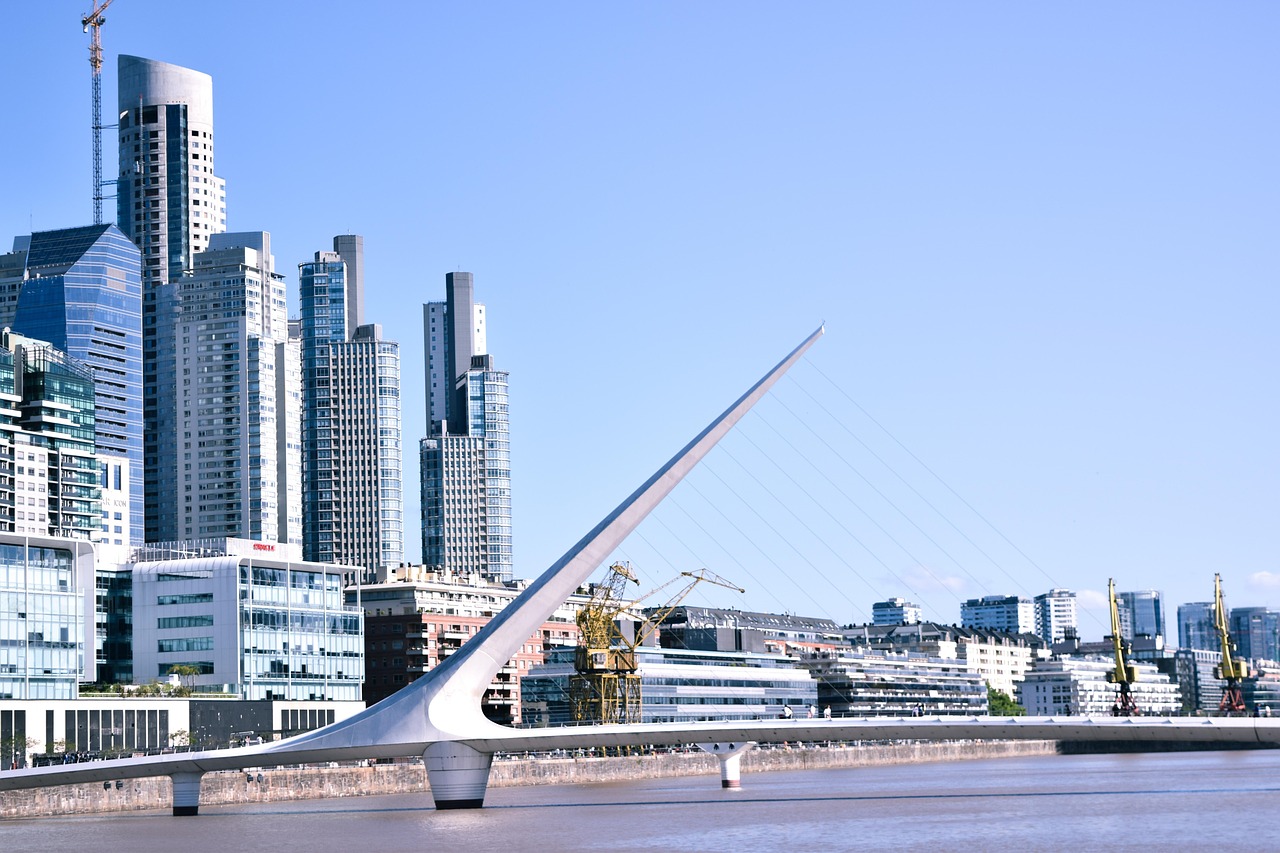
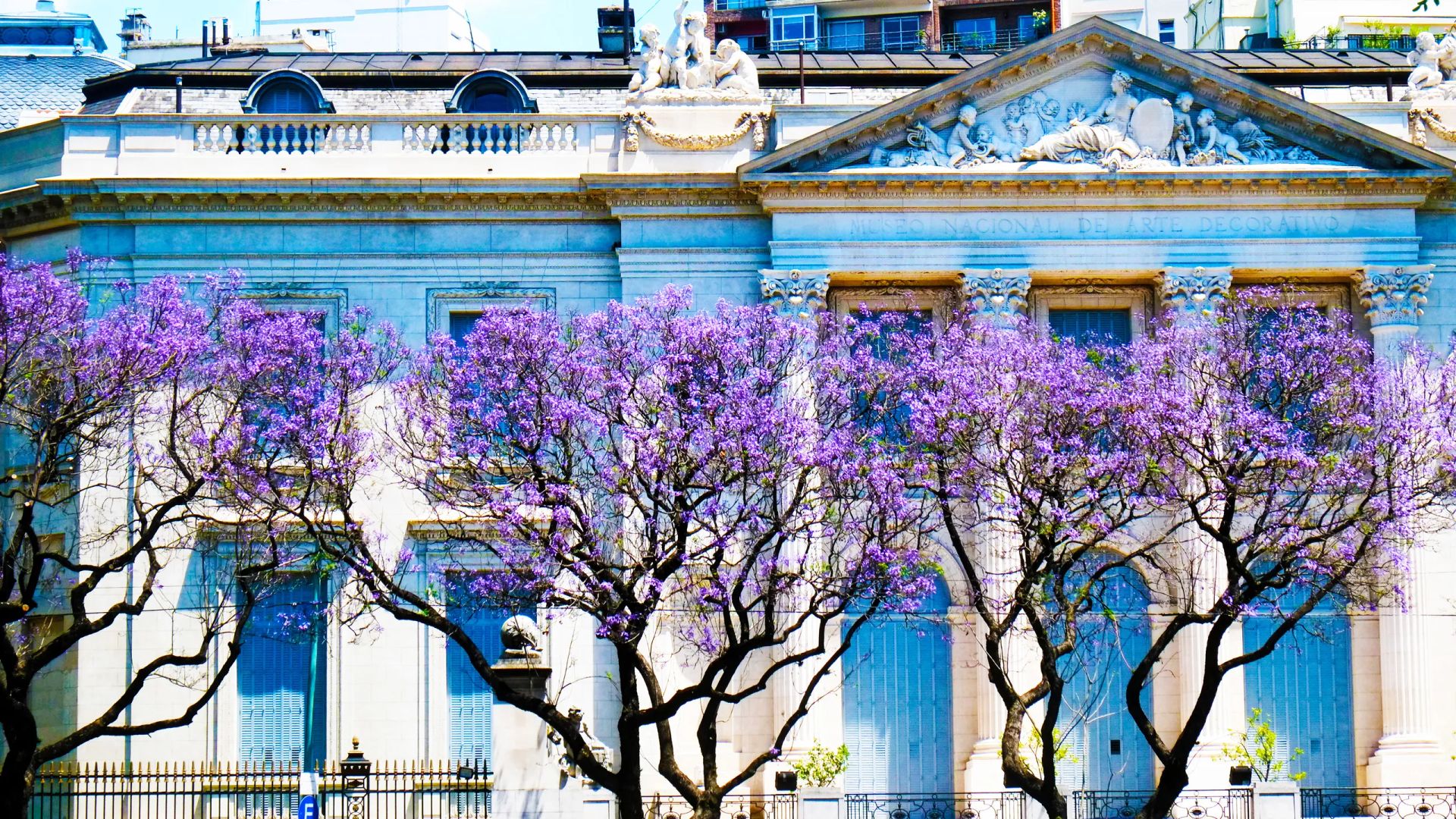
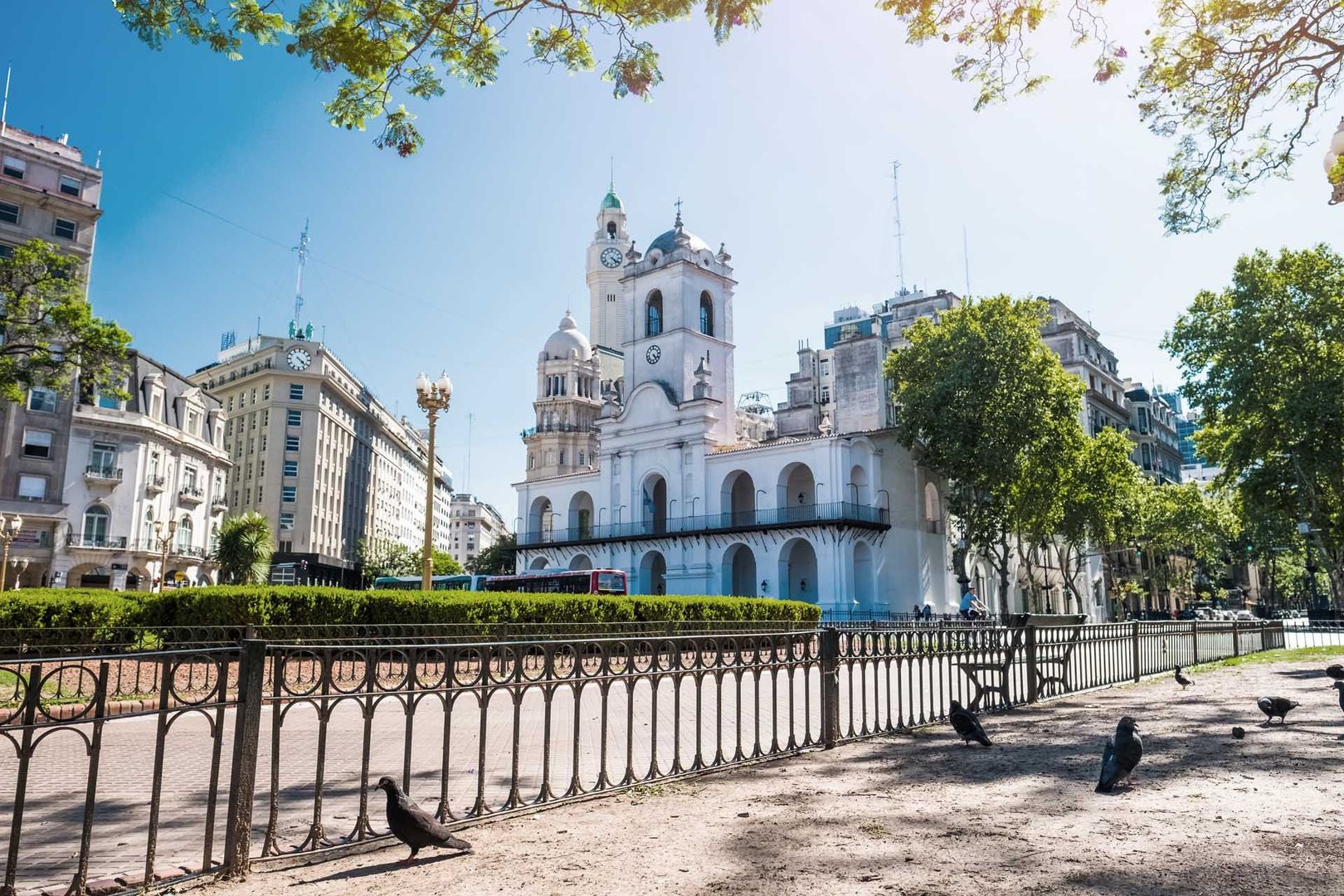
city, bridge, buenos aires, argentina, architecture, buenos aires, buenos aires, buenos aires, buenos aires, buenos aires
Beautiful view of Buenos Aires
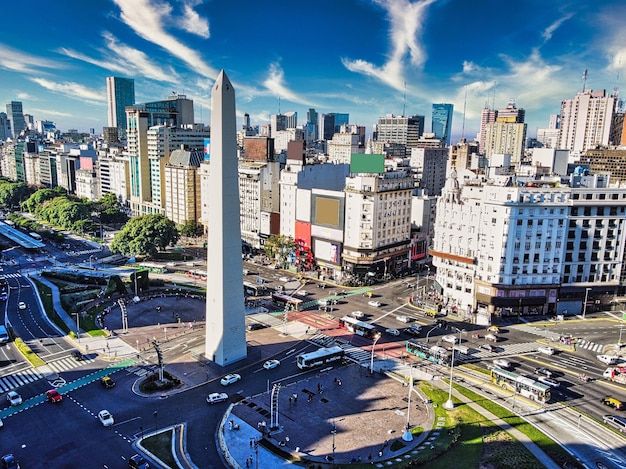
City of Buenos Aires and view of the Obelisk

Buenos Aires

Argentina
Urban HighlightsEntertainment & LeisureCulturalIconic LandmarksArt & Architecture
i

city, bridge, buenos aires, argentina, architecture, buenos aires, buenos aires, buenos aires, buenos aires, buenos aires

Photo by LeoEspina

Buenos Aires hits you first with its sound: the tango’s mournful pull spilling from San Telmo doorways, the chatter of cafés where time stretches with the afternoon light. Walk the avenues of Recoleta, feeling the weight of history in marble tombs, then lose yourself in Palermo’s painted alleys, all color and craft beer. Steak arrives sizzling, the kind that needs no knife, paired with Malbec poured generous and dark. Sundays in La Boca bring street dancers and bright, slanting light on corrugated iron. The subway rattles beneath faded mansions, linking markets where spices mix with the smell of grilling chorizo. Buenos Aires carries a soft, stubborn melancholy, but its heartbeat is quick, inviting you to linger past midnight, talking, laughing, part of the city at last.

Quick Facts

currency
ARS
languages
Spanish
airports
Ministro Pistarini International Airport
size
Mega City
power
Type C, Type I
timezone
America/Argentina/Buenos_Aires (GMT-3)
safety
Moderately safe
costs
Moderate

General Information

Safety indexBuenos Aires is generally considered a medium safety destination for tourists. Petty crime such as pickpocketing and bag snatching can occur, especially in crowded areas and public transport. Violent crime is less common but can happen, particularly at night or in less touristy neighborhoods. Remain vigilant, avoid flashing valuables, and stick to well-populated areas. The Safety Index is around 45-55 (on a scale where 100 is the safest), indicating the need for standard precautions.

Best Time to TravelThe best time to visit Buenos Aires is during the spring (September to November) and fall (March to May). These seasons offer mild temperatures, blossoming parks, and vibrant cultural activities. Rainfall is moderate, making outdoor exploration pleasant.

Least crowded and still a good time to visitIf you prefer fewer crowds but still pleasant weather, consider visiting in late February or late November to early December. These shoulder periods see fewer tourists, lower accommodation prices, and enjoyable temperatures, making it a good compromise between crowds and comfort.

BudgetBuenos Aires is a relatively affordable destination compared to many Western cities. A mid-range traveler can expect to spend $50-100 USD per day on accommodation, food, and local transportation. Street food and local restaurants offer inexpensive meals. Budget travelers can manage with $30-50 USD per day. High-end options are available if desired.

Healthcare and VaccinationsBuenos Aires has good-quality private hospitals and clinics, with modern healthcare and many English-speaking doctors. Public hospitals provide free care, but wait times may be longer and standards can vary. No specific vaccinations are required for entry if coming from the US, Canada, or Europe, but routine vaccinations (MMR, DTP, flu) should be up-to-date. The CDC recommends vaccinations for hepatitis A, and possibly typhoid, especially if you plan to eat street food or visit more rural areas.

Visa RequirementsCitizens of the US, Canada, EU, UK, Australia, and many other countries do not need a visa for tourist visits of up to 90 days. A valid passport with at least six months’ validity is required. Always check with your local Argentine consulate for the latest requirements, as policies may change.

Weather in Buenos Aires

°C°F
3595
2780
1965
1050
236
Jan
Feb
Mar
Apr
May
Jun
Jul
Aug
Sep
Oct
Nov
Dec
3020100
Avg. min. temperature
Avg. max. temperature
Avg. precipitation days

First-time travelers

Buenos Aires hits the senses like a tango in full swing. Every corner has a hum—a living city that straddles European elegance and Latin pulse. First arrivals roll past grand avenues and Art Nouveau façades, soaking in a metropolis both gritty and romantic. The nostalgia of café culture, the shout of street vendors, the swirl of dust in summer sun.

From Plaza to Parilla

Plaza de Mayo spreads its palms in welcome, a hub of politics and pigeons. Porteños—locals—crowd Café Tortoni, thumbing newspapers and sipping café con leche. The rich aroma mingles with the whiff of fresh medialunas, crossing briefly with leather jackets and laughter. Stick to the shade of centuries-old trees in San Telmo, where antique stalls wind by crumbling colonial homes. Murals run riot, painted by proud hands on every block.

Every Meal, a Ritual

Sit down for your first Argentine steak at Don Julio and prepare for patience. Steak comes asado-style—charred, flavorful, never rushed. Savor every bite. Wander Palermo’s cobbled lanes, eyeing boutiques that burst with local design. End evenings with helado, gelato’s richer cousin, scooped at Freddo as voices buzz around you.

  • Order bondiola at a neighborhood parrilla in Palermo Viejo.
  • Buy souvenirs at the San Telmo Sunday fair.
  • Sip mate in the shade of Parque Lezama.
  • Learn a few Spanish phrases—small talk earns big smiles.

Buenos Aires can overwhelm on first glance. Let yourself linger. The rhythm softens after midnight. And the city—she’ll leave her mark on your memory, smoky and golden as a sunset over the Río de la Plata.
Return travelers

Coming back to Buenos Aires, the city feels at once familiar and wild. You skip the obvious, drawn instead to the pulse beneath the surface. Subtle layers reveal themselves—the worn beauty of Once, the quiet buzz of Chacarita, the real stories hidden behind colorful shutters. Each return brings more confidence, and more surprises.

Off the Beaten Path

Seek new flavors in Villa Crespo’s Syrian bakeries, far from steak and malbec clichés. Warm knafeh from El Ghouzal, wrapped in honey, rivals the best dulce de leche. Linger in Parque Centenario’s flea market—locally known as "El Centenario"—where history peeks from used vinyl, piles of mate gourds, and ink-stained postcards. Here, Buenos Aires feels like an old friend sharing its secrets.

Cultural Footnotes

Exchange rushed tango shows for underground milongas at La Catedral. Dancers spill across the creaky floor, music loud and slightly off tempo. Attend a show at Teatro Xirgu, tucked away in San Telmo—intimate, inventive, and miles from tourist crowds. End nights late at Bar Los Galgos, sipping fernet and soda while poets argue over the paperback pulp next to you.

  • Bite into empanadas salteñas from La Cocina at Avenida Pueyrredón.
  • Browse Espacio de Arte Nautilus for emerging Argentine artists.
  • Pick up tango vinyl from Exiles Record Shop, tucked near Congreso.
  • Ride the historic Subte A in early morning, alone with faded wooden seats.

Each homecoming peels back another layer. The city rewards your curiosity—and your respect for its quirks. For return travelers, old Buenos Aires always holds something new, wild, and true.

Must-see locations

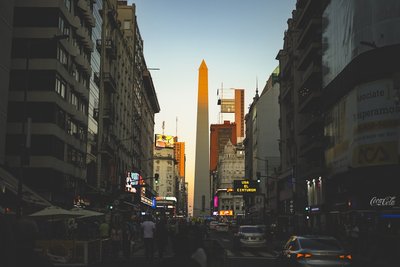
a tall obelisk towering over a city filled with tall buildings
i

a tall obelisk towering over a city filled with tall buildings

Photo by Santiago Alonso

Obelisco

Soaring above Avenida 9 de Julio, the Obelisco shines as Buenos Aires’ landmark. Snap photos, watch tango dancers, or relax under the city lights. Plaza de la República’s energy never fades. A pulse at Argentina’s heart.

Learn More
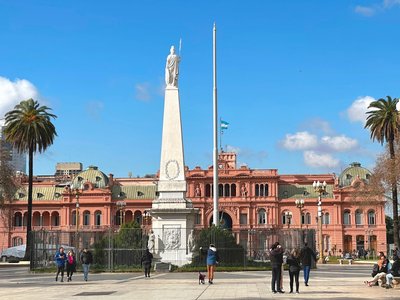
a group of people standing in front of a building
i

a group of people standing in front of a building

Photo by Gustavo Papasergio

Plaza de Mayo

Bustling with energy, Plaza de Mayo anchors Buenos Aires’ political life, framed by grand architecture like Casa Rosada. Join lively protests, stroll shaded paths, or watch street performers enliven this iconic square.

Learn More
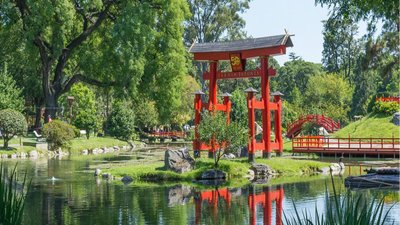
Jardín Japonés

Jardín Japonés

Peaceful paths circle koi ponds and sculpted pines in Jardín Japonés, Buenos Aires. Tea houses serve matcha. Red bridges frame photo spots. Traditional festivals and origami workshops bring Japanese culture alive for families and friends

Learn More
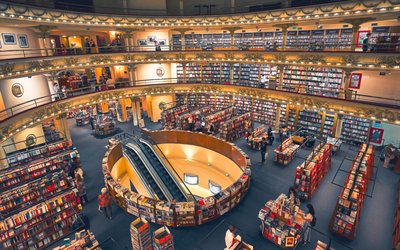
El Ateneo Grand Splendid

El Ateneo Grand Splendid

A former theater transformed into a stunning bookstore, El Ateneo Grand Splendid pairs ornate balconies and a painted dome with shelves of books. Browse, read in plush armchairs, and soak up Buenos Aires’ lively local culture.

Learn More
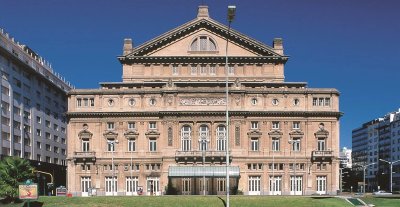
Teatro Colón

Teatro Colón

Opulent halls, soaring domes, and world-class acoustics make Teatro Colón in Buenos Aires a magnet for opera, ballet, and symphony lovers; guided tours reveal marble staircases, gilded balconies, and secrets from legendary artists.

Learn More

How to get there

By air

Buenos Aires is served by two main airports: Ministro Pistarini International Airport (Ezeiza, EZE) for international flights, and Aeroparque Jorge Newbery (AEP) for domestic and regional flights. Direct flights connect Buenos Aires with many cities across the Americas and Europe.
Options to get to town:
Taxi
Price:
ARS 8000–12000 (USD 8–12, approx, from Ezeiza to downtown)
Duration:
45–60 minutes from Ezeiza, 20–30 minutes from Aeroparque
Where to buy:
Official taxi ranks at airport arrivals
Airport bus
Price:
ARS 4000–6000 (USD 4–6, approx, from Ezeiza to downtown) via shuttle services
Duration:
50–70 minutes from Ezeiza
Where to buy:
Tickets at airport kiosks or online
Train/shuttle
Price:
ARS 67–600 (USD 0.07–0.60, local train from Aeroparque via Belgrano Norte Line + SUBE card required)
Duration:
30–50 minutes from Aeroparque (train + transfer)
Where to buy:
SUBE card retailers and train stations

By train

Buenos Aires is a hub for Argentina's intercity and suburban rail network. Long-distance train services connect the city with destinations including Rosario, Córdoba, Bahía Blanca, Mar del Plata, and more. Train travel is generally affordable, but journeys can be long.
Useful websites for train tickets:

By car

Buenos Aires is accessible by car via a network of national highways (rutas nacionales). Major roads include the Panamericana (RN 9) from the north and west, and RN 3 from the south. Traffic can be heavy near the city. Consider parking restrictions and costs in the downtown area.
Additional charges to be aware of:
Toll / vignette / emission sticker
Cost:
Most highways into Buenos Aires charge tolls (ARS 300–1500 per station, depending on route; prices subject to change)
How to pay:
At toll booths
Other driving costs
Cost:
Fuel (approx ARS 1000–1200 per liter, subject to change); parking in city ARS 300–1500 per hour
How to pay:
Fuel stations and commercial parking lots

By ferry

Ferries connect Buenos Aires with Uruguay (notably Montevideo and Colonia del Sacramento) across the Río de la Plata. This is a convenient option for travelers coming from Uruguay or combining both countries.
Useful websites for ferry tickets:

How to get around

Public transport

Public transport in Buenos Aires is extensive and efficient. The Subte (subway), city buses (colectivos), and suburban trains connect most neighborhoods. The SUBE card is used for travel on all systems and must be topped up with credit before use.

Ticket options:
Ticket TypePriceWhere to buy
Single ticketARS 77 (one-way, 2024)Kiosks, subte stations, authorized convenience stores (with the blue SUBE logo)
Day passNot available; fares pay-as-you-go with SUBE card.N/A

Taxis & ridesharing

Taxis are plentiful, metered, and can be hailed on the street or called by phone; official taxis are black and yellow. Ridesharing apps are also available throughout the city.

Service providers:
ProviderPriceHow to book
Local taxiARS 500+ base fare plus ARS 50/km (approx, 2024)Hail on street, call radio taxi, or use taxi apps such as BA Taxi
Ridesharing appFrom ARS 700 for a short central journey (varies by distance/time)Apps like Uber, Cabify, or DiDi

Car rental

Car rental is available at the airport and in the city, but driving in Buenos Aires can be challenging due to traffic and parking restrictions. It's best for trips outside the city.

Rental options:
ServicePriceHow to book
Daily rentalFrom ARS 13,000–18,000 per day (compact car, 2024)Major international rental counters at Ezeiza or Aeroparque airports, or downtown agencies
Weekly rentalFrom ARS 75,000+ per weekCar rental agencies such as Hertz, Localiza, Alamo

Bike & scooter rental

Bike lanes crisscross Buenos Aires and city bikes can be rented for quick, eco-friendly transport. E-scooters are also available in some neighborhoods.

Rental options:
ServicePriceHow to book
Bike rentalFree with public EcoBici for up to 30–60 min per ride (registration required); private rental shops from ARS 2,000/dayEcoBici stations (via EcoBici app) or private bike shops
Scooter rentalFrom ARS 60/minute or ARS 500 per rideShared scooter apps operating in central areas

What to eat

Midnight spills from the Buenos Aires sky, yet Avenida Corrientes glows bright. You follow the scent—meat sizzling over wood flames—drawn by hunger and promise. Cafés hum with laughter, cracks of dulce de leche, and clinked glasses of Malbec. In Buenos Aires, food is the city’s heartbeat. From bold flavors on street corners to pastries at dawn, every meal is a celebration of identity and zest. You arrive hungry, you leave converted.

Signature Dishes

  • Asado: Grilled beef, slow-cooked over wood embers. Smoky, juicy, with crisp edges—shared around a family table, or in a noisy parrilla like La Brigada.
  • Milanesa: Thin steak, breaded, fried, and served with fries or salad. Argentine comfort food, found in homes and classic bodegones.
  • Empanadas: Golden turnovers. Baked or fried, stuffed with beef, chicken, or gooey cheese—easy to eat, even on the go.
  • Provoleta: Thick cheese disk, melted chewy with a crust. Topped with oregano and olive oil, best when gooey and smoky-hot.
  • Choripán: Chorizo sausage, split and wedged in a crusty roll. Alphonso of street food—topped with spicy chimichurri or mild salsa criolla.

Street Food & Markets

Buenos Aires thrives in its markets. San Telmo Market heaves with vendors, hawking olives, fresh bread, cured meats. Try a fugazzeta slice—onion, cheese, and thick dough—hot from a counter. Out on the street, hunt down a choripán stand. Listen for the sizzle, spot the line of locals. Feria de Mataderos on Sundays erupts with empanadas and grilled delights—plus cowboy energy. Wandering between stalls, you taste Buenos Aires: bold, loud, and never dull.

Sweet Treats & Drinks

Sweets seal every meal here. Medialunas—buttery crescent rolls, sweetened and glossy—shine at morning cafés. Alfajores, shortbread rounds sandwiched with dulce de leche, call from every bakery window. For drinks, drink Malbec, deep and peppery, or Fernet with cola for local bravado. Mate—bitter green tea, sipped from a communal gourd—remains the city’s daily pause. Each treat unlocks a different Buenos Aires story.

Why Travelers Eat Here

  • Legendary grilled meat: Parrillas set the gold standard for beef lovers.
  • Distinct café culture: Elegant pastries, strong coffee, and time to linger.
  • Street snacks with soul: Empanadas, choripán, and local pizza, all with real flavor.
  • Inventive markets: Lively spaces that unite history, people, and traditions through food.

In Buenos Aires, food goes beyond taste. It entangles you with memory, rhythm, and endless warmth. Walk the boulevards, bite deeply—this city’s spirit is always on your plate.

Top Rated Restaurants

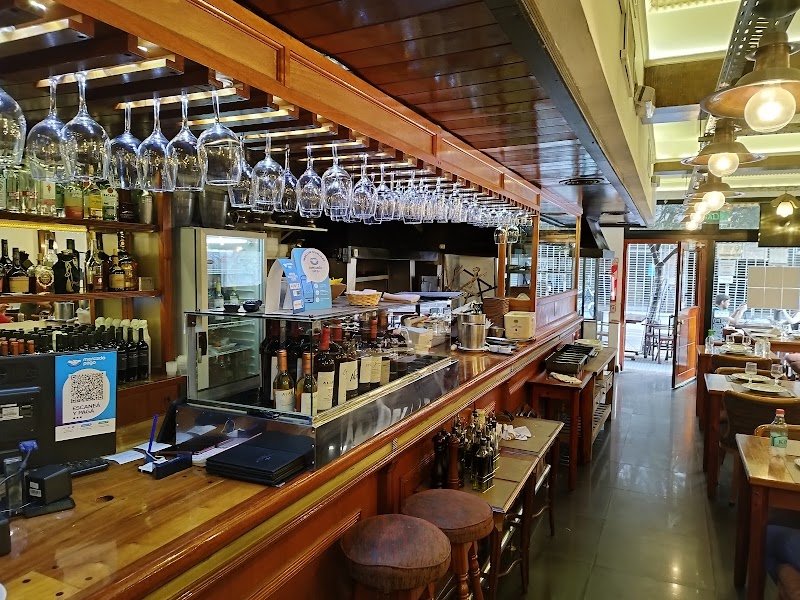
ROUX

ROUX

4.6 (3.1k reviews)
$$$$
LocationPeña 2300, C1126ABF Cdad. Autónoma de Buenos Aires, Argentina
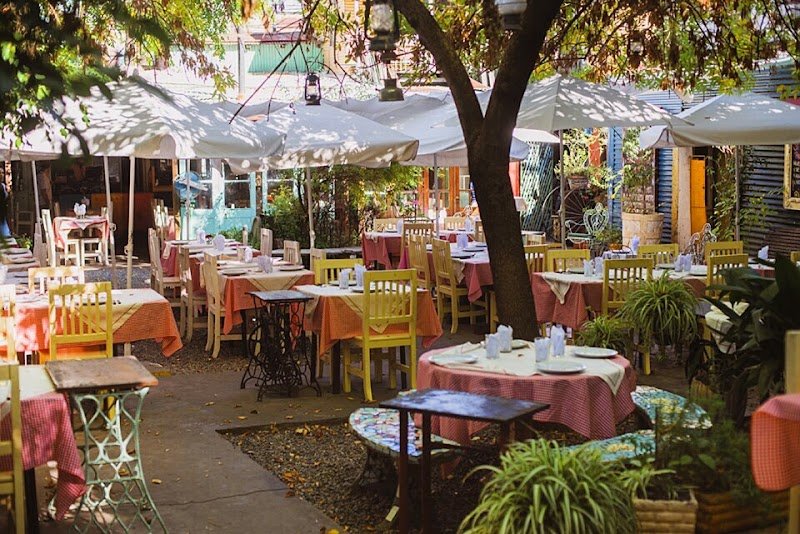
Parrilla Cero5

Parrilla Cero5

4.6 (2.9k reviews)
$$
LocationSuipacha 930, C1008AAT Cdad. Autónoma de Buenos Aires, Argentina
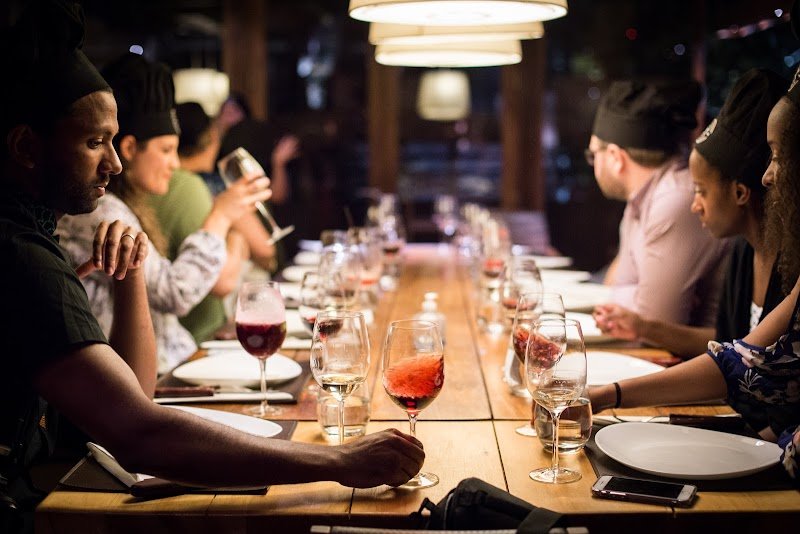
The Argentine Experience

The Argentine Experience

4.6 (925 reviews)
$$$$
LocationGorriti 4832, C1414BJN Cdad. Autónoma de Buenos Aires, Argentina
El Gran Paraiso

El Gran Paraiso

4.6 (7.0k reviews)
$$
LocationGral. José Garibaldi 1428, C1166 Cdad. Autónoma de Buenos Aires, Argentina
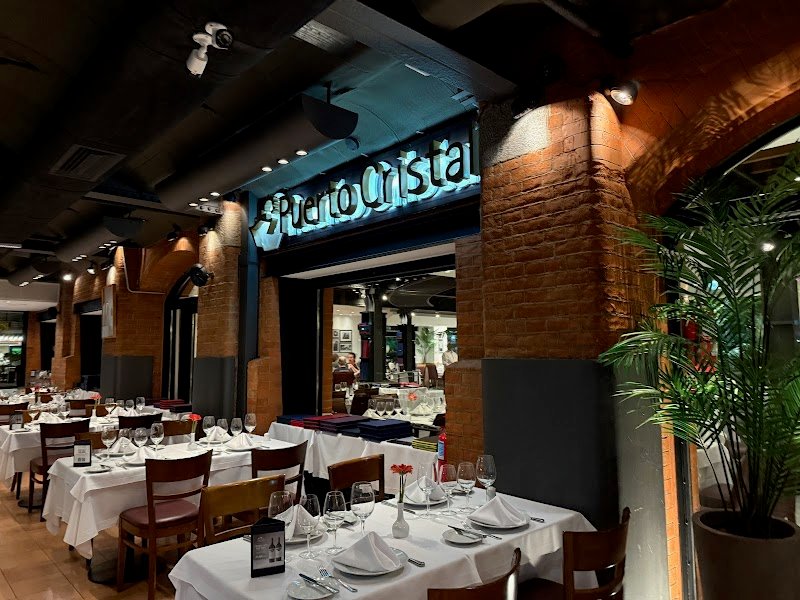
Puerto Cristal

Puerto Cristal

4.6 (12.0k reviews)
$$$
LocationAv. Alicia Moreau de Justo 1082, 1082 Cdad. Autónoma de Buenos Aires, Argentina

Accommodations

Waking up to Buenos Aires’ color and commotion, you learn quickly. The neighborhood you pick shapes your days and sets your nights. One block means quiet cafés. A few streets over, pounding nightlife. Find the right fit and Buenos Aires feels like home. Miss, and the city’s rhythm might run you ragged. Choice of location isn’t background—it’s the main act.

Neighborhood Overview

  • Palermo: Palermo brims with creative energy. Wide boulevards lead to indie boutiques, old trees, outdoor markets. Trendy bars and Argentine cuisine crowd buzzing streets. Palermo best suits night owls and anyone craving constant movement.
  • Recoleta: Old money and leafy calm define Recoleta. Elegant architecture stands beside parks and European-style cafés. Art lovers and couples wander here, drawn to museums and the iconic Recoleta Cemetery.
  • San Telmo: Cobblestones and tango spill from San Telmo’s corners. Antique shops, vintage markets, and late-night bars offer grit and romance together. Adventurous travelers and fans of history feel drawn to its bohemian edge.
  • Microcentro: The city’s commercial heart churns all week. Skyscrapers, grand theaters, business hotels, and bus lines form a dense grid. Practical for business trips or short stays, but noisy and quieter after dark.
  • Puerto Madero: Glass towers and modern parks rise along the old port. This redeveloped district gleams—luxury hotels, upscale dining, and safe streets cater to business travelers or those who want a splashy stay. Less character, but clean and calm.
  • Belgrano: Tree-lined avenues and a family atmosphere make Belgrano feel residential. Shops and Chinese supermarkets line its quiet blocks. Ideal for families or those seeking peace with easy city access.

Types of Accommodation

  • Hotels: Options range from Recoleta’s opulent Alvear Palace (over $250/nt) to basic Microcentro chains ($60–120/nt).
  • Short-term Apartments: Palermo is packed with stylish rentals ($50–$150/nt), often managed by local agencies.
  • Boutique B&Bs: In San Telmo and Palermo, cozy inns and design guesthouses ($40–$120/nt) offer real neighborhood flavor.

Insider Tips for Booking

Book three months ahead for best selection. November–March sees peak rates, especially in Palermo. Many properties charge VAT (21%) on foreign guests—check before booking. Weekends mean higher prices in tourist zones. Watch for hidden cleaning or deposit fees in apartments.

Push open a weathered balcony door in San Telmo. Or sip espresso under a Recoleta sycamore. Wherever you check in, Buenos Aires lodges itself into memory—one room, one block, one night at a time.