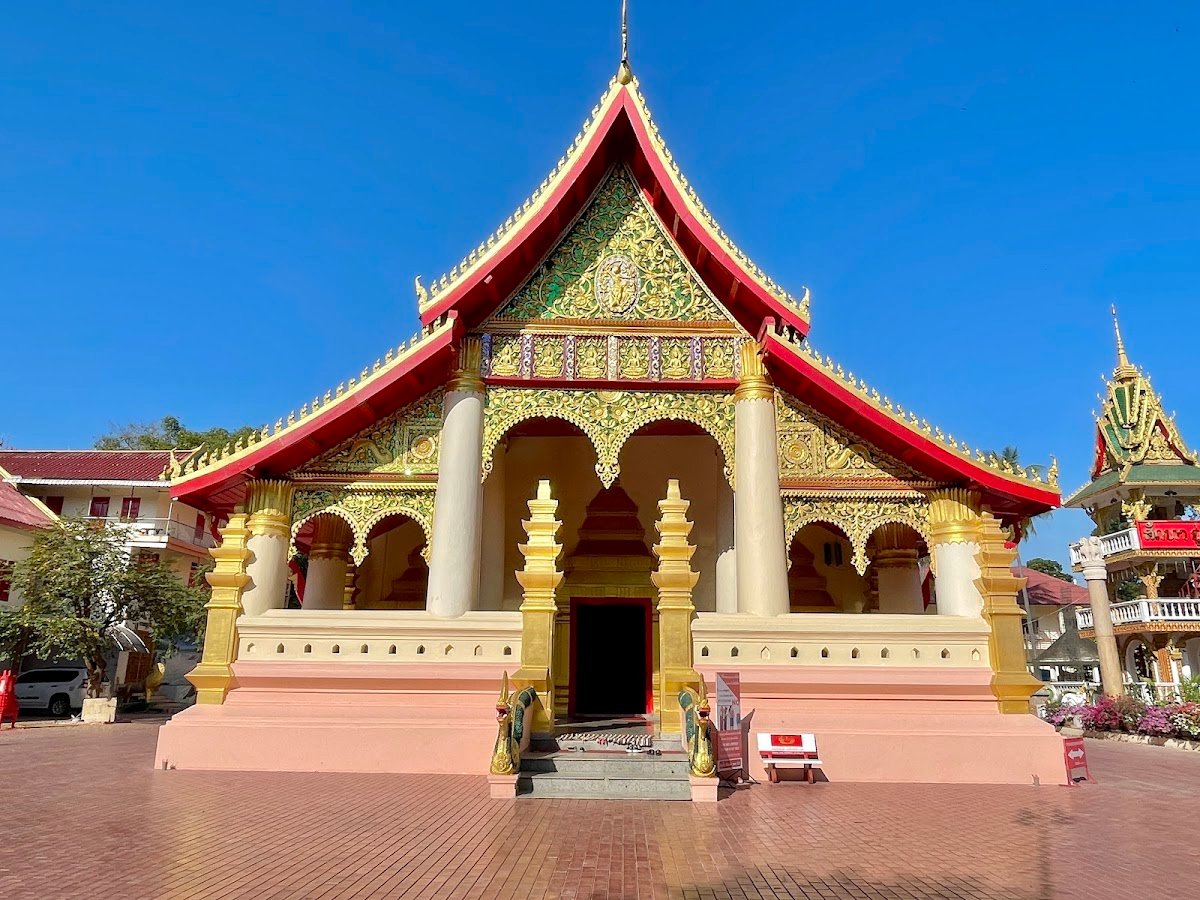
Wat Ong Teu Temple

Wat Ong Teu Temple

Vientiane, Laos
i

Wat Ong Teu Temple

Photo by Divertimento

An oasis of peace and history, Wat Ong Teu captures both quiet beauty and cultural depth in ways few temples can. Ornate golden roofs curve above silent courtyards where orange-robed monks drift between green gardens and shaded prayer halls. While many travelers rush past this sacred place, those who linger often find vivid art, ancient traditions, and a rare sense of calm, hidden in plain sight.

Visiting Info

Currency
Entrance fee
Free
Hours
Opening hours
Monday: 5:00 AM – 9:45 PM
Tuesday: 5:00 AM – 9:45 PM
Wednesday: 5:00 AM – 9:45 PM
Thursday: 5:00 AM – 9:45 PM
Friday: 5:00 AM – 9:45 PM
Saturday: 5:00 AM – 9:45 PM
Sunday: 5:00 AM – 9:45 PM

Contact Information

Location
Address
XJ83+6HF, Vientiane, Laos

Planning your visit

A trip to Wat Ong Teu becomes richer with a bit of thoughtful planning. The temple sits in central Vientiane, within easy reach from most guesthouses and popular streets. Expect tranquil mornings, but as the sun rises, crowds can gather—especially during Buddhist holidays. No admission ticket is required, making unhurried wandering possible any day of the week.

  • Best time to visit: Early morning (7–9 a.m.) or late afternoon for cooler weather and softer light. The dry season (November to February) sees the fewest showers and most comfortable temperatures.
  • How to get there: Wat Ong Teu lies near Rue Samsenthai and is walkable from the Mekong River area. Public tuk-tuks circulate constantly; motorbikes and bicycles also offer easy rides from nearby neighborhoods.
  • Accessibility: Flat, paved paths allow easy movement for families with strollers or seniors, though some steps lead to inner shrines.
  • Average visit duration: Expect 30 to 60 minutes for a leisurely visit. More time is needed if joining a meditation class or guided tour.

Must see stuff

Brilliant mosaics and ancient relics fill Wat Ong Teu with wonders worth discovering. The temple’s main ordination hall—once rebuilt after wars—remains the centerpiece. Here, gold-plated Buddha statues watch over marble floors and delicate wooden carvings. Don’t rush through the side gardens or the monk school, where young novices sometimes practice chanting. Small side chapels hide faded murals while large shade trees offer benches for quiet breaks.

  • Main ordination hall (sim): See the enormous bronze Buddha, elegant ceiling paintings, and gilded pillars. This hall gives the temple its name (“Temple of the Heavy Buddha”).
  • Ceremonial drum tower: Listen for the sound of the giant drum calling monks to prayer.
  • Monk school: Glimpse daily life, sometimes catch beginner meditation classes led by resident monks (ask permission first).
  • Photo spots: Early light catching roof spires, shadowy corridors with peaceful monks, close-ups of dragon-handled railings.
  • Cultural facts: Wat Ong Teu served as a Buddhist center for hundreds of years and once hosted Laos’s top Pali language school. Older locals share how the temple survived wartime damage and now forms a core of community life.

Tips for your visit

Some advance advice ensures time at Wat Ong Teu feels meaningful and respectful. Morning visits tend to be calm and full of local atmosphere, especially before tour buses arrive. While most areas allow photographs, avoid flash inside shrines and always ask before snapping portraits of monks. A refillable water bottle proves handy after a warm walk past flower beds and shaded nooks. Dress modestly—shoulders and knees covered—for welcome throughout the compound.

  • Best times to avoid crowds: Weekday mornings before 9 a.m. or mid-afternoon (after 3 p.m.) are quietest.
  • What to bring: Water, sun hat, camera (with a quiet shutter), easily removable shoes.
  • Local etiquette: Step barefoot into main halls, speak softly, and point feet away from Buddha statues when seated.
  • Comfort advice: Small shade pavilions offer relief from the sun; basic public toilets sit near the temple’s side gate.
Wat Ong Teu Temple – Tickets, Hours & Visitor Guide