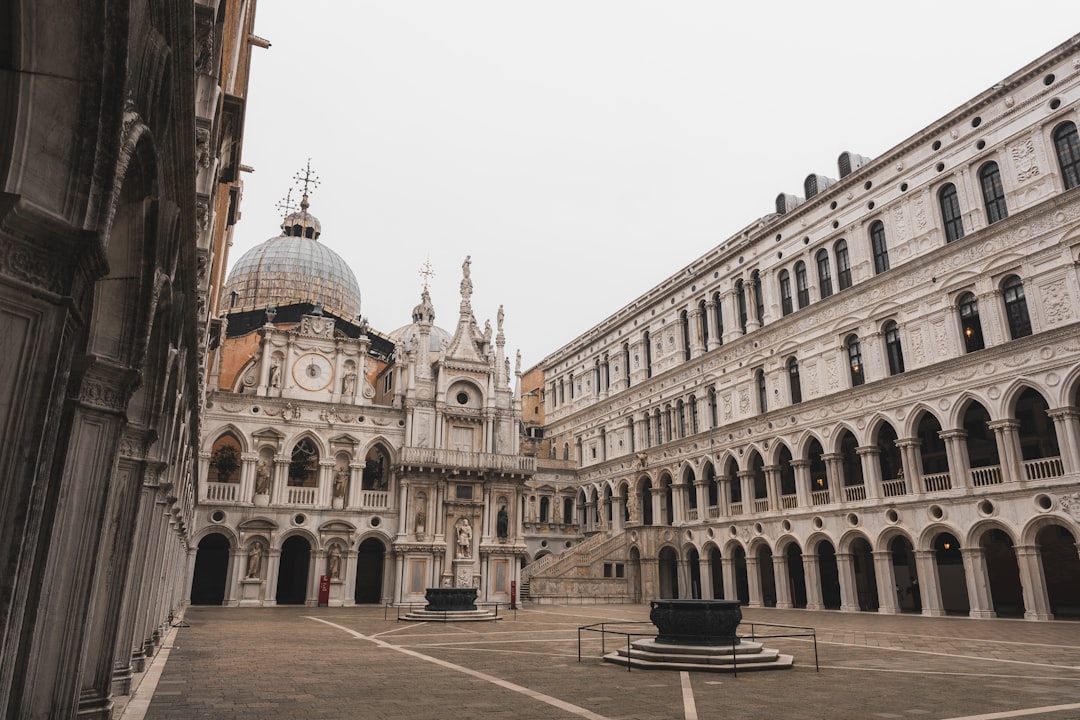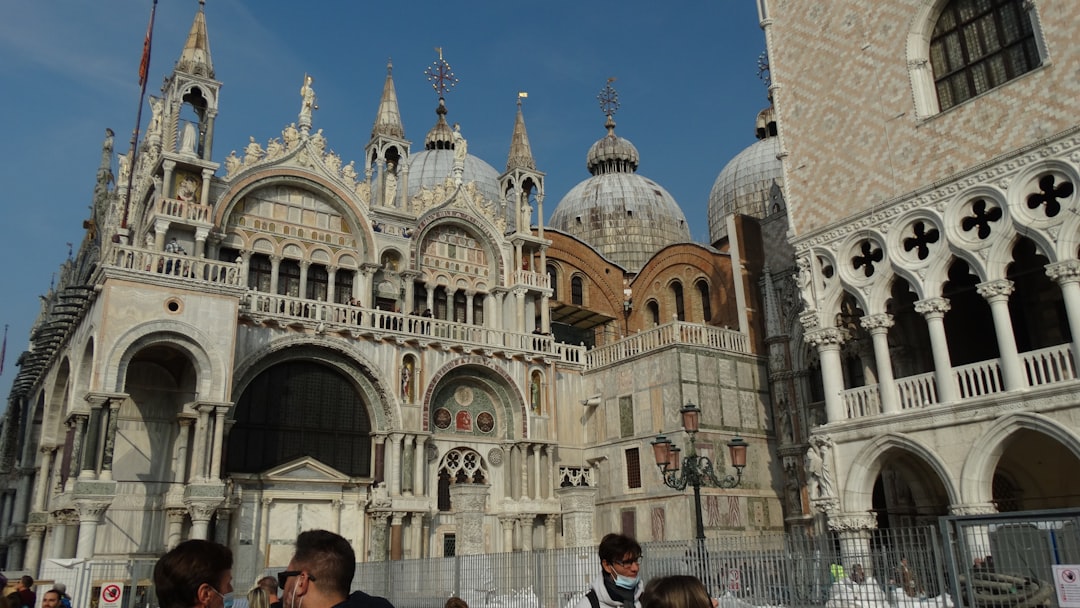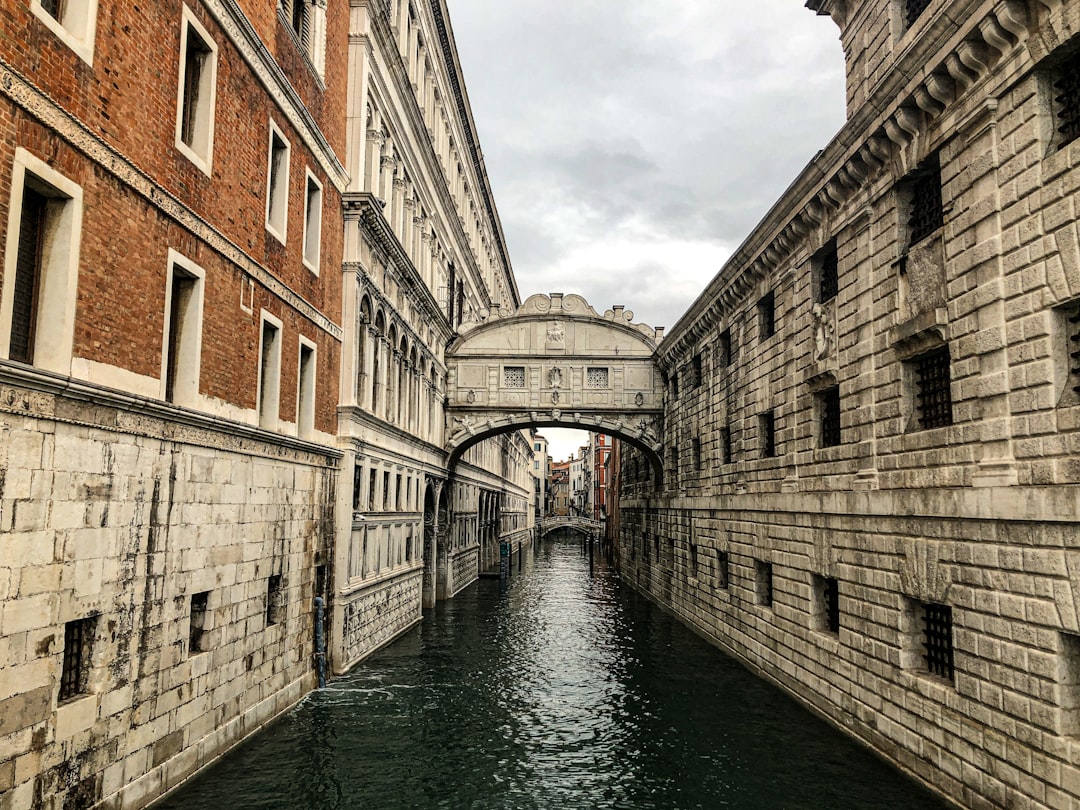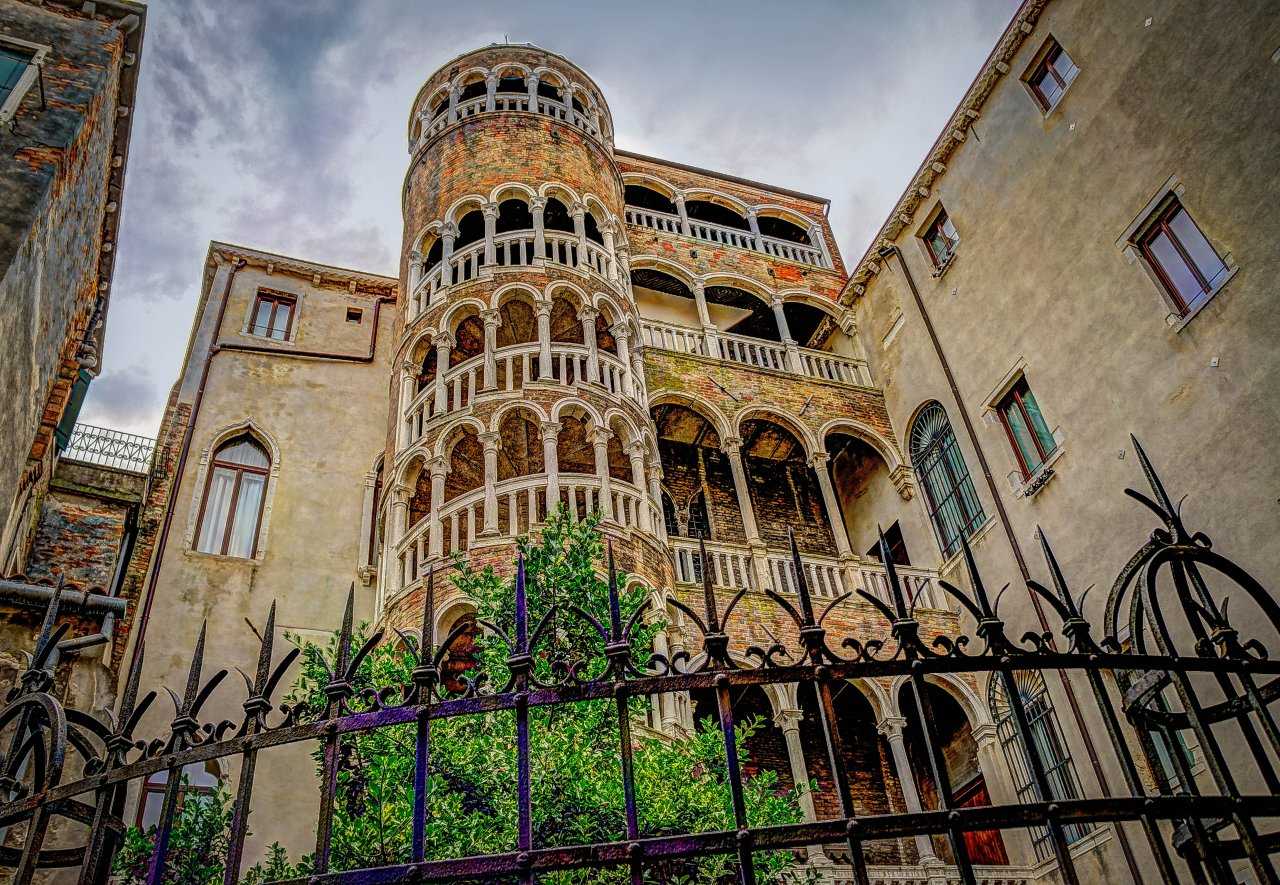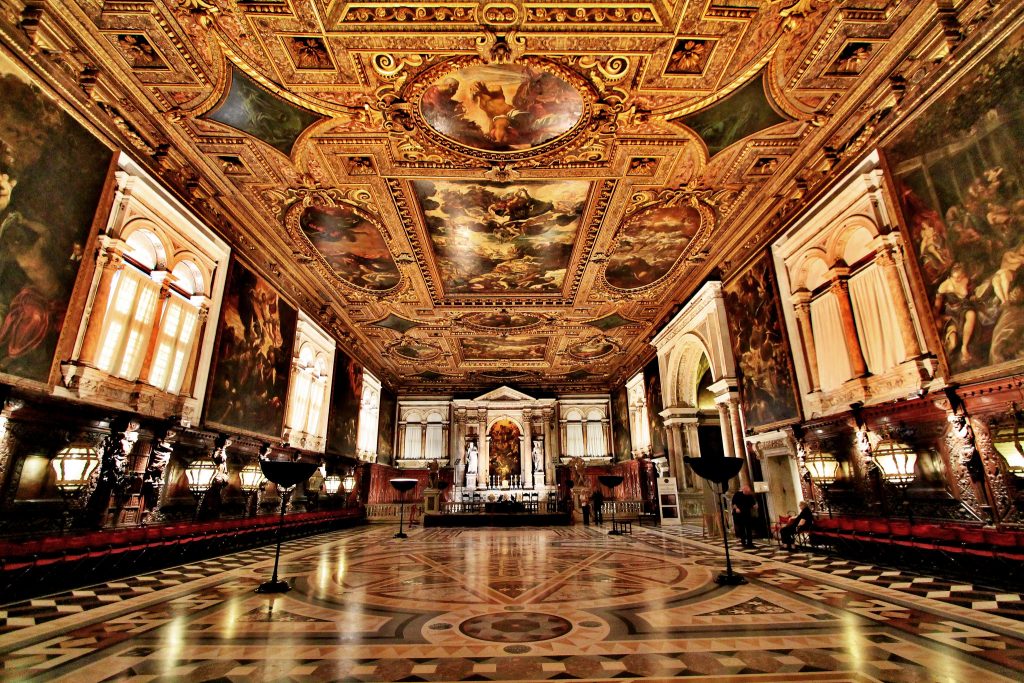
Beautiful view of Scuola Grande di San Rocco

Scuola Grande di San Rocco

Venice, Italy
i

Beautiful view of Scuola Grande di San Rocco

Shadow and sun flicker over stone steps as visitors approach the Scuola Grande di San Rocco, a luminous masterpiece cocooned inside an unassuming Venice neighborhood. Beyond the busy call of nearby bridges and the hush of canal water, this storied brotherhood house lures art lovers and travelers eager to walk through centuries of devotion. Its silent halls—decorated by the swirling genius of Tintoretto—whisper stories of beauty, faith, and artistic rivalry. Here, every stair and golden wooden panel seems charged with the mystery of Venice itself, where layered history meets dazzling craftsmanship.

Visiting Info

Currency
Entrance fee
12 EUR
Hours
Opening hours
Monday: 9:30 AM – 5:30 PM
Tuesday: 9:30 AM – 5:30 PM
Wednesday: 9:30 AM – 5:30 PM
Thursday: 9:30 AM – 5:30 PM
Friday: 9:30 AM – 5:30 PM
Saturday: 9:30 AM – 5:30 PM
Sunday: 9:30 AM – 5:30 PM

Contact Information

Location
Address
Campo S. Rocco, 3052, 30125 Venezia VE, Italy

Planning your visit

Those setting their sights on the Scuola Grande di San Rocco should plan ahead—timing, tickets, and quiet corners all shape the experience. With Venice’s winding streets and shifting tides of visitors, getting to this unforgettable landmark calls for a bit of preparation. Early arrivals and savvy travelers can catch the halls nearly empty, while afternoons bring gentle sunlight through soaring windows. Guided tours deepen the experience for those curious about hidden symbology and dramatic backstories, while art enthusiasts may linger for hours beneath splintered beams and painted ceilings.

  • Best time to visit: Weekday mornings or late afternoons in spring and fall, when crowds thin and soft light bathes the upper hall.
  • How to get there: Reach San Rocco via the San Tomà vaporetto stop, then walk five minutes along Calle del Traghetto da San Toma. From the train station, a 15-minute walk through San Polo district leads directly there.
  • Accessibility: The ground floor offers accessible entry. Stairs connect to the upper hall; limited lift service may be available for those with mobility challenges.
  • Average visit duration: 60 to 90 minutes for highlights; longer for art or photography enthusiasts.
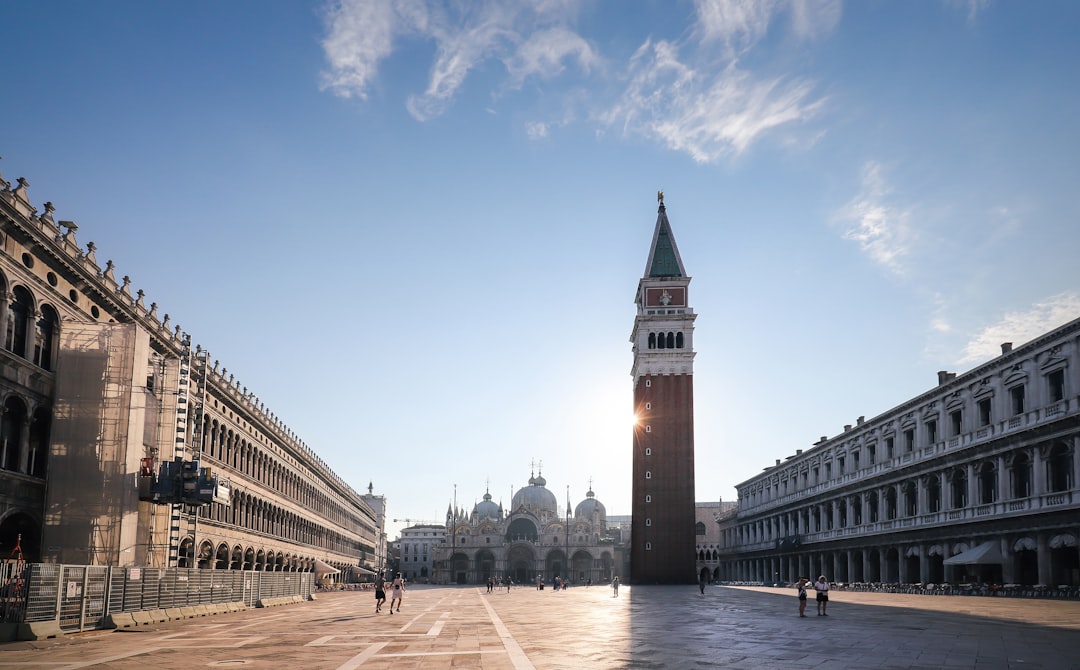
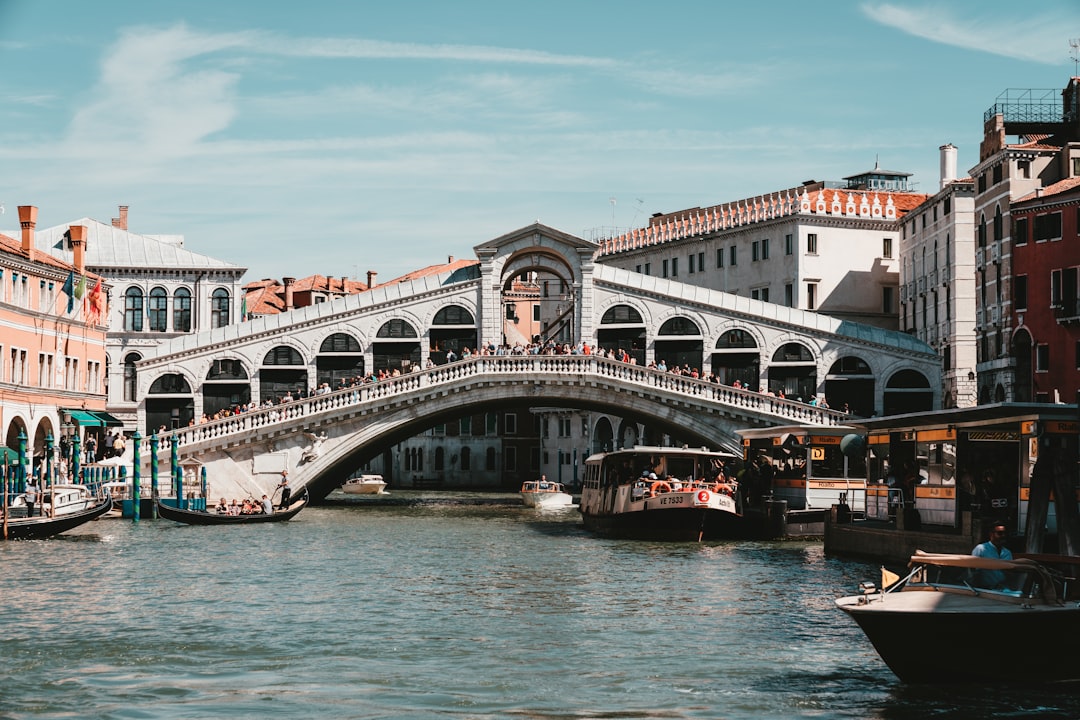
Must see stuff

Stepping inside the Scuola reveals a world gilded in gold and oil paint. The walls of the Sala Terrena and the vast, echoing Sala Superiore stretch skyward, clothed in epic canvases. In these rooms, visitors stand before visions painted by Tintoretto—visions that have stunned travelers for centuries. Gilded woodwork, rippling marble, and the hush of footsteps set the stage for art to come alive. Highlights reward both seasoned fans and first-time explorers, while secluded side chapels and window seats offer gentle retreat from the drama.

  • Key sights: The colossal series of Tintoretto paintings, especially "The Crucifixion" in the Upper Hall. The carved wooden seats, gold ceilings, and the antique reliquary room downstairs.
  • Unique experiences: Mirror panels provided by the Scuola let guests view the ceiling frescoes without craning their necks. Join a small guided tour to unlock the wild stories behind each canvas.
  • Photo-worthy locations: The sweeping staircase lit by painted glass. The intricate details of the brotherhood’s emblems and centuries-old parchments. Details from ceiling frescoes reflected in glass.
  • Cultural and historical facts: Founded in the 15th century as a charitable brotherhood, the Scuola played a crucial role during Venice’s plagues. Each Tintoretto painting here was completed over nearly 25 years; some say the artist even slept at the Scuola to complete his work.

Tips for your visit

Mornings at the Scuola ring with silence, allowing time to savor each painting undisturbed. Those managing expectations come prepared for bustling afternoons in high season, sharing halls with art students and tour groups. Good shoes cushion marble floors, while water bottles offer relief on warm days. Flash photography and loud voices are discouraged in holy and historic spaces. Lingering in side rooms reveals quiet vignettes and unexpected artifacts. Most importantly, those who check for restoration updates avoid disappointment, as certain canvases may be temporarily covered.

  • Best times to avoid crowds: Arrive just after opening or an hour before closing—especially on weekdays and rainy days.
  • What to bring: Comfortable walking shoes, bottled water, a camera (without flash), and a light jacket—temperatures inside can shift.
  • Local etiquette: Speak quietly, dress modestly, and never touch walls or artwork. Observe signs and respect family groups, students, and worshippers.
  • Safety and comfort: Take breaks on benches. Those sensitive to sunlight should be aware: windows in the Upper Hall cast dazzling beams in late afternoon.