Royal Ontario Museum

Royal Ontario Museum

Toronto, Canada
i

Royal Ontario Museum

Photo by Daryl Pemberton

Few museums blend natural wonders, world history, and interactive learning quite like the Royal Ontario Museum. Nestled in the heart of Toronto, this iconic destination inspires guests young and old, inviting them to travel through time and across continents without ever leaving the city. For curious travelers, design lovers, and families alike, a day inside the museum promises discoveries on every level—literally and figuratively.

Visiting Info

Currency
Entrance fee
30 USD
Hours
Opening hours
Monday: Closed
Tuesday: 10:00 AM – 5:30 PM
Wednesday: 10:00 AM – 5:30 PM
Thursday: 10:00 AM – 5:30 PM
Friday: 10:00 AM – 5:30 PM
Saturday: 10:00 AM – 5:30 PM
Sunday: 10:00 AM – 5:30 PM

Contact Information

Location
Address
100 Queens Park, Toronto, ON M5S 2C6, Canada

Planning your visit

With more than one million items spread over a dazzling range of galleries and installations, the Royal Ontario Museum rewards both quick explorers and dedicated wanderers. To make the most of any visit, consider the season, plan for lines, and look at ticketing options ahead of time. The museum’s soaring glass entry, known as The Crystal, draws crowds year-round—especially on weekends, holidays, and school field trip days.

  • Best time to visit: Early weekday mornings, especially outside of school holidays or during winter months when crowds thin.
  • How to get there: Easily accessible by subway, with the Museum Station (Line 1) steps from the entrance. Several bus routes and paid parking lots also serve nearby neighborhoods.
  • Accessibility: Ramps, elevators, and family-friendly washrooms offer comfort for visitors using wheelchairs, strollers, or mobility aids. The museum welcomes service animals.
  • Average visit duration: Plan for at least 2–3 hours, though history buffs can easily stretch their stay to a full day.
Must see stuff

Inside the museum, vast galleries flow from ancient civilizations to modern design, with star attractions both towering and tiny. Long-time favorites include the giant dinosaur skeletons, vivid Asian art collections, and Ontario-focused Indigenous exhibits. Beyond the blockbuster displays, tucked-away crystal rooms and hands-on science labs also reward those who search out less-visited corners.

  • Dinosaur Hall: Marvel at the imposing Tyrannosaurus rex and Triceratops bones set against dramatic lighting, perfect for giggles and awe in equal measure.
  • The Rotunda: Look up at the mosaic ceiling—over a million tiles telling stories of Canada’s past, ideal for photos and quiet admiration.
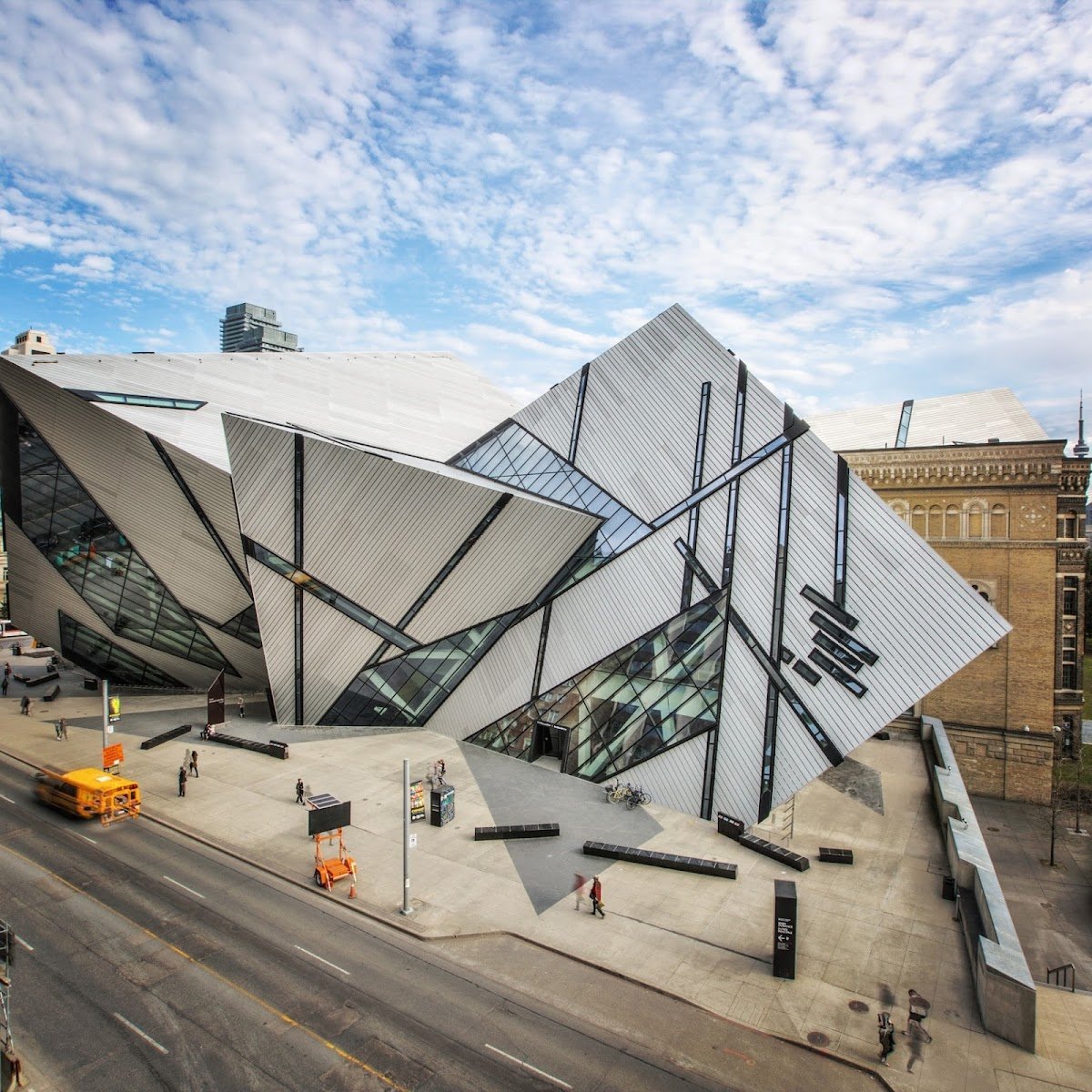
  • Crystal Entrance: Snap a shot under the angular, glass-and-steel Michael Lee-Chin Crystal, a modern architectural feat that now serves as the museum’s striking face to the city.
  • First Peoples Gallery: Discover over 10,000 years of Indigenous artwork, tools, and jewelry with interpretive signs written in consultation with local communities.
  • Hidden Mineral Room: Seek out glittering gemstones and rare minerals, a lesser-known spot that sparkles with hidden treasures.
  • Special exhibitions: Check the museum’s schedule for rotating installations ranging from fashion retrospectives to interactive science experiments—these often feature local artists or community partnerships.
  • Cultural storylines: Read about the city’s immigrant history upstairs, where artifacts reveal stories from Toronto’s earliest days through its many waves of newcomers.

Tips for your visit

Navigating the museum’s many levels can feel overwhelming, but a little insider knowledge makes for a smoother, more memorable trip. Plan routes ahead by checking the museum map or downloading the self-guided audio tour on your phone for deeper context. Elevators sometimes get busy. If energy runs low, friendly staff near major entrances happily point out shortcuts or suggest quiet resting spots. The café offers decent fare, but nearby Bloor Street restaurants supply tastier budget choices, especially from local favorites south toward Yorkville.

  • Best times to avoid crowds: Arrive just after opening or during the last hour of the afternoon for calmer galleries.
  • What to bring: Comfortable shoes for walking, a secure small bag, and a filled water bottle; photography is allowed with no flash in most spaces.
  • Local etiquette or rules: Quiet voices in galleries, no food beyond dedicated areas, and respect for posted signs in Indigenous exhibits where photography might be restricted.
  • Safety or comfort advice: Watch little ones near open stairways and slippery tile floors, and take breaks often—benches and family restrooms are available throughout.
Royal Ontario Museum – Tickets, Hours & Visitor Guide