Estonian Art Museum (KUMU)

Kumu Art Museum

Tallinn, Estonia
i

Estonian Art Museum (KUMU)

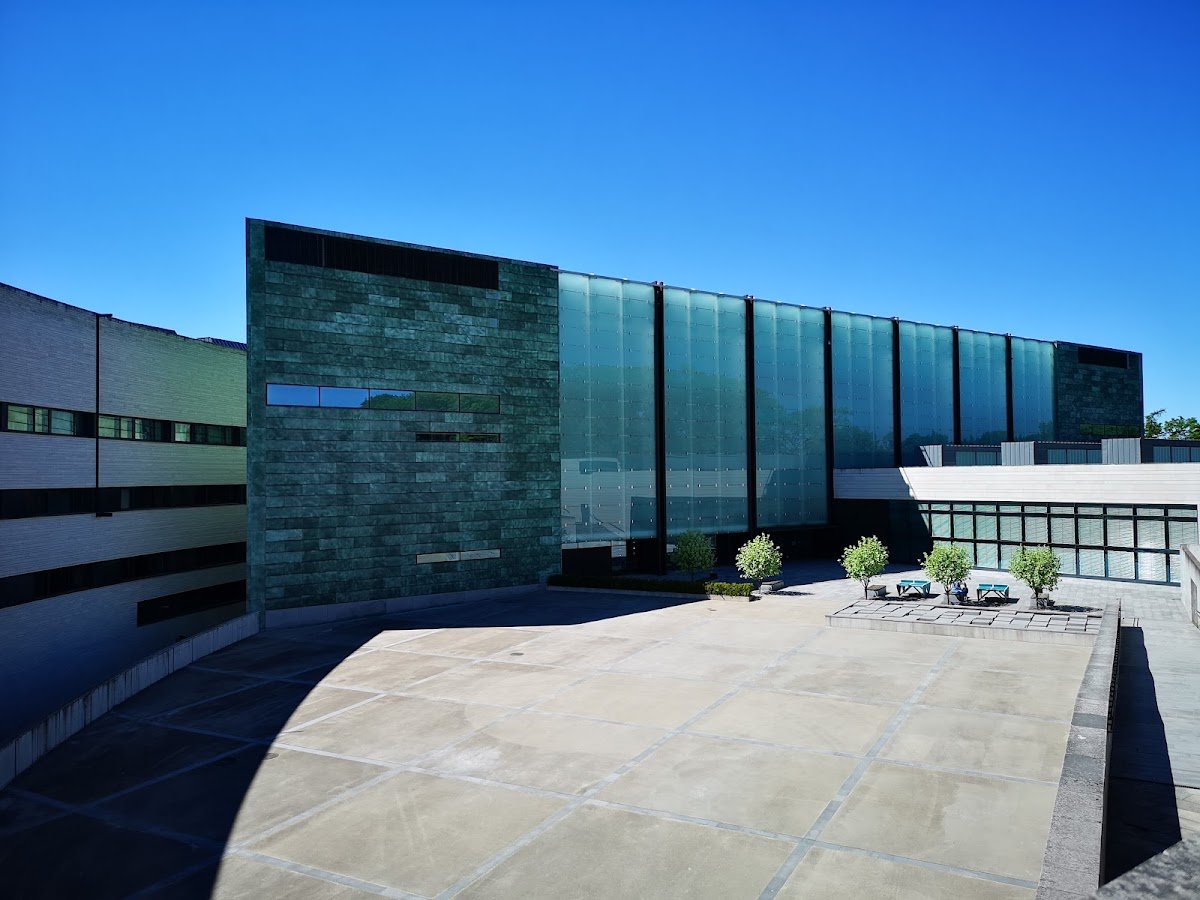
Photo by Kulbir Saini

Estonia’s Kumu Art Museum rises from Kadriorg Park like a monument to creativity. Designed to connect the past and present, this modern museum blends bold architecture with vivid stories inside. Home to Estonia’s national collection, Kumu stands as proof of the country’s artistic spirit—inviting everyone to wander through history, politics, and imagination, all under one striking roof.

Visiting Info

Currency
Entrance fee
16 EUR
Hours
Opening hours
Monday: Closed
Tuesday: 10:00 AM – 6:00 PM
Wednesday: 10:00 AM – 6:00 PM
Thursday: 10:00 AM – 8:00 PM
Friday: 10:00 AM – 6:00 PM
Saturday: 10:00 AM – 6:00 PM
Sunday: 10:00 AM – 6:00 PM

Contact Information

Location
Address
Valge tn 1, 10127 Tallinn, Estonia

Planning your visit

Smart planning makes a trip to Kumu Art Museum smoother and more memorable. Although often peaceful, weekends and rainy afternoons tend to attract local families and art lovers. Kumu traces Estonia’s visual story—with large permanent exhibits and rotating shows—so a bit of research into current events can add extra meaning to the experience. The museum sits on the edge of sprawling Kadriorg Park, only a short ride from Tallinn’s Old Town, and offers modern facilities to welcome visitors of all ages and abilities.

  • Best time to visit: Weekdays are usually quieter; midday light adds drama to the galleries. Spring and autumn offer mild weather for strolling around outer grounds.
  • How to get there: Tram 3 from the city center stops near Kadriorg Park; buses 31, 67, and 68 serve the area. Taxis from Old Town are quick and affordable.
  • Accessibility: Elevators, ramps, and accessible restrooms available—suitable for strollers, wheelchairs, and visitors with mobility needs.
  • Average visit duration: Two to three hours lets you explore key galleries and take a café break; art enthusiasts may linger all day.

Must see stuff

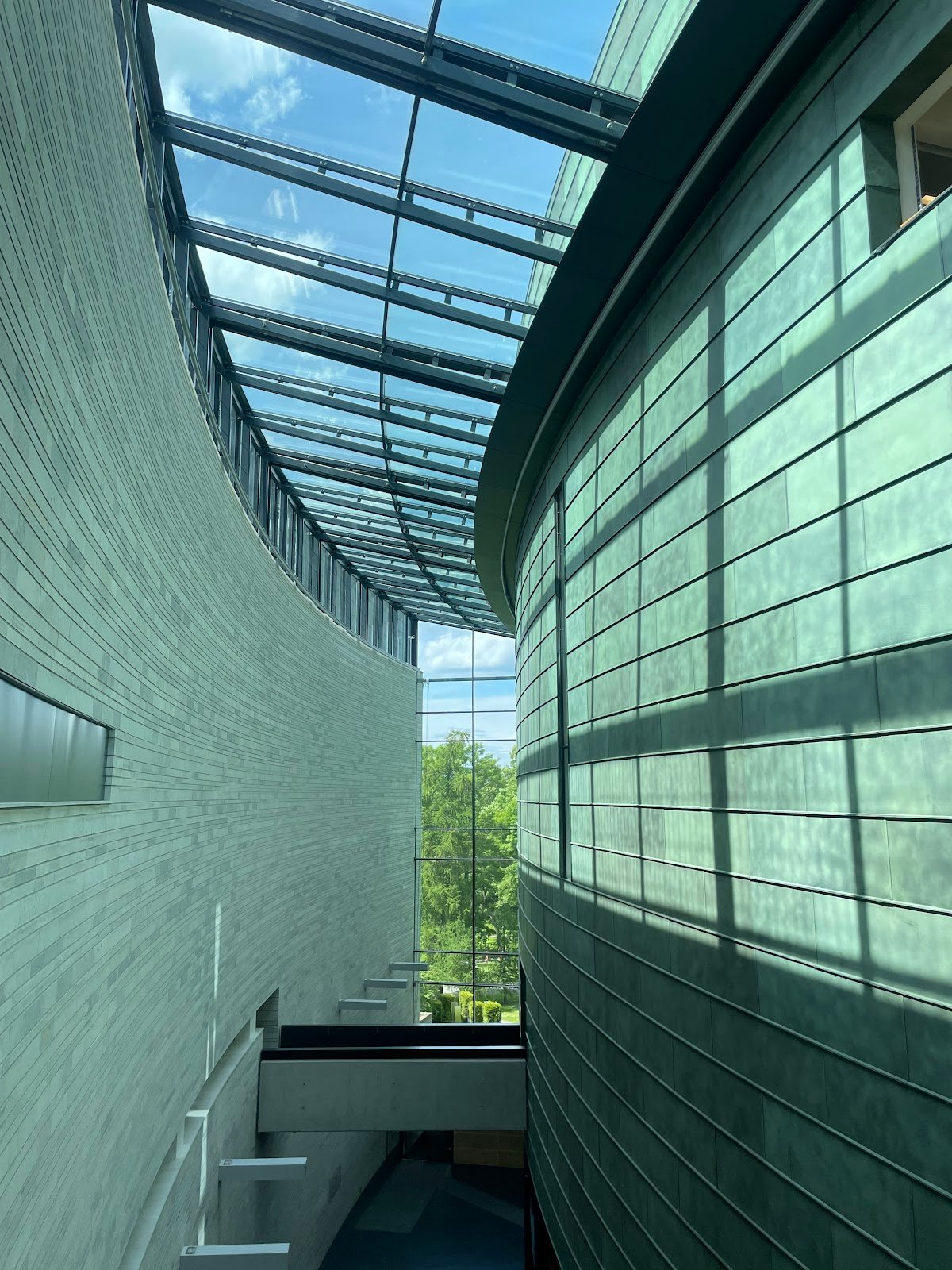
While Kumu’s curving halls invite visitors to explore at their own pace, several highlights deserve special attention. Permanent collections tell Estonia’s story through 18th-century portraits, Soviet-era works, and contemporary installations. Changing exhibits, meanwhile, shine spotlights on emerging artists and fresh perspectives. Beyond the galleries, a winding staircase leads to panoramic park views—a surprise most people remember long after leaving. Each corner adds its own details to Estonia’s unfolding cultural story.

  • Key sights or features: Third-floor classic Estonian art (masterpieces by Konrad Mägi and Kristjan Raud); fourth-floor modern and contemporary galleries; main atrium with its impressive light-filled staircase.
  • Unique experiences: Insider-led guided tours explore political stories behind famous works; hands-on workshops and family programs happen on weekends; rooftop terrace offers rare views across Kadriorg district’s leafy hills.
  • Photo-worthy locations: Grand spiral staircase; glass walls overlooking the park; sculptural architecture outside, set against thick forest greenery.
  • Cultural or historical facts: Kumu means "echo" in Estonian—a nod to art’s power to reflect the past; building won the European Museum of the Year Award in 2008.

Tips for your visit

Though most visits to Kumu go smoothly, a little local knowledge goes a long way. Maps at the entrance make navigation easier, since some galleries can feel like a labyrinth. Museum cafés serve light Estonian fare, but lines get long in peak season, so packing a snack isn’t a bad idea. Staff here are patient and eager to help, but English signage sometimes leaves details wanting—grabbing a guidebook can add context. Evening closing times feel early compared to bigger European museums—don’t save your visit for too late in the day.

  • Best times to avoid crowds: Mornings, especially midweek; avoid Sunday afternoons or rainy Sundays when locals visit.
  • What to bring: Comfortable walking shoes; small water bottle; camera for museum-approved areas; curiosity.
  • Local etiquette or rules: Quiet tones in galleries; flash-free photography; respect boundaries in active exhibits or workshops.
  • Safety or comfort advice: Watch footing on stone stairs; take breaks on benches scattered throughout; always check current gallery closures—renovations sometimes shuffle displays.
Kumu Art Museum – Tickets, Hours & Visitor Guide