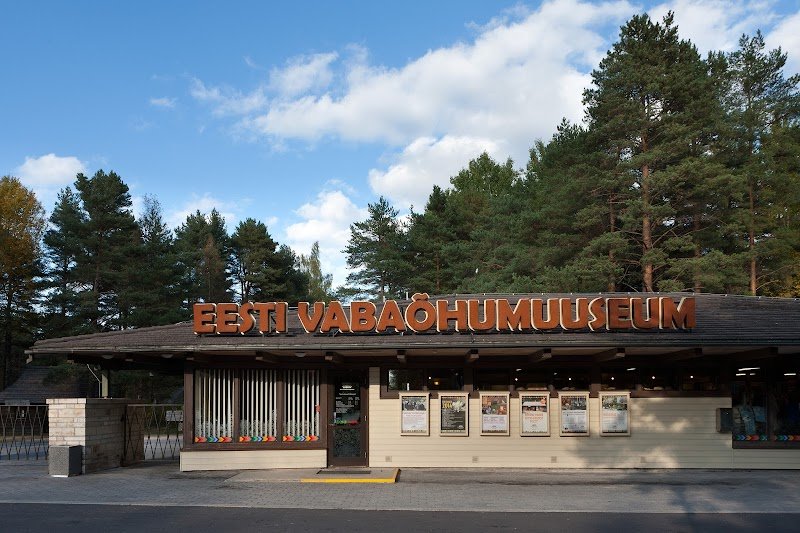
Google Places photo

Estonian Open Air Museum

Tallinn, Estonia
i

Spread across green meadows and woodsy paths under open sky, the Estonian Open Air Museum brings the country’s rural past back to vivid life. Here, the everyday scenes of centuries past—cottage windows flickering with lamplight, wool-skirted women baking dark rye loaves, horses waiting by timber barns—stand restored and authentic. In place of glass cases or quiet galleries, history breathes in the crisp Baltic air, inviting visitors to wander and touch the textures of Estonia’s lived heritage. Far from just a collection of old buildings, this sprawling museum promises a full sense of place, where time seems to slow, and the rhythms of Estonian village life fill the senses.

Visiting Info

Currency
Entrance fee
15 EUR

Contact Information

Location
Address
Vabaõhumuuseumi tee 12, 13521 Tallinn, Estonia

Planning your visit

Planning a trip to the Estonian Open Air Museum takes just a little smart preparation. The museum sits about 15 minutes west of Tallinn’s city center, set apart from city bustle by stretches of pine forest. While summer afternoons offer the warmest, most lively atmosphere, with folk performers and craftspeople at work, spring and early autumn bring fewer crowds and quieter paths. Tickets can be purchased on arrival or online, and school holidays see the biggest crowds, especially at weekends. Expect wide, uneven trails, scattered farmsteads, and occasional cobblestones—so good shoes matter. Families and history lovers find the grounds accessible and engaging, although some traditional houses have steps or low doorways.

  • Best time to visit: Late spring to early autumn, especially weekday mornings for fewer crowds
  • How to get there: Regular city bus (line 21 or 41) from Tallinn’s city center to Rocca al Mare stop; free parking for cars; easy access by taxi or ride-share
  • Accessibility: Large stroller- and wheelchair-friendly grounds, though some historic interiors have steps or narrow doors; benches and restrooms available
  • Average visit duration: 2-4 hours for a good overview; half-day or longer with food breaks or events

Must see stuff

The Estonian Open Air Museum sprawls across almost 80 hectares, home to over 70 historic buildings moved here from across Estonia. Each represents a slice of rural life: windmills turning above fields, smoke saunas with sturdy log walls, or churches painted a humble white. Hand-painted signposts lead visitors through four distinct regions, with farmhouses and village greens that echo the island, northern, southern, and western country life of centuries past. The swing fields—a traditional gathering place for Midsummer parties—invite kids and adults to fly high, while open workshops bustle with handcrafts, blacksmithing, or baskets in season. Cows, sheep, and chickens lend rustic charm, reminding visitors these buildings once buzzed with daily activity, not just exhibits for show.

  • Key sights or features: 19th-century Sutlepa chapel, windmills from Saaremaa and Hiiumaa, Kalamaja wooden schoolhouse, ancient smoke sauna, Kolu Inn (a working tavern)
  • Unique experiences: Bake bread the old way, ride a horse-drawn wagon in summer, watch traditional folk dances, or catch open fire cooking demonstrations
  • Photo-worthy locations: Swing field with old wooden swings, pondside village scenes, wildflower meadows, pretty country lanes lined with lilacs
  • Cultural or historical facts: Some farmhouses were dismantled and moved log-by-log to the museum; major events spotlight Estonian holidays and crafts, bringing small villages to life each season

Tips for your visit

While wandering the Estonian Open Air Museum feels easy and relaxed, a little advance knowledge can help shape a day that’s both rich and comfortable. Mornings after opening or late afternoons bring the quietest atmosphere, especially outside busy summer weekends. The grounds stretch over rolling hills, so sturdy walking shoes are a must; a refillable water bottle also proves handy, as the only cafe sits near the middle of the park. Traditional rules—no climbing fences or picking flowers—keep the landscape pristine for all. While most stewards and guides speak English, learning a greeting in Estonian ("Tere!") earns a friendly smile. If rain is in the forecast, pack an umbrella; gravel paths can get muddy, but the joy of ducking into cozy farm kitchens or standing beneath the eaves of a creaking barn is a treat whatever the weather. For families, strollers manage well across most walkways, though a baby carrier is easier for peeking into older buildings.

  • Best times to avoid crowds: Weekday mornings, late afternoons, and outside local school breaks
  • What to bring: Comfortable shoes, water bottle, camera, weather-appropriate layers, optional snacks
  • Local etiquette or rules: Respect fences and gardens; ask before taking close-up photos of performers or craftspeople
  • Safety or comfort advice: Trails are mostly flat but can be long; take a picture of the map at the entrance, and try the free guided tour for orientation
Estonian Open Air Museum – Tickets, Hours & Visitor Guide