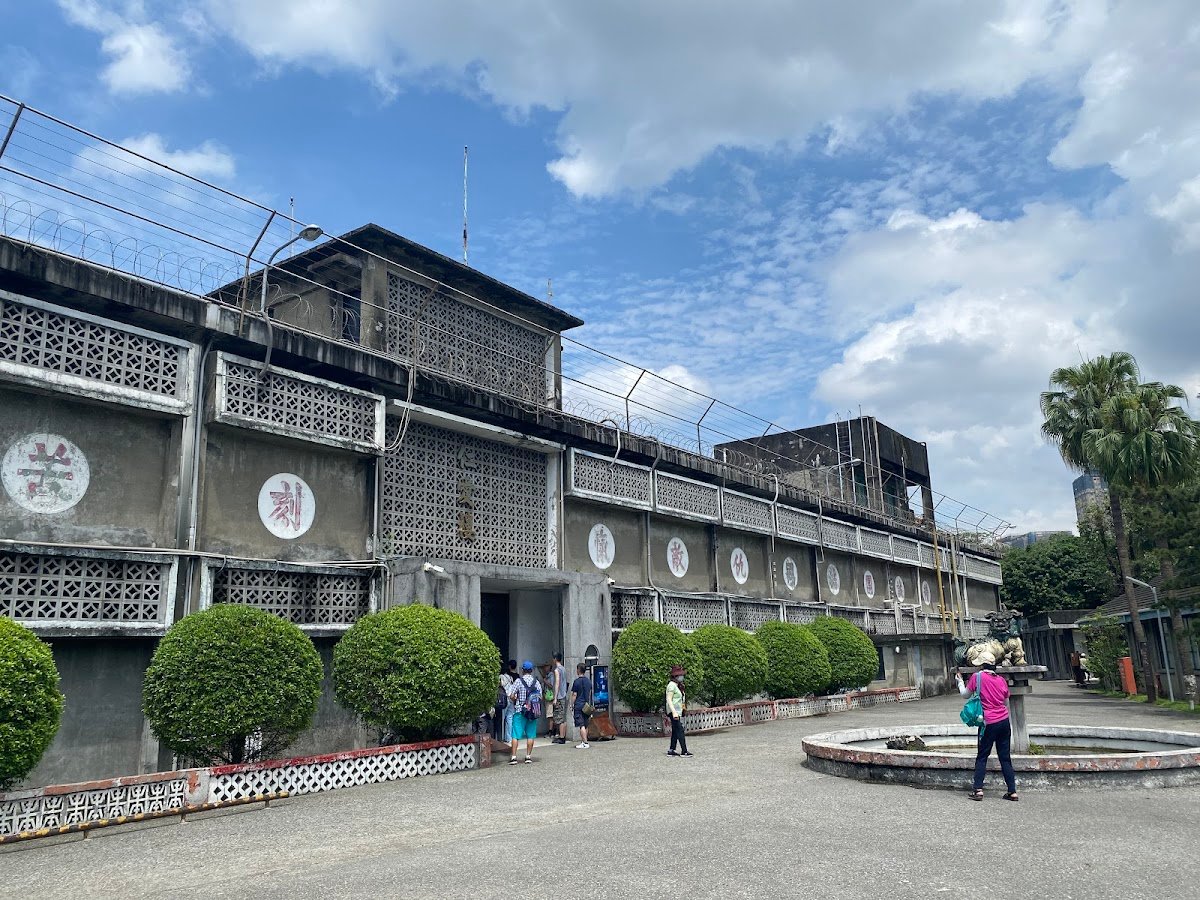
National Human Rights Museum

National Human Rights Museum

Taipei, Taiwan
i

National Human Rights Museum

Photo by 汪文俊

In Taiwan's vibrant landscape, the National Human Rights Museum stands as a place for understanding, remembrance, and reflection. Here, the walls and gardens invite visitors to learn about Taiwan's journey through periods of political struggle, freedom, and human dignity. Through personal stories, powerful art, and preserved architecture, the museum shines a light on both past hardships and present hope.

Visiting Info

Currency
Entrance fee
Free
Hours
Opening hours
Monday: Closed
Tuesday: 9:00 AM – 5:00 PM
Wednesday: 9:00 AM – 5:00 PM
Thursday: 9:00 AM – 5:00 PM
Friday: 9:00 AM – 5:00 PM
Saturday: 9:00 AM – 5:00 PM
Sunday: 9:00 AM – 5:00 PM

Contact Information

Location
Address
No. 131號, Fuxing Rd, Xindian District, New Taipei City, Taiwan 231

Planning your visit

A visit to the National Human Rights Museum requires a little thoughtful planning to get the most from the experience. Nestled on the outskirts of Taipei, inside the former Jing-Mei White Terror Memorial Park, the museum lies in a tranquil green setting, giving time to pause before and after your tour. Weekends or holidays see the largest crowds, though early weekday mornings can offer quiet strolls through the grounds. Advance tickets aren’t necessary for most exhibitions, but guided tours fill fast and should be reserved ahead. Most exhibits include English translations, making the stories widely accessible, though a few historical corners use more local language. Comfortable shoes and a water bottle are handy for exploring both indoor spaces and the peaceful, tree-lined lawns.

  • Best time to visit: Weekday mornings or late afternoons in autumn and spring, when the weather is mild and crowds are light.
  • How to get there: Take the MRT’s Green Line to Dapinglin Station, then transfer to a local bus or taxi for the short ride to the museum entrance. Public bikes are available nearby for those who prefer a scenic approach.
  • Accessibility: Ramps and elevators serve all main exhibition halls; benches and shady areas welcome families, seniors, and visitors with mobility needs.
  • Average visit duration: Plan for 2–3 hours to cover main galleries and exterior memorials comfortably.

Must see stuff

Inside the museum’s gates, a thoughtful journey unfolds between heavy history and gentle hope. The grounds encompass former military detention buildings, restored to reveal echoes of those once imprisoned for their beliefs. Sunlight filters across quiet courtyards where stories of courage come alive in photo displays, handwritten letters, and short films. The interactive exhibits, often overlooked by hurried guests, breathe life into archive footage and oral histories. For a deeper experience, guided walks connect visitors with individuals who lived through the White Terror period, layering the landscape with a personal touch. Children can find interactive installations that simplify complex ideas, while art and poetry offer new ways to understand Taiwan’s struggle for human rights.

  • Key sights or features: The preserved detention cells, moving outdoor sculptures, and the Hall of Memory—where names and faces of past prisoners are honored.
  • Unique experiences: Join a guided tour led by museum docents or listen in on rare film screenings about personal stories from the White Terror era.
  • Photo-worthy locations: The striking main gate, peaceful pine-lined walkways, and reflective water features near the Memorial Wall.
  • Cultural or historical facts: Many exhibits detail Taiwan's struggle for democracy and freedom, including translated trial records and protest artifacts unseen elsewhere in Asia.

Tips for your visit

The museum rewards those who move slowly and listen closely. Some displays deliver heavy emotional impact, so visitors may wish to pause in shaded gardens for quiet reflection. Although signage covers most major languages, deeper stories often surface through conversations with local volunteers, who happily share insights or practical advice. Food options remain limited—bring snacks or plan to eat in nearby Jingmei or Muzha neighborhoods before or after. Photography is generally allowed in outdoor spaces but restricted inside some exhibits. Young children may need guidance around sensitive or graphic stories. While occasional school tour groups create bursts of noise, afternoon hours often bring peaceful stillness for contemplation.

  • Best times to avoid crowds: Aim for early morning on weekdays; avoid school holidays and the first Sunday of each month.
  • What to bring: Light jacket in cooler months, water, camera, and shoes suitable for both indoor floors and grassy lawns.
  • Local etiquette or rules: Speak softly inside historic exhibits; respect photo restrictions where posted.
  • Safety or comfort advice: Plan rest stops—benches throughout the gardens make easeful breaks for those unaccustomed to walking long distances.
National Human Rights Museum – Tickets, Hours & Visitor Guide