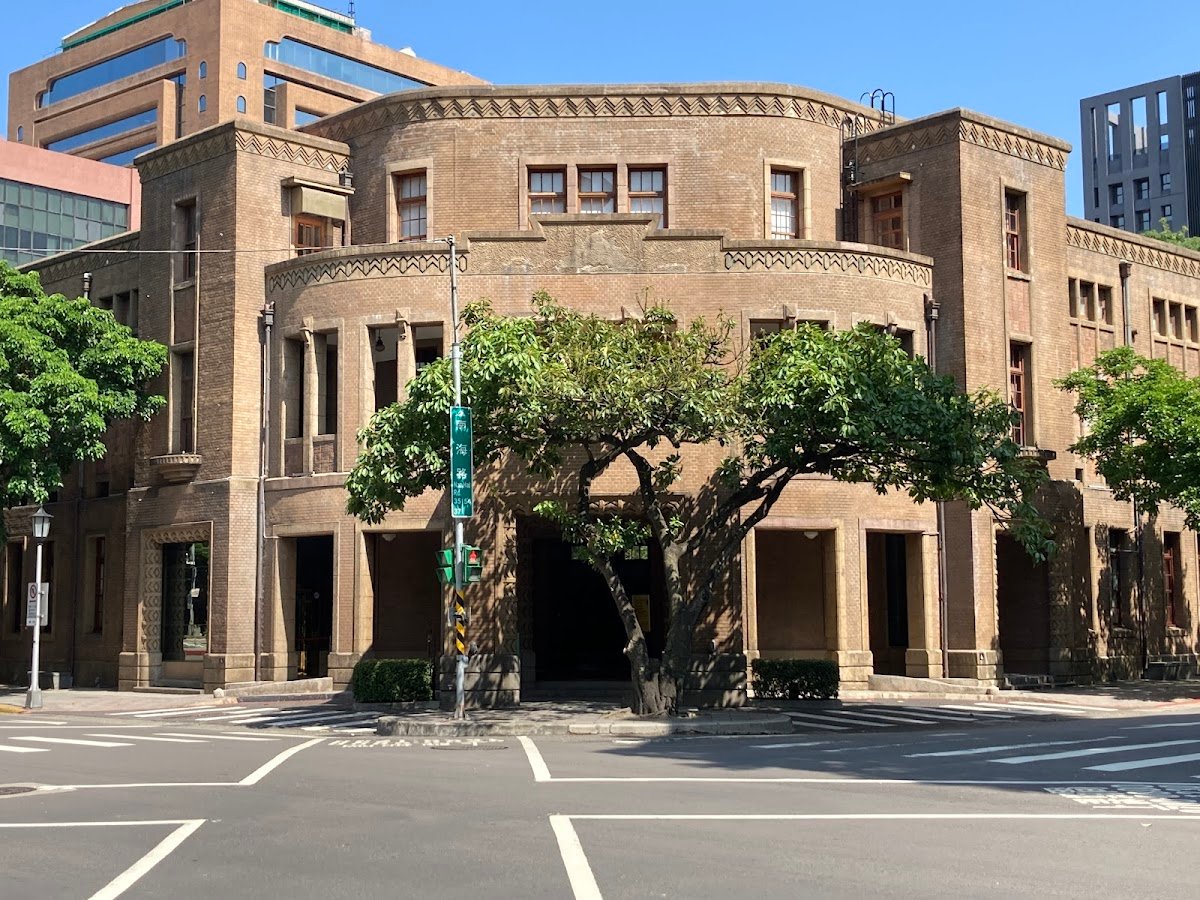
National 228 Memorial Museum

National 228 Memorial Museum

Taipei, Taiwan

Stories of the past often linger in stone, echoing through silent halls and tree-shaded courtyards. In the heart of Taiwan’s capital, the National 228 Memorial Museum rises as a thoughtful sanctuary that blends remembrance with education. Here, history becomes more than words—every exhibit, photograph, and personal letter brings visitors into the lives touched by the 228 Incident of 1947. Far removed from tourist crowds jostling for the perfect shot, this destination invites quiet reflection, deep learning, and genuine encounters with Taiwan’s modern story.

Visiting Info

Currency
Entrance fee
30 TWD
Hours
Opening hours
Monday: Closed
Tuesday: 10:00 AM – 5:00 PM
Wednesday: 10:00 AM – 5:00 PM
Thursday: 10:00 AM – 5:00 PM
Friday: 10:00 AM – 5:00 PM
Saturday: 10:00 AM – 5:00 PM
Sunday: 10:00 AM – 5:00 PM

Contact Information

Location
Address
No. 54號, Nanhai Rd, Zhongzheng District, Taipei City, Taiwan 100052

Planning your visit

Nestled on Ketagalan Boulevard, the National 228 Memorial Museum serves travelers seeking depth in their journey. Careful planning can mean the difference between a rewarding visit and a quick pass-through. The museum is busiest on national holidays, but weekday mornings often welcome smaller groups and more peaceful walks through the exhibits. It is located within the leafy bounds of 228 Peace Memorial Park, easily found by public transportation or by foot from neighboring districts.

  • Best time to visit: Weekday mornings, especially in spring or autumn for pleasant park strolls.
  • How to get there: Take the Taipei MRT to NTU Hospital Station (Exit 1). The museum is just a short walk from there. Bus routes also make nearby stops.
  • Accessibility: Wheelchair access is available, and stroller use is permitted. Benches offer rest spots for seniors.
  • Average visit duration: Plan for 1 to 2 hours; add extra time to wander the surrounding park.

Must see stuff

Within these dignified walls, each exhibition tells a specific part of the 228 story. Permanent displays combine personal artifacts with large-scale photographs, voices from survivors, and interactive touchscreens. The original radio station building—now restored—anchors the museum’s core, urging visitors to step into a chapter of Taiwan’s past where dreams and sorrow collided. Quiet, light-filled corridors look out onto peaceful gardens, inviting pause and contemplation. Cameras should stay close at hand: historic architecture, intricate tilework, and the dappled sunlight make for compelling photographs.

  • Main exhibition hall: Personal letters, audio recordings, and photographs document the events and aftermath of the 228 Incident, offering rare insight into people’s lives.
  • Restored radio station room: Stand in the very space from which crucial announcements once broadcast, preserved much as it appeared decades ago.
  • Courtyard gardens: Shady trees, carved memorial stones, and tranquil spaces for quiet reflection away from city noise.
  • Temporary exhibitions: Rotating art installations or documentary film screenings related to human rights and Taiwan’s democratization.
  • Photo-worthy spots: The original façade, the arched windows, and memory wall come alive in late afternoon light.
  • Cultural fact: Established in the former Taipei Broadcasting Bureau, the museum occupies a building deeply connected to the historical events commemorated inside.

Tips for your visit

While the museum’s peaceful mood supports reflection, a little preparation will make the experience more comfortable. Weekends often see student groups and short-term tourists, so crowd-averse guests can slip in early or late in the day. Although most signage offers multilingual support, deeper understanding comes from audio guides—request one at reception for a modest fee. The museum runs moderate air conditioning, staying cool in summer, but the park outside can feel warm and humid. Remember, this space holds meaning for many Taiwanese families; soft voices and respectful dress go a long way toward honoring that memory.

  • Best times to avoid crowds: Arrive before 11:00 am on weekdays or closer to closing time.
  • What to bring: Lightweight layers, a refillable water bottle, camera, and a notebook for thoughts.
  • Local etiquette: Lower voices in memorial areas; photography is allowed in most galleries but check for signs before snapping pictures of temporary exhibits.
  • Safety and comfort: Some paths in the park are uneven after rain—choose comfortable, grippy shoes.
  • Admission tip: Entry fees are low, and discounts apply for students and youth.

Similar Attractions

National 228 Memorial Museum – Tickets, Hours & Visitor Guide