St. Panteleimon

St. Panteleimon

Skopje, North Macedonia

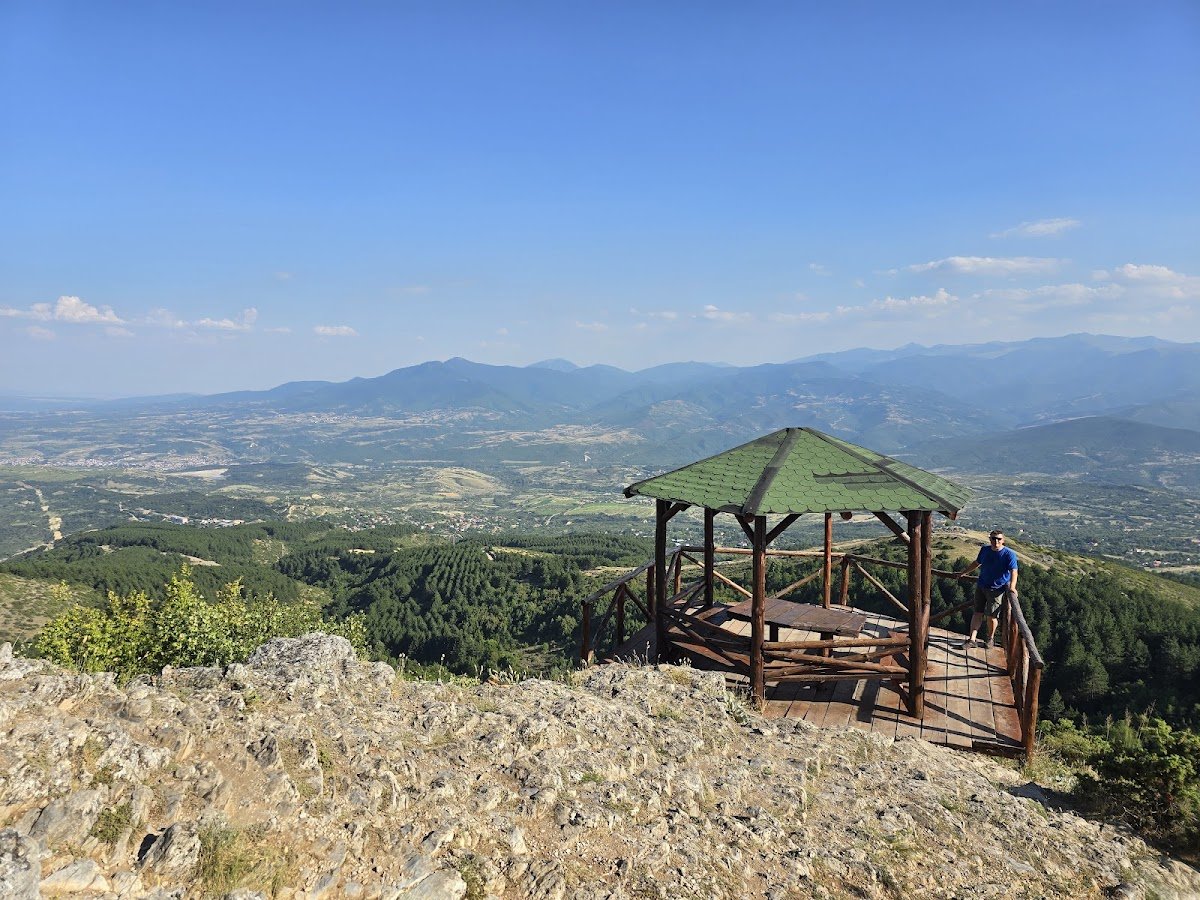
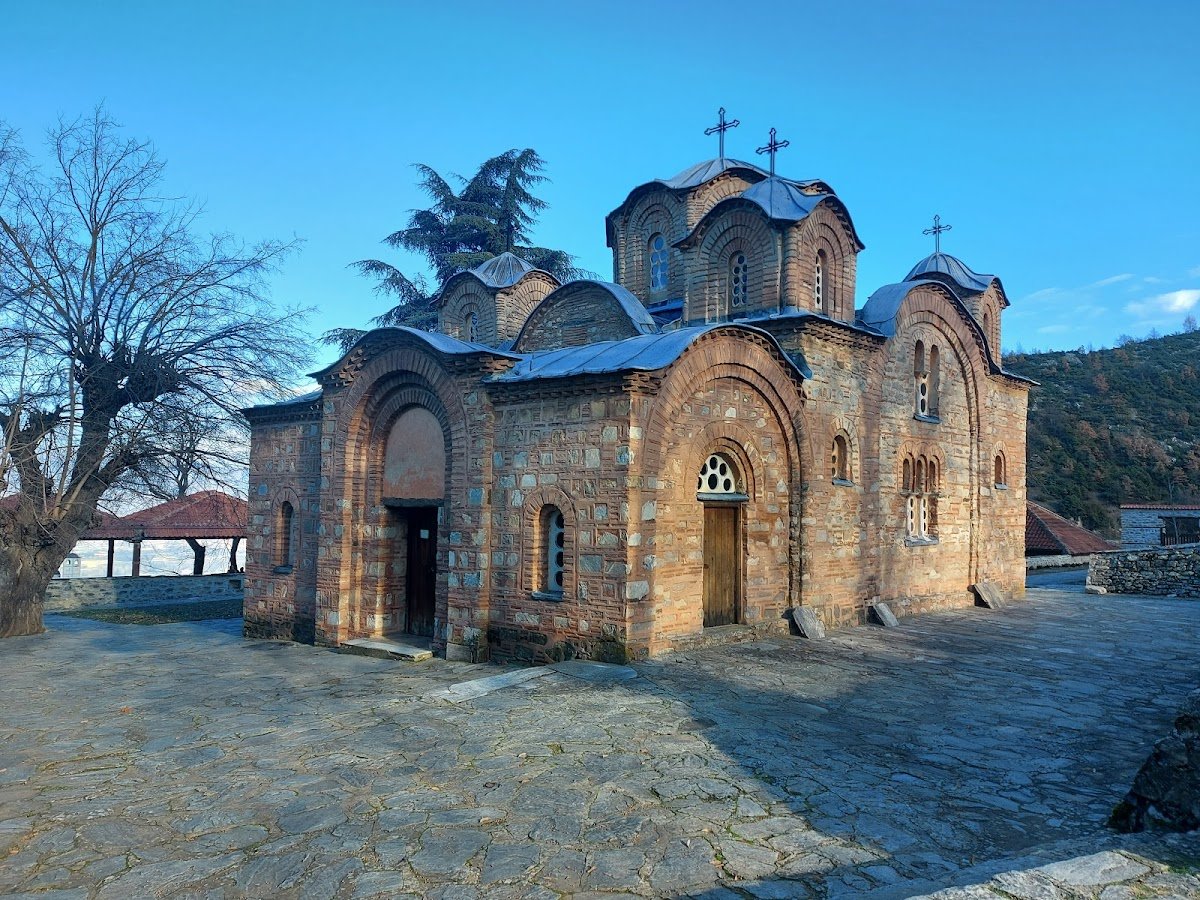
Set on a forested slope above Skopje, St. Panteleimon rises quietly but confidently over the city. This twelfth-century monastery, rich with ancient frescoes and a serene garden, invites visitors who seek more than just sightseeing. St. Panteleimon offers a glimpse into spiritual Macedonia, surviving wars, earthquakes, and the changing world at its feet. For travelers drawn by faith, history, or simply the urge to pause, this spot delivers a memory to hold long after the trip ends.

Visiting Info

Currency
Entrance fee
Free

Contact Information

Location
Address
X9GF+QQ5, Gorno Nerezi 1010, North Macedonia

Planning your visit

To make the most of a trip to St. Panteleimon, a little planning goes a long way. The monastery sits in the village of Gorno Nerezi, several kilometers from Skopje’s busy center, surrounded by trees and with a soothing view of the city below. Mornings and late afternoons bring gentle light, while weekends can fill with travelers and worshippers alike. The monastery remains an active religious site, so respectful dress and quiet manners go far. No advance ticket is needed, but a small entrance fee supports the site’s upkeep. Access requires a short, gentle climb and moderate mobility, but most families and active seniors can manage without issue.

  • Best time to visit: Spring and autumn offer mild weather; early morning or late afternoon for the calmest experience.
  • How to get there: Taxi or private car from Skopje center; public bus 28 stops nearby, but the last stretch involves a short uphill walk.
  • Accessibility: Pathway is paved but uneven in parts; strollers and wheelchairs may need assistance.
  • Average visit duration: 1 to 2 hours allows time to explore, photograph, and reflect.
Must see stuff

Every visitor comes for the same reason: the astonishing frescoes, painted in 1164, which many art historians call Europe’s earliest real-life portraits. Colors still glow on the chapel walls, drawing eyes upward toward saints and scenes from the Bible. But step outside, and the monastery’s stone walls, cool courtyards, and chestnut trees offer just as much to admire. While icons and relics fill chapels in Skopje, St. Panteleimon’s sense of peace sets it apart.

  • The Katholikon: This main church, with its Romanesque arches and domed roof, houses the famous frescoes.
  • The 12th-century frescoes: Look for the "Lamentation of Christ"—a painting that radiates human emotion, unique for its era.
  • Cloister garden: Stone benches curve around herb beds; a quiet place to relax and watch city lights flicker far below in the evening.
  • Photo spots: The entry arch frames Skopje’s sweeping skyline, while olive trees cast dappled shade for moody photos.
  • Local life: Occasionally, you might hear chanting or meet a painter at work, as St. Panteleimon still inspires local artists and worshippers.

Tips for your visit

St. Panteleimon rewards those who come prepared. The stone courtyard can feel slippery after rain. Modest dress is a must, and a soft voice is appreciated throughout the grounds. Photographs are typically allowed outside but restricted inside the church, so always check for posted signs or ask staff. Snacks and bottled water help, since the nearest cafe sits back in Gorno Nerezi village. On some afternoons, wedding parties bring music and laughter—delightful, but hardly peaceful. For a quiet reflection, arrive early or linger just before sunset as visitors leave and the air turns golden.

  • Best times to avoid crowds: Weekdays, especially before 10 a.m. or after 4 p.m.
  • What to bring: Comfortable shoes for old stone paths, a water bottle, sun hat in summer, camera for outdoor shots.
  • Local etiquette: Keep shoulders and knees covered, speak softly, and respect ongoing prayer sessions.
  • Safety and comfort: Secure footing is key, especially for elders and kids; bring a light jacket as the mountain air cools quickly in the evening.
St. Panteleimon – Tickets, Hours & Visitor Guide