Google Places photo

Museum of the City of Skopje

Skopje, North Macedonia
i

Google Places photo

Photo by Miljana Vasic

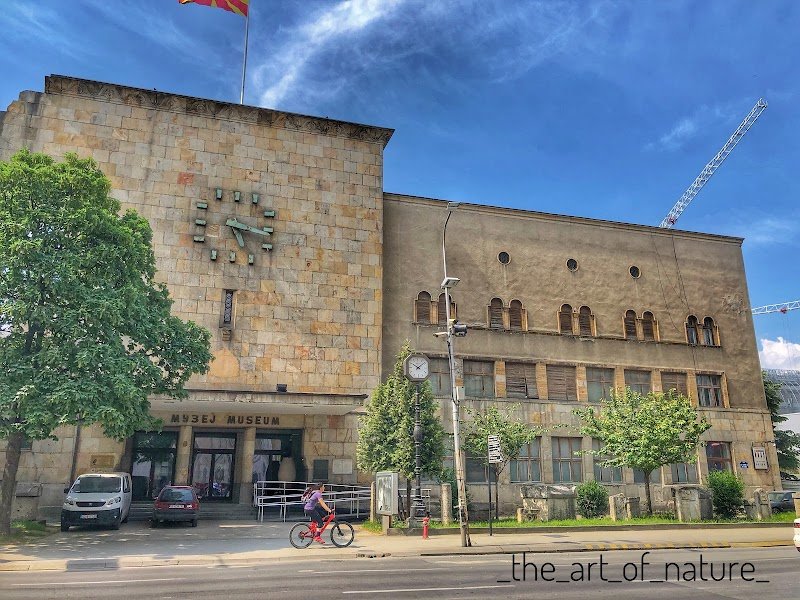
Within the weathered walls of the former railway station, the Museum of the City of Skopje opens a window into the remarkable journey of a city shaped by both hardship and renewal. Visitors discover the layers of Skopje’s changing identity through artifacts, photographs, and thoughtful exhibitions. This museum does not just record history—it connects stories from local neighborhoods and far-off influences, anchoring Skopje within a broader European context.

Visiting Info

Currency
Entrance fee
Free
Hours
Opening hours
Monday: Closed
Tuesday: 9:00 AM – 5:00 PM
Wednesday: 9:00 AM – 5:00 PM
Thursday: 9:00 AM – 5:00 PM
Friday: 9:00 AM – 5:00 PM
Saturday: 9:00 AM – 5:00 PM
Sunday: 9:00 AM – 1:00 PM

Contact Information

Location
Address
Свети Кирил и Методиj, Скопје 1000, North Macedonia

Planning your visit

For travelers mapping historical threads, a stop at the Museum of the City of Skopje provides both insight and reflection. The museum sits at the crossroads of Skopje’s major boulevards, easily reached by most visitors, but it rewards careful timing. Entry is usually affordable, with special discounts for students or children, and most displays are bilingual, making it accessible for both Macedonian speakers and international guests.

  • Best time to visit: Late mornings on weekdays from April to June, or September, when school holidays end and the museum feels quieter.
  • How to get there: A short walk from Macedonia Square, or take city bus lines 2, 5, or 15. Taxi drop-off is possible at the main entrance.
  • Accessibility: Wheelchair entrance via a ramp; most exhibits on the ground floor. Benches and accessible bathrooms are available. Strollers fit easily in wider gallery spaces.
  • Average visit duration: Around 1.5 to 2 hours; allow extra time if engaging with temporary exhibitions.

Must see stuff

Both history buffs and casual wanderers find much to absorb at the Museum of the City of Skopje. The building still bears scars from the devastating 1963 earthquake that reshaped much of Skopje, serving as both a memorial and a living classroom. Its permanent collections and rotating exhibitions bring childhood, trade, art, and community rebuilding to life. Details—such as the railway clock forever frozen at 5:17 am and the carefully reconstructed traditional rooms—turn the museum visit into a journey through time.

  • The former railway station facade: The clock stopped at the earthquake’s moment, symbol of Skopje’s resilience.
  • The earthquake exhibition: Displays of before-and-after photos, personal effects, and news clippings that stir empathy and admiration.
  • Traditional Macedonian rooms: Life-sized recreations showcasing clothing, home goods, and everyday tools from different eras.
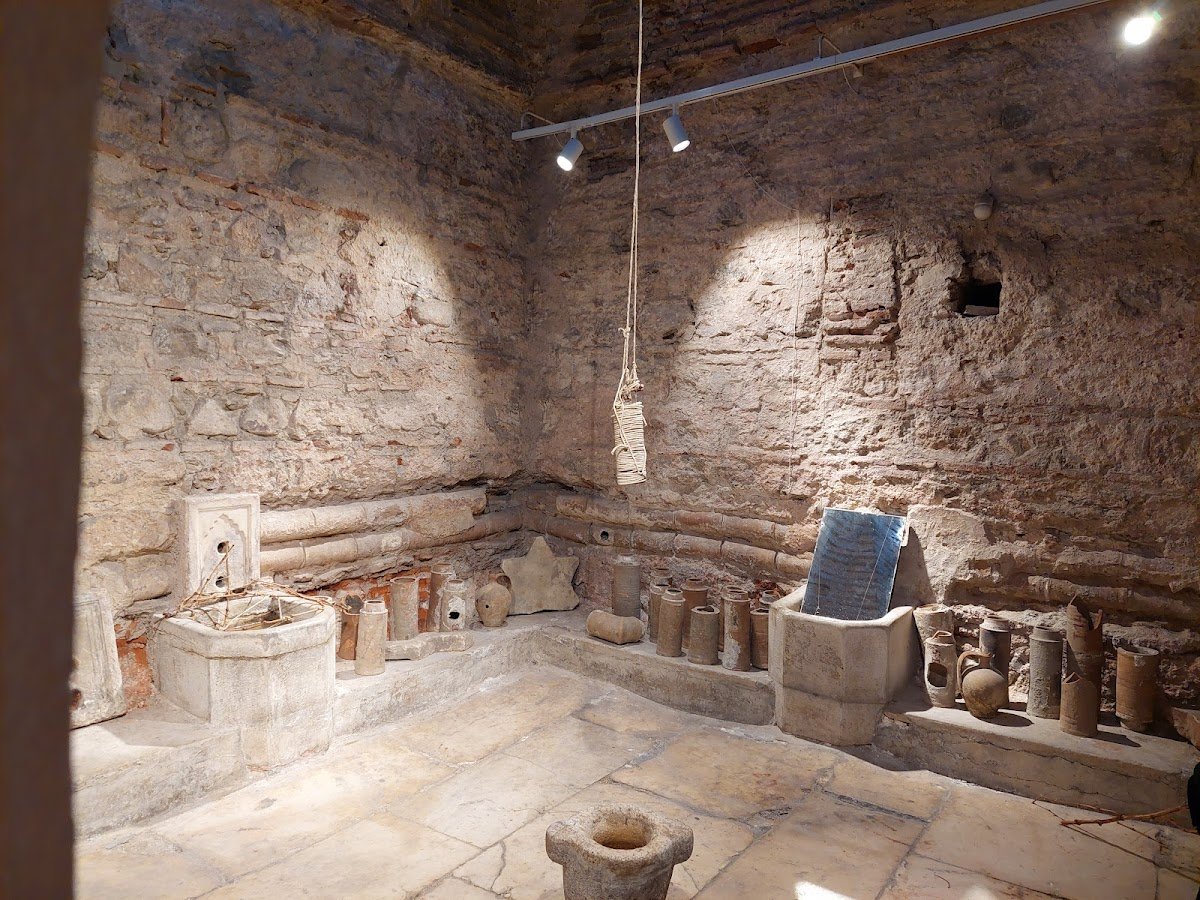
  • Archaeological finds: Ancient coins, pottery, and mosaics recovered from Skopje’s early settlements.
  • Temporary modern art shows: Rotating galleries showcase works by local artists commenting on city life.
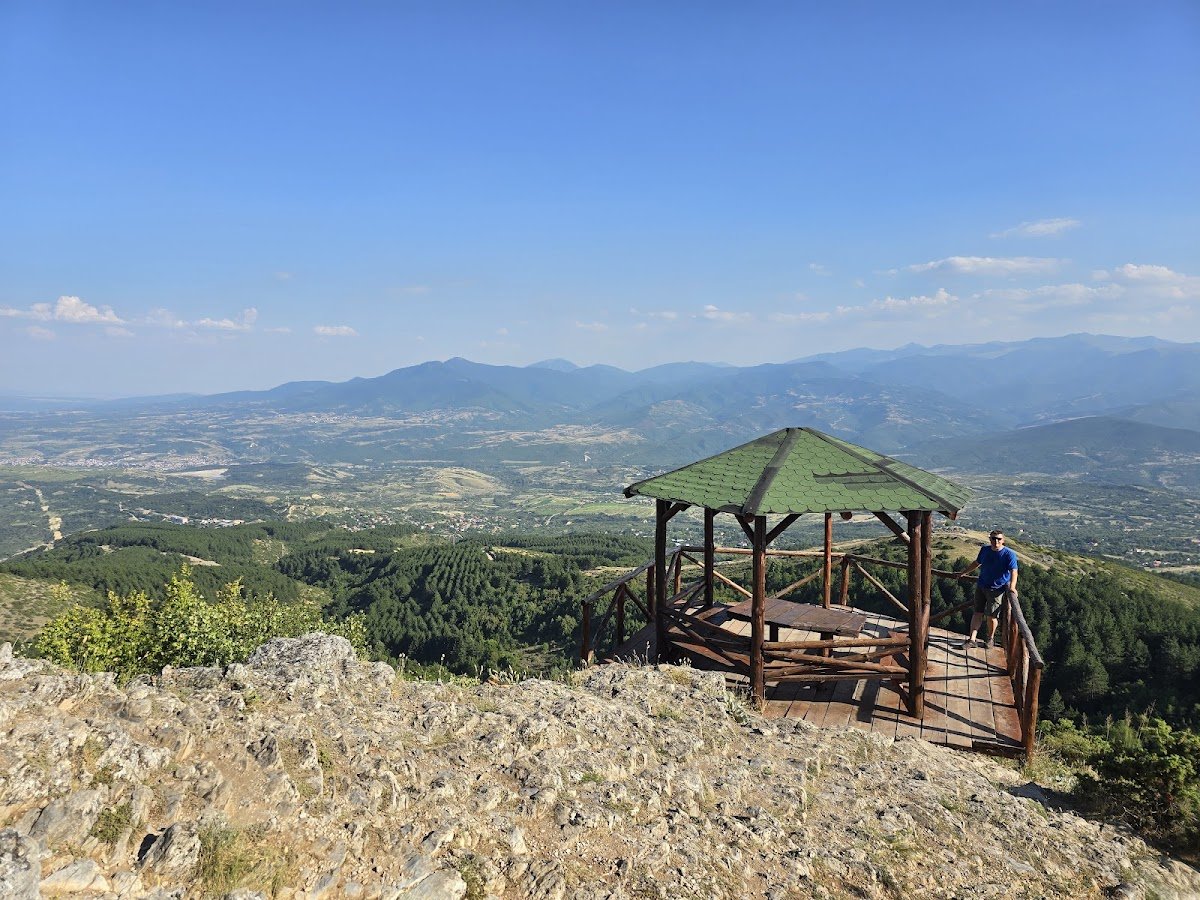
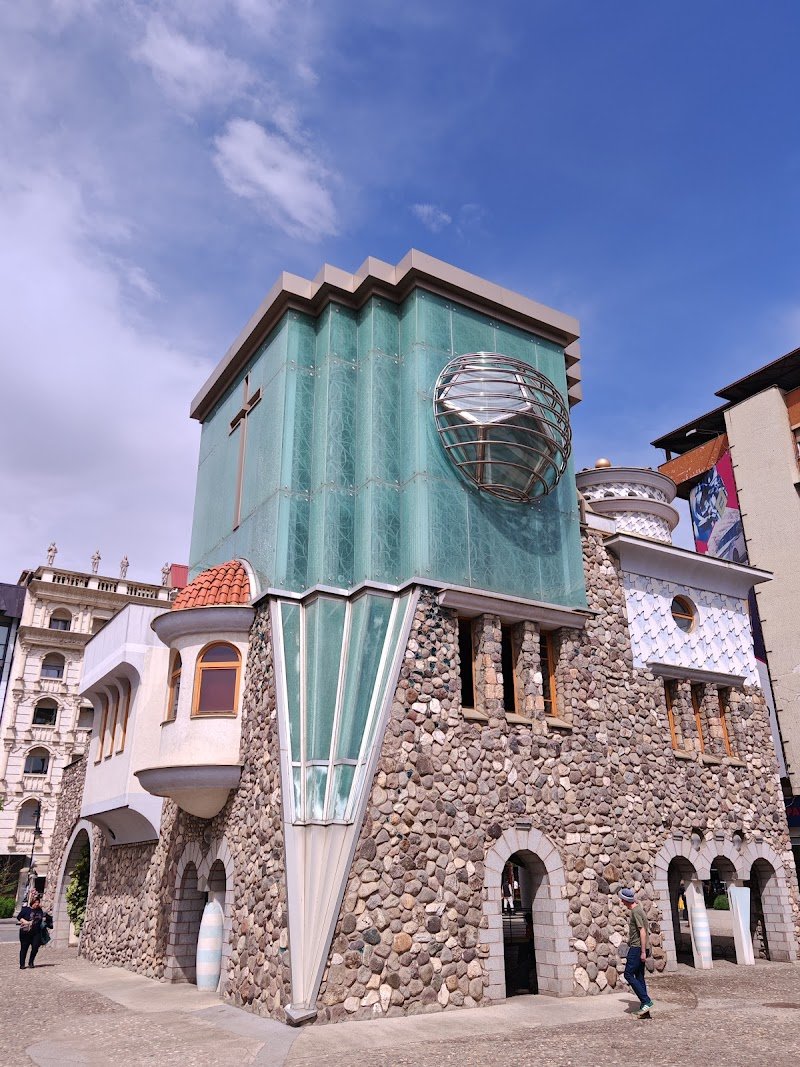
  • Photo-worthy spots: The exterior’s rustic stonework, views to Mount Vodno, and evocative indoor exhibits make for memorable shots.
  • Cultural note: The museum is one of the few places connecting visitors with stories from both before and after one of the region’s most dramatic natural disasters.

Tips for your visit

While the museum’s atmosphere is usually relaxed, weekends and afternoons can see a rush of student groups and tourists. Take time to absorb the details—read captions closely, and ask staff about special tours or hidden displays. Bring patience; some displays need small repairs and lighting can be uneven, but these quirks underline the living, evolving story of the city itself. Support the small museum gift shop on your way out for handmade keepsakes.

  • Best times to avoid crowds: Visit within the first two hours of opening, on Tuesdays or Wednesdays.
  • What to bring: A refillable water bottle, a camera (no flash in galleries), and comfortable shoes for standing and walking.
  • Local etiquette or rules: Keep voices low in tribute rooms and memorial halls. Photography is allowed unless signs request otherwise.
  • Safety or comfort advice: Air conditioning can be patchy in summer; dress in light layers. Museum staff are helpful with directions and information.

Similar Attractions

Museum of the City of Skopje – Tickets, Hours & Visitor Guide