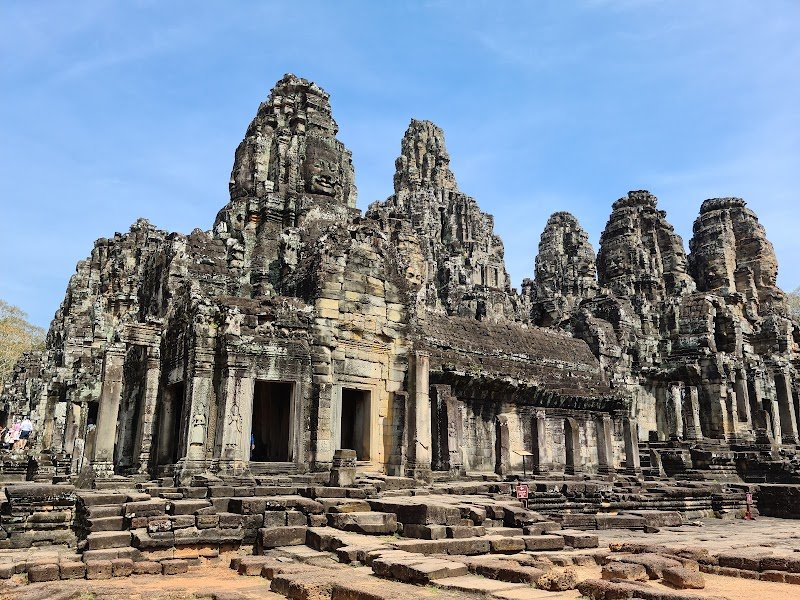
Google Places photo

Bayon Temple

Siem Reap, Cambodia
i

Google Places photo

Photo by Margaret Y

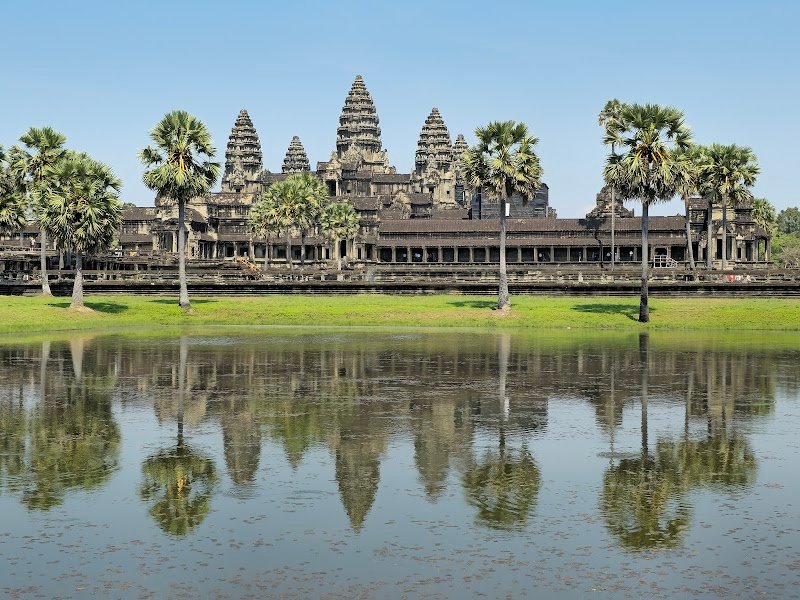
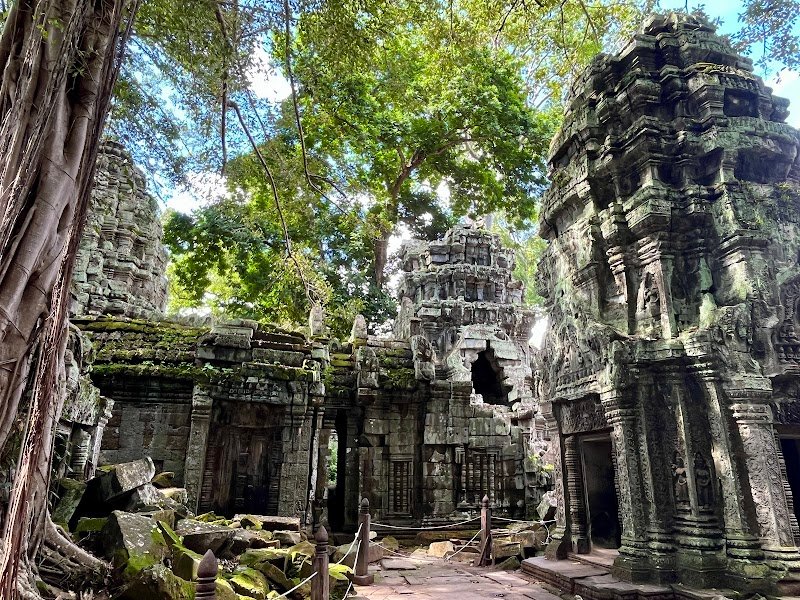
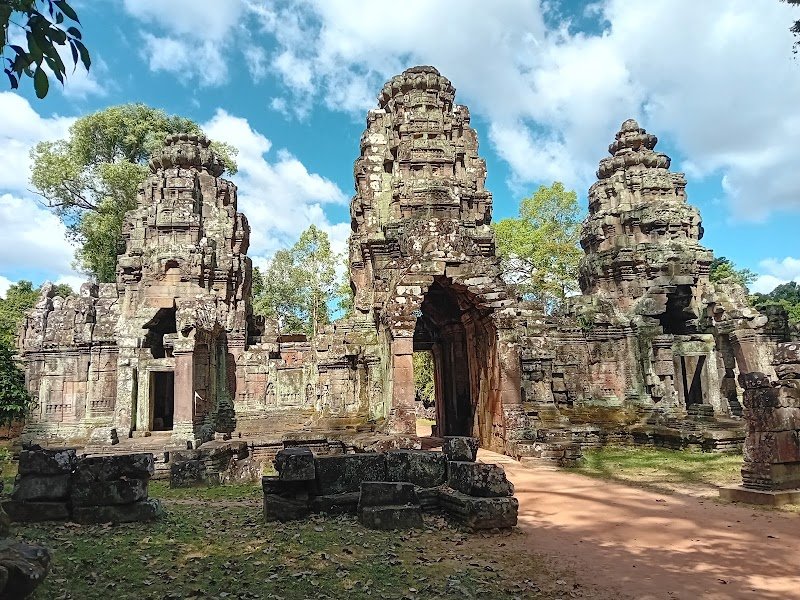
Hidden deep within Angkor’s ancient jungle, Bayon Temple rises like a dream carved from stone. Smiling faces gaze out serenely from every angle, watching over travelers who search for Cambodia’s living connection to the past. While Angkor Wat often steals the spotlight, Bayon offers something different—a close encounter with history, mystery, and the pulse of a city long gone, but not forgotten. Stone corridors and weathered carvings invite visitors to step into another world, one filled with silent stories and gentle wonder.

Visiting Info

Currency
Entrance fee
37 USD
Hours
Opening hours
Monday: 7:30 AM – 5:30 PM
Tuesday: 7:30 AM – 5:30 PM
Wednesday: 7:30 AM – 5:30 PM
Thursday: 7:30 AM – 5:30 PM
Friday: 7:30 AM – 5:30 PM
Saturday: 7:30 AM – 5:30 PM
Sunday: 7:30 AM – 5:30 PM

Contact Information

Location
Address
Krong Siem Reap, Cambodia

Planning your visit

Thoughtful planning can transform a visit to Bayon Temple from a rushed checkpoint into a slow, rewarding journey. This landmark sits within the Angkor Archaeological Park, about 8 kilometers north of Siem Reap. Most visitors arrive by tuk-tuk, taxi, or as part of a bike tour—making it easy to explore at your own pace. Tickets are required; crowds peak mid-morning and sometimes again in the late afternoon. The air thickens with heat by midday, so early-morning or late-afternoon adventures feel most comfortable. Families, photographers, and history lovers all find something intriguing here, but the uneven stones may challenge strollers or wheelchairs. Expect a mix of quiet reflection and lively exploration, especially as local guides share tales that bring ancient faces to life.

  • Best time to visit: Early morning (7–9 a.m.) or late afternoon (after 3 p.m.); November to February offers cooler, drier weather.
  • How to get there: Tuk-tuks, bike rentals, guided tours, or taxis from Siem Reap; the main loop through Angkor includes Bayon.
  • Accessibility: Moderate; many uneven stones, steep stairs, and few handrails. Families with young kids or visitors with mobility needs should plan accordingly.
  • Average visit duration: 1–2 hours for highlights; longer if exploring with a guide or studying carvings up close.

Must see stuff

Bayon Temple is famous for its mysterious stone faces—216 of them, smiling down from every tower and corner. Yet beyond these gentle guardians, each turn reveals detailed carvings, hidden chambers, and scenes of daily life carved in relief across gallery walls. Visitors can wander beneath weathered gates, linger in shadowed halls, or climb up to higher terraces, where the faces seem almost close enough to touch. Each area offers a new perspective; local guides illuminate hidden stories, and quiet mornings can feel almost spiritual. Photo spots abound, but sometimes the real magic shows up between the crowds and the quiet, where ancient Khmer stories come alive in a patch of sun.

  • Key sights: The central tower with its 360-degree views, massive stone faces, and bas-reliefs portraying Khmer history and mythology.
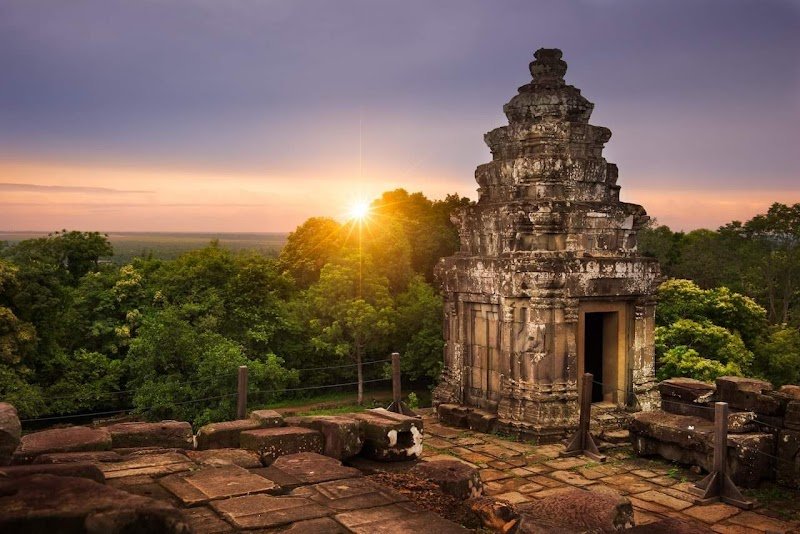
  • Unique experiences: Private sunrise or sunset visits (for those who arrange ahead), listening to local guides share ancient legends, or exploring one of the quieter side galleries for a peaceful break from crowds.
  • Photo-worthy locations: Courtyards filled with dappled light, the staircases leading up to the central sanctuary, panoramic shots of towers against the trees.
  • Cultural or historical facts: Built as the state temple of King Jayavarman VII in the late 12th century, Bayon blends Buddhist symbolism with Hindu imagery, creating a puzzle of faith and empire in stone.

Tips for your visit

Bayon rewards visitors who slow down and look closely. The crowds gather quickly by midday; early risers or late afternoon explorers will find the best light and fewer distractions. Shoes with strong grips make a real difference on slippery stones, especially after rain. Bottled water is a must, even during the cooler months, and sun hats help for time spent outside the temple shadow. While respectful clothing is required—shoulders and knees covered, please—the atmosphere feels welcoming to all. Local guides often know secret corners and quiet spots, and many accept tips for sharing their knowledge. Street vendors sometimes approach the temple, but on-site snacks are limited, so consider bringing a light meal. Most importantly, be gentle with both the stones and the people; Bayon belongs to Cambodia’s living heritage and deserves quiet wonder.

  • Best times to avoid crowds: Right at opening or after most tour groups leave mid-afternoon.
  • What to bring: Water, sun protection, modest clothing, sturdy walking shoes, small bills for tips or snacks, and a camera with plenty of memory.
  • Local etiquette: Behave respectfully—no loud voices, no climbing on delicate carvings, and always ask before photographing monks or staff.
  • Safety and comfort: Mind your step on uneven ground, keep valuables close, and stay hydrated in the tropical heat. Wet stones after rain can be slick.
Bayon Temple – Tickets, Hours & Visitor Guide