gray concrete building near green trees under cloudy sky at daytime
Google Places photo
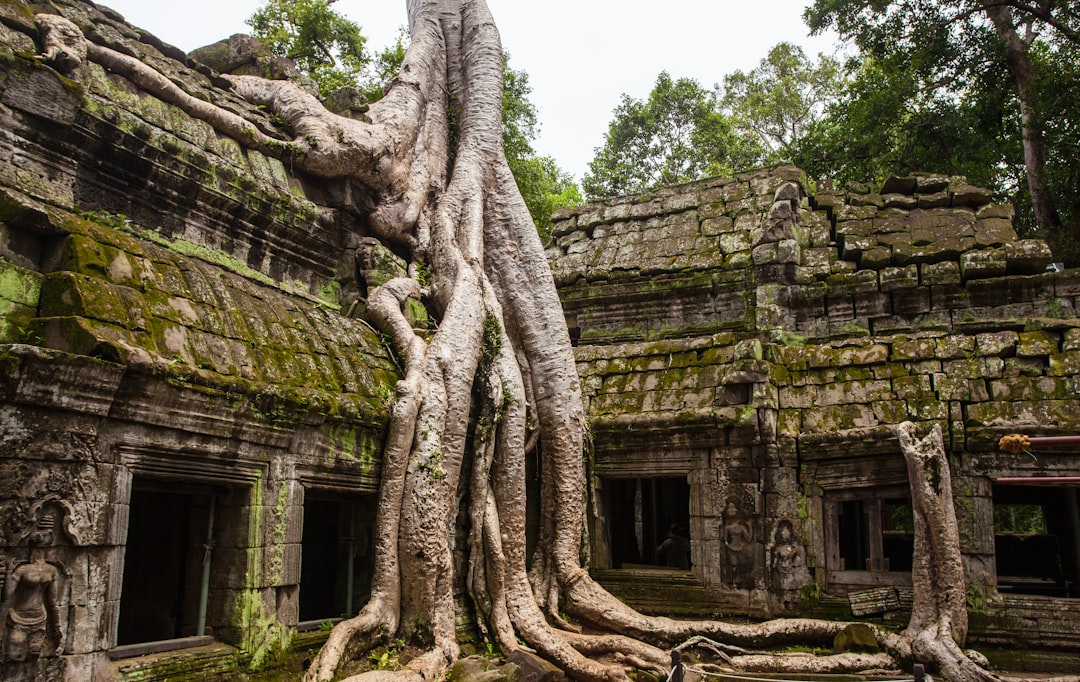
concrete temple with tree root on top

Angkor Wat

Siem Reap, Cambodia
i

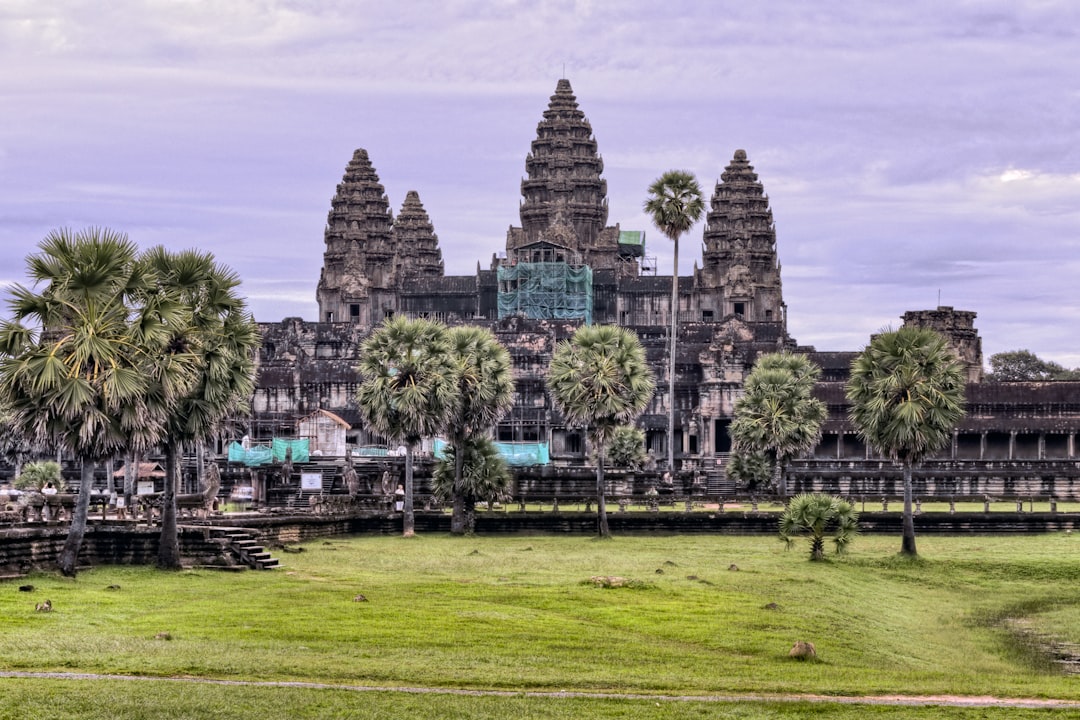
gray concrete building near green trees under cloudy sky at daytime

Photo by James Wheeler

Mysterious, ancient, and impossibly photogenic, Angkor Wat rises out of the Cambodian forest as one of Southeast Asia’s most stirring sights. While thousands journey here for its legendary sunrise views, the complex offers much more than postcard moments. Beneath the stone towers and tangled roots lies centuries of art, ingenious engineering, and lively local culture. Every path leads deeper into Cambodia’s past—and every wander reveals fresh wonder or quiet serenity.

Visiting Info

Currency
Entrance fee
37 USD

Contact Information

Location
Address
Krong Siem Reap, Cambodia

Planning your visit

Travelers aiming to see Angkor Wat at its best need a plan. Siem Reap, the nearby city, serves as the gateway. Although open year-round, each season changes the mood among the temples. During the dry months, sandstone glows honey-colored, while the green season brings dramatic skies and fewer buses. Patience is required for sunrise or sunset since crowds surge during those hours and during major holidays. Tickets are purchased at the official Angkor Pass office rather than the entrance itself. Expect some walking—shady, but humid and uneven—so comfort matters as much as curiosity.

  • Best time to visit: November to February for cool, dry weather; sunrise or late afternoon for the softest light.
  • How to get there: By tuk-tuk, bicycle, or taxi from Siem Reap (6km away); organized group tours are also available.
  • Accessibility: Pathways range from flat to steep and uneven; families and seniors may want to focus on main causeways and ground-level plazas.
  • Average visit duration: Plan on 2-4 hours for Angkor Wat itself; longer if combining with nearby temples or museums.

Must see stuff

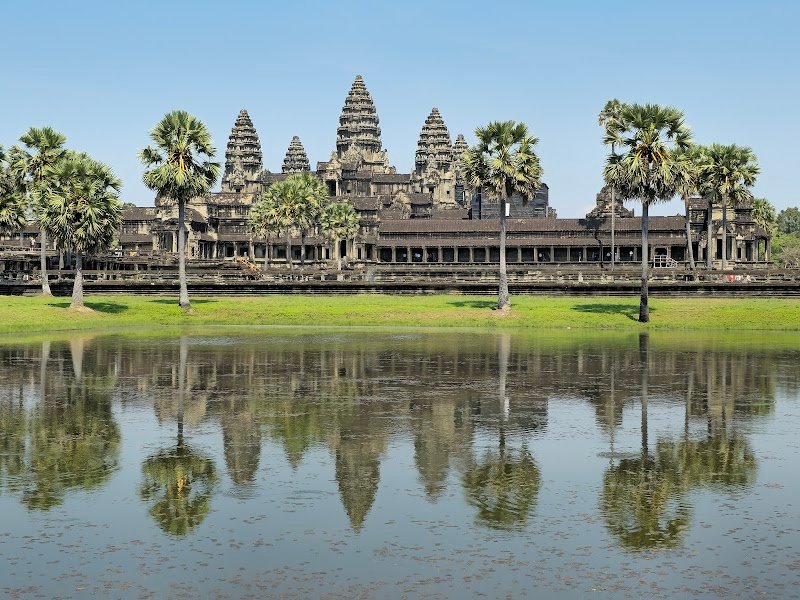
Angkor Wat lives up to its global fame as the world’s largest religious structure. The temple’s five lotus-shaped towers soar above a broad moat, guarding a warren of galleries and bas-reliefs. Monks in orange robes and local schoolchildren appear among stone walkways, mixing everyday life with ancient grandeur. Yet this place is more than one temple. The surrounding Angkor Archaeological Park holds dozens of ruins and hidden corners. Visitors zigzag from awe-inspiring temples to quiet jungle shrines, always with new sights for explorers and photographers alike.

  • Main sights: Central sanctuary and upper towers, “Churning of the Ocean of Milk” bas-relief, intricate courtyards filled with Apsara dancers carved in stone.
  • Unique experiences: Early-morning walk along the western causeway; temple blessing by a local monk; exploring lesser-trod temples such as Preah Pithu or the shaded Srah Srang reservoir nearby.
  • Photo-worthy spots: Reflection pools outside the main gate at sunrise; high terraces for sweeping jungle views; entry hall’s shadowy corridors.
  • Cultural/historical nuggets: Built in the early 12th century, Angkor Wat was a Hindu temple before becoming a Buddhist site; its scale and artistry symbolize the Cambodian nation today.

Tips for your visit

A great trip to Angkor Wat works best with a few smart strategies. The temple complex can get crowded, hot, and overwhelming—especially in peak season. Mornings bring cooler air and soft light, while afternoons can reward patient visitors with quieter ruins. Vendors sell drinks outside the gates, but bathroom stops and shade are scarce inside. Respectful clothing—a shirt with sleeves, long shorts or a skirt—makes for comfortable sightseeing and honors local customs. Careful steps help on slick stones, and curiosity leads from famous gateways to peaceful courtyards known mostly to gardeners or local monks.

  • Best times to avoid crowds: Arrive right at opening or wait until late afternoon when tour groups have left.
  • What to bring: Water bottle, sunhat, camera, sturdy sandals or sneakers, light rain cover (in wet season), small cash for tips or souvenirs.
  • Local etiquette or rules: Dress modestly, remove hats in shrines, ask permission before photographing monks or locals.
  • Safety/comfort: Watch for broken steps and high ledges; take regular breaks; save some energy for exploring less-traveled paths nearby.
Angkor Wat – Tickets, Hours & Visitor Guide