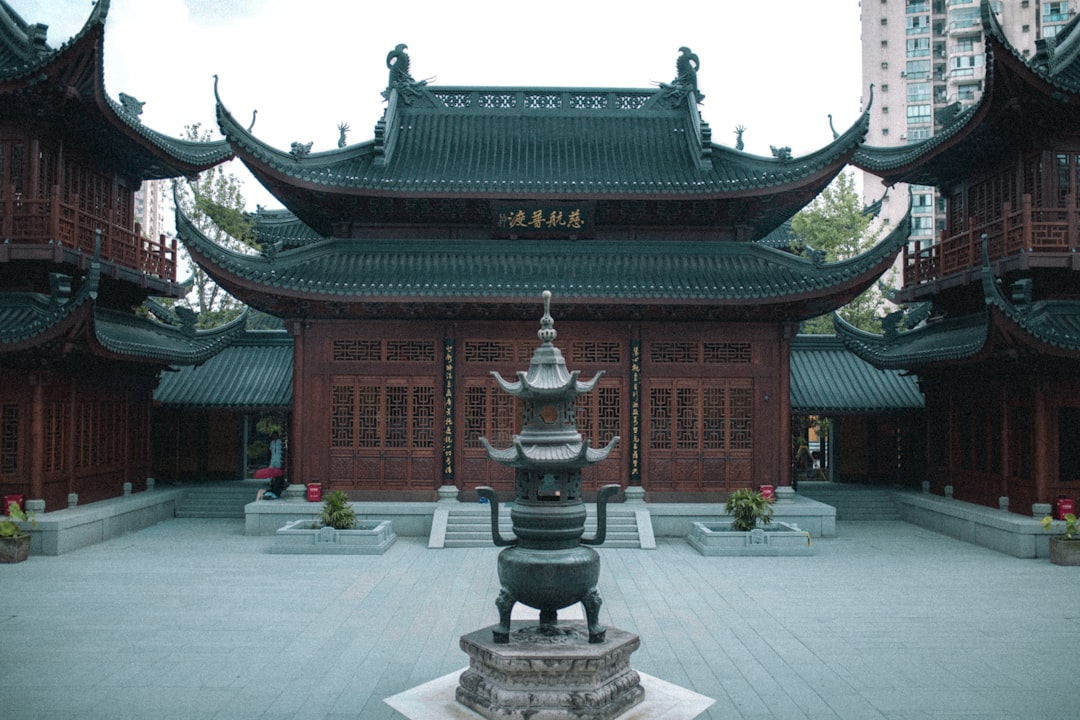
red and black temple during daytime
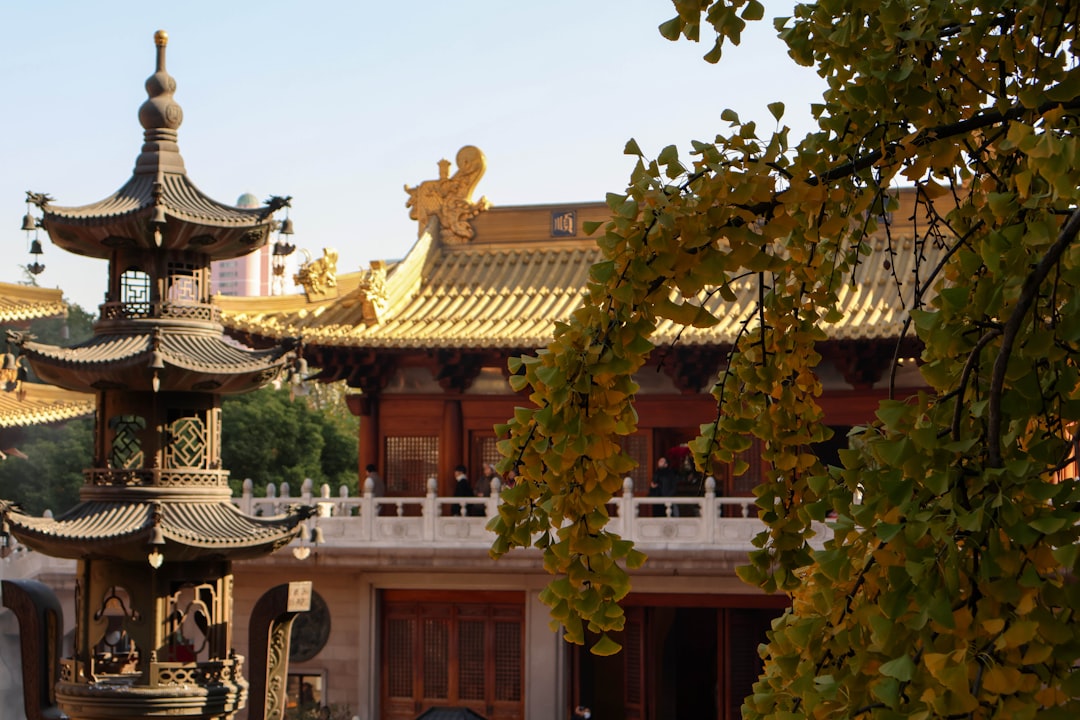
Traditional temple architecture with autumn foliage

Jing’an Temple

Shanghai, China
i

red and black temple during daytime

Photo by Alexandre Trouvé

Stepping into Jing’an Temple brings a surprising calm. Clouds of incense drift into the busy air, muffling the rumble of the modern city outside. Gold-tipped roofs gleam over thick wooden doors. Inside, daily life pauses—tourists look up, city dwellers bow their heads, monks walk in soft silence. This landmark ties Shanghai’s history and spiritual life together, offering rare moments of peace among bright skyscrapers and crowded streets.

Visiting Info

Currency
Entrance fee
50 CNY
Hours
Opening hours
Monday: 7:30 AM – 5:00 PM
Tuesday: 7:30 AM – 5:00 PM
Wednesday: 7:30 AM – 5:00 PM
Thursday: 7:30 AM – 5:00 PM
Friday: 7:30 AM – 5:00 PM
Saturday: 7:30 AM – 5:00 PM
Sunday: 7:30 AM – 5:00 PM

Contact Information

Location
Address
1686 Nanjing Rd (W), 久光 Jing'An, Shanghai, China, 200040

Planning your visit

Getting to Jing’an Temple and planning the best time matters for a smooth experience. While crowds gather at midday and on weekends, mornings offer softer light and quieter walks through the courtyards. The temple stays central, so visitors rarely struggle to find their way. The main entrance sits close to malls and cafes, making Jing’an a good stop during a broader day in the city. Buying tickets is easy at the gate, though lines can form during holidays or Lunar New Year ceremonies. Families, seniors, and first-time visitors all find the site welcoming, but uneven paths and occasional steps can be a challenge for some. Plan for steady shoes and a relaxed pace.

  • Best time to visit: Weekday mornings or late afternoons in spring and autumn.
  • How to get there: Jing’an Temple station on Metro Lines 2 and 7; city buses and taxis stop nearby.
  • Accessibility: Moderately accessible; families and seniors welcome, but expect steps and stone walkways.
  • Average visit duration: 1 to 2 hours, longer if attending a ceremony or resting in the teahouse.

Must see stuff

Jing’an Temple dazzles with contrasts: ancient halls and glowing gold statues set beside busy city lanes. Ornate bridges lead to peaceful ponds. Wide courtyards fill with scent from smoldering incense. Inside the main buildings, priceless treasures and vast Buddha statues rise. Pilgrims kneel below wooden beams carved with dragons and flowers. On quieter sides, alleys offer shadow and calm, with monks tending small gardens or lighting candles. A visit means more than smooth marble and shining metal—it brings real moments of everyday faith.

  • The Mahavira Hall: The heart of the temple, home to the towering Jade Buddha statue and prayer offerings.
  • Incense burner court: Visitors toss incense for luck while golden roofs glimmer above.
  • Bell and Drum Towers: Two ancient towers once signaled daytime and prayer times; now, visitors can often listen to performances or recordings.
  • Teahouse and Gallery: A rare quiet spot to sip green tea, browse local art, or watch monks in daily routine.
  • History niche: Look for plaques and stone relics telling stories from dynasties past—Jing’an was first founded in 247 AD, rebuilt many times through history.
  • Photo spots: Snap the view looking up from the incense burners to downtown skyscrapers, or capture lanterns glowing in the evening light.

Tips for your visit

Small touches help at Jing’an Temple. The courtyards feel cooler in the morning shade, but midday sun can make stone steps slippery or hot. Visitors sometimes forget to bring small cash for incense or tickets—cards are not always accepted. Shoes should be sturdy. Cameras are allowed outside, but avoid photos inside prayer halls or during ceremonies; locals appreciate quiet respect. Plan breaks; benches and calm spots wait behind the main halls. Just remember, snacks and bottled water should stay tucked away except in common areas. Large crowds build during religious festivals, so consider early or late visits for peaceful moments. Smiles and patience open many doors here.

  • Best times to avoid crowds: Arrive before 10 a.m. or after 4 p.m., especially on weekdays.
  • What to bring: Water, a camera, sun hat, comfortable walking shoes, some cash for small purchases.
  • Local etiquette: Dress modestly, speak softly, respect spaces for worship, and avoid flash photography indoors.
  • Safety and comfort: Watch steps on older floors; keep bags zipped in busy areas; use benches to rest when needed.

Similar Attractions

Jing’an Temple – Tickets, Hours & Visitor Guide